

You likely see headlines about million-dollar quarterbacks at huge universities, but a quieter, impactful revolution is happening right here in Bradenton. The introduction of State College of Florida NIL deals means that local student-athletes can now legally earn money through their Name, Image, and Likeness (NIL). This allows a player to operate much like a social media influencer, accepting payment to endorse a product or appear at an event without losing their eligibility to play sports.
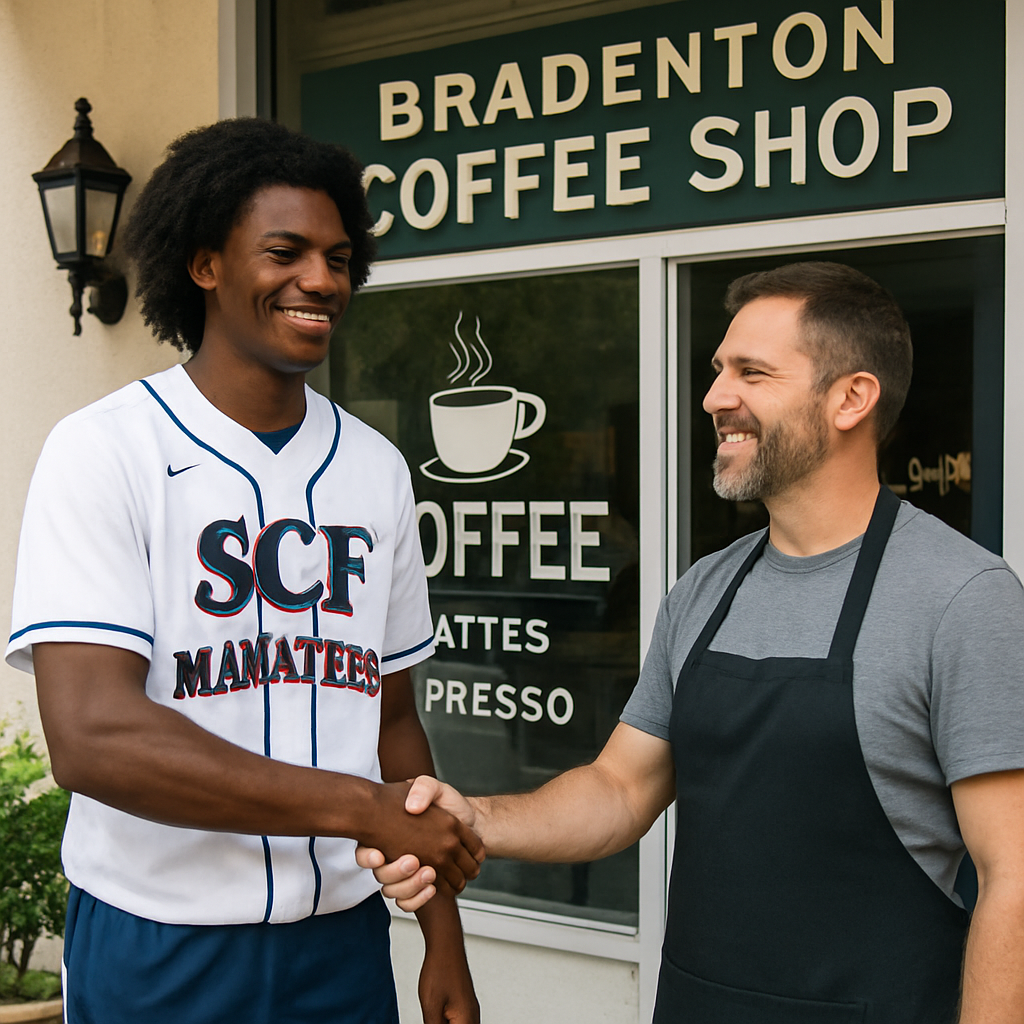
Contrary to the belief that these rights are reserved for national stars, junior college athletes are finding meaningful ways to participate. SCF Manatees athlete branding opportunities often look less like massive corporate contracts and more like community partnerships, such as a baseball player hosting a clinic or a volleyball standout promoting a Sarasota smoothie shop. This shift brings the massive world of collegiate sports commerce down to a relatable, local level.
These endorsements differ significantly from professional salaries. These students are not employees of the college; they are building independent relationships with private businesses. This system supports student success while boosting our local economy.
Summary
State College of Florida NIL deals enable Manatee athletes to earn through local, influencer-style partnerships—social posts, appearances, and small merchandise—while remaining students, not employees. Eligibility depends on strict compliance with Florida law and NJCAA rules (advance disclosure, no pay-for-performance or recruiting inducements, and limits on logo use), with international F-1 students facing significant work restrictions. Domestic athletes must treat earnings as 1099 contractor income—saving for taxes, tracking expenses, and avoiding risky long-term contracts. By building a clear personal brand and media kit and pitching tangible value to local businesses, athletes create sustainable partnerships that strengthen the Bradenton–Sarasota community and their post-college careers.
Beyond the Headlines: What NIL Actually Means for a State College Student
NIL functions less like a professional sports contract and more like the influencer marketing seen on Instagram. When a State College of Florida (SCF) volleyball player posts a photo enjoying a smoothie from a local café, they are providing a marketing service, not just playing a game. This shift allows students to start monetizing social media as an SCF athlete by leveraging their popularity and community standing to promote products, make appearances, or even offer private coaching lessons.
This system is distinct from “pay-to-play,” which remains strictly prohibited in college sports. Under current regulations, SCF cannot pay a recruit simply to attend the college or perform on the field; the financial transaction must occur exclusively between the athlete and an external business or donor. The money is earned through actual work performed—such as signing autographs or creating digital content—rather than simply being on the roster, ensuring the athlete remains a student first.
Local businesses in Bradenton and Sarasota often find these partnerships incredibly valuable because they target a specific, engaged community. Hyper-local visibility often converts better for small businesses than expensive, broad advertising. A “Manatee” athlete carries local trust, making their endorsement a powerful tool for connecting with neighbors and fans.
Turning a personal reputation into a business venture involves more than just shaking hands on a deal. Because these agreements sit at the intersection of education, commerce, and athletics, strict regulations are in place to ensure fair play.
Staying Legal: How Florida Law and NJCAA Rules Protect Your Eligibility
The State College of Florida operates under the National Junior College Athletic Association (NJCAA). A NJCAA vs NCAA NIL regulations comparison reveals that while junior college rules are often more streamlined, they are just as strict regarding student status. If a student-athlete ignores these guardrails, they risk losing their scholarship and their spot on the roster. Compliance is the first step in any business venture.
Transparency acts as the primary shield for both the athlete and the college. Florida state laws on junior college NIL mandate that every deal must be formally disclosed to the athletic department before any work begins. This “disclosure requirement” ensures the contract doesn’t violate state laws or team rules, protecting the student from accidental disqualification. It ensures the paperwork proves the student is actually working for their pay.
To safely navigate these opportunities, every deal must pass a basic “eligibility filter.” Protecting NJCAA eligibility during sponsorship negotiations comes down to adhering to three non-negotiable standards:
- No Pay-for-Performance: Payments must be for specific work (like autographs), not for scoring points or winning games.
- No Recruiting Inducements: A business cannot offer money to convince a high schooler to pick SCF over another college.
- No Unauthorized Logos: Athletes generally cannot wear the “Manatees” uniform in commercial ads without written permission.
Distinguishing between direct commercial endorsements and “collectives”—donor pools formed specifically to facilitate these deals—is also helpful. While collectives are common at large universities, most opportunities at the junior college level remain direct partnerships with local businesses. Understanding these boundaries clears the path for students to focus on finding creative ways to build their brand.
From Pizza Parlors to Social Media: Realistic Ways SCF Athletes Earn Sponsorships
SCF Manatees athlete branding opportunities remain impactful for the local community because the vast majority of Name, Image, and Likeness (NIL) activity happens at the grassroots level. This connects student-athletes with the businesses they frequent daily. Instead of starring in global commercials, a baseball player might promote a Bradenton barbershop or a softball pitcher might review a smoothie from a Sarasota café.
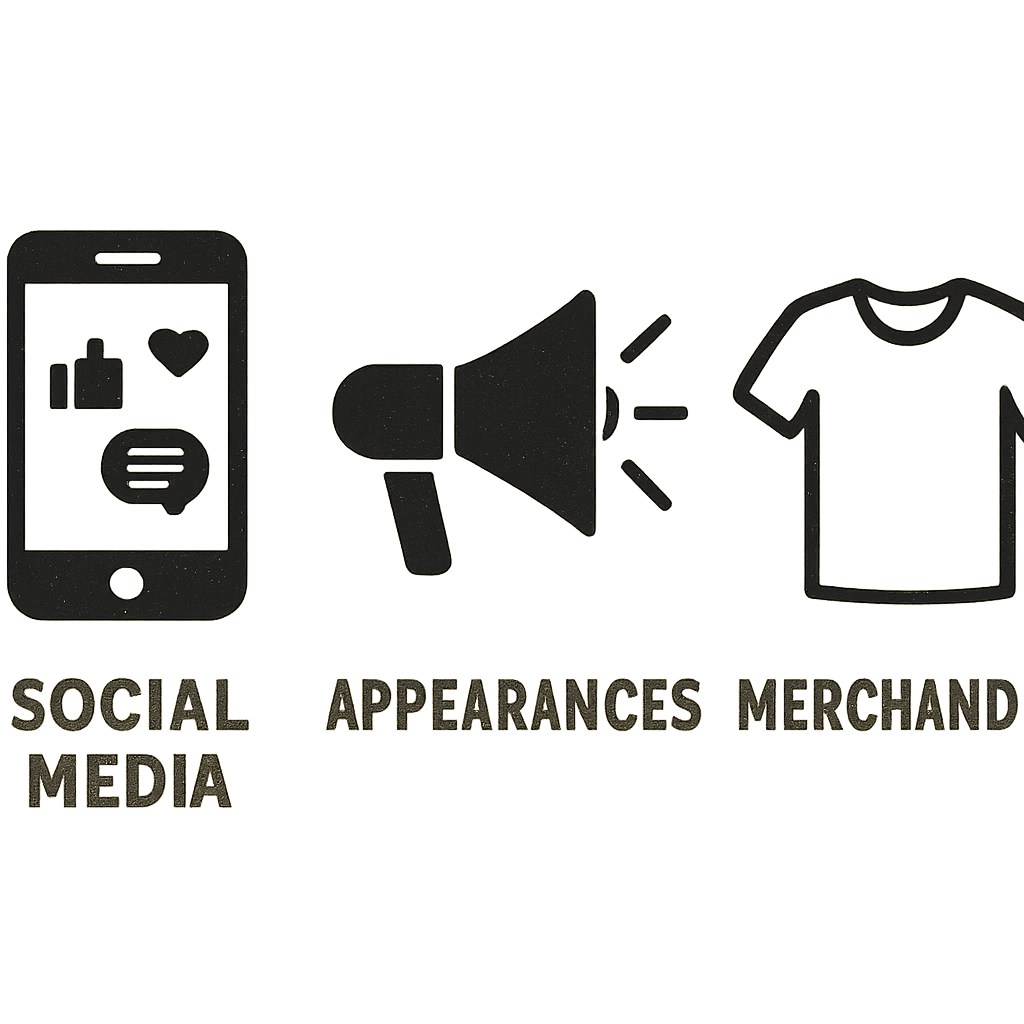
Digital endorsements represent the most accessible entry point for these partnerships. A student might post a photo on Instagram enjoying a meal at a local restaurant in exchange for a free dinner and a modest cash payment, often ranging from $100 to $500. This hyper-local approach works because small businesses value the genuine trust athletes have with their peers more than the broad, impersonal reach of a distant celebrity influencer.
Beyond the screen, building professional networks through local business partnerships often involves face-to-face interaction. Known generally as “appearances,” these deals might see a volleyball player signing autographs at a car dealership’s weekend sale or a tennis standout hosting a youth clinic for a neighborhood association. These in-person events transform athletes into brand ambassadors, allowing them to earn income while strengthening ties with the fans who cheer for them.
Even customized merchandise has found a place in the junior college landscape, with some entrepreneurial athletes selling limited-run t-shirts featuring their personal slogans or artwork. College athlete sponsorship creates a vibrant new economy for domestic students, but specific federal regulations create a complex picture for teammates visiting from abroad.
The F-1 Visa Hurdle: Can International Manatees Join the NIL Era?
While local students can easily partner with neighborhood businesses, the rules change drastically for teammates visiting from other countries. Regarding whether international SCF students can sign NIL contracts, the answer is legally complex. While they may technically sign contracts, the ability to perform the required duties and receive payment in the United States is severely restricted by federal law. For the diverse roster of the Manatees, misunderstanding these rules could result in losing their visa and facing deportation.
Most international athletes study under an F-1 visa, which strictly limits employment to on-campus jobs or specific academic training. Under current immigration guidelines, posting a sponsored photo or signing autographs for cash counts as “active income” or labor. Since these activities occur physically on American soil, the U.S. government views them as unauthorized work. Even if the payment is deposited into a foreign bank account, the act of promoting a product here creates a legal violation.
Opportunities usually require a “passive” approach or travel. Athletes can sometimes profit from selling their image if they do no active work to facilitate the sale, similar to earning royalties on a book. Alternatively, they might participate in marketing campaigns when they return to their home country during semester breaks, provided the deal is executed entirely outside U.S. borders.
Navigating these gray areas requires strict adherence to SCF athletic department compliance guidelines and consultation with immigration attorneys. Before accepting a single dollar, international Manatees must ensure their actions won’t jeopardize their education. For the domestic athletes who do have the green light to earn, the next major hurdle moves from immigration law to the financial realities of managing a professional income.
Managing Your ‘Pro’ Life: Handling Contracts, Taxes, and the 1099 Reality
For domestic students clear to sign deals, the excitement of the first paycheck often overshadows a critical detail: the IRS is watching. Unlike a scholarship or financial aid, NIL payments are generally considered taxable income. When an SCF athlete agrees to promote a Bradenton pizza parlor, they usually aren’t becoming an employee of that restaurant; they are legally operating as an independent contractor, much like a freelance graphic designer or consultant.
This distinction triggers specific paperwork that catches many families off guard. If a student earns more than $600 from a single business in a calendar year, that business is required to issue a 1099-NEC tax form. Because federal and state taxes aren’t automatically taken out of these checks like they are in a standard part-time job, the athlete is responsible for calculating and paying those taxes entirely on their own.
Financial experts suggest a simple “defensive” strategy to avoid debt in April regarding managing taxes on collegiate athlete income:
- Save 30% for taxes: Immediately set aside roughly one-third of every payment into a separate savings account to cover the eventual bill.
- Keep a record of all business expenses: Track costs like travel to an appearance or equipment bought for content creation, as these might lower the taxable amount.
- Read every clause before signing: Ensure the contract timeline doesn’t stretch beyond graduation or transfer.
Long-term commitments pose the biggest risk outside of finances. A step-by-step guide to signing a college athlete endorsement always emphasizes protecting future freedom; an athlete should never sign a multi-year deal that binds them to a local business after they have graduated or transferred to a university. Once these administrative foundations are secure, the focus can shift to the fun part: proactively reaching out to sponsors to build a personal brand.
Building a Brand from Bradenton: How to Pitch Local Businesses and Create a 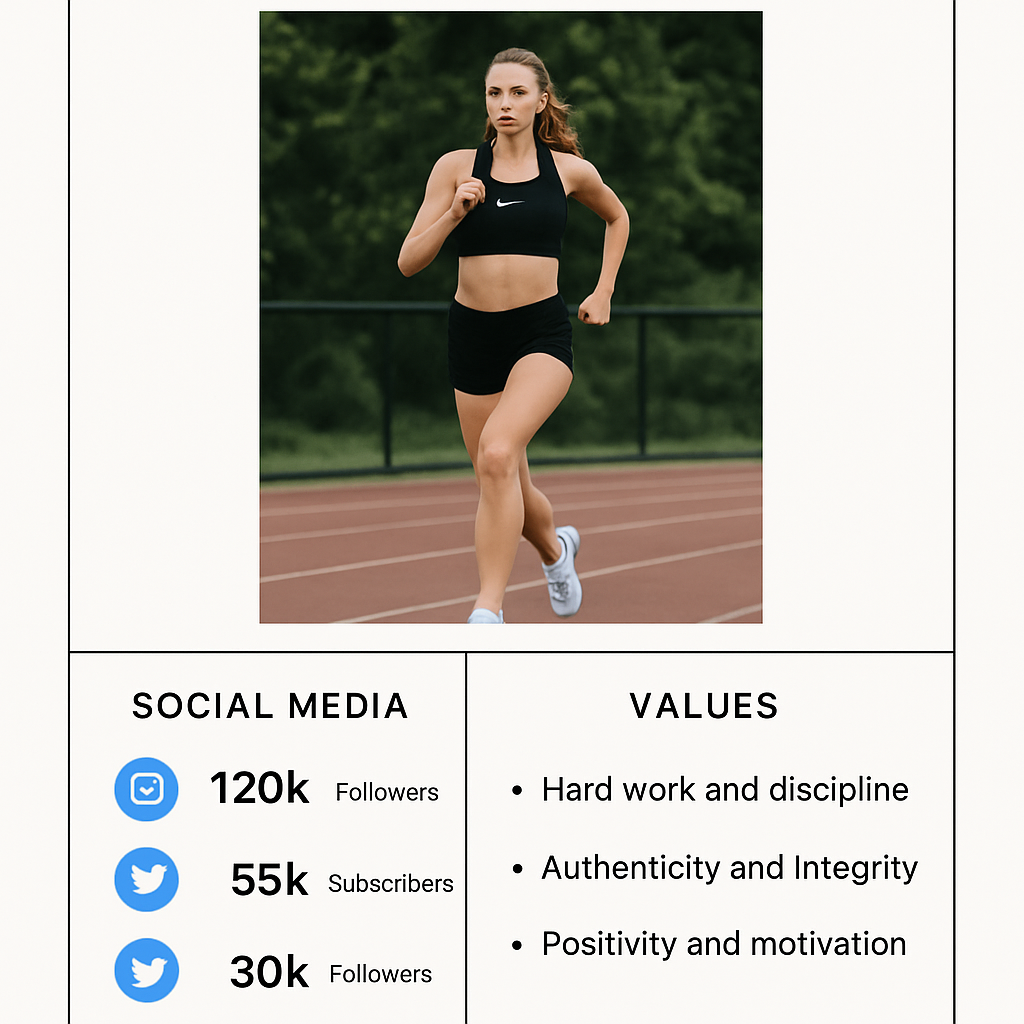
Securing a partnership usually requires more than just wearing a jersey; it demands that student-athletes actively market themselves to the Bradenton and Sarasota business community. This process starts with understanding personal branding, which is simply defining what an athlete stands for off the field—whether that is academic excellence, community service, or a specific hobby like fishing or gaming. By clearly articulating their identity, SCF athletes can find local sponsors whose values align with their own, making the partnership feel authentic rather than forced.
To present this brand professionally, athletes need a digital resume known as a media kit. Creating a professional athlete media kit helps players condense their story into a single, digestible document containing their biography, athletic statistics, and social media reach. This one-pager proves to a potential sponsor that the athlete takes the business relationship seriously and offers a clear snapshot of the audience a business can reach through the partnership.
Approaching a sponsor requires a shift in mindset from asking for favors to offering solutions. Effective Manatees sports marketing for student-athletes proposes value rather than asking for a donation; for example, a player might offer to host a meet-and-greet at a car dealership to drive foot traffic on a Saturday morning. This approach demonstrates that the athlete understands the business’s goals and is offering a specific service—like social media promotion or event attendance—in exchange for compensation.
Success in this arena creates ripples that go far beyond a semester’s spending money. Building professional networks through local business partnerships ensures that when athletes deliver on their promises and engage respectfully with owners, they cultivate a reputation that can lead to career opportunities well after their time at SCF concludes. These initial steps in branding and negotiation lay the groundwork for a broader professional future.
Your SCF NIL Roadmap: Building a Professional Future While Wearing the Manatee Blue
Seeing Manatees athletics through the lens of State College of Florida NIL deals shifts the focus from entertainment to professional development. You now recognize these agreements are less about payouts and more about equipping students with essential skills in entrepreneurship, financial literacy, and personal branding.
Student-athletes must review the SCF athletic department compliance guidelines before signing any contract to safeguard their eligibility. For local businesses, the path forward involves identifying players who share your values and exploring how a partnership can authentically engage the community.
This new era offers a unique chance to strengthen the bond between the campus and the local economy. By supporting these initiatives, you aren’t just sponsoring a sport; you are investing in the future leaders of the Sarasota-Manatee region and empowering them to build their careers long before graduation.
Learn More About the NIL Landscape
Name, Image, and Likeness plays an increasing role in college sports, and understanding how it works often requires more than individual articles or news updates.
RallyFuel is a platform focused on NIL-related topics across college athletics. It brings together information about athletes, NIL activity, and the broader structure behind modern college sports, helping readers explore the topic in more depth.
👉 Explore the Athletes on RallyFuel – Discover top college athletes, compare NIL valuations, and dive deeper into the world of NIL.
FAQ
Question: What exactly are SCF NIL deals, and how are they different from athletic scholarships or salaries? Short answer: NIL at State College of Florida lets student-athletes earn money from private businesses for marketing-style work—social posts, appearances, or small-run merchandise—without becoming college employees or getting paid to play. These deals are independent of scholarships and must not be “pay-for-play.” At the junior college level, most partnerships are direct, hyper-local collaborations with Bradenton–Sarasota businesses rather than big collectives or corporate contracts.
Question: What steps protect my NJCAA eligibility before I sign an NIL deal? Short answer: Disclose every proposed deal to the SCF athletic department in advance, as required by Florida law, so it can be vetted for compliance. Ensure the agreement meets three non-negotiables: no pay-for-performance (you’re paid for actual services like content or autographs), no recruiting inducements, and no unauthorized use of SCF/“Manatees” logos or uniforms without written permission. Transparency first, then negotiate.
Question: Can international SCF athletes on F-1 visas participate in NIL? Short answer: They face strict limits. Most U.S.-based NIL activity (sponsored posts, paid appearances) counts as unauthorized “work” under F-1 rules, even if money goes to a foreign account, risking visa status. Safer avenues are truly passive arrangements (e.g., royalties with no active work) or campaigns executed entirely outside the United States during breaks. Always consult SCF compliance and an immigration attorney before taking any action.
Question: What kinds of NIL opportunities are realistic for SCF Manatees, and what might they pay? Short answer: Expect grassroots partnerships: local social media endorsements (e.g., a restaurant post), in-person appearances (autograph signings, clinics, meet-and-greets), and limited-run personal merchandise. A typical local post may include a comped meal plus roughly $100–$500. These deals work because Manatees carry neighborhood trust that converts better for small businesses than broad, impersonal ads.
Question: How should domestic athletes handle NIL taxes and contracts? Short answer: Treat NIL income like 1099 independent contractor earnings. If you receive $600+ from a single business in a year, expect a 1099-NEC and be ready to pay your own taxes. Best practices: set aside about 30% of each payment for taxes, track legitimate business expenses (travel, content gear), and read every clause—avoid multi-year commitments that lock you in past graduation or a transfer. Building a clear personal brand and a one-page media kit will also help you pitch concrete value to local sponsors.



Leave a Comment