
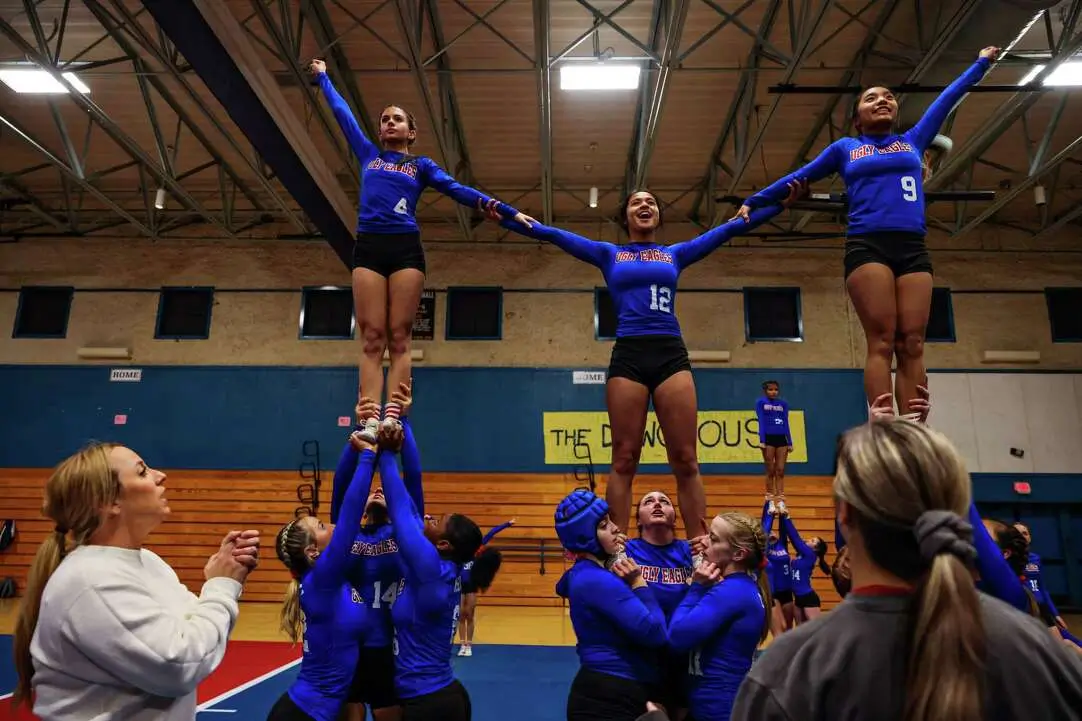
Picture an athlete running a digital lemonade stand, finally able to pocket the quarters dropped inside. Following the 2021 NCAA rule change, the era of NIL (Name, Image, and Likeness) revolutionized student athlete compensation overnight. While star quarterbacks instantly signed traditional NIL contracts for luxury vehicles, a far weirder economy quickly emerged on the sidelines.
You no longer need a Heisman trophy to cash in; you just need internet traction. Industry data reveals a major shift toward paying for influence, sparking an explosion of college stunt NIL deals. Local businesses are now happily paying backup linemen with funny last names to eat giant burritos on TikTok. These quirky viral campaigns prove that today’s true market value often stems from smartphone reach rather than on-field statistics.
Summary
This article explores how NIL opened an influence-driven marketplace where even non-star athletes monetize “stunt” deals—one-off viral posts that give local businesses affordable reach. It contrasts stunt versus performance deals, emphasizes compliance and disclosure (including USA Cheer rules and Title IX-supported resources), and distinguishes individual brand partnerships from donor-funded collectives. Athletes are advised to build a professional digital media kit (bio, audience data, engagement, and pitch ideas) to attract sponsors. It closes with practical business essentials—representation choices and 1099 tax planning—underscoring that stunt NIL deals are a durable feature of college sports.
The ‘Digital Lemonade Stand’: Breaking Down the Mechanics of a Viral Stunt Deal
Everyone knows the star quarterback makes millions driving a dealership’s truck, but the real magic happens further down the roster. This new ecosystem allows athletes to finally keep the quarters dropped into their jar, unlocking brilliant brand partnership opportunities for college cheerleaders, punters, and walk-ons. Local businesses—like neighborhood pizza joints or family HVAC companies—usually cannot afford massive television campaigns. Instead of paying for boring commercials, they buy viral moments through simple NIL contracts.
Learning how to build an athlete personal brand today reveals that market value is now driven by social media reach, not just game-day statistics. For small businesses, viral stunts offer incredible bang for their buck. The models differ drastically when you compare them:
- Performance Deals: Recurring brand ambassadorships awarded to star players based purely on athletic talent.
- Stunt Deals: One-off, highly shareable social posts paid to any athlete—like an HVAC company hiring a player named “Decoldest” to sell air conditioners.
Nailing this formula is the secret to monetizing collegiate cheerleading social media and bench-player meme accounts. When fans share a funny video, the local business gets massive exposure for pennies on the dollar, and the athlete cashes in. However, before filming an outrageous taco-eating contest, students must verify they aren’t breaking school rules or the terms of their NIL contracts.
Protecting Your Jersey: Navigating USA Cheer Compliance and Scholarship Risks
Imagine losing a full-ride scholarship just because you didn’t tell your coach about a $200 sponsored Instagram post for a local burger joint. Mastering the “Disclosure Rule” is the essential first step in protecting athletic eligibility during NIL negotiations. Whether you are an acrobat or a base, maintaining USA Cheer compliance means submitting every single brand contract or NIL contract to your school’s compliance office before you hit publish or cash the check.
Fortunately, the current landscape offers incredible financial upside for women’s sports, particularly regarding Title IX implications for cheerleading sponsorships. Because Title IX ensures universities provide equitable support across all programs, schools must offer the exact same educational resources for navigating NCAA name image likeness rules for stunt athletes as they do for the star quarterback. This legally mandated equity levels the playing field, empowering spirit squads to monetize their online presence safely.
Understanding where this money originates is also crucial, as athletes must differentiate between securing individual brand partnerships and receiving payouts from “collectives”—which are simply groups of wealthy fans pooling money to pay players. While collectives usually fund traditional sports, individual viral moments remain the absolute gold rush for spirit athletes.
From Backflips to Brand Deals: 4 Steps to Building a Portfolio That Attracts Sponsors
You don’t need a million followers to catch a sponsor’s eye; you just need the right people watching. Because your audience actively seeks out gravity-defying feats, this “niche engagement” is incredibly valuable. Local Main Street businesses want to reach your highly targeted fans, and this dedicated audience is also your best leverage for securing sports apparel brands for cheerleader partnerships. Companies always prefer paying focused athletes who actually use their gear over generic celebrities.
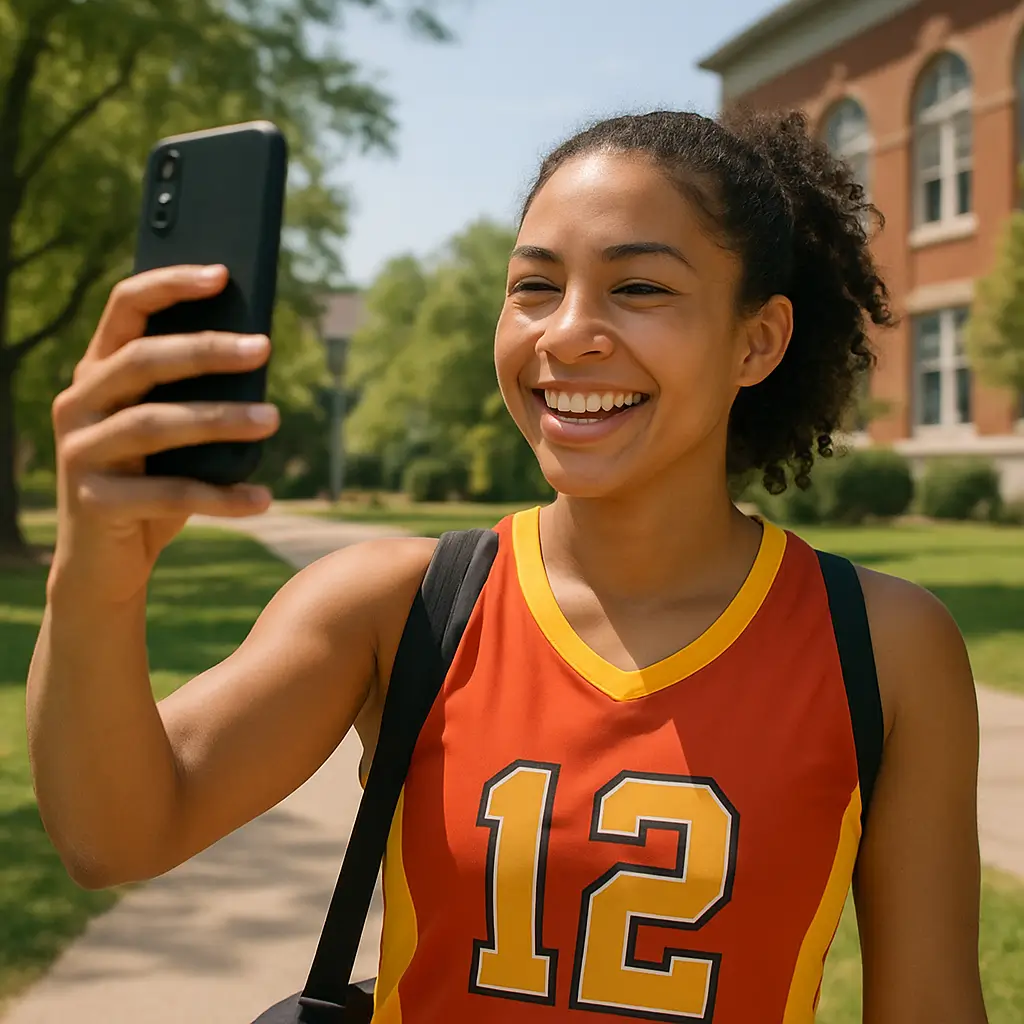
xTranslating those viral views into paychecks requires treating yourself like a business, starting by creating a stunt athlete portfolio for brands. Think of this “Digital Media Kit” as a modern resume that proves your bang for their buck to potential sponsors. A strong kit contains four essential parts:
- Personal Bio: A short summary of your unique athletic skills and personality.
- Audience Demographics: Social media screenshots showing exactly who watches your videos.
- Engagement Rates: Proof that your followers actively like and comment on your posts.
- Pitch Packages: Specific promotional ideas, like wearing a local pizza shop’s logo during practice.
Ultimately, maximizing influencer earnings in college athletics means proving you can get fans to buy what you promote. Presenting a professional package shows businesses you take their investment seriously.
Taxes and Teamwork: Surviving the Business Side of Your First NIL Contract
A backup punter reviewing local tacos on TikTok isn’t just a simple joke anymore; it’s a calculated business move—often tied to college stunt NIL deals. Today’s athletes are actively comparing the pros and cons of individual vs. team-wide deals to turn viral moments into legitimate businesses.
To execute a strategy for safe NIL participation, athletes must ask these questions before signing:
- Have I met the exact disclosure requirements for collegiate sports deals at my university?
- Am I comfortable negotiating stunt team endorsement contracts alone, or do I need representation?
- What is my plan for managing taxes on NIL income for students?
That final point is crucial. Because this compensation generates a standard 1099 tax form, players must estimate tax liabilities to avoid end-of-year financial surprises. College athletics will never revert to the old days. College stunt NIL deals aren’t just a passing viral fad—they are an empowering, permanent fixture of the modern game.
Learn More About the NIL Landscape
Name, Image, and Likeness plays an increasing role in college sports, and understanding how it works often requires more than individual articles or news updates.
RallyFuel is a platform focused on NIL-related topics across college athletics. It brings together information about athletes, NIL activity, and the broader structure behind modern college sports, helping readers explore the topic in more depth.
Q&A
Question: What is a “stunt” NIL deal, and how is it different from a performance deal?
Short answer: A stunt NIL deal is a one-off, highly shareable social post that pays for attention, not athletic status—think a local HVAC company hiring a player with a funny name to film a viral clip. Performance deals, by contrast, are recurring ambassadorships given to star athletes based on on-field excellence. Stunt deals give small businesses affordable reach and let any athlete with smartphone traction cash in.
Question: Do I need to be a star or have a huge following to land these deals?
Short answer: No. You need the right audience, not a million followers. Niche engagement—fans who actively seek your cheer stunts, memes, or position-specific content—has real value to local businesses. If your posts get shared and drive local buzz, you can monetize, even as a walk-on or backup.
Question: How do I protect my eligibility and scholarship when doing NIL?
Short answer: Follow the Disclosure Rule: submit every NIL/brand contract to your school’s compliance office before you post or get paid. This USA Cheer-aligned practice helps prevent eligibility issues—skipping disclosure over a $200 post can jeopardize a scholarship. Title IX also means your school must provide the same educational resources on NIL to spirit programs as it does to star athletes.
Question: What’s the difference between individual brand partnerships and “collectives”?
Short answer: Brand partnerships are direct deals with companies for specific content or campaigns (often perfect for viral stunt posts). Collectives are donor groups of fans pooling money to pay players, typically focused on traditional sports. For cheer and other spirit athletes, individual viral moments tend to be the primary—and most lucrative—path.
Question: What should go in my Digital Media Kit, and why does it matter?
Short answer: Include: 1) a concise personal bio, 2) audience demographics (screenshots help), 3) engagement rates, and 4) specific pitch packages (e.g., a pizza-logo practice video). A polished kit proves ROI, signals professionalism, and makes it easy for local businesses to say yes.
Question: How do taxes and representation work for stunt NIL deals?
Short answer: NIL income is typically reported on a 1099, so plan ahead by estimating taxes to avoid year-end surprises. Decide whether to self-negotiate or hire representation by weighing your comfort with contracts against potential fees. Before signing anything, confirm your university’s exact disclosure requirements and keep documentation organized.



Leave a Comment