
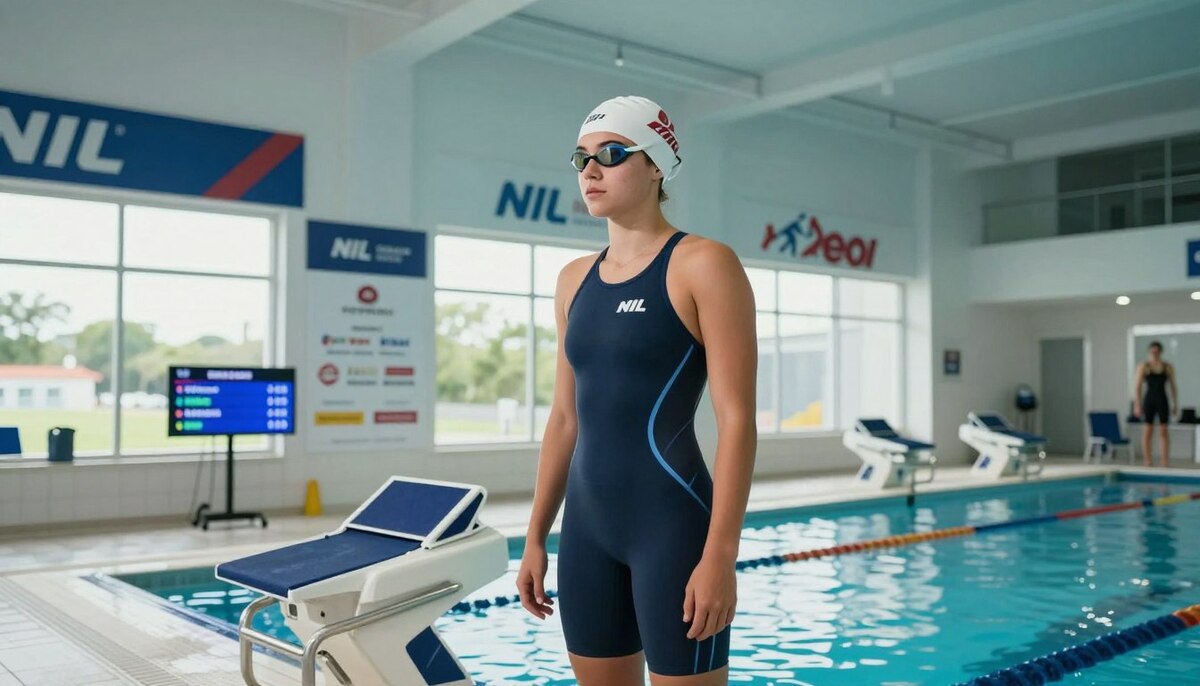
The world of collegiate swimming has changed dramatically since Name, Image, and Likeness (NIL) rules began allowing athletes to monetize their profiles. That shift gives swimmers greater control over building a lasting brand and reaching an audience without depending on major broadcast outlets. In this guide we’ll walk through a practical, step‑by‑step approach to Create a Sports Brand you can grow through digital channels, product offerings, and smart marketing choices.
Athlete branding is now a core part of a swimmer’s career toolkit: a clear brand identity helps convert fans into customers, attracts partners in the sports and apparel markets, and creates new revenue paths via digital content, merch and services. This article explains how to define your vision, craft a public identity, and produce the content and products that grow both your following and your bottom line.
The New Era of Athlete Branding in Swimming
The introduction of NIL created a practical pathway for swimmers to shape their own narratives and build meaningful relationships with fans and customers. That matters especially in swimming, a sports market where traditional media attention is episodic and averaged visibility is low compared with team sports.
Understanding the NIL Revolution in College Athletics
The NIL revolution changed college athletics by letting athletes monetize their name, image, and likeness — opening endorsement, content and product opportunities that previously flowed only through broadcasters or established brands. For swimmers this creates new routes to grow a personal brand, enter the apparel and sportswear market, and convert social followers into paying customers.
Why Swimmers Face Unique Visibility Challenges
Swimmers face structural visibility constraints that make a deliberate brand strategy essential. Two key factors stand out:
- The four‑year Olympic cycle concentrates attention in peak years and leaves long gaps in public awareness.
- Limited media coverage outside marquee events means fewer regular touchpoints with potential fans and customers.
The Four-Year Olympic Cycle Problem
The Olympic cycle causes interest spikes during Games years; between cycles many swimmers must invent ways to stay relevant. One effective way is to publish a steady stream of technical content, lifestyle pieces, and timed campaigns that keep an audience engaged year‑round.
Limited Media Coverage Outside Major Competitions
Because mainstream outlets often focus on major meets, swimmers are typically unseen for long stretches. That gap creates a marketing opportunity: smart athletes can use social channels and their own content to become the primary media voice around their careers, training, and product preferences, reaching fans and niche markets such as swim apparel buyers.
Despite these limits, many athletes are already turning the situation into advantage. By combining consistent content, targeted collaborations with industry partners, and small product drops timed to competition calendars, swimmers can build a resilient brand and reach customers in ways traditional media no longer provides. Next: specific tactics to translate this landscape into a step‑by‑step brand plan.
The Power of NIL for Aquatic Athletes
NIL has unlocked concrete financial and brand-building possibilities for swimmers, turning athletic performance into a foundation for long-term business activity. Aquatic athletes can now parlay race results, training expertise, and personal stories into revenue streams that include endorsements, merchandise, and digital products — moving a personal brand beyond podiums into the wider sports and fashion markets.
What NIL Means for Swimmers’ Financial Opportunities
With NIL rights, swimmers can sign endorsement deals, launch fan-facing product lines, or monetize educational content. That flexibility lets athletes experiment with different revenue models — from limited apparel drops to subscription coaching — and find what converts their specific audience into paying customers.
Success Stories from the Pool
Several high-profile swimmers have already used NIL to accelerate both recognition and revenue, offering useful playbooks for athletes at every level.
Case Study: Caeleb Dressel’s Brand Building
Caeleb Dressel has expanded his profile through active engagement on social channels and selective partnerships with sports and performance brands. Examples include product collaborations highlighting swim-specific materials and performance features, and social media activations that turn technical training clips into viral moments — a strategy that boosted his visibility and opened doors to apparel and sportswear partners.
Case Study: Katie Ledecky’s Sponsorship Strategy
Katie Ledecky demonstrates another path: aligning with brands that match her values and performance image. Ledecky’s partnerships emphasize product quality and long-term development (think training gear, technical swimwear, and recovery products), which reinforces her brand while appealing to fans who buy clothing and accessories tied to elite performance.
| AthleteNIL StrategyOutcome | ||
|---|---|---|
| Caeleb Dressel | Social media engagement, targeted brand collaborations, product features | Significant brand growth, higher merchandise sales, expanded reach to performance-minded customers |
| Katie Ledecky | Value‑aligned sponsorships, product endorsements in swimwear and recovery | Lucrative endorsements, stronger alignment with apparel and activewear markets |
These examples show two repeatable approaches: (1) build an engaged audience through authoritative content and convert that attention with limited product drops and brand partnerships; or (2) cultivate long-term sponsor alignments that emphasize quality, performance, and shared values. Both pathways can lead to sales of apparel, activewear, and other products if you match product design and messaging to the needs of your fans.
Quick Wins Swimmers Can Implement
- Publish one technical video weekly (technique + voiceover) to showcase performance expertise and attract a niche audience.
- Run a small merch test: 50‑unit swim caps or training shirts with clean design and a clear price point to validate demand.
- Pitch a micro‑collaboration to a local apparel brand highlighting fabrics and fit — small capsule partnerships are easier to negotiate and can lead to larger deals.
Assessing Your Personal Brand Potential
Your personal brand potential as a swimmer depends on more than lap times. In the digital era, a clear brand and public identity can open pathways to sponsorships, product collaborations, and sales to customers who value your perspective and products.
Identifying Your Unique Value Proposition as a Swimmer
Start by clarifying your unique value proposition (UVP): the specific combination of performance, personality, and purpose that makes your brand distinct. Your UVP helps you design products, messaging, and experiences that attract an audience and convert followers into customers. Consider these differentiators:
- Performance credentials: records, titles, or measurable improvements that demonstrate expertise.
- Personality and values: traits that create emotional connection and trust with fans.
- Community involvement: charitable work, clinics, or local programs that show commitment beyond competition.
- Digital reach and engagement: the quality of your social media interactions and the type of content your audience prefers.
As Forbes has observed, “A strong personal brand is built on authenticity, consistency, and a clear message.” Use that framework to shape a concise brand statement that captures who you are, who your brand serves, and what makes your offering different.
Evaluating Your Marketability Beyond Race Results
Race results are important, but marketability combines performance with how well you present and package yourself. Sponsors and product partners look for athletes who can reach relevant customers and deliver on brand promises through consistent content, visual identity, and product alignment.
Personality Traits That Attract Sponsors
Certain traits tend to increase sponsor interest. They include:
- Authenticity: being genuine in posts and partnerships.
- Resilience and positivity: narratives that inspire fans and media.
- Engagement: active interaction with your audience builds loyalty and repeat customers.
- Alignment: willingness to promote products that match your values and performance needs.
“The right sponsor can help elevate your brand, but it’s your personality and values that will make that partnership truly successful.” —
Industry Expert
Finding Your Niche in the Swimming Community
Choosing a niche helps focus your brand design and product strategy. Examples include technique-focused coaches, endurance specialists, masters swimmers turned mentors, or lifestyle athletes who combine fitness and fashion. A clear niche allows you to tailor designs, fabrics, and apparel lines for a defined customer segment.
Quick self-assessment checklist (rate 1–5):
- Do I have a one‑sentence brand statement that clearly says who I serve? (UVP)
- Does my content showcase expertise and personality consistently? (identity + content)
- Can I name one product or offering that fits my audience today? (product idea)
- Are my visuals and messaging consistent across platforms? (design + experience)
By mapping your UVP, evaluating marketability, and selecting a niche, you create a practical process to turn athletic credibility into a recognizable brand with products and experiences that attract loyal customers.
How to Create a Sports Brand Without Traditional Media Backing
Building a sports brand in today’s digital landscape requires a focused strategy that prioritizes authenticity and meaningful connections with fans. As traditional broadcast influence declines, athletes have new ways to shape their brand identity and reach target audiences through digital channels, product offerings, and community initiatives.
Defining Your Authentic Brand Identity
Begin by defining who you are as an athlete and what you stand for. Your brand identity should be a concise expression of your values, strengths, and long‑term vision — the foundation for all messaging, designs, and partnerships. Authenticity builds trust and helps convert casual followers into loyal customers.
Establishing Core Brand Pillars
Once you have a clear identity, create three to four brand pillars that guide decisions across content, product design, and partnerships. A simple template you can use:
- UVP (what you uniquely offer): e.g., “Technique-first coaching for competitive freestylers.”
- Values (how you behave): e.g., “Consistency, humility, and evidence-based training.”
- Visual & messaging style (how you present): e.g., “Clean, performance-focused designs with technical callouts.”
These pillars help you stay consistent when choosing apparel designs, product lines, or campaign themes — and they make it easier for customers to understand what your brand stands for.
Crafting a Compelling Personal Narrative
Your personal narrative ties your pillars together into a story that resonates. Focus on a clear arc: origin (where you started), challenge (what you overcame), and current mission (how you help others). That story should appear across social bios, product descriptions, and press pitches.
Storytelling Techniques for Athletes
Use these practical storytelling techniques to bring your narrative to life:
- Show, don’t just tell — use short video clips or photos that demonstrate training details or product performance.
- Share authentic setbacks and the lessons learned to build emotional connection.
- Highlight hard work and measurable progress to reinforce credibility and performance orientation.
Micro-CTA: Draft a 30‑second brand statement today — one sentence that names your audience, your offering, and the key benefit (e.g., “I help young distance swimmers improve endurance with practical drills and durable activewear”). Use that line as the headline for your bio and product pages.
Building Your Digital Presence as a Swimmer
In today’s market, a strong digital presence is essential for any swimmer who wants to turn performance into a viable brand. A focused online footprint increases visibility, connects you with fans and potential customers, and creates pathways for partnerships with apparel and product partners.
Platform Selection Strategy for Aquatic Athletes
Choose platforms based on the objective you want to achieve — different platforms serve different roles in a cohesive marketing strategy. Below is a quick reference to help you pick the right mix:
- Instagram — storytelling, lifestyle, and product visuals (use for brand identity and apparel showcases).
- YouTube — long-form technique breakdowns and training videos (use for authority and performance education).
- TikTok — short, highly shareable clips and trends (use for reach and engaging new audiences).
- Twitter/X — real-time updates and conversation around competitions (use for announcements and press engagement).
Instagram Best Practices for Swimmers
Instagram is ideal for presenting a cohesive visual identity and converting followers into customers. Practical tips:
- Post consistently: 3–5 feed posts per week + daily Stories to maintain top‑of‑mind awareness.
- Use 5–10 relevant hashtags per post (mix niche swim tags and broader fitness/apparel tags).
- Feature product close-ups that highlight materials, fit, and performance benefits to drive apparel or product sales.
- Use Instagram Shopping or link-in-bio tools to create a seamless path from content to purchase.
Twitter for Competition Updates and Engagement
Twitter (X) is best for fast updates and connecting with journalists, other athletes, and fans. Use it to:
- Share live competition results and short reflections.
- Amplify longer content (link to YouTube or blog posts).
- Join industry conversations and tag relevant brands or influencers to broaden reach.
Content Strategies That Resonate with Swimming Fans
Mix content types to serve different parts of the funnel — awareness, engagement, and conversion. Match formats to platform strengths and your brand pillars.
Training Insights and Technical Content
Technical content positions you as an expert and appeals to an audience who values performance. Formats and micro-formats to try:
- YouTube: 8–12 minute technique deep dives with clear takeaways.
- Instagram: 60–90 second training clips highlighting one drill or metric.
- TikTok: 15–45 second tip clips or drill demonstrations that can go viral.
Lifestyle and Behind-the-Scenes Content
Behind-the-scenes content builds affinity and humanizes your brand. Ideas:
- Daily Stories showing training day routines, recovery rituals, or travel moments.
- Weekly posts on nutrition, gear choices, and product tests (call out materials and fit for apparel items).
- Q&A sessions to answer fan questions and increase engagement.
Content TypePlatformPurpose
| Content TypePlatformPurpose | ||
|---|---|---|
| Training Insights | Instagram, YouTube | Establish authority, drive long-form engagement |
| Behind-the-Scenes | Instagram, Twitter | Build personal connection, increase repeat audience |
| Competition Updates | Share results, capture real-time attention |
Micro-formats and conversion tips:
- Repurpose 1 long YouTube video into 4–6 short clips for TikTok and Reels to maximize content ROI.
- Include a clear CTA in each post that guides followers to a landing page, email signup, or product page, turning attention into customers.
- Use simple analytics (engagement rate, click-throughs, conversion rate) to measure what content drives product interest and refine your approach.
By selecting the right platforms, tailoring content to audience needs, and emphasizing product and apparel details when appropriate, you can build a digital presence that grows your brand, attracts partners, and converts followers into paying customers.
Leveraging Video Content Without TV Networks
The rise of online platforms means swimmers can use video as their primary broadcasting channel to build a brand, reach a wider audience, and drive product interest without traditional TV exposure. Smart video content turns training knowledge, personality, and product demos into measurable engagement and conversion.
YouTube as Your Personal Broadcasting Channel
YouTube is the place for long‑form storytelling, technical authority, and deeper product demonstrations. A basic cadence to start with:
- One long video per week: 8–12 minutes technique breakdowns, race analysis, or training vlogs (example title: “5 Freestyle Drills That Improve Turn Speed — Drill + Demo”).
- Include product mentions and materials notes (e.g., fabrics, fit) where relevant to link performance to apparel or gear.
- Add clear chapter markers and CTAs in the description to drive viewers to your merch page or email list.
Short-Form Video Strategies for TikTok and Instagram
Short-form formats are ideal for discovery and rapid follower growth. Use them to amplify your long-form content and showcase personality:
- Post 2–4 short clips per week: 15–45 seconds showing a single drill, a training hack, or a behind‑the‑scenes moment.
- Repurpose long-form content into 4–6 short clips with different hooks (technique, challenge, result) to maximize reach.
- Use trending music and 3–5 targeted hashtags (mix niche swim tags and broader fitness tags) to increase discoverability and attract potential partners in sportswear and activewear.
Live Streaming Opportunities for Swimmers
Live streaming creates real-time connection and can boost community loyalty and product conversion. Try a regular schedule to build habit:
- Weekly 30–45 minute live: technique breakdown, Q&A, or post-race analysis where you field fan questions and highlight products in use.
- Use live shopping features or pinned links to convert viewers into customers during the stream.
Technique Breakdowns and Analysis
Use a mix of camera angles and slow-motion clips to make technique content accessible. Tag videos with specific terms (“stroke rate,” “turn technique”) so searchers and coaches can find your performance content.
Q&A Sessions and Fan Engagement
Host Q&A sessions to deepen relationships with fans and influencers. Invite other athletes or product partners for short interviews to cross-pollinate audiences and reach new customers.
| PlatformContent TypeEngagement Potential | ||
|---|---|---|
| YouTube | In-depth technique analysis, vlogs | High (longer watch time, stronger authority) |
| TikTok | Short-form videos, challenges | Very High (fast discovery, viral potential) |
| Short-form videos, stories | High (visual identity + shopping integration) |
Suggested weekly upload cadence to start: 1 long-form YouTube video, 3–4 short clips across TikTok/Reels, and 1 live session. This way of working builds authority, fuels discovery, and creates regular touchpoints to showcase performance, design-led apparel demos, and product launches to an engaged audience.
Monetization Strategies for Swimmers Under NIL
Since the NIL era began, swimmers can turn reputation and performance into multiple revenue streams. Diversifying income helps make a swimming brand resilient — mix sponsorships, product sales, and digital services to create steady business momentum and scale sales over time.
Swimming-Specific Sponsorship Opportunities
Sponsorships remain a primary revenue channel. For swimmers, practical sponsorship types include:
- Equipment and apparel partnerships: Collaborations with swimwear, goggles, recovery gear, or training tool brands that emphasize performance and materials like hydrophobic fabrics and compression textiles.
- Non‑endemic brand collaborations: Deals with lifestyle, tech, or wellness brands that expand your audience and create alternate revenue streams beyond the traditional sportswear market.
Merchandise and Product Development
Product sales through owned channels allow you to capture more margin and strengthen brand affinity. Start small and validate demand before scaling:
- SKU examples: branded swim caps, training shirts, compression shorts, and training bands — 50–200 unit test runs to measure interest.
- Design notes: prioritize simple, on‑brand designs that showcase performance features (materials callouts, fit notes) so customers understand product benefits.
- Fulfillment tips: use print‑on‑demand or a local cut-and-sew partner for initial runs to reduce inventory risk; transition to bulk manufacturing as demand proves out.
Digital Products and Services
Digital offerings can scale and often have high margins. Ideas that fit swimming brands include:
- Online coaching packages: 4‑week training packs, technique analysis sessions, or subscription coaching tiers with video feedback.
- Downloadable guides and drill packs: Packaged workouts, stroke drills, or recovery protocols priced as one‑time purchases or bundled in tiered packs.
- Virtual clinics and ticketed events: Host monthly live workshops or masterclasses and sell access or recorded replays.
Combining Products and Content to Drive Sales
Use content to create product demand: demonstrate gear in a technique video, highlight fabric benefits with close-ups, and link to the product page. Typical funnels work well — awareness via short social clips, education via a long-form video, and conversion via a limited product drop or coaching offer.
Quick Monetization Playbook
- Run a 50‑unit merch test (cap or tee) with a clear landing page and track conversion rate.
- Launch a low‑price 4‑week coaching pack to validate demand for digital products.
- Pitch a micro‑collab to a local apparel brand emphasizing materials and performance benefits; negotiate a small revenue share or upfront fee.
By pairing well‑designed products, concise product messaging (materials, fit, performance), and a content-driven funnel, swimmers can build a scalable brand that turns fans into customers and creates repeat sales across apparel, gear, and digital offerings.
Working with Representatives to Amplify Your Brand
Scaling a swimming brand often requires strategic partnerships with experienced representatives and industry partners. The right professional relationships help you access sponsorships, negotiate deals, and execute marketing campaigns while you focus on performance and content.
When and How to Partner with Agents
Consider engaging an agent when your outreach or deals exceed the time you can realistically manage, or when opportunities require negotiation expertise. Look for representation with demonstrable experience in the swimming world and a transparent fee model. Selection criteria to use:
- Proven track record with athletes in aquatic sports or related brands.
- Clear commission structure and reporting cadence.
- Relevant industry contacts — apparel, sportswear, and media partners.
- Willingness to align deals with your brand identity and long‑term vision.
Building Your Team
Beyond an agent, assemble a small, focused team that covers areas you can’t scale alone: a marketing specialist who understands athlete audiences, a creative (designer/photographer) for visual identity and product designs, and a financial or business adviser to manage contracts and cash flow.
Finding Swimming‑Knowledgeable Marketing Help
Prioritize marketers who know how to reach swim audiences and convert engagement into sales. Ask for case studies showing growth in followers, engagement, or product sales for athletes or niche sports brands. Small agencies or freelance marketers often deliver higher quality and agility for early-stage brands.
Legal Considerations for NIL Deals
Always run deals through a basic compliance and contract review process before signing. A short due‑diligence checklist:
- Verify exclusivity clauses and potential conflicts with team or school sponsors.
- Confirm payment terms, deliverables, and cancellation conditions.
- Ask for written confirmation that the deal complies with your institution’s NIL policies.
- Have a lawyer or experienced advisor review any language that limits future rights or assigns intellectual property.
Balancing Professional Relationships with Authenticity
Professional representation should amplify your authentic voice, not replace it. Insist that partners and partners’ proposals align with your values and audience expectations. A strong alignment protects long‑term brand equity and keeps customers and fans trusting your message.
Micro‑CTA: Draft a one‑page brief for potential partners that includes your UVP, audience profile, recent performance metrics, and the types of deals you’re open to — use this as a screening document in initial conversations.
Building Community Around Your Swimming Brand
Building a community goes beyond collecting followers — it means creating a group of engaged people who champion your brand, buy your products, and amplify your message. For swimmers, a vibrant community is one of the most reliable ways to grow audience reach and long-term revenue.
Engaging with Swimming Fans and Enthusiasts
Turn passive followers into active participants with specific, repeatable actions:
- Host a monthly live Q&A or “Training Clinic” session to answer questions and demonstrate drills.
- Post interactive prompts (polls, AMA stickers, caption contests) to boost comment rates and measure engagement.
- Convert followers into a mailing list or Discord group to build a closer connection with your most engaged audience.
Key metrics to track community health: engagement rate (likes+comments per post divided by followers), repeat event attendance, and conversion rate from content to newsletter or product sales.
Collaborating with Other Aquatic Athletes
Joint projects expand your audience and add credibility. Practical collaboration ideas:
- Co‑host a weekend virtual clinic with another swimmer and split ticket revenue.
- Run a paired content series (e.g., coach vs. athlete drills) to cross‑pollinate followers.
- Organize a small in‑person meet‑up or pop‑up demo near competition weekends to connect with local fans and sell limited edition clothing or gear.
Creating Value Through Swimming Education
Educational offerings position you as an authority and create monetizable experiences. Options with clear demand:
- Short drill packs and downloadable training plans sold as a “starter pack.”
- Paid video clinics or subscription access for technique breakdowns.
- Free entry-level content (blog posts, short videos) that funnels people into paid products or classes.
Youth Engagement and Inspiration
Engaging young athletes builds long-term loyalty and amplifies brand reach through families and local clubs. Run initiatives like free two‑week junior clinics, school visits, or coach Q&A sessions to inspire the next generation and introduce your apparel or product lines to parents and teams.
Contributing to Swimming’s Growth
Give back through measurable actions that grow the sport: host charity lanes at meets, donate a portion of product sales to local swim programs, or mentor junior athletes. These activities reinforce your brand values and create meaningful stories to share with your audience.
Community is both an audience and a product channel. Use monthly events, collaboration projects, and educational offerings to create repeat interactions, measure success with clear KPIs, and drive product interest — whether that’s clothing drops, training packs, or ticketed clinics.
“The way to get started is to quit talking and begin doing.” – Michael Phelps, Olympic Swimmer
Navigating NIL Regulations and Compliance
NIL regulations have created new opportunities for college swimmers, but understanding the rules and following a clear process is essential to protect eligibility and preserve your brand identity. Rules differ by state and institution, so treat compliance as a routine part of your brand workflow rather than an afterthought.
Understanding Current NIL Rules for College Swimmers
Most current NIL frameworks allow college swimmers to earn money from their name, image, and likeness without losing eligibility, but specifics vary. Before signing a deal, confirm the applicable institutional and state rules, and allow time for any required approvals — compliance checks can take days to weeks depending on the institution.
Working with Your School’s Compliance Department
Your school’s compliance office is a critical part of the process. Notify them early in deal talks and provide full documentation (proposal, contract, partner details). They will usually confirm whether the opportunity fits school policies and may advise on disclosure or reporting requirements.
Avoiding Common NIL Pitfalls in Swimming
Common issues to watch for include conflicts with team sponsors, unclear exclusivity clauses, and complications when competing internationally. Use a simple contract review flow to reduce risk and preserve time for performance and content creation.
Conflicting Sponsorships with Team Deals
Conflicting sponsorships are a frequent problem: a personal deal with a competing brand can violate team agreements. Always cross‑check potential partners against your team’s official sponsor list and disclose any overlaps to your compliance office before proceeding.
International Competition Considerations
International events may introduce different rules or tax implications. If you plan to compete or promote products abroad, research the host country’s regulations and consult your institution’s compliance resources or legal advisor to ensure you meet both U.S. and foreign requirements.
| NIL AspectConsiderationAction Required | ||
|---|---|---|
| Conflicting Sponsorships | Potential conflicts with team or school sponsors | Review team contracts and sponsor lists; notify compliance office |
| International Competitions | Different rules or tax implications abroad | Research foreign rules; consult compliance/legal advisors |
Quick Compliance Checklist (3‑Step Process)
- Log the opportunity: record partner name, offer, deliverables, and proposed timeline in your deals log.
- Check for conflicts: compare partner against team sponsors and institutional policies; flag exclusivity or IP clauses.
- Notify compliance and request approval: submit contract and await written confirmation before publicizing or performing deliverables.
Following a simple process saves time, protects your eligibility, and preserves the long‑term value of your brand. For authoritative guidance, consult your school’s compliance office and refer to official resources such as your conference or state athletic association’s NIL guidance.
Conclusion: Diving Into Your Brand Future
The NIL era has fundamentally changed how swimmers build and grow a public profile. Rather than depending on major television exposure, you can use digital channels, product offerings, and targeted marketing to build a resilient brand that connects with fans and converts them into customers. The strategies covered here — from defining a UVP to producing video content and launching product tests — create a clear pathway to long‑term business success.
Getting started is simpler than it feels. Follow this three‑step action plan to begin building your sports brand today:
- Craft a 30‑second brand statement. Name your audience, what you offer, and the main benefit (example: “I help young competitive swimmers improve stroke efficiency with practical drills and performance‑tested apparel”).
- Choose two platforms and a content cadence. Pick one long‑form platform (YouTube) and one short‑form platform (TikTok or Instagram Reels). Aim for 1 long video + 3 short clips per week to build authority and discovery.
- Plan a first monetization test. Launch a small product drop or a 4‑week training pack to validate demand — track conversions, feedback, and repeat buyers.
Track simple metrics to measure progress: engagement rate, email signups, product conversion rate, and repeat purchase rate. Those numbers tell you what your audience values and where to invest your time.
Final CTA: download a one‑page checklist (brand statement, platform choices, first content calendar, and a basic compliance checklist) or subscribe to get a starter template for your first merch drop and content plan. Take the first step this week — the fastest way to build a meaningful brand is to start shipping content and products that reflect your vision.
FAQ
What is NIL and how does it impact swimmers?
NIL stands for Name, Image, and Likeness. For swimmers, it enables earning from a public profile through sponsorships, merchandise, coaching products, and other ventures—making it possible to build a personal brand and reach customers without relying on traditional broadcasters.
How can swimmers create a sports brand without major television networks?
Swimmers can Create a Sports Brand by defining an authentic brand identity, establishing clear brand pillars, and telling a consistent personal story across platforms. Use social media, YouTube, and short‑form video to grow an audience, then convert attention into sales with product drops, paid programs, or partnerships.
What are some successful NIL strategies for swimmers?
Effective strategies include producing regular, valuable content; partnering with brands that match your values; testing small product runs (apparel or gear); and offering digital products like technique packs or coaching subscriptions. High‑profile athletes provide useful examples, but small, consistent wins often scale better for most athletes.
How can swimmers navigate NIL regulations and compliance?
Rules differ by state and institution. Always log deals, check for conflicts with team sponsors, and submit contracts to your school’s compliance office before accepting work. When in doubt, ask for written approval and, for complex agreements, consult an advisor to protect your eligibility and brand.
What role do representatives play in amplifying a swimmer’s brand?
Agents and marketing partners can open doors to sponsorships, negotiate terms, and help scale campaigns. Seek partners with relevant industry contacts and transparent fee arrangements, and use a one‑page brief to screen potential partners quickly.
How can swimmers build a community around their brand?
Build community with regular live Q&As, clinics, and educational content. Drive fans into an owned channel (newsletter or Discord) and measure engagement rate, repeat attendance, and conversion to paid products to see what resonates with people.
What are some monetization strategies available to swimmers under NIL?
Monetization options include sponsorships, limited apparel or gear drops, digital products (training packs, coaching tiers), and ticketed clinics. Use content to demonstrate product value and create a simple funnel: awareness → education → product offer.
How can swimmers leverage video content to build their brand?
Create long‑form tutorials on YouTube and repurpose clips into short reels and TikToks for discovery. Include clear CTAs and product mentions in descriptions to guide an interested audience toward your shop or training packs.

Leave a Comment