
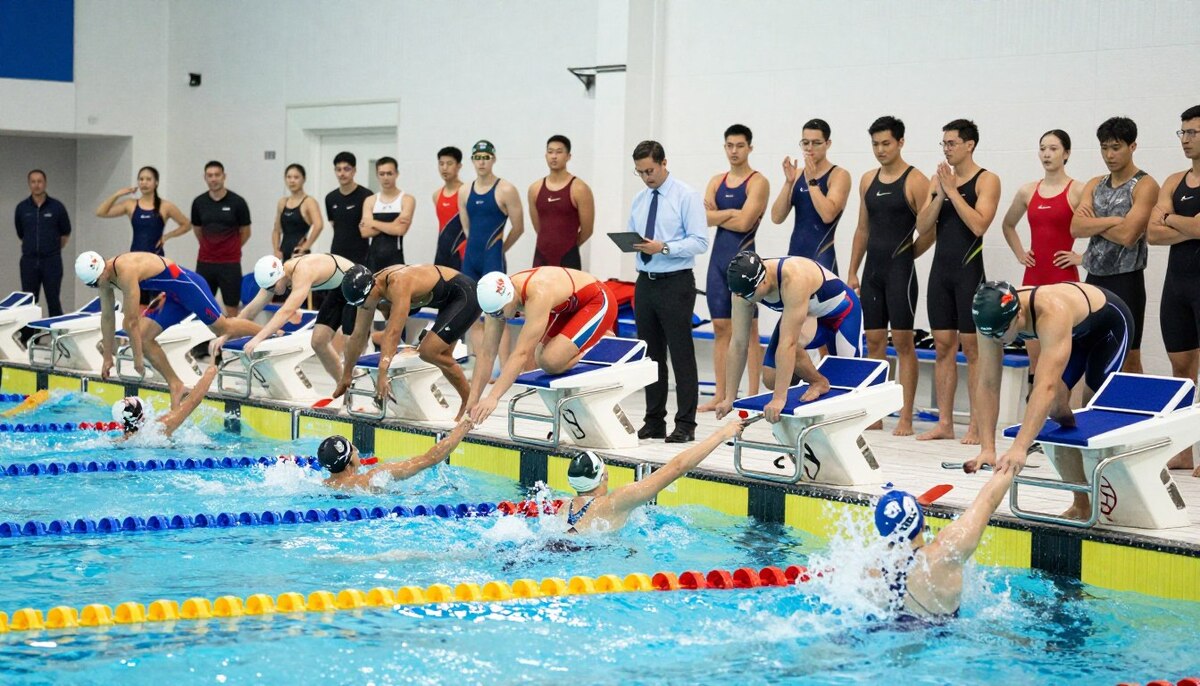
The introduction of Name, Image, and Likeness (NIL) policies has revolutionized collegiate sports, presenting both opportunities and challenges for athletes. As we explore the impact of NIL on collegiate swimming, we examine whether individual success can align with team unity.
The NIL policy allows athletes to capitalize on their name, image, and likeness through athlete endorsements, creating new avenues for financial gain and personal branding. However, this shift raises questions about the balance between individual ambition and team cohesion in sports like swimming, where teamwork is essential.
The rise of NIL in swimming has introduced new opportunities — and new tensions — within collegiate programs. Unlike revenue-dominant sports, swimming operates in a hybrid model: athletes compete individually but train and score as a team.
This creates a unique dynamic where personal sponsorship growth can intersect with collective team identity. Understanding team vs individual NIL dynamics is essential for programs navigating this shift.
As we delve into this topic, we consider the perspectives of athletes, coaches, and fans to provide a comprehensive understanding of the NIL era’s implications on collegiate swimming.
Key Takeaways
- The NIL policy has introduced new financial opportunities for collegiate swimmers through athlete endorsements.
- Balancing individual success with team unity is a growing challenge in collegiate swimming.
- Athletes, coaches, and fans must navigate the complexities of NIL policies.
- The impact of NIL on team dynamics in collegiate swimming is a multifaceted issue.
- Understanding the NIL era’s implications is crucial for the future of collegiate sports.
NIL for Swimmers
NIL in swimming differs from sports with massive media exposure. Swimmers often rely on:
-
Social media storytelling
-
Local sponsorships
-
Performance-driven visibility (championship meets)
-
Technique and training content
Because broadcast exposure is limited, swimmer endorsements frequently depend on personal branding strength rather than national airtime.
This reinforces the importance of developing authentic digital presence.
Balancing Individual Branding with Team Unity
The core challenge of team vs individual NIL lies in perception. When one swimmer secures strong swimmer endorsements, it can unintentionally create imbalance within a roster.
Programs must manage:
-
Locker room dynamics
-
Public recognition gaps
-
Perceived favoritism
-
Sponsorship alignment conflicts
Successful implementation of NIL in swimming requires transparency and communication to prevent individual branding from disrupting team culture.
The strongest programs frame NIL as additive — not competitive.
Case Studies
Case Study 1: Championship Visibility Spike
A swimmer wins a conference title and sees a rapid increase in swimmer endorsements. The program integrates media exposure into team storytelling, reinforcing collective pride rather than individual separation.
Case Study 2: Social Media-Driven Growth
An athlete builds a niche training-content channel, strengthening personal branding without overshadowing teammates. Here, team vs individual NIL balance is maintained through shared recognition.
These examples show how NIL in swimming can either strain or strengthen team cohesion depending on strategy.
The Dawn of NIL in Collegiate Swimming
NIL policies have transformed the landscape of collegiate athletics, presenting both opportunities and challenges for swimmers. The National Collegiate Athletic Association (NCAA) has played a pivotal role in this transformation.
What NIL Means for Student-Athletes
NIL refers to the Name, Image, and Likeness of a student-athlete, allowing them to profit from their own brand without losing their eligibility. This change has opened new revenue streams for collegiate swimmers.
The 2021 NCAA Policy Change
In 2021, the NCAA implemented a policy change allowing student-athletes to engage in NIL activities. This shift marked a significant departure from previous rules that prohibited such earnings.
Legal Framework and Limitations
The legal framework surrounding NIL is complex, with both federal and state laws influencing its implementation. Swimmers must navigate these regulations carefully to avoid jeopardizing their eligibility.
The Unique Position of Swimmers in the NIL Landscape
Swimmers occupy a distinct position within the NIL landscape due to the nature of their sport. Unlike team sports with high media visibility, swimming faces unique challenges.
Olympic Cycles vs. Collegiate Seasons
Swimmers often train within Olympic cycles, which can conflict with collegiate seasons. This discrepancy affects their marketability and NIL opportunities.
Swimming’s Media Visibility Challenges
Swimming suffers from relatively low media visibility compared to other sports. This limited exposure impacts swimmers’ ability to capitalize on NIL opportunities.
Understanding Swimming’s Dual Nature: Individual Performance vs. Team Success
Swimming is a unique sport that combines individual performances with team success, creating a complex dynamic that athletes, coaches, and fans must navigate. This duality is at the heart of collegiate swimming, where athletes compete in individual events but also contribute to their team’s overall score.
The Paradox of Swimming as a Team Sport
Swimming presents a paradox: it’s a team sport where athletes compete individually. This paradox is evident in the structure of collegiate swimming competitions.
Individual Events and Personal Records
In individual events, swimmers focus on achieving personal best times and placing well in their respective events. Personal records are crucial, as they influence a swimmer’s ranking and contribute to the team’s overall score.
Relay Events and Point Systems
Relay events add another layer to the team dynamic, as swimmers contribute to a collective effort. Point systems in collegiate swimming competitions reward both individual and relay performances, emphasizing the importance of every event.
How Team Dynamics Traditionally Function in Swimming
Despite the individual nature of swimming, team dynamics play a crucial role in an athlete’s success. Training groups and peer motivation are essential components of a swimmer’s environment.
Training Groups and Peer Motivation
Training groups create a collaborative environment where swimmers push each other to improve. Peer motivation is a key factor in driving athletes to achieve their best performances.
Team Culture in American Collegiate Swimming
The culture within American collegiate swimming teams varies, but it often emphasizes camaraderie, hard work, and mutual accountability among athletes. This culture is fostered through team practices, social events, and competitive experiences.
Swimming in the NIL Era: Early Adopters and Success Stories
As the NIL era transforms collegiate swimming, we’re seeing a new generation of athletes capitalize on their marketability. The landscape is rapidly evolving, with various opportunities emerging for swimmers to build their personal brands.
Valuing Swimming in the NIL Era
As NIL continues to reshape swimming, value is no longer defined solely by podium finishes or national titles. Swimming NIL value now varies widely across levels, with elite athletes, consistent finalists, and even developmental swimmers finding different paths to monetization through audience engagement, digital presence, and platform-enabled support.
While top performers benefit from visibility tied to championships and international events, many swimmers generate NIL value through niche communities, instructional content, and fan-backed platforms that emphasize direct connection over mass exposure. This shift reflects a broader cultural change in how swimming is valued in the NIL era.
Profiles of Swimmers Who Have Capitalized on NIL
Several swimmers have already made significant strides in leveraging NIL opportunities. Let’s look at some notable examples.
Olympic Medalists and Their Endorsements
Olympic medalists are among the most sought-after athletes for endorsements. For instance, Caeleb Dressel has partnered with several major brands, leveraging his success in the pool to build a lucrative personal brand.
Rising Stars Building Their Brands
Rising stars in collegiate swimming are also making waves in the NIL landscape. Athletes like Lily Jacob are using their growing popularity to secure endorsement deals and build their personal brands through social media.
Types of Endorsements and Opportunities Available
Swimmers have access to a variety of endorsement opportunities, ranging from swimming-specific brand partnerships to lifestyle and non-sport endorsements.
Swimming-Specific Brand Partnerships
Many swimmers partner with brands closely associated with their sport, such as Speedo or TYR. These partnerships often involve promotional activities, product endorsements, and collaborative marketing efforts.
Lifestyle and Non-Sport Endorsements
Beyond swimming-specific brands, athletes are also partnering with lifestyle and non-sport brands. For example, some swimmers have partnered with fitness apparel brands or nutrition companies.
Content Creation and Social Media Monetization
Content creation and social media monetization have become vital components of an athlete’s personal brand. Swimmers are leveraging platforms like Instagram and YouTube to build their audiences and generate revenue through sponsored content and affiliate marketing.
| Athlete | Endorsement Type | Brand |
|---|---|---|
| Caeleb Dressel | Swimming-Specific | Speedo |
| Lily Jacob | Lifestyle | Nike |
| Katie Ledecky | Non-Sport | Coca-Cola |
The Financial Reality: NIL Earning Potential in Swimming
As NIL policies continue to evolve, understanding the financial implications for swimmers becomes increasingly crucial. The ability to profit from their name, image, and likeness has opened new doors for collegiate athletes, but the extent of these opportunities varies widely across different sports.
Comparing NIL Opportunities Across Different Sports
Swimming, while a popular collegiate sport, often finds itself overshadowed by revenue-generating sports like football and basketball. This disparity is reflected in NIL opportunities, where top-tier football and basketball players tend to secure more lucrative deals.
Swimming vs. Revenue Sports (Football, Basketball)
When comparing NIL earnings, swimmers generally lag behind their counterparts in football and basketball. For instance, a top college football quarterback can earn millions through NIL deals, while a top swimmer might earn significantly less.
| Sport | Average NIL Earnings |
|---|---|
| Football | $500,000 - $1,000,000 |
| Basketball | $300,000 - $800,000 |
| Swimming | $10,000 - $50,000 |
Gender Disparities in Swimming NIL Deals
Within swimming, there are also gender disparities in NIL earnings. Male swimmers, particularly those competing in high-profile events, tend to secure more lucrative deals than their female counterparts.
Factors That Influence a Swimmer’s Marketability
A swimmer’s marketability is influenced by several factors, including their performance level, championship success, personality, and public appeal.
Performance Level and Championship Success
Swimmers who excel at the national level, particularly those winning championships, significantly boost their marketability. Their success on the podium translates into greater visibility and attractiveness to potential sponsors.
Personality and Public Appeal
An athlete’s personality and public image play a crucial role in their marketability. Swimmers with a strong social media presence and an engaging personality are more likely to attract endorsement deals.
The Role of Social Media in Building a Personal Brand
Social media is a powerful tool for swimmers to build their personal brand. By leveraging platforms like Instagram and TikTok, athletes can increase their visibility and appeal to sponsors.
Platform Selection and Content Strategy
Choosing the right social media platforms and developing a consistent content strategy are key to building a strong personal brand. Swimmers must be authentic and engaging to attract and retain followers.
Authenticity vs. Commercialization
While commercialization can be lucrative, maintaining authenticity is crucial. Swimmers must balance sponsored content with genuine, personal posts to keep their audience engaged.
The Tiered Reality: NIL Impact Across Different Levels of Swimming
The NIL era has brought about a tiered reality in swimming, affecting athletes differently based on their level of success. This disparity is evident when comparing the opportunities available to Olympic-level swimmers, mid-tier conference champions, and regular roster swimmers.
Olympic-Level Swimmers and Their Advantage
Olympic-level swimmers have a significant advantage in the NIL landscape. Their international success and recognition open up more substantial endorsement opportunities.
Leveraging International Success for NIL Opportunities
Swimmers who have achieved success on the Olympic stage can leverage their fame to secure lucrative endorsement deals. For instance, they can partner with major brands looking to associate themselves with high-achieving athletes.
Managing Olympic Training with Collegiate Commitments
However, Olympic-level swimmers often face the challenge of balancing their rigorous training schedules with collegiate commitments. This balance is crucial for maintaining their eligibility while pursuing NIL opportunities.
Mid-Tier Conference Champions and All-Americans
Mid-tier swimmers, such as conference champions and All-Americans, also benefit from NIL policies, albeit differently. They often find niche marketing opportunities that, while not as lucrative as those for Olympic-level swimmers, are still valuable.
Finding Niche Marketing Opportunities
These athletes can capitalize on their achievements within their conferences or regions by partnering with local businesses or organizations that invest in talented athletes.
Regular Roster Swimmers and Team-Wide Deals
Regular roster swimmers, while not having the same level of individual fame, can still benefit from team-wide NIL deals. These collective agreements can provide a more equitable distribution of endorsement revenue.
Collective Bargaining and Group Endorsements
Team-wide deals often involve collective bargaining, where the team negotiates as a unit with sponsors. This approach can help ensure that all team members benefit from NIL opportunities, regardless of their individual level of fame.
To illustrate the varying NIL impacts, consider the following table:
| Swimmer Level | NIL Opportunities | Typical Endorsements |
|---|---|---|
| Olympic-Level | High-profile endorsements, international campaigns | Major sportswear brands, global sponsors |
| Mid-Tier Conference Champions | Niche marketing, local sponsorships | Regional businesses, conference-specific deals |
| Regular Roster Swimmers | Team-wide NIL deals, collective bargaining | Local businesses, team sponsors |
Team Dynamics in the Age of Individual Branding
As swimmers increasingly focus on their individual brands, the dynamics within their teams are undergoing significant changes. The introduction of Name, Image, and Likeness (NIL) deals has brought about a new era where athletes can profit from their personal brand, potentially altering the traditional team dynamics.
How NIL Deals Impact Team Chemistry
NIL deals can have both positive and negative impacts on team chemistry. On one hand, when teammates see their peers succeeding in securing lucrative deals, it can foster a competitive environment that drives everyone to work harder and improve their skills. On the other hand, disparities in NIL earnings can lead to feelings of inequality and tension among team members.
Case Studies of Positive and Negative Outcomes
There have been instances where NIL deals have brought teams closer together. For example, when a team rallies around a star player who has secured a significant endorsement, it can boost team morale. Conversely, there are cases where the perceived unfairness in NIL opportunities has led to discord among teammates.
Teammate Perspectives on NIL Inequality
Teammates often have varying perspectives on NIL inequality. Some may view it as a motivator, striving to improve their marketability, while others may feel discouraged or undervalued if they are not receiving similar opportunities. “It’s tough when you see your teammates getting deals and you’re not,” said one swimmer. Coaches and team leaders must navigate these complex feelings to maintain a cohesive team environment.
Coaches’ Perspectives on Managing NIL Athletes
Coaches play a crucial role in managing the impact of NIL deals on their teams. They must adapt their leadership styles to accommodate the changing dynamics.
Adapting Leadership Styles
Coaches are now required to be more than just tactical experts; they must also be mentors and advisors, helping their athletes navigate the complexities of personal branding and NIL deals.
“The key is to ensure that our athletes understand that their individual success is tied to the team’s overall performance,” said a collegiate swimming coach.
Incorporating NIL Activities into Team Schedules
Some coaches are incorporating NIL-related activities into team schedules, ensuring that athletes’ personal branding efforts align with team goals. This can include joint promotional activities or team-wide NIL education sessions.
Creating an Inclusive Environment for All Team Members
Creating an inclusive environment is crucial for maintaining team unity in the NIL era. Coaches and team leaders must work to ensure that all athletes feel valued, regardless of their NIL opportunities.
Celebrating Individual Success as Team Success
One effective strategy is to celebrate individual successes as team achievements. By doing so, teams can foster a sense of unity and shared purpose, even as individual athletes pursue their own branding opportunities.
Balancing Act: Managing Individual Opportunities and Team Responsibilities
As collegiate swimming navigates the new landscape of Name, Image, and Likeness (NIL) opportunities, athletes face the challenge of balancing individual success with team responsibilities. The ability to manage this balance effectively is crucial for the overall success of both the athlete and the team.
Time Management Challenges for NIL Athletes
NIL athletes in swimming face significant time management challenges as they juggle their training and competition schedules with personal branding activities. Scheduling conflicts between NIL activities and team commitments are common, requiring athletes to prioritize their time effectively.
Scheduling Conflicts Between NIL Activities and Team Commitments
Swimmers often have to manage their time between training sessions, competitions, and NIL-related activities such as promotional events, social media engagements, and endorsement deals. This can be particularly challenging during peak competition seasons.
Academic Performance Considerations
In addition to their athletic and NIL commitments, student-athletes must also maintain their academic performance. Effective time management is essential to ensure that NIL activities do not negatively impact their studies.
Setting Boundaries Between Personal Brand and Team Commitments
Setting clear boundaries between personal branding activities and team commitments is vital for maintaining a healthy balance. Communication strategies with coaches and teammates play a crucial role in this process.
Communication Strategies with Coaches and Teammates
Athletes should communicate their NIL commitments to their coaches and teammates to avoid scheduling conflicts and ensure that everyone is aware of their responsibilities. This open communication helps build a cohesive team environment.
Prioritizing During Championship Season
During championship seasons, priorities may shift towards competitive performance. Athletes must learn to prioritize their commitments, ensuring that their NIL activities do not detract from their competitive performance.
Case Studies of Successful Balance
Several swimmers have successfully navigated the challenges of balancing NIL opportunities with team responsibilities. Interviews with swimmers who have managed this balance can provide valuable insights into effective strategies.
Interviews with Swimmers Who Navigate Both Worlds
By examining the experiences of swimmers who have successfully balanced their NIL activities with their team commitments, we can identify best practices and strategies that can be applied by other athletes facing similar challenges.
Institutional Approaches: How Swimming Programs Are Adapting
As the NIL era continues to reshape collegiate sports, swimming programs are adapting in various ways to better serve their athletes. This adaptation is crucial for the success of both the athletes and the programs themselves.
NIL Education and Guidance Programs
Collegiate swimming programs are developing comprehensive NIL education and guidance programs to help athletes navigate the complex landscape of name, image, and likeness deals.
Athletic Department Resources
Athletic departments are providing resources such as workshops, one-on-one consultations, and online guides to educate athletes on NIL opportunities and regulations.
Financial and Legal Guidance
Many programs are also offering financial and legal guidance to help athletes make informed decisions about their NIL deals, ensuring they are compliant with NCAA regulations.
Team-Wide NIL Opportunities
Some swimming programs are exploring team-wide NIL opportunities to create a more cohesive and inclusive environment for all athletes.
Collective Endorsements and Group Deals
Collective endorsements and group deals are becoming increasingly popular, allowing multiple athletes to benefit from a single partnership.
Using Star Power to Elevate the Entire Program
Programs are also leveraging the star power of their top athletes to elevate the entire team, creating a rising tide that lifts all boats.
Policy Changes at the Collegiate Level
Collegiate swimming programs are also driving policy changes at the institutional level to better serve athletes in the NIL era.
Team Rules Regarding NIL Activities
Teams are establishing clear rules regarding NIL activities to ensure compliance and maintain team cohesion.
Conference-Wide Initiatives
Conferences are also launching initiatives to standardize NIL policies across member institutions, creating a more level playing field.
The Future Landscape of Swimming in the NIL Era
As the NIL era continues to unfold, the future landscape of collegiate swimming is poised for significant transformations. The way swimmers approach their sport, their branding, and their careers is changing rapidly. In this section, we will explore the predicted trends and developments, how NIL may reshape recruitment and team building, and the potential long-term effects on the sport.
Predicted Trends and Developments
The NIL era is likely to bring about several key trends in collegiate swimming. Two significant developments include:
- Increasing Professionalization: Collegiate swimming is expected to become more professionalized, with athletes managing their brands and seeking endorsement deals.
- New Media Platforms: The rise of new media platforms will provide swimmers with additional avenues to build their personal brands and connect with fans.
Increasing Professionalization of Collegiate Swimming
As NIL opportunities grow, collegiate swimmers are likely to adopt more professional attitudes towards their sport. This could involve:
| Aspect | Current State | Future State |
|---|---|---|
| Brand Management | Limited focus on personal branding | Active management of personal brand |
| Endorsement Deals | Few opportunities | Increased opportunities for endorsements |
New Media Platforms and Opportunities
New media platforms will offer swimmers diverse ways to engage with their audience and promote their brand. As Swimming World magazine notes, “The future of swimming is not just about the pool; it’s about the platforms athletes use to tell their stories.”
How NIL May Reshape Recruitment and Team Building
NIL policies are set to change the dynamics of recruitment and team building in collegiate swimming. Coaches and programs will need to adapt to attract top talent.
NIL Potential as a Recruiting Tool
Programs with strong NIL frameworks will have a competitive edge in recruiting top athletes. As one coach noted, “The ability to offer NIL opportunities is becoming a significant factor in our recruitment strategy.”
Building Teams with Complementary Brand Identities
Coaches will need to consider how individual athletes’ brands complement each other, creating a cohesive team identity that appeals to fans and sponsors.
Potential Long-term Effects on the Sport
The long-term effects of NIL on collegiate swimming will be far-reaching, impacting the sustainability of programs and the pathway to professional swimming.
Sustainability of Swimming Programs
Programs that adapt effectively to NIL changes are likely to thrive, while those that fail to evolve may struggle to remain competitive.
Pathway to Professional Swimming in America
NIL opportunities could create a clearer pathway for collegiate swimmers to turn professional, with financial resources and increased exposure helping them transition to the next level.
Conclusion: Finding Harmony Between Individual Success and Team Unity
As we navigate the evolving landscape of collegiate swimming in the NIL era, it’s clear that individual success and team unity are not mutually exclusive. In fact, they can complement each other, driving athletes to excel both personally and as part of a cohesive unit. By understanding the complexities of NIL policies and the unique dynamics of swimming as a team sport, we can foster an environment where athletes thrive.
Swimming’s structure makes team vs individual NIL more sensitive than in fully individual sports. Managing swimmer endorsements within a team-first environment requires clarity, shared values, and leadership alignment.
When executed strategically, NIL in swimming enhances athlete branding without compromising team unity.
The key to achieving this harmony lies in striking a balance between personal branding and team responsibilities. As swimmers capitalize on their individual opportunities, they must also remain committed to their team’s success. By doing so, they can create a symbiotic relationship that elevates both their personal brand and the team’s overall performance, ultimately leading to individual success and reinforcing team unity. In conclusion, the future of collegiate swimming depends on our ability to nurture this balance, ensuring that athletes can pursue their individual goals while remaining integral to their team’s achievements.
Learn More About the NIL Landscape
Name, Image, and Likeness plays an increasing role in college sports, and understanding how it works often requires more than individual articles or news updates.
RallyFuel is a platform focused on NIL-related topics across college athletics. It brings together information about athletes, NIL activity, and the broader structure behind modern college sports, helping readers explore the topic in more depth.
FAQ
What is the Name, Image, and Likeness (NIL) policy, and how does it affect collegiate swimmers?
The NIL policy allows student-athletes to profit from their name, image, and likeness, creating new opportunities for collegiate swimmers to build their personal brands and earn money through endorsements and other business ventures.
How do NIL deals impact team chemistry in collegiate swimming?
NIL deals can have both positive and negative effects on team chemistry, depending on how they are managed and perceived by teammates, with some swimmers potentially feeling left out or undervalued if their teammates secure more lucrative deals.
What factors influence a swimmer’s marketability in the NIL era?
A swimmer’s marketability is influenced by factors such as their performance level, championship success, personality, and public appeal, as well as their social media presence and ability to create engaging content.
How are collegiate swimming programs adapting to the NIL era?
Collegiate swimming programs are adapting by developing NIL education and guidance programs, offering resources for athletes, and exploring team-wide NIL opportunities such as collective endorsements and group deals.
What are the potential long-term effects of NIL on the sport of swimming?
The potential long-term effects of NIL on swimming include increased professionalization, new media platforms and opportunities, and changes in recruitment and team building, which may impact the sustainability of swimming programs and the pathway to professional swimming in America.
How can swimmers balance their individual opportunities with team responsibilities in the NIL era?
Swimmers can balance their individual opportunities with team responsibilities by developing effective time management skills, setting boundaries between their personal brand and team commitments, and prioritizing their responsibilities during championship season.
What role do coaches play in managing NIL athletes and team dynamics?
Coaches play a crucial role in managing NIL athletes and team dynamics by adapting their leadership styles, incorporating NIL activities into team schedules, and creating an inclusive environment that celebrates individual success as team success.
How do NIL policies affect the recruitment process for collegiate swimming programs?
NIL policies may reshape the recruitment process by making NIL potential a factor in recruiting top talent, with programs potentially using NIL opportunities as a tool to attract and retain athletes.
What are the differences in NIL opportunities between Olympic-level swimmers and other collegiate swimmers?
Olympic-level swimmers have an advantage in securing NIL opportunities due to their international success and higher profile, while other collegiate swimmers may need to rely on niche marketing opportunities or team-wide deals.
How can swimmers maintain authenticity while building their personal brand through NIL activities?
Swimmers can maintain authenticity by being true to their values and personality, creating content that resonates with their audience, and avoiding overly commercialized or insincere promotions.



Leave a Comment