

Tennessee has steadily emerged as a significant contributor to Olympic sports development in the United States. While the state is often associated with football and basketball, its impact on Olympic sports—particularly track, rowing, and a range of emerging disciplines—continues to grow.
Colleges and training centers across Tennessee provide structured environments where athletes can pursue high-performance sport while maintaining strong academic foundations.
This overview examines how Tennessee supports Olympic sports, the role of collegiate programs, and why the state is becoming increasingly attractive for athletes seeking long-term development in both established and emerging Olympic disciplines.
Tennessee’s Role in Olympic Sports Development
Tennessee’s geographic diversity, training infrastructure, and growing investment in non-revenue sports have positioned the state as an important hub for Olympic-level athlete development. Colleges throughout the region integrate elite coaching, sports science, and academic support, creating balanced programs that align with Olympic pathways.
Key advantages include:
- Year-round training conditions
- Access to national-level competitions across the Southeast
- Strong high school and club pipelines
- Increasing institutional support for Olympic sports
Together, these factors strengthen Tennessee’s reputation in Olympic sports education and athlete preparation.
Track and Field in Tennessee Olympic Sports Programs

A Foundation of Speed, Strength, and Endurance
Track and field remains one of the most established Olympic sports in Tennessee. Collegiate programs emphasize both individual development and team-based competition, offering athletes opportunities to specialize while contributing to conference success.
Track programs typically support:
- Sprint and middle-distance events
- Long-distance and cross-country integration
- Throws and jumping disciplines
- Combined events and multi-sport conditioning
These programs align closely with Olympic standards, preparing athletes for national championships and international qualification pathways.
Training Environments and Competition Exposure
Track athletes in Tennessee benefit from access to modern facilities, including indoor tracks, outdoor stadiums, and strength-training centers. Regular competition against strong regional programs ensures consistent performance evaluation and growth.
Many athletes compete in:
- NCAA championships
- National invitational meets
- Olympic trials qualifying events
This exposure plays a critical role in bridging collegiate performance with elite competition standards.
Rowing in Tennessee: A Growing Olympic Sport
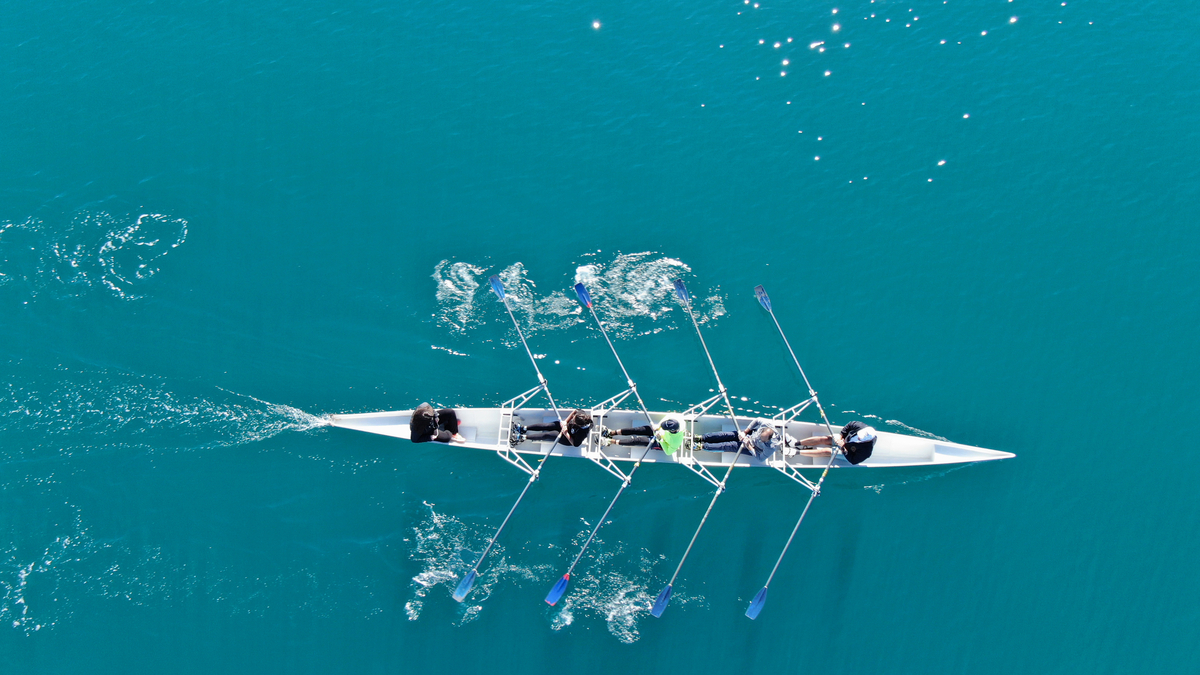
Expansion of Collegiate Rowing Programs
While rowing has traditionally been associated with coastal regions, Tennessee has made notable progress in developing competitive rowing programs. Rivers, lakes, and controlled water conditions provide ideal environments for training and regattas.
Rowing programs focus on:
- Technical stroke efficiency
- Aerobic endurance development
- Strength and synchronization
- Team-based performance strategy
As an Olympic sport, rowing benefits from long-term athlete development models, making Tennessee an increasingly attractive option for rowers seeking structured progression.
Academic and Athletic Balance in Rowing
Rowing athletes often manage demanding training schedules, and Tennessee colleges place strong emphasis on academic coordination. Flexible scheduling and academic advising help rowers maintain performance across both sport and study.
This dual-focus approach supports athlete longevity and post-college career readiness.
Emerging Olympic Disciplines in Tennessee
What Are Emerging Disciplines?
Emerging disciplines refer to Olympic or Olympic-recognized sports that are gaining institutional support but may not yet have widespread collegiate representation. Tennessee has shown increasing interest in developing these sports as part of a broader athletic strategy.
Examples of emerging disciplines include:
- Adaptive Olympic sports
- Endurance-based hybrid events
- New Olympic-format competitions
- Mixed-gender or team-based disciplines
These sports often rely on flexible program structures and partnerships with external training organizations.
Institutional Support for Emerging Sports
Colleges in Tennessee are gradually expanding resources for emerging Olympic sports by:
- Offering club-to-varsity development pathways
- Partnering with national sport federations
- Integrating sports science and performance analytics
- Supporting athlete-led initiatives
This approach allows institutions to evaluate long-term viability while providing athletes with meaningful competitive opportunities.
Athlete Development Pathways in Tennessee
From Youth to Elite Competition
Tennessee’s Olympic sports ecosystem supports athletes at every stage of development. Many track, rowing, and emerging discipline athletes progress through:
- Youth or high school competition
- Club or regional training systems
- Collegiate Olympic sports programs
- National or international competition
Colleges play a central role in this pathway by providing structure, exposure, and performance monitoring.
Coaching and Performance Expertise
High-quality coaching is a defining feature of Tennessee Olympic sports programs. Many coaches have experience in national federations, Olympic trials, or elite-level competition. This expertise ensures athletes receive guidance aligned with international standards.
Scholarships and Financial Considerations
Funding Opportunities for Olympic Sports Athletes
Scholarship availability varies by sport and institution. Track and rowing often offer partial athletic scholarships, while emerging disciplines may rely on alternative funding models.
Common support options include:
- Athletic scholarships
- Academic merit awards
- Need-based financial aid
- External Olympic or federation grants
Tennessee colleges increasingly assist athletes in navigating these funding opportunities.
Training Culture and Athlete Well-Being
Emphasis on Long-Term Performance
Olympic sports programs in Tennessee emphasize sustainable performance rather than short-term results. Training plans prioritize:
- Injury prevention
- Recovery and mobility
- Mental performance development
- Nutrition and sports psychology
This athlete-centered approach supports longevity and consistent improvement.
Career Preparation Beyond Competition
Life After Olympic Sports
Not all athletes pursue professional or international competition after college. Tennessee Olympic sports programs recognize this reality and invest in career preparation.
Graduates often move into:
- Coaching or sport administration
- Sports science and health professions
- Education and research
- Business or technology fields
The combination of athletic discipline and academic achievement prepares athletes for diverse career paths.
Why Tennessee Is Gaining Attention in Olympic Sports
Tennessee’s growth in Olympic sports reflects broader changes in collegiate athletics. Institutions increasingly recognize the value of supporting diverse sports that promote inclusion, excellence, and international visibility.
Key reasons athletes choose Tennessee include:
- Strong balance of academics and athletics
- Expanding support for emerging disciplines
- Competitive exposure across the Southeast
- Long-term athlete development focus
These elements position Tennessee as a rising destination for Olympic sports participation.
Final Thoughts
The evolution of Tennessee Olympic sports highlights the state’s commitment to athlete development across track, rowing, and emerging disciplines. Through structured collegiate programs, experienced coaching, and expanding institutional support, Tennessee provides a sustainable pathway for athletes pursuing Olympic-level ambitions.
Whether competing on the track, rowing on inland waters, or representing emerging disciplines, student-athletes in Tennessee benefit from an environment designed for growth, balance, and long-term success.
Learn More About the NIL Landscape
Name, Image, and Likeness plays an increasing role in college sports, and understanding how it works often requires more than individual articles or news updates.
RallyFuel is a platform focused on NIL-related topics across college athletics. It brings together information about athletes, NIL activity, and the broader structure behind modern college sports, helping readers explore the topic in more depth.
👉 Explore the Athletes on RallyFuel – Discover top college athletes, compare NIL valuations, and dive deeper into the world of NIL.
FAQ
How does Tennessee support Olympic sports compared to other states?
Tennessee combines year-round training conditions with growing institutional investment, making it increasingly competitive for Olympic sports development.
Are emerging Olympic disciplines officially recognized at Tennessee colleges?
Some are varsity-supported, while others operate as club or developmental programs with institutional backing and federation partnerships.
Can rowing athletes train year-round in Tennessee?
Yes. Tennessee’s water access and indoor training facilities allow rowing athletes to maintain consistent year-round development.
Do Tennessee colleges help Olympic athletes prepare for professional careers?
Most programs integrate career planning, academic advising, and leadership development to support athletes beyond competition.
Is Tennessee suitable for athletes transitioning into elite Olympic competition?
Yes. The state’s competitive calendar and coaching expertise support progression from collegiate to national and international levels.
Are Olympic sports athletes in Tennessee required to meet NCAA eligibility rules?
Eligibility depends on the sport and program structure. Track and rowing typically follow NCAA guidelines, while emerging disciplines may offer more flexibility.




Leave a Comment