
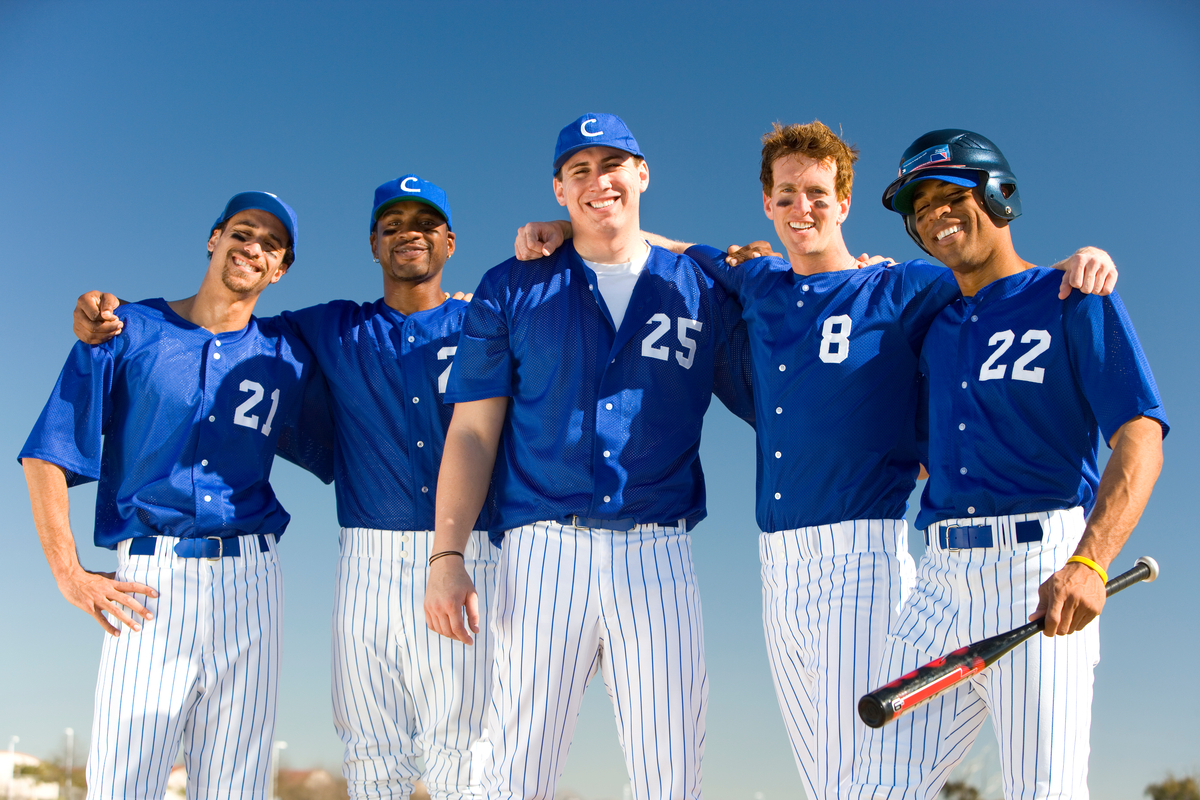
College baseball has become one of the most important pipelines for developing future professional athletes in the United States. Every season, NCAA programs produce talented players who attract attention from MLB scouts, sports analysts, and fans following the next generation of baseball stars. These promising college baseball players not only compete at a high level but also build their personal brands and reputations within the growing ecosystem of college athletics.
For platforms like RallyFuel, which track college athletes and NIL opportunities, understanding which NCAA players are rising stars is particularly important. College athletes today are no longer just competitors on the field—they are emerging personalities whose performances, leadership, and influence shape their future professional careers.
The NCAA environment allows athletes to develop technical skills, mental toughness, and strategic understanding of the game. Scouts monitor top college baseball prospects throughout the season, analyzing statistics, physical performance, and game intelligence to identify potential MLB draft candidates.
In this article, we explore what makes the best college baseball athletes stand out, highlight several rising prospects, and examine the role of universities and NIL opportunities in shaping the next generation of baseball talent.
Why College Baseball Produces Future MLB Stars
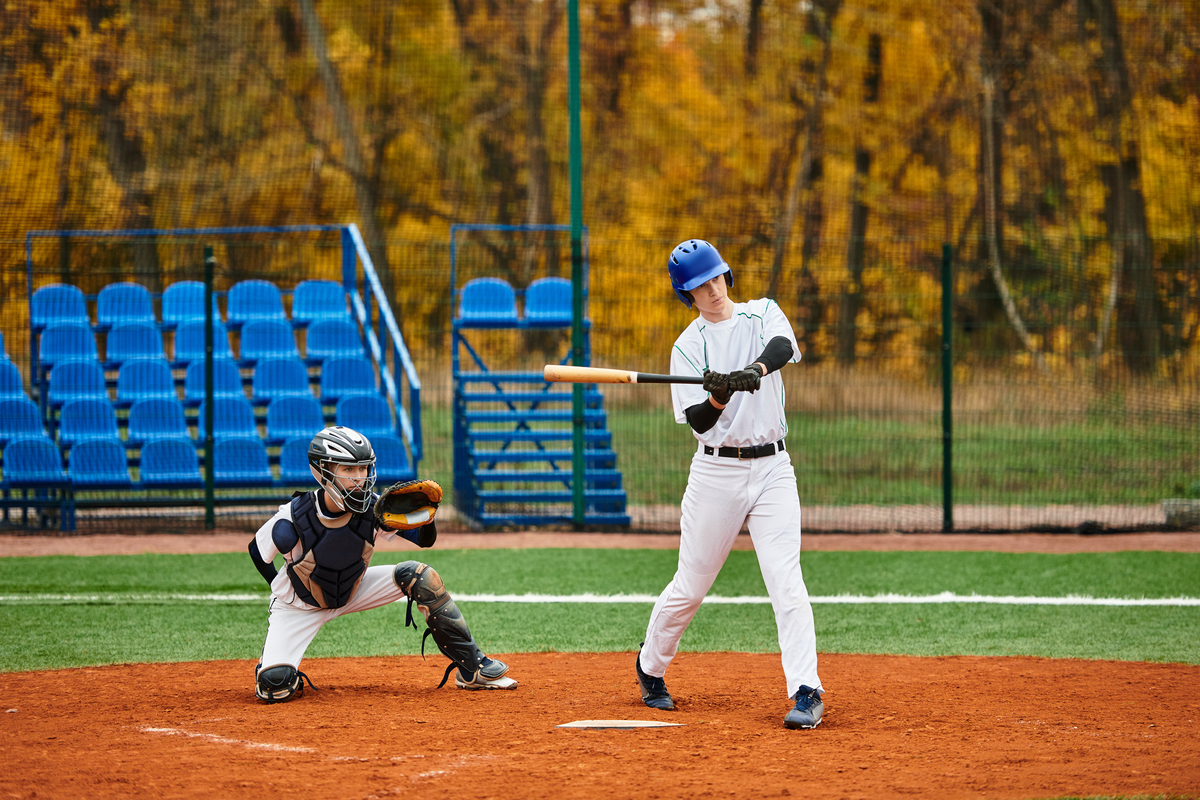
Development System in NCAA
The NCAA system provides one of the most structured environments for developing elite baseball players. Universities invest heavily in coaching staff, training facilities, and sports performance programs designed to maximize athlete potential.
Many top NCAA programs operate with resources comparable to professional teams. These programs include:
- elite coaching and scouting networks
- sports science and performance analysis
- strength and conditioning programs
- advanced training facilities
As a result, athletes competing at this level develop both technically and physically, making them strong candidates for the professional draft.
Another key factor is the level of competition. NCAA baseball features intense schedules where athletes compete against some of the best young players in the country. Performing consistently in this environment signals to scouts that a player can handle professional pressure.
Importance of College Performance for the MLB Draft
For MLB scouts, college baseball statistics are one of the most reliable indicators of future success. Players who dominate NCAA competition often become top MLB draft prospects from college.
Scouts evaluate metrics such as:
- batting average
- on-base percentage
- slugging percentage
- earned run average (ERA)
- strikeout-to-walk ratios
Beyond statistics, major tournaments such as the NCAA College World Series provide a national stage where top college baseball prospects can demonstrate their skills in high-pressure games.
These performances often determine which promising college baseball players move up draft boards.
Key Traits of Promising College Baseball Athletes

Athleticism and Physical Skills
The best college baseball athletes demonstrate elite physical abilities that translate directly into game performance.
For hitters, important attributes include:
- bat speed
- power hitting ability
- plate discipline
Pitchers are evaluated by:
- pitch velocity
- command and accuracy
- pitch variety
- strikeout potential
Defensive players are also measured by their reaction speed, agility, and throwing strength.
Athletes who combine these physical skills with consistent performance quickly become recognizable NCAA baseball stars.
Mental Strength and Game Intelligence
Baseball requires strong mental discipline and strategic thinking. Promising college baseball players often show advanced game awareness and decision-making ability.
Important mental attributes include:
- ability to stay focused under pressure
- tactical understanding of the game
- adaptability during challenging situations
These qualities help athletes maintain consistent performance throughout long NCAA seasons and competitive tournaments.
Consistency and Statistical Performance
Scouts prefer players who perform consistently rather than those who show occasional flashes of brilliance. Long-term consistency demonstrates discipline, preparation, and reliability.
Key statistics scouts analyze include:
- batting average
- on-base percentage
- slugging percentage
- earned run average (ERA)
- defensive efficiency
Athletes who maintain strong numbers across multiple seasons often become future MLB players from college programs.
Top Promising College Baseball Athletes
Every season, several players emerge as standout performers in NCAA baseball. These athletes demonstrate the combination of skill, athleticism, and leadership that professional scouts seek.
| Player | Position | College | Key Strength |
|---|---|---|---|
| Paul Skenes | Pitcher | LSU | Elite pitching velocity |
| Dylan Crews | Outfielder | LSU | Power hitting and discipline |
| Jac Caglianone | Two-way player | Florida | Hitting and pitching ability |
| Travis Bazzana | Infielder | Oregon State | Contact hitting and speed |
Paul Skenes has quickly become one of the most recognized pitching prospects in college baseball. His fastball velocity and strikeout numbers make him a dominant presence on the mound. Scouts believe his physical tools and mechanics give him strong potential at the professional level.
Dylan Crews has developed into one of the most dangerous offensive players in the NCAA. His combination of power hitting, patience at the plate, and consistency makes him one of the most exciting top college baseball prospects to watch.
Jac Caglianone stands out because of his ability to contribute both as a pitcher and a hitter. Two-way players are rare in modern baseball, and those who succeed in both roles attract major attention from MLB scouts.
Travis Bazzana has gained recognition for his strong contact hitting and exceptional baserunning ability. His speed and offensive consistency allow him to create scoring opportunities for his team.
These athletes illustrate the diversity of talent within NCAA baseball and highlight why college programs continue to produce some of the best MLB draft prospects from college.
How Scouts Evaluate College Baseball Talent
Performance Metrics
Modern scouting relies heavily on advanced analytics. In addition to traditional statistics, scouts now analyze detailed performance data to better understand player potential.
Important analytical metrics include:
- exit velocity
- launch angle
- spin rate for pitchers
- defensive range
These metrics provide deeper insights into how players perform and whether their skills can translate to the professional level.
Physical Tools
Professional scouts also evaluate the raw physical tools that athletes possess.
Key attributes include:
- arm strength
- running speed
- reaction time
- coordination
Players with elite physical tools often have higher ceilings because these abilities can be refined through professional training.
Character and Leadership
Character and leadership qualities also play a major role in scouting evaluations. Professional teams look for athletes who demonstrate discipline, strong work ethic, and positive influence within the team environment.
Leadership becomes especially important for players who serve as captains or role models within their college programs.
Colleges Known for Producing MLB Talent
Certain universities consistently produce future professional baseball players. These programs combine strong recruiting strategies with elite coaching and competitive schedules.
| College | Known Alumni | MLB Impact |
|---|---|---|
| Vanderbilt | Multiple MLB stars | Strong development pipeline |
| LSU | Numerous draft picks | Elite baseball program |
| Florida | High draft success | Advanced coaching staff |
| Texas | Long baseball tradition | Consistent MLB pipeline |
These universities attract top high school recruits and provide development programs that prepare athletes for professional careers.
Another advantage is exposure. Scouts frequently attend games hosted by these programs, increasing visibility for promising college baseball players.
This combination of talent, coaching, and competition allows these schools to remain among the most productive programs in NCAA baseball.
NIL Opportunities for College Baseball Athletes
One of the most significant recent changes in college athletics is the introduction of Name, Image, and Likeness (NIL) opportunities.
NIL programs allow college athletes to earn income through:
- brand partnerships
- sponsorship deals
- social media collaborations
- local marketing agreements
For college baseball players, NIL opportunities can help support training, equipment, and travel expenses.
Platforms that track NIL opportunities and athlete profiles help connect brands with student-athletes while providing fans with deeper insights into rising sports personalities.
As NIL continues to expand, many NCAA baseball stars will not only build professional careers but also develop strong personal brands during their college years.
Future Trends in College Baseball Talent Development
The future of college baseball development will likely be shaped by technology, analytics, and athlete branding.
Training technologies such as motion tracking, biomechanical analysis, and performance monitoring systems are already helping athletes optimize their performance.
Sports analytics also plays a growing role in strategy and scouting, allowing coaches to analyze player performance with unprecedented precision.
At the same time, NIL opportunities are encouraging athletes to build personal brands earlier in their careers. This combination of performance and visibility will continue to shape how promising college baseball players develop in the coming years.
Conclusion
College baseball remains one of the most important pathways to professional baseball. NCAA programs provide athletes with elite training environments, competitive schedules, and exposure to professional scouts.
Promising college baseball players demonstrate a combination of physical talent, mental discipline, and consistent performance. These qualities help scouts identify the next generation of MLB stars.
As technology, analytics, and NIL opportunities continue to evolve, the role of college baseball in developing professional talent will only become more significant. For fans and scouts alike, following NCAA baseball offers a unique opportunity to discover the future stars of Major League Baseball.
Learn More About the NIL Landscape
Name, Image, and Likeness plays an increasing role in college sports, and understanding how it works often requires more than individual articles or news updates.
RallyFuel is a platform focused on NIL-related topics across college athletics. It brings together information about athletes, NIL activity, and the broader structure behind modern college sports, helping readers explore the topic in more depth.
👉 Explore the Athletes on RallyFuel – Discover top college athletes, compare NIL valuations, and dive deeper into the world of NIL.
FAQ
Who are the best college baseball prospects right now?
Top prospects typically come from strong NCAA programs such as LSU, Florida, Vanderbilt, and Oregon State. These athletes combine elite statistics with strong physical skills and professional potential.
How do MLB scouts evaluate college players?
Scouts analyze performance statistics, advanced analytics, physical tools, and leadership qualities. They also observe how players perform in high-pressure tournament situations.
Is college baseball important for the MLB draft?
Yes. College baseball provides one of the most reliable pathways to professional baseball because players compete at a high level against strong opponents.
Which colleges produce the most MLB players?
Programs such as Vanderbilt, LSU, Florida, and Texas consistently produce professional players due to strong development systems and competitive environments.
What statistics matter most in college baseball?
Important statistics include batting average, on-base percentage, slugging percentage, earned run average (ERA), and strikeout ratios.




Leave a Comment