

Introduction
Fan engagement has become one of the most powerful forces shaping modern college athletics. While performance on the field remains essential, the ability of athletes to connect with their audience is now equally important. The power of fan engagement in college sports lies in its ability to transform passive viewers into active participants who influence visibility, brand value, and even financial outcomes.
In the NIL (Name, Image, and Likeness) era, engagement is no longer just a marketing metric—it is a driver of athlete success. College athletes who build strong connections with their fans often achieve greater exposure, stronger sponsorship opportunities, and long-term brand growth.
For platforms like RallyFuel, fan engagement represents a core signal of athlete potential. It reflects not only how many people follow an athlete, but how deeply those fans interact, support, and contribute to their journey. This article explores why engagement matters, how it works, and how it is redefining the structure of college sports.
What Fan Engagement Really Means

Beyond Likes and Followers
Fan engagement is often misunderstood as simple interaction metrics such as likes or comments. In reality, it goes much deeper. Engagement reflects the quality of the relationship between athletes and their audience.
True engagement includes:
- repeated interactions over time
- emotional investment from fans
- active participation in discussions
An athlete with a smaller but highly engaged audience can often be more influential than one with a larger but passive following.
Engagement vs Popularity vs Growth
It is important to distinguish engagement from other metrics:
- Popularity → how many people follow an athlete
- Audience growth → how quickly the audience increases
- Engagement → how actively fans interact and participate
Engagement is the strongest indicator of influence because it reflects real audience behavior rather than passive attention.
Why Fan Engagement Drives Athlete Success
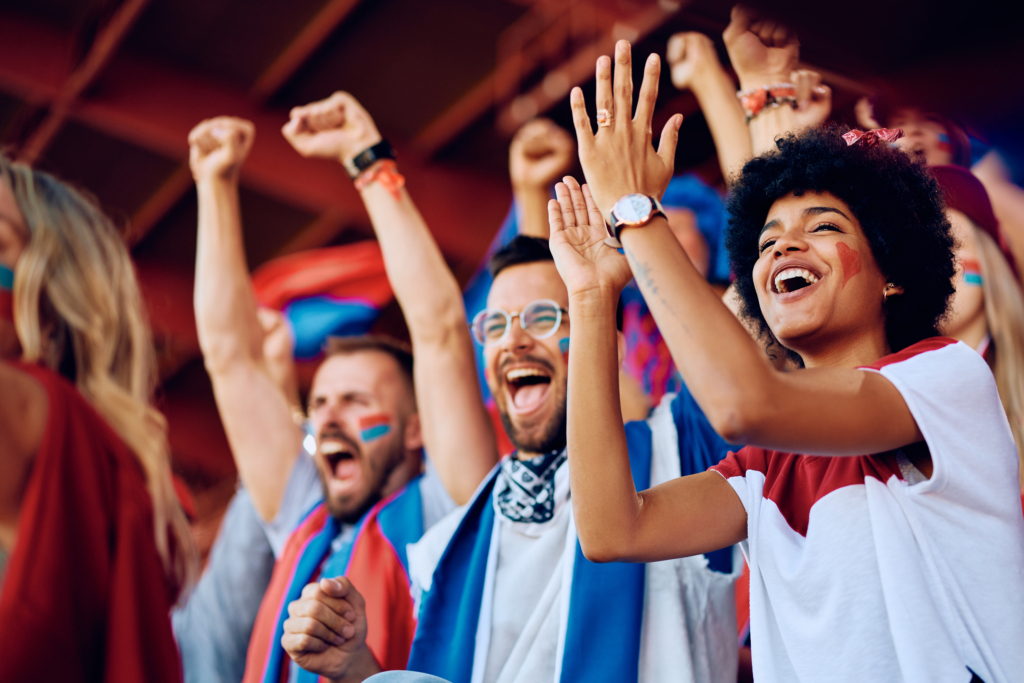
Increased Visibility Through Interaction
Engagement directly impacts how content is distributed on social platforms. Algorithms prioritize posts that generate interaction, meaning athletes with engaged audiences receive more visibility.
This leads to:
- wider content reach
- increased discoverability
- more consistent audience growth
Athletes who maintain high engagement often outperform others in digital visibility.
Stronger NIL Opportunities
In the NIL marketplace, engagement is one of the most important factors for brands. Companies want athletes whose audiences are active and responsive.
High engagement results in:
- better campaign performance
- higher conversion rates
- stronger return on investment for brands
This is why athletes with strong engagement often secure more valuable sponsorship deals.
Fan-Driven Momentum
Engaged fans help amplify athlete visibility organically. They share content, promote athletes within their networks, and contribute to viral growth.
This creates a feedback loop:
engagement → visibility → new audience → more engagement
Athletes who activate this loop often experience sustained growth.
Key Drivers of Fan Engagement
Authentic Communication
Authenticity is one of the most important factors in building engagement. Fans are more likely to interact with athletes who share real experiences and genuine emotions.
This includes:
- personal stories
- honest reflections
- behind-the-scenes content
Authentic communication builds trust and long-term loyalty.
Consistent Interaction
Athletes who actively interact with their audience create stronger relationships. Engagement increases when athletes respond to fans and participate in conversations.
Effective interaction methods:
- replying to comments
- hosting Q&A sessions
- engaging in live streams
This direct communication strengthens the athlete-fan connection.
Emotional Connection
Fans are more likely to engage when they feel emotionally connected to an athlete. This connection can come from:
- inspiring stories
- overcoming challenges
- relatable personality traits
Emotional engagement often leads to stronger loyalty and long-term support.
Examples of High Engagement in College Sports

Several athletes have demonstrated how strong engagement can amplify influence and NIL value.
| Athlete | Sport | College | Engagement Strength |
|---|---|---|---|
| Angel Reese | Basketball | LSU | Strong emotional connection |
| Livvy Dunne | Gymnastics | LSU | High interaction rates |
| Shedeur Sanders | Football | Colorado | Active fan communication |
| Caitlin Clark | Basketball | Iowa | Massive fan response |
Angel Reese has built a highly engaged community through her confidence and authenticity. Fans actively support her and participate in conversations around her performances.
Livvy Dunne maintains strong engagement by consistently interacting with her audience and sharing lifestyle content that resonates with fans.
Shedeur Sanders engages his audience through personality-driven content and direct communication, strengthening his connection with fans.
Caitlin Clark has generated massive engagement through her performances and the emotional investment of her fanbase.
These examples highlight how engagement can vary in style but deliver similar results.
How Engagement Translates Into NIL Value
Engagement as a Performance Metric
Brands increasingly use engagement as a key performance indicator when selecting athletes for partnerships.
Important metrics include:
- engagement rate
- audience interaction
- content performance
Athletes with strong engagement are often prioritized over those with larger but inactive audiences.
Conversion and Monetization
Engaged audiences are more likely to take action, such as purchasing products or supporting partnerships.
This leads to:
- higher conversion rates
- stronger campaign effectiveness
- increased revenue potential
Athletes with engaged communities often generate better financial results.
Long-Term Brand Value
Engagement contributes to sustainable brand growth. Athletes who build strong relationships with fans maintain their influence over time.
This long-term value extends beyond college sports into professional careers.
The Role of Universities in Fan Engagement

Universities play a significant role in shaping athlete engagement.
| College | Key Sports | Engagement Advantage |
|---|---|---|
| LSU | Basketball & Gymnastics | Strong fan culture |
| Iowa | Basketball | High fan involvement |
| Colorado | Football | Media-driven engagement |
| USC | Football & Basketball | Large audience reach |
These programs benefit from passionate fanbases and strong media exposure.
Universities also support athletes through marketing teams, social media promotion, and content distribution.
Future Trends in Fan Engagement
Fan engagement in college sports is expected to evolve rapidly.
Key trends include:
- interactive content formats
- fan-driven platforms
- personalized athlete-fan experiences
- deeper integration with NIL ecosystems
Athletes who adapt to these trends will gain a competitive advantage.
Conclusion
The power of fan engagement in college sports lies in its ability to transform athletes into influential figures with strong communities and long-term brand value. Engagement is no longer just a secondary metric—it is a core driver of success in the NIL era.
Athletes who build meaningful relationships with their audience achieve greater visibility, stronger sponsorship opportunities, and sustained growth. Their influence extends beyond performance, shaping the future of college athletics.
For platforms like RallyFuel, engagement provides a deeper understanding of athlete potential and fan behavior. As the NIL ecosystem continues to evolve, engagement will remain one of the most important factors in determining success.
Learn More About the NIL Landscape
Name, Image, and Likeness plays an increasing role in college sports, and understanding how it works often requires more than individual articles or news updates.
RallyFuel is a platform focused on NIL-related topics across college athletics. It brings together information about athletes, NIL activity, and the broader structure behind modern college sports, helping readers explore the topic in more depth.
👉 Explore the Athletes on RallyFuel – Discover top college athletes, compare NIL valuations, and dive deeper into the world of NIL.
FAQ
Why is fan engagement important in college sports?
Fan engagement increases visibility, strengthens brand value, and directly impacts NIL opportunities.
How is engagement different from popularity?
Popularity measures follower count, while engagement reflects how actively fans interact with an athlete.
How does engagement affect NIL deals?
Higher engagement leads to better marketing performance and more valuable sponsorship deals.
Can athletes improve engagement?
Yes. By interacting with fans, posting consistently, and sharing authentic content, athletes can increase engagement.
Which athletes have the highest engagement?
Athletes with strong fan connections, such as Angel Reese and Caitlin Clark, are known for high engagement.




Leave a Comment