
Introduction
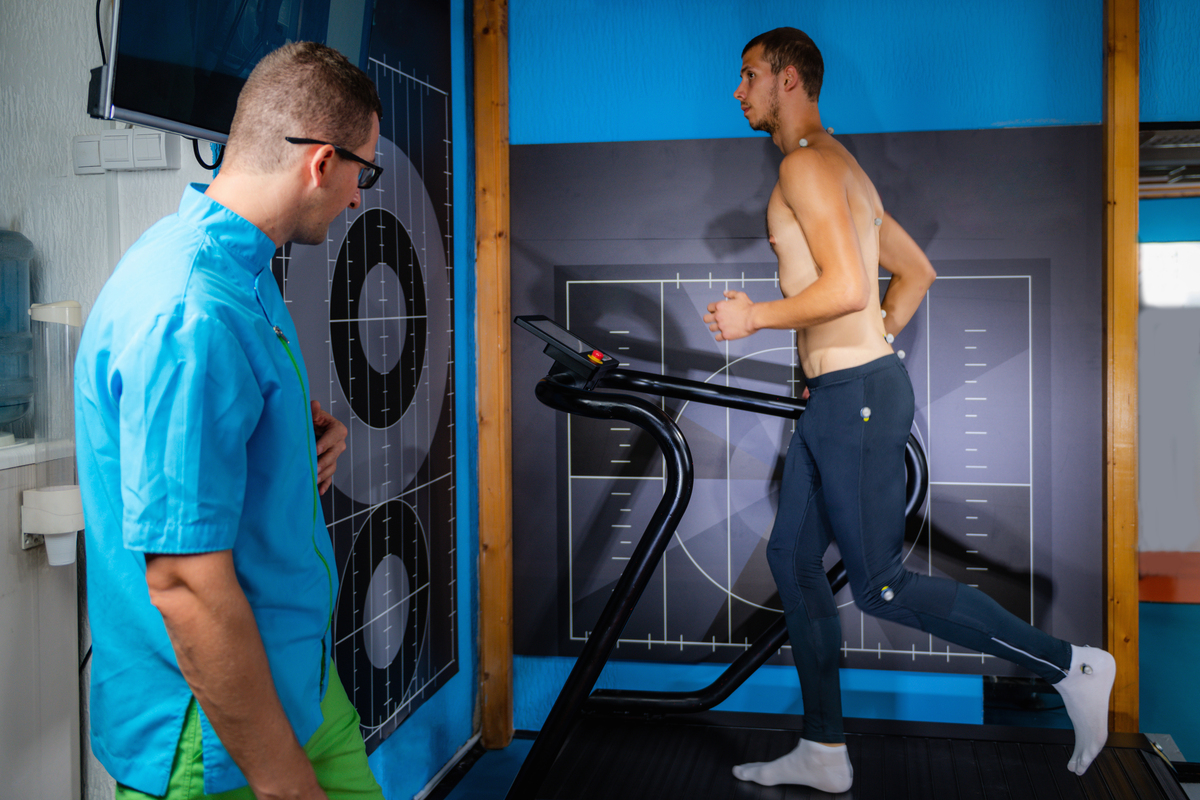
The 2026 Winter Olympic cycle is actively underway, and the preparation behind elite performance is increasingly defined by applied science. As American winter athletes compete internationally, many originate from collegiate systems where sports science NCAA winter programs operate as embedded performance ecosystems rather than auxiliary support units.
Olympic readiness is shaped not only by skill and conditioning but by continuous physiological monitoring, biomechanics refinement, and structured recovery protocols. In 2026, sports science is not an add-on — it is integrated into daily training environments across leading NCAA winter sports programs.
Ice hockey, alpine skiing, and Nordic disciplines rely on data tracking technology, sports physiology labs, and load management systems to sustain performance stability during dense winter schedules. The influence of NCAA winter sports performance science is visible in athlete durability, pacing control, and reduced injury variability during this Olympic year.
This analysis examines how applied science functions within collegiate winter programs, how it compares to national team infrastructure, and whether data-driven preparation is materially shaping performance outcomes in 2026.
What Sports Science Means in the NCAA Context
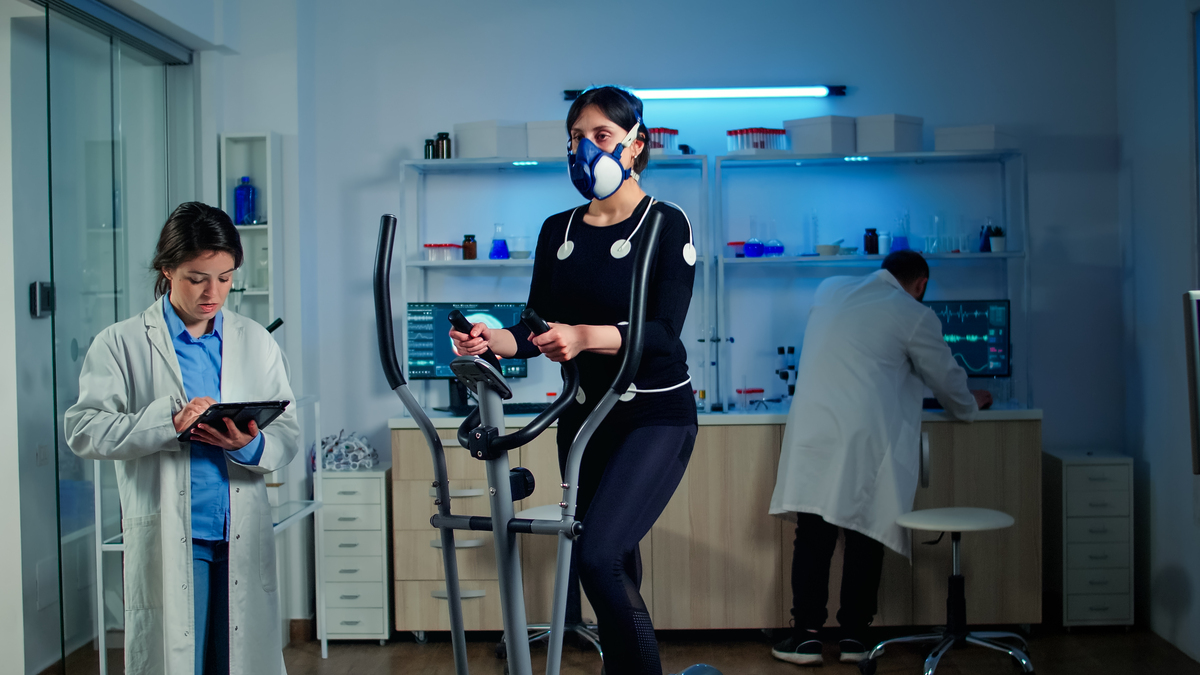
Within the NCAA framework, sports science encompasses:
- Load management modeling
- Biomechanical analysis
- Physiological testing
- Performance analytics
- Recovery protocol integration
Sports physiology labs conduct metabolic testing, lactate threshold assessments, and cardiovascular profiling. Strength staff integrate these findings into individualized training plans.
Data tracking technology monitors:
- Training intensity
- Skating efficiency
- Stride symmetry
- Aerobic load distribution
Unlike isolated camp-based evaluations, NCAA systems apply continuous monitoring throughout the academic season. This consistency supports Olympic training college athletes within structured competitive environments.
Ice Hockey — Data-Driven Development
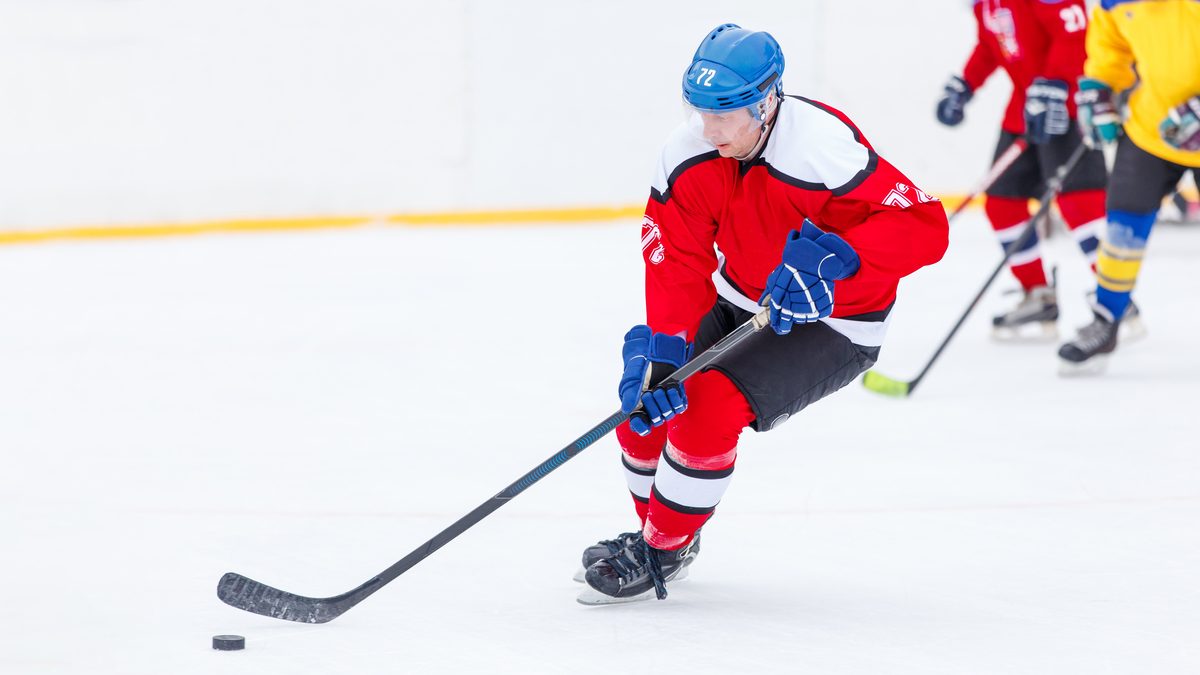
Hockey programs currently rely heavily on performance analytics and motion analysis. Skating efficiency, puck transition speed, and shift workload are tracked daily.
Sports Science Tools in NCAA Winter Programs
| Tool / System | Application | Performance Impact | Olympic Relevance |
|---|---|---|---|
| Motion Capture | Skating mechanics analysis | Improved stride efficiency | Energy conservation in tournament play |
| GPS Tracking | Shift workload monitoring | Fatigue management | Sustained high-tempo competition |
| Cryotherapy | Post-game recovery | Reduced inflammation | Short turnaround durability |
| Biomechanics Labs | Joint force measurement | Injury prevention | Consistent availability |
Sports science hockey development currently emphasizes micro-adjustments. Coaches review biomechanical data to refine stride length and balance mechanics. These incremental improvements reduce inefficiencies over repeated Olympic matchups.
Recovery science NCAA athletes rely on structured cooldown cycles to preserve muscle responsiveness during condensed schedules.
Alpine & Nordic Skiing — Physiology and Altitude Science
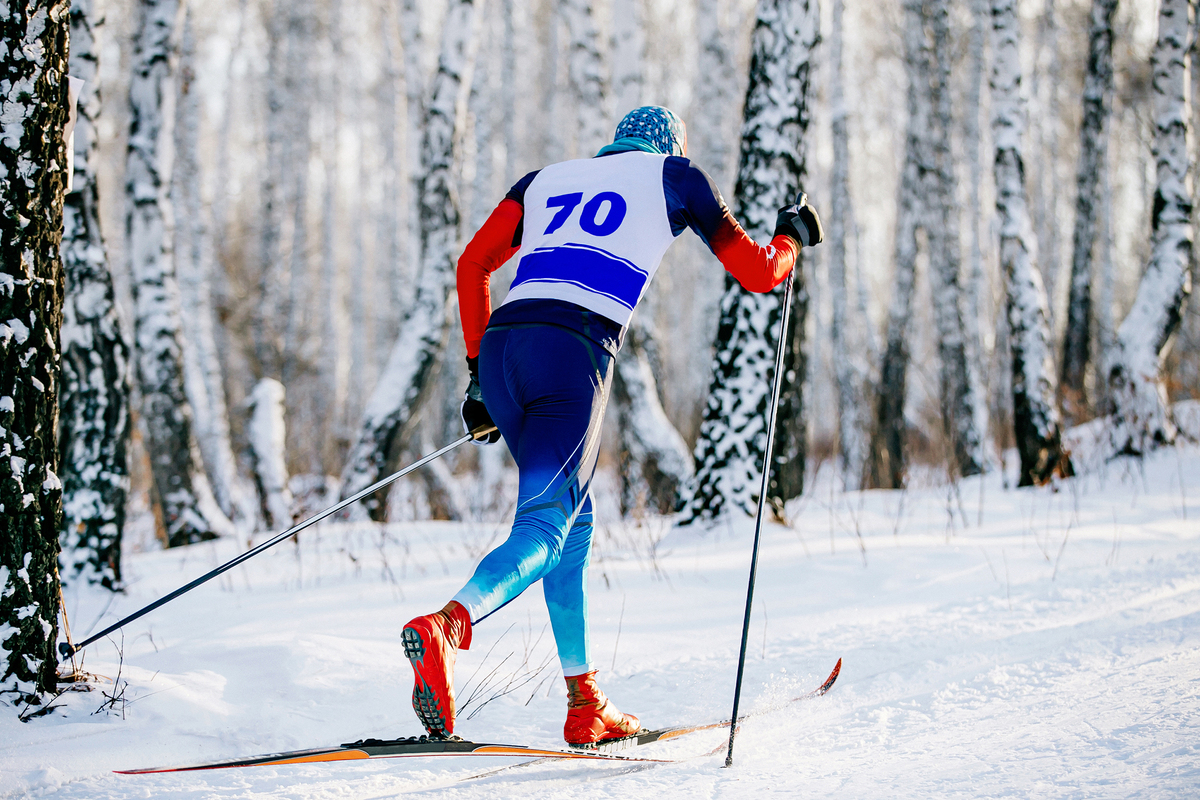
Skiing disciplines are closely aligned with physiological precision. Altitude adaptation remains central during this Olympic cycle.
Biomechanics in college skiing includes:
- Edge control analysis
- Turn-angle measurement
- Core stability assessment
Altitude training integrates hemoglobin monitoring and oxygen saturation tracking. Sports physiology labs evaluate aerobic thresholds to maintain pacing efficiency.
Nordic athletes rely heavily on endurance modeling. Performance analytics assess:
- Heart rate variability
- Lactate tolerance
- Interval recovery time
These systems allow fine calibration of energy distribution during Olympic-distance events currently unfolding.
Recovery Science During Olympic Qualification Years
The 2026 cycle places sustained demands on winter athletes. Recovery protocols are no longer reactive; they are preventive.
Key systems include:
- Cryotherapy chambers
- Hydrotherapy immersion pools
- Sleep monitoring platforms
- Musculoskeletal scanning
Load management strategies reduce cumulative stress. Data-driven rest scheduling prevents overtraining during peak competition periods.
Injury prevention systems integrate force-plate asymmetry testing and tendon-load monitoring. These measures reduce soft tissue injury risk across high-intensity winter seasons.
Comparing NCAA Sports Science to National Team Centers
National centers maintain centralized Olympic specialization. However, top collegiate programs now mirror several operational components.
NCAA vs National Training Science Infrastructure (2026 Context)
| Component | Top NCAA Programs | National Team Centers | Development Advantage |
|---|---|---|---|
| Sports Science Staff | Embedded performance directors | Dedicated Olympic staff | Continuous daily oversight |
| Analytics | Conference-integrated systems | Centralized elite analytics | Broader data aggregation |
| Recovery Tech | Cryo + hydro + monitoring | Advanced Olympic suites | Specialized intensity |
| Testing Labs | University-based physiology labs | National testing facilities | Concentrated elite focus |
Collegiate systems offer sustained integration, while national centers emphasize specialization. Both operate concurrently during this Olympic year.
Does Sports Science Translate to Olympic Performance?
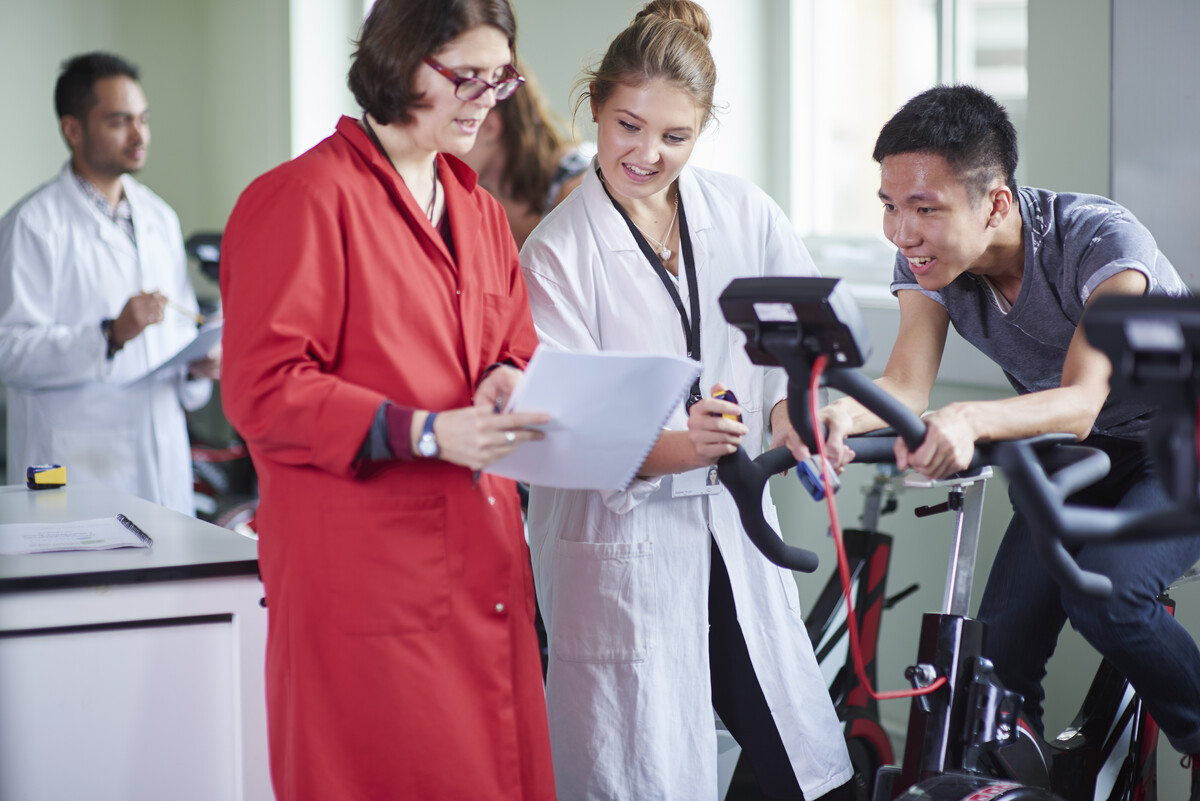
Applied science does not directly produce medals. However, it enhances:
- Efficiency under fatigue
- Technical repeatability
- Injury reduction
- Energy conservation
During the ongoing Olympic competition window, athletes from structured science-based programs demonstrate stable pacing and mechanical consistency.
Performance analytics refine execution margins rather than headline outcomes.
Inequality in Sports Science Access
Access varies across NCAA programs.
Power conference institutions maintain:
- Full-time performance departments
- Advanced biomechanics labs
- Embedded analytics teams
Mid-major programs often operate with smaller staffs and limited lab integration.
This disparity affects:
- Data frequency
- Testing sophistication
- Recovery access
Infrastructure inequality influences preparation depth before Olympic selection occurs.
The 2026 Olympic Cycle — Is Sports Science the Differentiator?
Sports science NCAA winter programs currently function as performance stabilizers rather than performance transformers.
The differentiating value lies in:
- Consistent monitoring
- Integrated feedback loops
- Injury mitigation
- Tactical efficiency refinement
As Olympic competition continues, these systems sustain competitive reliability. The advantage is cumulative and structural.
Conclusion
During the 2026 Winter Olympic cycle, applied performance science is embedded within leading NCAA winter programs. Continuous monitoring, biomechanical precision, and recovery protocol integration shape athlete readiness throughout the season.
Ice hockey relies on workload tracking and motion capture refinement. Alpine and Nordic skiing integrate altitude physiology and endurance analytics. Recovery science supports durability during condensed competition schedules.
While national training centers remain critical, collegiate environments now operate parallel high-performance ecosystems. Sports science NCAA winter programs are influencing preparation stability during the current Olympic year, contributing to structured readiness rather than isolated performance spikes.
Learn More About the NIL Landscape
Name, Image, and Likeness plays an increasing role in college sports, and understanding how it works often requires more than individual articles or news updates.
RallyFuel is a platform focused on NIL-related topics across college athletics. It brings together information about athletes, NIL activity, and the broader structure behind modern college sports, helping readers explore the topic in more depth.
👉 Explore the Athletes on RallyFuel – Discover top college athletes, compare NIL valuations, and dive deeper into the world of NIL.
FAQ
1. How is performance data actively shaping winter athlete preparation during the 2026 Olympics?
Coaches and performance staff are using real-time workload monitoring, physiological tracking, and motion analysis to adjust training intensity. These systems allow athletes to maintain peak conditioning while managing fatigue during the ongoing Olympic cycle.
2. Are collegiate performance labs influencing Olympic-level readiness right now?
Yes. Many NCAA programs operate embedded physiology and biomechanics units that conduct testing throughout the season. This continuous assessment supports technical refinement and energy system optimization during the 2026 competitive calendar.
3. What technologies are most relevant to winter athletes during this Olympic year?
Motion capture systems, force plates, GPS workload tracking, and cryotherapy recovery systems are widely used. These tools help measure efficiency, prevent overtraining, and sustain competitive stability during high-intensity winter schedules.
4. Do all NCAA winter programs have equal access to advanced performance science?
No. Access varies based on institutional funding and conference alignment. Larger programs typically maintain integrated analytics departments, while smaller institutions rely on more limited resources or external partnerships.
5. Is sports science a visible competitive factor during the 2026 Games?
While not directly observable to viewers, structured monitoring and recovery systems contribute to conditioning consistency and reduced injury risk. These factors influence performance stability throughout the Olympic competition window.

Leave a Comment