

In the past, a Florida State jersey was worth exactly what you paid for it at the bookstore, but today that same fabric represents a massive business opportunity. For modern stars like quarterback DJ Uiagalelei, the game has evolved from simple scholarships to managing a personal brand that rivals small corporations, setting the stage for major athlete partnerships for Florida State Seminoles players.
This financial revolution is driven by NIL—Name, Image, and Likeness—which essentially grants players the right to profit from their fame, similar to a YouTuber monetizing their channel. Instead of risking eligibility over a free meal, players now leverage their social media presence for legitimate income. Industry data confirms that strong Florida State NIL strategies are now required to recruit championship-level talent to Tallahassee.
Determining exactly how much Florida State athletes earn from these partnerships involves analyzing player valuation, which functions like a Blue Book price guide for marketability. The Seminoles are transforming from traditional student-athletes into the CEOs of their own financial futures.
Summary
NIL has turned Florida State athletes into marketable brands, with player valuations guiding earning potential and strategy. Collectives like The Battle’s End (football retention) and Rising Spear (multi-sport community partnerships) power much of FSU’s success.
Top 2024 valuations highlight DJ Uiagalelei (~$1.1M), Patrick Payton (~$614K), and Malik Benson (~$580K), while non-football stars monetize strong social engagement through micro-influencer collaborations and local sponsors. Clear, compliant, deliverable-based partnerships make athlete marketing accessible for Tallahassee businesses and a critical competitive edge for FSU recruiting and retention.
Decoding the Powerhouses Behind the Scenes: The Battle’s End and Rising Spear
While national TV commercials with Nike or Beats by Dre grab headlines, the real financial engine driving Florida State’s success operates closer to home.
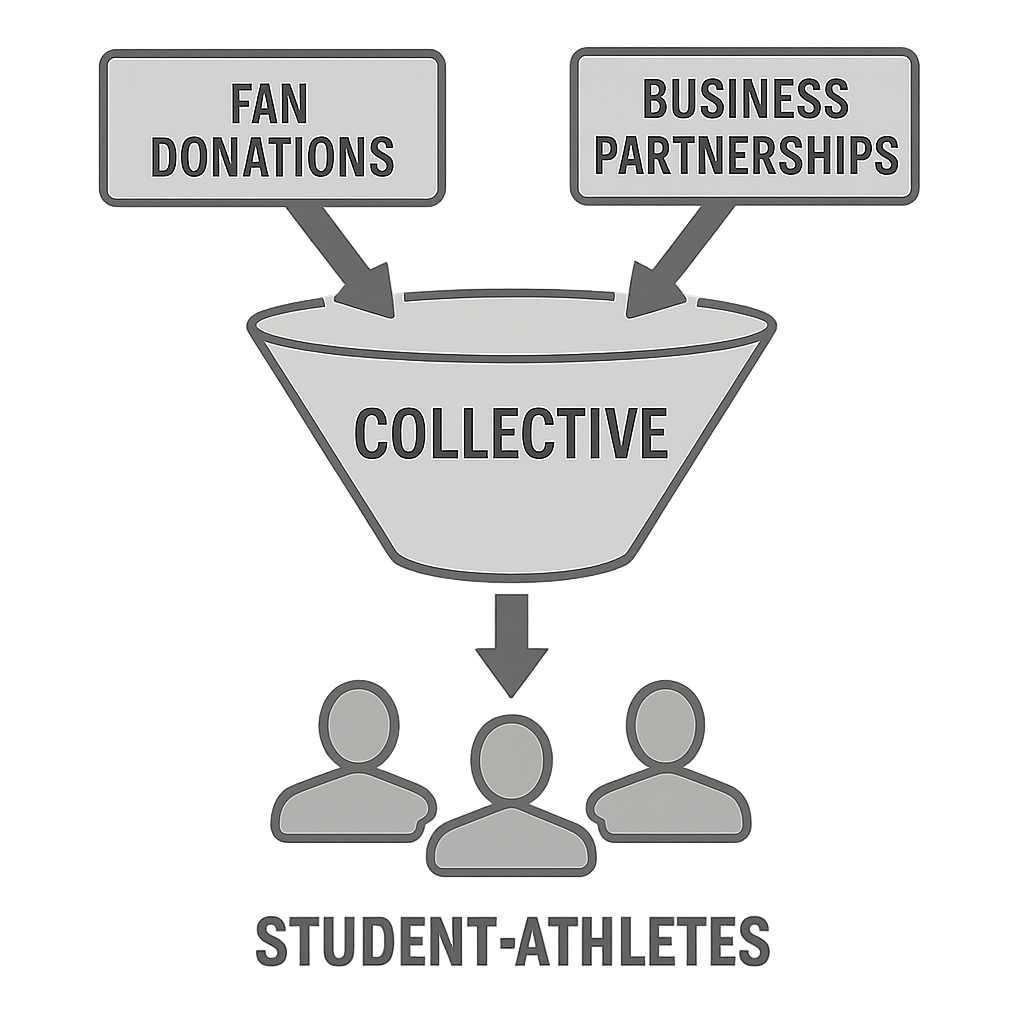
Enter the collective, a standalone organization that functions like a dedicated fundraising arm. These groups pool contributions from boosters and fans to create paid opportunities for athletes, ensuring the talent stays in Tallahassee rather than looking for opportunities elsewhere.
In the high-stakes world of college football, The Battle’s End (TBE) has emerged as FSU’s primary tool for roster management. TBE focuses heavily on retention, using its funds to ensure key starters remain Seminoles instead of entering the transfer portal—essentially college football’s version of free agency.
By offering compensation for appearances, interviews, or promotional content, they secure the roster stability needed to chase championships.
Taking a slightly different approach, Rising Spear serves as a bridge between athletes across all sports and the local community. This collective often pairs players with charitable organizations or local businesses for promotional appearances.
This creates a win-win scenario where a softball star might host a youth clinic or a basketball player promotes a local nonprofit.
The Heavy Hitters: Ranking FSU’s Most Valuable Athlete Agreements for 2024
Just like in the NFL, not every position commands the same paycheck in college sports. While a left tackle might work just as hard in the weight room, the quarterback remains the face of the franchise.
In the NIL era, earning potential often depends on visibility and influence, not just performance statistics.
Tracking exact dollar figures can be difficult because private contracts are not public record. However, industry tools like On3 NIL Valuation provide reliable estimates.
Think of this valuation like a stock price—it fluctuates based on on-field performance, social media growth, and transfer portal leverage.
For Florida State, these estimates highlight which athletes currently generate the greatest marketing value for the Seminole brand.
Heading into the 2024 season, the financial hierarchy of the roster looks like this:
DJ Uiagalelei (QB): Estimated ~$1.1M
As the incoming transfer quarterback, he commands a premium as the team’s field general.
Patrick Payton (EDGE): Estimated ~$614K
Elite pass rushers are rare commodities, making them valuable assets to retain.
Malik Benson (WR): Estimated ~$580K
Dynamic playmakers drive social media engagement, boosting their marketing value.
Beyond the Gridiron: How FSU Softball and Soccer Stars Secure
While massive quarterback contracts dominate headlines, the NIL ecosystem across non-football sports offers an interesting contrast.
For athletes in softball or soccer, the strategy often shifts toward digital influence and personal branding rather than collective-backed compensation.
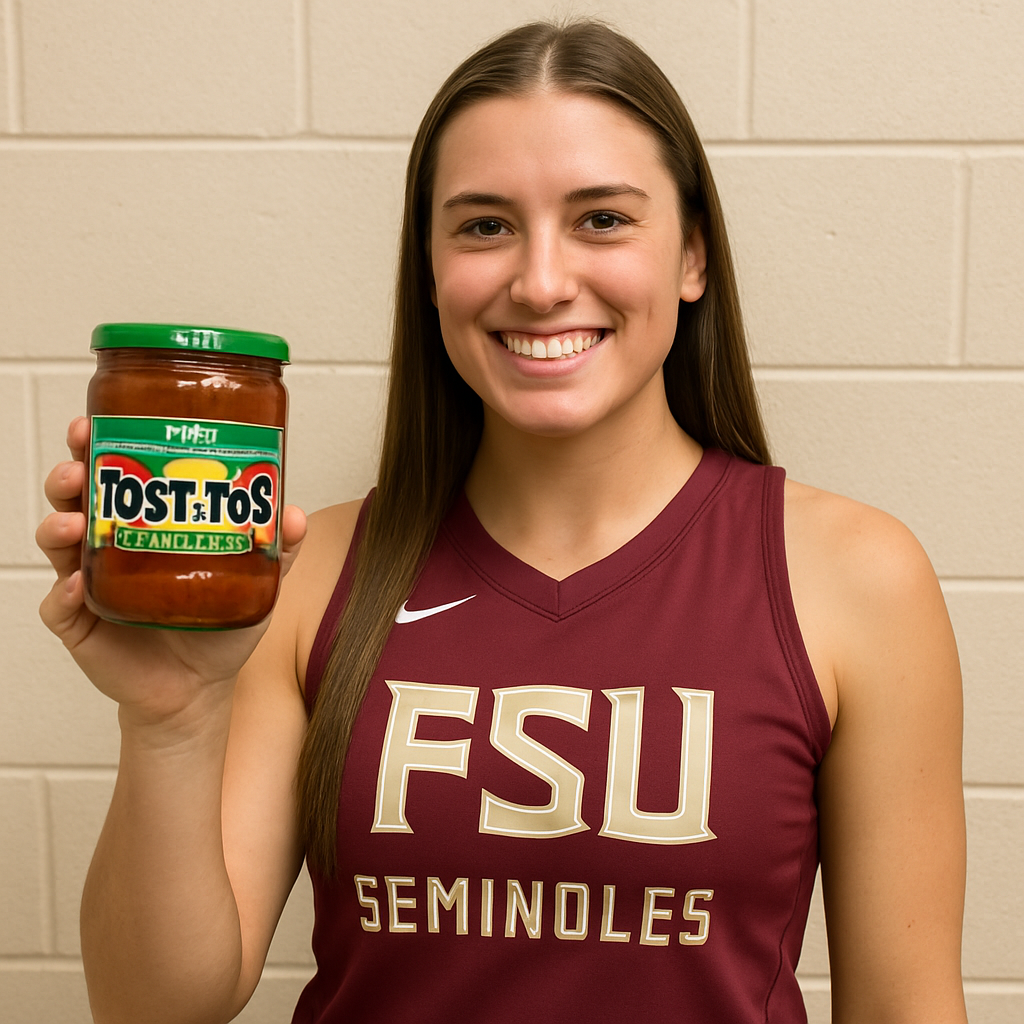
These athletes operate like professional content creators, leveraging engaged audiences to secure marketing partnerships.
High-performing female athletes are particularly successful here because strong social media engagement often leads to high conversion rates for sponsors.
Brands value this micro-influencer status, where authentic recommendations outperform traditional advertising.
This dynamic allows players to monetize their personalities, not just their performance on the field.
How Local Tallahassee Businesses Can Partner with Seminole Athletes
For many Tallahassee businesses, collaborating with student-athletes requires far less investment than expected.
You don’t need a Fortune 500 budget to partner with a Seminole athlete; you simply need a marketing strategy that connects local passion for FSU sports with your brand.
However, strict NIL compliance rules exist to protect athlete eligibility.
The key rule is Quid Pro Quo, meaning athletes must perform a real service—such as signing autographs or posting promotional content—in exchange for payment.
To collaborate safely, businesses should follow these steps:
Contact: Reach out through collectives such as The Battle’s End or the athlete’s representation.
Draft: Create a contract outlining clear promotional deliverables.
Disclose: Ensure the agreement is submitted to FSU compliance for review.
Execute: Confirm the athlete completes the agreed work before payment.
Why NIL Is the New Competitive Edge for FSU’s Future
Understanding these partnerships changes how fans view Saturday kickoffs.
Financial backing through brand collaborations and collectives has become a major factor in recruiting elite athletes to Florida State.
This ecosystem directly impacts recruiting success by converting financial support into commitments from top prospects.
The era of passive fandom is over.
Whether you buy merchandise or support collectives like The Battle’s End, fans now play an active role in sustaining the success of Seminole athletics.
This investment helps ensure Florida State remains a consistent powerhouse in college sports.
Learn More About the NIL Landscape
Name, Image, and Likeness plays an increasing role in college sports, and understanding how it works often requires more than individual articles or news updates.
RallyFuel is a platform focused on NIL-related topics across college athletics. It brings together information about athletes, NIL activity, and the broader structure behind modern college sports, helping readers explore the topic in more depth.
👉 Explore the Athletes on RallyFuel – Discover top college athletes, compare NIL valuations, and dive deeper into the world of NIL.
FAQ
Question: What does NIL mean, and how are athlete valuations calculated?
Short answer: NIL stands for Name, Image, and Likeness—the right for athletes to profit from their personal brand. Valuations estimate marketability using factors like performance, social media reach, and recruiting leverage.
Question: What’s the difference between The Battle’s End and Rising Spear?
Short answer: Both are FSU collectives supporting athletes. The Battle’s End focuses on football roster retention, while Rising Spear works across multiple sports and emphasizes community partnerships.
Question: Who are FSU’s top projected earners for 2024?
Short answer: Current projections highlight DJ Uiagalelei (~$1.1M), Patrick Payton (~$614K), and Malik Benson (~$580K).
Question: How can local businesses collaborate with Seminole athletes?
Short answer: Businesses can work through collectives or athlete representatives, create contracts with clear deliverables, and ensure compliance approval before payment.
Question: How do non-football athletes succeed in the NIL economy?
Short answer: Many build strong social media audiences and secure sponsorship partnerships as micro-influencers, collaborating with local businesses and brands.



Leave a Comment