
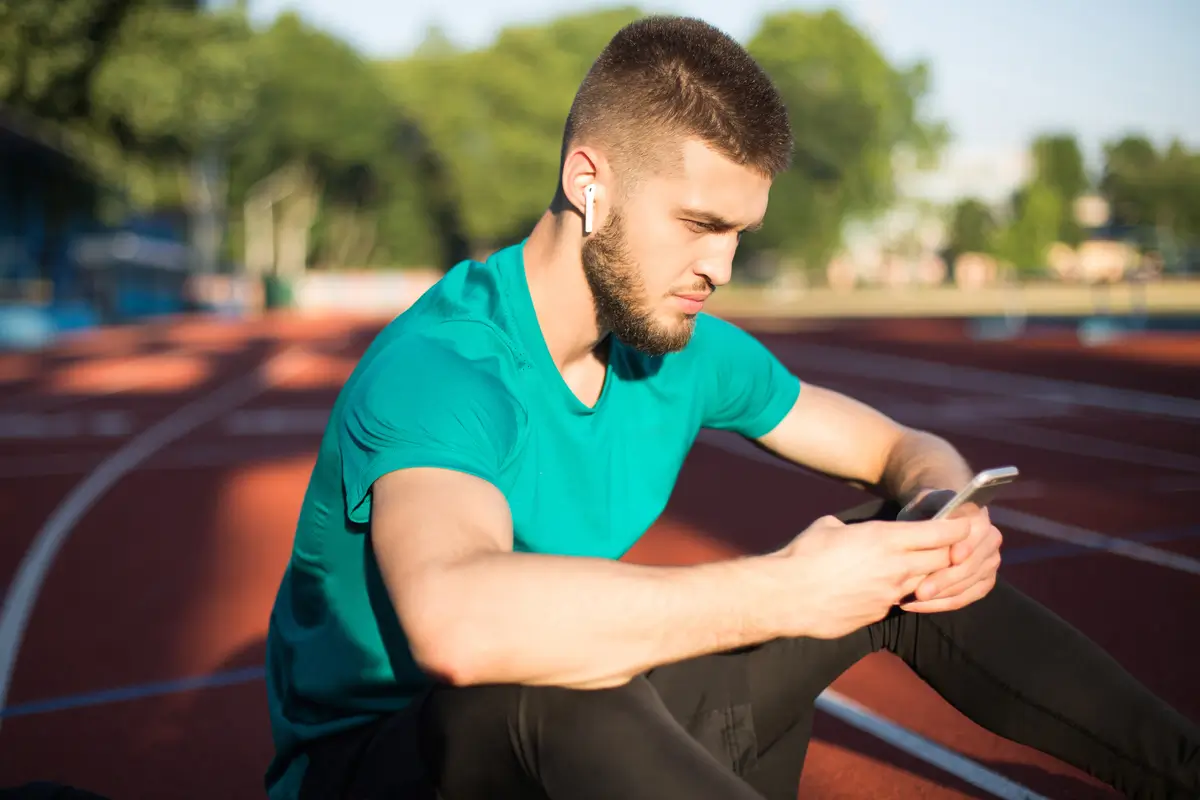
Just a few years ago, a top college athlete couldn’t legally accept a free pizza. Today, stars like quarterback Shedeur Sanders drive luxury cars, and basketball phenom Caitlin Clark partners with global brands like Gatorade. How did we get from strict amateurism to student-athletes earning millions before ever turning pro? The answer is three simple letters: N-I-L.
This massive shift began in 2021, ending decades of rules that barred players from profiting off their own identities. The new policy allows them to be compensated for their “Name, Image, and Likeness”—essentially, for being famous. For the first time, athletes can sign endorsement deals, sell their own merchandise, and act as paid brand ambassadors while still in school. But how does this work in practice, and what does it mean for the future of the game?
Name, Image, Likeness: What Can Athletes Actually Sell?
The headlines often focus on huge dollar amounts, but every NIL deal is built on those three simple words. So, what does NIL mean beyond the acronym? Each term represents a specific personal right an athlete can now sell, turning their popularity into income. Think of them as the three basic tools in an athlete’s new financial toolkit.
First up is Name. This is the most straightforward: an athlete’s ability to be paid for the use of their actual name. When a local t-shirt shop wants to sell merchandise featuring the star quarterback’s last name on the back, that athlete can now get a cut of the sales.
Next, there is Image. This right covers an athlete’s photograph or visual representation. If a local restaurant wants to hang a poster of the university’s star volleyball player in their window to attract customers, they can pay that player for the right to use her photo.
Finally, Likeness refers to any other unique depiction. This is famously used for video games, where a company pays for the right to create a digital avatar that looks, moves, and plays just like the real athlete. These three rights are what give athletes control—but how do they turn that control into a contract with a big brand?
How Top Athletes Get Paid: The Power of a Direct Brand Deal
The most direct way an athlete converts fame into funds is through a brand deal. This is the classic endorsement model: a company, whether a national giant like Gatorade or a local car dealership, pays an athlete directly to appear in an ad, attend an event, or promote its products.
For many of today’s highest paid college athletes, their power lies in a massive online following. Using social media to secure brand deals is now a core strategy, as a single sponsored post from an athlete with millions of followers offers a direct line to consumers—a value brands are eager to pay for.
Crucially, this money comes from the company’s marketing budget, not the university. The school provides the stage, but the brand writes the check. However, these individual contracts with big companies aren’t the only way money is flowing to players.
What Are “Collectives” and Who Really Funds Them?
Beyond major brands, a new and powerful force has emerged to answer the question of where NIL money comes from: the “collective.” Think of a collective as a supercharged fan club, but with a bank account. These are independent organizations, created by alumni and supporters, with the sole purpose of pooling donations to create paid opportunities for a specific university’s student-athletes.
The money for these deals flows from a school’s most passionate and often wealthiest fans, traditionally known as “boosters.” They donate to the collective, which then acts as a matchmaker. It finds ways to pay players from the teams they love. Crucially, while these groups are laser-focused on one school, they are separate businesses, meaning the university itself is not the one paying the players.
This arrangement comes with a critical rule: athletes must provide a service for the payment. A collective can’t just hand a quarterback a check for being on the team. Instead, it pays that quarterback to attend a donor dinner, host a youth football camp, or post about a local business on social media. This system of paying for a task is what keeps most deals within the lines of the current NIL laws.
Who Are the Top NIL Earners and How Are They Cashing In?
While on-field performance drives fame, the highest-paid NIL athletes are often social media powerhouses. Look no further than LSU gymnast Livvy Dunne, who has built an empire on platforms like TikTok and Instagram. With millions of followers, she commands huge fees from brands for a single sponsored post, transforming her gymnastics celebrity into a full-fledged career as a professional influencer. Her success proves that an athlete’s audience is now one of their most valuable assets.
Other top earners, like Colorado quarterback Shedeur Sanders, focus on building a diverse brand portfolio. He represents national giants like Gatorade while also showcasing a luxury lifestyle through high-end local deals, such as with car dealerships. This strategy allows him to secure income from multiple sources, mixing the stability of major corporate partnerships with lucrative, attention-grabbing local endorsements.
Taking it a step further, some players are becoming their own media companies. Sanders’ teammate, two-way star Travis Hunter, has a popular YouTube channel giving fans a behind-the-scenes look at his life. By creating his own content, he controls his narrative and attracts his own advertisers, essentially building a brand that is independent of any single deal.
Ultimately, the strategy for top athletes maximizing their NIL opportunities is clear: it’s about building a personal brand that extends far beyond the stadium. Whether through social media stardom, a collection of high-profile partnerships, or by creating their own content, today’s student-athlete is also a CEO, managing their own business from the dorm room.
The New Reality of College Sports
Just a short time ago, headlines about college athletes earning millions were baffling. The engine behind that money is now clear: a combination of direct brand deals, fan-funded collectives, and the fundamental power of an athlete’s Name, Image, and Likeness.
The effects of NIL are visible in real-time, from a star player appearing in a commercial to shifts in recruiting dynamics. A player’s off-field partnerships have become as crucial to their value as their on-field performance.
This shift marks the permanent future of college sports. The debate is no longer about if athletes should be paid, but how to do so fairly. The old ideal of the unpaid amateur is gone, replaced by the reality of the athlete-entrepreneur—a trend that is only accelerating.
Learn More About the NIL Landscape
Name, Image, and Likeness plays an increasing role in college sports, and understanding how it works often requires more than individual articles or news updates.
RallyFuel is a platform focused on NIL-related topics across college athletics. It brings together information about athletes, NIL activity, and the broader structure behind modern college sports, helping readers explore the topic in more depth.

Leave a Comment