
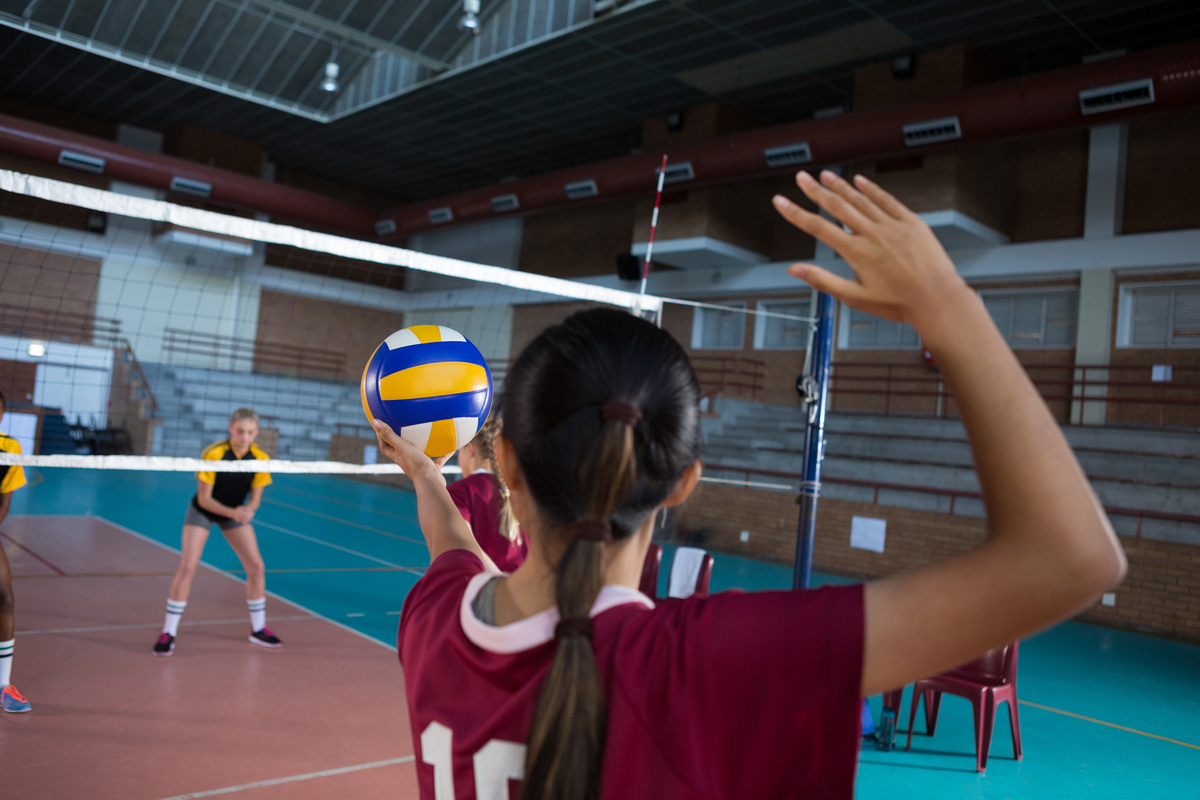
Women’s college volleyball has become one of the fastest-growing sports within the NCAA system. Over the past decade, the popularity of NCAA women’s volleyball tournaments has increased significantly, attracting larger audiences, extensive media coverage, and growing attention from professional volleyball leagues around the world. College programs now serve as an important development stage for athletes who aspire to compete at the international level or join professional volleyball clubs.
Many of today’s rising women’s volleyball athletes first gained recognition while playing for university teams. The NCAA environment allows athletes to compete against top-tier opponents while receiving professional-level coaching and training resources. This combination helps develop elite technical skills, physical strength, and mental resilience.
For volleyball fans, sports analysts, and recruiters, following the top female college volleyball athletes is an exciting way to identify future stars of the sport. These players demonstrate outstanding performances in collegiate competitions and often become key contributors to national teams and professional leagues. As women’s volleyball continues to grow globally, NCAA athletes remain an essential part of the sport’s talent pipeline.
The Rise of
Popularity of NCAA Women’s Volleyball
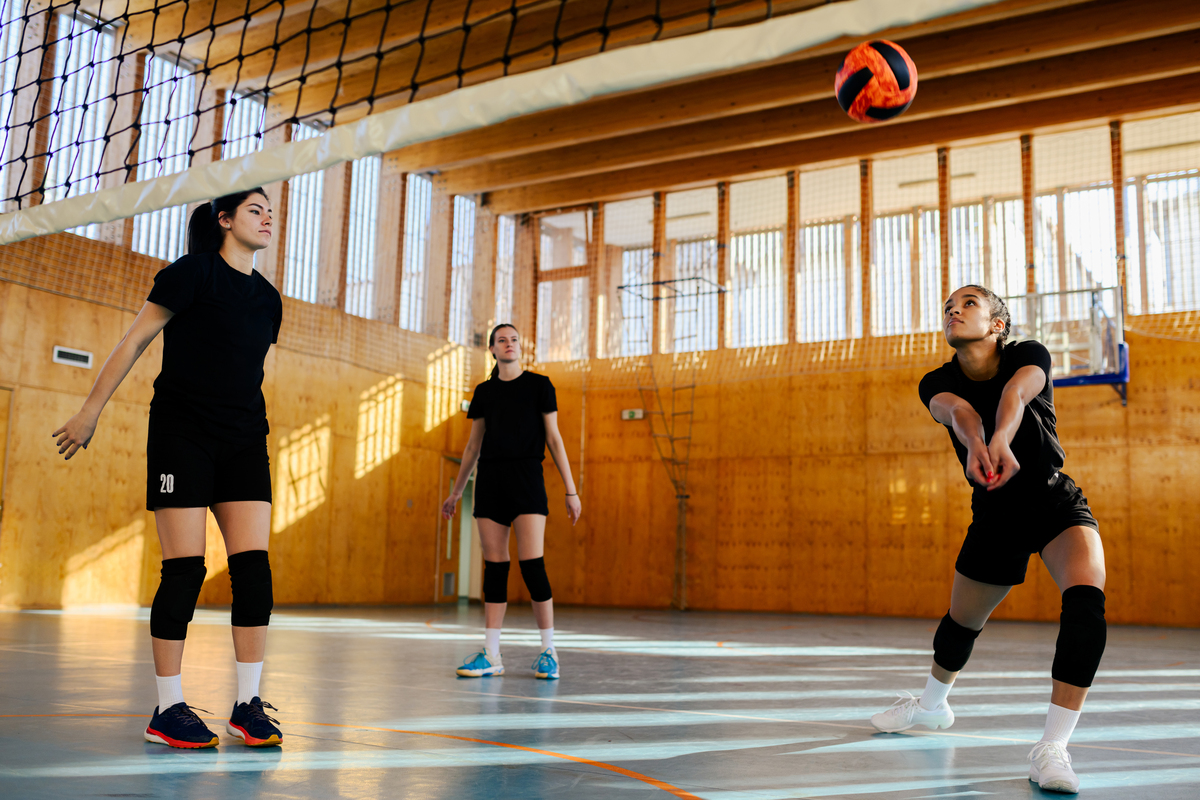
NCAA women’s volleyball has experienced a steady rise in popularity in recent years. Major tournaments such as the NCAA Women’s Volleyball Championship attract millions of viewers and showcase some of the best NCAA women’s volleyball players in the country.
Several factors contribute to this growth:
- expanding media coverage of college sports
- increased fan engagement through digital platforms
- highly competitive university programs
Universities have also invested heavily in their athletic departments, building modern arenas and improving training facilities. These investments allow teams to compete at a higher level and attract talented recruits from across the United States and internationally.
The growing audience for college volleyball has helped transform NCAA volleyball stars into recognizable figures within the sports community.
Pathway from College to Professional Volleyball
College volleyball serves as a major pathway to professional and international competition. Many athletes who excel in NCAA programs later sign contracts with professional clubs in leagues across Europe, Asia, and North America.
In addition to professional leagues, NCAA volleyball players often represent their countries in international competitions such as:
- Olympic Games
- World Championships
- Continental tournaments
Because of this global pathway, scouts and recruiters closely monitor top women’s college volleyball prospects during NCAA seasons. Players who demonstrate consistent performance, strong technical skills, and leadership qualities often become future professional volleyball players from college programs.
Key Skills of Elite Female
Athletic Ability
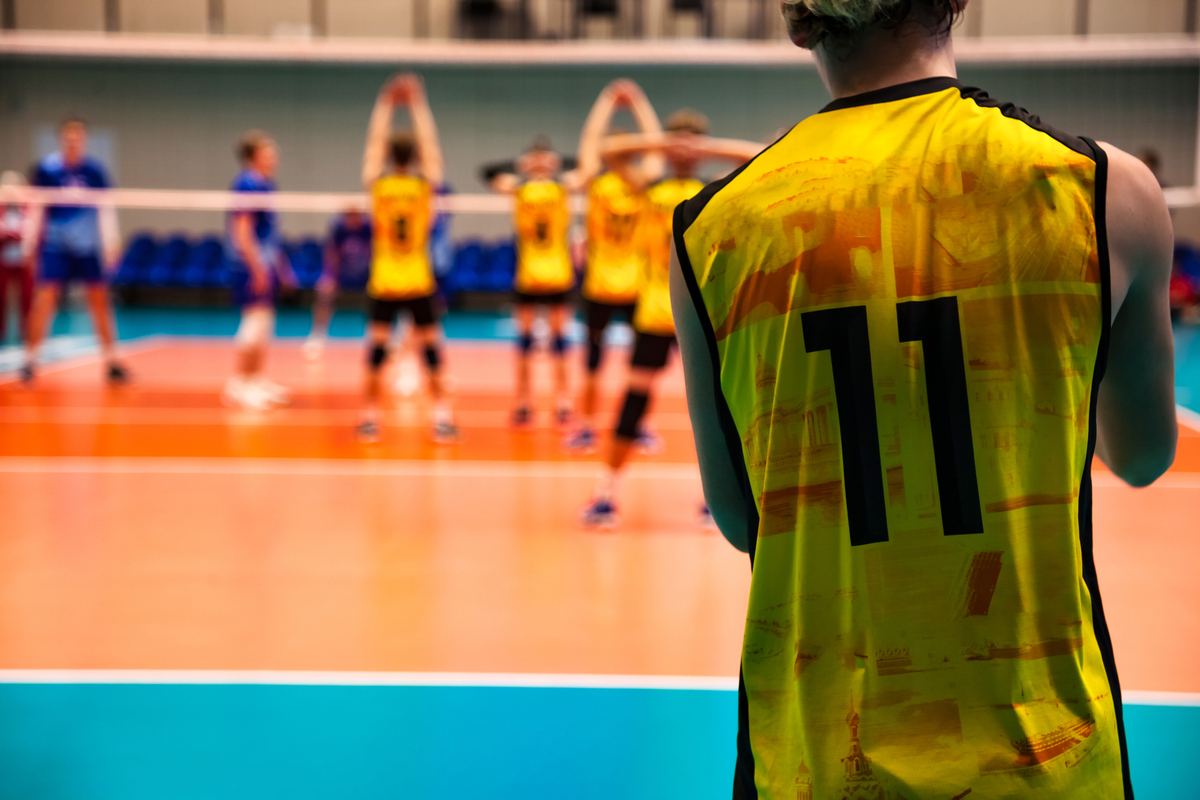
Elite volleyball athletes require exceptional physical conditioning to perform at a high level. Vertical jumping ability is particularly important for attackers and blockers because it allows them to reach above the net and dominate rallies.
Other essential physical attributes include:
- speed and agility for quick court movement
- explosive power for strong spikes
- endurance for long matches and tournaments
Athletes who combine these qualities often stand out among rising women’s volleyball athletes.
Technical Skills
Technical skills are the foundation of elite volleyball performance. The best NCAA women’s volleyball players demonstrate excellent control over their movements and execution of core volleyball techniques.
Key technical abilities include:
- powerful and accurate spiking
- effective blocking techniques
- precise setting and ball distribution
- strong defensive positioning
Setters, for example, must control the tempo of the game and distribute the ball strategically to attackers. Meanwhile, middle blockers rely on timing and positioning to disrupt opposing offenses.
Mental Strength
Mental toughness is another critical factor in volleyball success. Matches often involve intense rallies and momentum swings, requiring athletes to remain focused and confident.
Important mental attributes include:
- leadership on the court
- quick decision-making
- composure under pressure
Players who demonstrate these qualities often become leaders within their teams and stand out as NCAA volleyball stars.
Top Female College Volleyball Athletes
Several athletes have recently gained recognition for their outstanding performances in NCAA women’s volleyball competitions. These players represent some of the top women’s college volleyball prospects and have the potential to pursue professional careers after graduation.
| Player | Position | College | Key Strength |
|---|---|---|---|
| Logan Eggleston | Outside Hitter | Texas | Powerful attacks |
| Lexi Rodriguez | Libero | Nebraska | Elite defense |
| Kami Miner | Setter | Stanford | Game control |
| Devyn Robinson | Middle Blocker | Wisconsin | Strong blocking |
These athletes illustrate the variety of talent present in women’s college volleyball programs.
Logan Eggleston has become one of the most dominant outside hitters in NCAA volleyball. Her ability to generate powerful attacks and maintain consistent scoring makes her one of the most exciting offensive players in the sport.
Lexi Rodriguez stands out as one of the best defensive specialists in college volleyball. As a libero, her quick reactions and court awareness allow her to successfully handle difficult attacks from opposing teams.
Kami Miner has earned recognition as a talented setter who controls the tempo of her team’s offense. Her ability to deliver accurate sets and coordinate plays makes her a crucial part of Stanford’s volleyball program.
Devyn Robinson is known for her exceptional blocking skills and physical presence at the net. Middle blockers like Robinson play an important role in stopping opposing attackers and maintaining defensive stability.
Together, these athletes represent the next generation of professional volleyball talent emerging from NCAA programs.
How Coaches and Scouts Evaluate Volleyball Talent
Performance Statistics
Volleyball performance is often evaluated through detailed statistics that measure player impact during matches.
Common metrics include:
- kills per set
- blocks per set
- assists per set
- digs per set
These statistics provide insights into how effectively a player contributes to their team’s performance.
Physical and Technical Potential
In addition to statistics, scouts analyze physical attributes and technical potential.
Important factors include:
- vertical jump height
- reaction speed
- coordination and timing
- overall court awareness
Players who demonstrate strong physical tools combined with refined technical skills often become top women’s college volleyball prospects.
Leadership and Team Impact
Leadership qualities also play a major role in player evaluation. Athletes who communicate effectively with teammates and demonstrate strong competitive mindsets often become influential figures within their teams.
Coaches value players who inspire teammates, maintain discipline, and perform consistently in crucial moments.
Colleges Known for Strong Women’s Volleyball Programs
Some universities have developed reputations for producing elite volleyball players and consistently competing at the highest level of NCAA tournaments.
| College | Notable Achievements | Program Strength |
|---|---|---|
| Stanford | Multiple NCAA titles | Elite development program |
| Nebraska | Consistent tournament appearances | Strong coaching staff |
| Texas | Top-ranked teams | High-level recruitment |
| Wisconsin | Championship contender | Player development pipeline |
These universities combine strong recruiting networks with experienced coaching staffs and modern training facilities.
As a result, they consistently attract top volleyball prospects and provide athletes with opportunities to develop into professional-level players. The competitive environments within these programs push athletes to refine their skills and perform at the highest level.
Additionally, these schools often receive extensive media coverage during major tournaments, increasing visibility for NCAA volleyball stars and helping them gain recognition among scouts and professional clubs.
Future Trends in Women’s College Volleyball
The future of women’s college volleyball will likely be influenced by several emerging trends in sports development.
One important factor is the use of advanced training technologies such as motion tracking and biomechanical analysis. These tools help athletes improve technique and reduce injury risk.
Sports analytics is also becoming more prominent in volleyball strategy. Coaches now use performance data to analyze player movements, attack efficiency, and defensive positioning.
Another major development is the expansion of NIL opportunities for female athletes. Through Name, Image, and Likeness programs, college athletes can now build personal brands and collaborate with sponsors while still competing in collegiate sports.
Global recruitment is also increasing. Many NCAA programs recruit talented athletes from international volleyball systems, further raising the level of competition within college volleyball.
Conclusion
Women’s college volleyball plays a crucial role in developing the next generation of professional volleyball players. NCAA programs provide athletes with elite coaching, advanced training facilities, and opportunities to compete against strong opponents.
The top female college volleyball athletes demonstrate exceptional athletic ability, refined technical skills, and strong leadership qualities. These attributes allow them to excel in collegiate competitions and prepare for professional careers.
As the sport continues to grow globally, NCAA volleyball will remain an essential pathway for athletes seeking success in international competitions and professional leagues.
For fans and scouts alike, following college volleyball offers a unique opportunity to discover the future stars of the sport.
Learn More About the NIL Landscape
Name, Image, and Likeness plays an increasing role in college sports, and understanding how it works often requires more than individual articles or news updates.
RallyFuel is a platform focused on NIL-related topics across college athletics. It brings together information about athletes, NIL activity, and the broader structure behind modern college sports, helping readers explore the topic in more depth.
👉 Explore the Athletes on RallyFuel – Discover top college athletes, compare NIL valuations, and dive deeper into the world of NIL.
FAQ
Who are the best female college volleyball players right now?
Some of the most notable athletes currently compete for programs such as Texas, Stanford, Nebraska, and Wisconsin. These players consistently deliver strong performances in NCAA tournaments.
How do scouts evaluate women’s volleyball athletes?
Scouts analyze performance statistics, physical attributes, technical skills, and leadership qualities to determine an athlete’s long-term potential.
Which colleges have the best women’s volleyball programs?
Universities such as Stanford, Nebraska, Texas, and Wisconsin are widely recognized for their successful volleyball programs and player development systems.
Can college volleyball players become professionals?
Yes. Many NCAA athletes sign contracts with professional volleyball clubs or join national teams after completing their college careers.
What statistics are most important in volleyball?
Important metrics include kills per set, blocks per set, assists, digs, and attack efficiency.




Leave a Comment