

Until recently, a college track star could lose their scholarship simply for accepting a free pair of running shoes. Today, those same athletes are signing lucrative contracts with major brands like Nike before they even graduate. This drastic turnaround comes from a historic 2021 policy shift by the NCAA, finally allowing students to profit from their Name, Image, and Likeness (NIL).
Think of NIL as a “professionalism light” switch. It grants college competitors the same rights as social media influencers: the ability to make money from their own fame while staying in school. Under current college sports NIL regulations, runners and jumpers can now operate like small businesses, turning their personal bests into financial assets.
While football dominates domestic broadcasts, track and field offers a unique global stage that sponsors find irresistible. A linebacker might be a local hero, but a sprinter has Olympic potential that reaches audiences worldwide. Consequently, NIL college athletes in track are quietly securing major earnings. For those wondering what the average NIL payout for track athletes is, the answer reveals a landscape where speed creates life-changing capital.
How Social Media Reach Transforms Track Performance into Marketable NIL Value
While crossing the finish line first is still the primary job of a collegiate sprinter, speed alone rarely guarantees a payday. In the modern landscape of college sports, a gold medal might get you on the podium, but a viral TikTok video gets you on the payroll. Brands are looking for influence, not just athleticism. This dynamic creates a unique reality where a top-ranked runner with a quiet online presence might earn significantly less than a mid-pack finisher who entertains a million fans daily.
To make sense of this financial potential, the industry relies on a standard metric called the On3 NIL Valuation. Think of this like a stock price for athletes; it estimates the annual monetary value of a player’s brand. It combines their roster value—what they contribute to their team’s actual success—with their personal media reach. This number gives fans and sponsors a concrete benchmark to understand exactly what a specific athlete’s endorsement signature is worth in the open market.
However, raw follower counts tell only half the story. Smart companies prioritize engagement rate—the percentage of followers who actually like, comment, or share a post. A smaller, loyal audience that trusts an athlete’s recommendation is often more valuable to a sponsor than a massive, silent crowd. Several key factors combine to determine this final valuation:
- Social Media Engagement: How actively fans interact with content.
- Athletic Ranking: National standing within their specific event.
- Market Size: The media exposure of the athlete’s university.
- Brand Niche: Unique personality traits or lifestyle content.
This data-driven approach has turned college track and field into a meritocracy of influence, allowing savvy student-athletes to build six-figure portfolios. Specific athletes have already mastered this formula to maximize their returns.
Meet the Million-Dollar Sprinters: Real-World Valuations of Today’s Top Track Stars
A surprising trend emerges among the highest earning track and field student-athletes: female athletes are dominating the leaderboard. Unlike football or basketball where male athletes often command the spotlight, the track and field ecosystem favors women who combine elite performance with massive social media engagement. This unique dynamic has placed women at the forefront of the top Track and Field NIL Athletes in College Sports, allowing them to command six-figure valuations that rival professional salaries.
Take Parker Valby, the standout distance runner from the University of Florida, who fundamentally changed the perceived value of a collegiate runner. Instead of settling for small, local endorsements, Valby signed a historic agreement with New Balance. This partnership allows her to appear in global marketing campaigns for a major sportswear giant while still competing for the Gators, blending professional-level fame with amateur eligibility in a way that was legally impossible just a few years ago.
Kentucky hurdler Masai Russell offers a different but equally successful blueprint by building a diverse portfolio of lifestyle partners. Rather than relying on a single massive shoe contract, Russell leveraged her million-plus followers on TikTok to secure deals with brands ranging from Gymshark to mainstream beauty companies. Her success demonstrates that a vibrant personality and consistent content creation can drive value just as effectively as winning national championships.
Tracking the top female track and field earners like Valby and Russell reveals that these students are effectively operating as small media companies. Their ability to connect with a general audience—reaching people who may never watch a track meet on TV—makes them incredibly attractive to advertisers. In this new economy, being fast is simply the prerequisite; being relatable is what generates real wealth.
However, the specific event an athlete runs often dictates which companies come calling. A marathoner and a 100-meter dasher project different images, and savvy marketing teams recognize that distinction. Understanding why a shoe company might prefer a distance runner while a tech brand targets a sprinter helps explain the nuance of these lucrative deals.
Sprints vs. Distance: Why Event Type Changes Which Brands Want to Hire You
Advertisers view the 100-meter dash differently than a 10K run because the emotional connection varies wildly between the two. Sprinters represent explosive power and instant gratification, an image that aligns perfectly with lifestyle brands, high-end electronics, and fashion. This high-energy persona allows them to transcend the track, often appealing to companies that want to project confidence and speed to a general consumer base.
Marketing teams analyzing collegiate sprinter endorsement deals vs field events frequently lean toward sprinters for campaigns requiring a distinct “cool factor.” These athletes effectively act as models who happen to be fast, making them prime targets for headphones like Beats by Dre or apparel labels targeting younger demographics. The visual nature of sprinting—often highlighted by slow-motion replays and muscular physiques—lends itself naturally to visual platforms like Instagram and TikTok, where aesthetic appeal drives engagement.
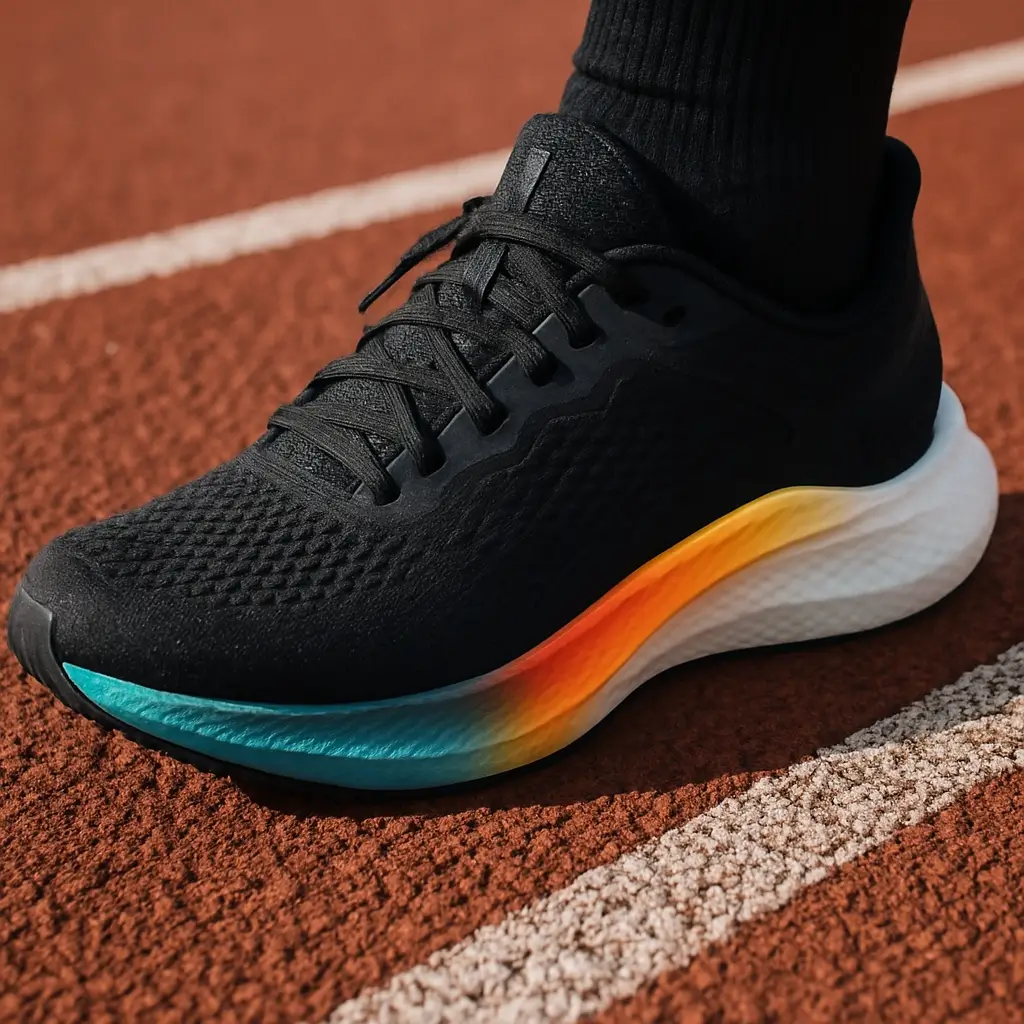
Conversely, distance runners embody grit, longevity, and health, making them the ideal ambassadors for functional products. A distance runner’s audience is often composed of fellow hobby joggers looking for technical advice, which drives NIL sponsorship deals toward nutrition gels, recovery tools, and premium footwear. While a sprinter might sell a “vibe” or a look, a distance runner sells the specific tools needed to survive a grueling workout, creating a deeply loyal customer base rooted in utility rather than just image.
Success in this marketplace ultimately requires athletes to understand which consumer psychology fits their specific event. This strategic alignment is the cornerstone of maximizing NIL earnings for non-revenue sports, ensuring that even athletes outside the major TV slots can build profitable partnerships. For those ready to turn this theory into a paycheck, the process starts with a simple plan that doesn’t even require a professional manager.
The 3-Step Strategy for Securing Track and Field Brand Deals Without a Pro Agent
Securing a sponsorship doesn’t necessarily require a high-powered legal team or a rolodex of corporate contacts. In reality, most collegiate track athletes manage their own commercial portfolios by treating themselves as small media businesses first and athletes second. This “do-it-yourself” approach has democratized access to funding, allowing a pole vaulter with a modest following to earn money just like a star quarterback.
Successful student-athletes typically follow a straightforward blueprint regarding how to secure track and field brand deals:
- Curate a Professional Aesthetic: Brands look for clean, consistent content, so athletes optimize their social profiles to highlight personality and marketability alongside athletic performance.
- Join the Team Pool: Athletes actively register with a university-specific NIL Collective, which functions like a booster-funded salary pool designed to support players from that specific school.
- Protect the Eligibility: Before cashing a check, every athlete must disclose contracts to their university’s compliance office to ensure they don’t accidentally violate NCAA amateurism rules.
While social media creates opportunities for product advertisements, many track athletes find steady income through NIL collectives. These organizations are usually independent of the university but funded by wealthy alumni who want to see their alma mater win. For a track athlete, joining a collective is less about selling a specific energy drink and more about engaging with the local fan base—often signing autographs or attending charity events in exchange for a monthly stipend.
Administrative safety is the final, critical piece of the puzzle. The legal requirements for college athlete endorsement contracts mandate absolute transparency; failing to report a deal can technically strip an athlete of their scholarship or team eligibility. By mastering this balance of self-promotion and strict rule-following, college stars are now staying in school longer, dramatically altering the traditional timeline for turning professional.
Why NIL Is Changing the Path to the Olympics for Collegiate Athletes
For decades, the impact of NIL on track and field recruiting was non-existent because the system forced a hard choice: stay poor in the dorms or turn pro to afford groceries. Gifted athletes frequently abandoned their degrees to sign contracts, but today, that financial pressure has evaporated. Future Olympians can now earn six-figure incomes while utilizing state-of-the-art university facilities that often rival professional training centers.
The primary benefits of NIL for Olympic track hopefuls center on the gift of time. Instead of rushing into the high-pressure pro circuit at age 19, athletes can mature physically within a supportive college team environment. Consequently, NCAA championships are becoming “super-collegiate” events, as stars who would have previously left early are choosing to stay and defend their school titles against world-class competition.
Fans ultimately win because they get to follow these journeys for four full years rather than watching athletes disappear into the pro circuit early. We are now seeing household names arriving at the Olympic Village with established fanbases and degrees in hand. This retention of talent changes how we identify the next generation of gold medalists.
How to Spot the Next Big Track Star Before They Hit the Global Stage
The old narrative of the struggling amateur has been replaced by a dynamic ecosystem where sprint times and follower counts are equally valuable currency. We have moved past the initial shock of “pay-for-play” into a mature landscape where athletic potential directly translates into life-changing financial opportunity.
To spot the next generation of “Million-Dollar Sprinters,” look beyond the finish line to the digital sideline. The top Track and Field NIL Athletes in College Sports are those who master the difficult art of balancing intensive training with sponsorship obligations. When you see a new champion crowned at an NCAA meet, check their social media immediately; if their personality matches their speed, you are likely looking at the industry’s next major brand ambassador.
This fusion of digital influence and physical excellence is the new blueprint for athletic stardom. As we approach future Olympic cycles, expect these collegiate powerhouses to completely reshape how we consume sports. The race is no longer just about who breaks the tape first, but who builds the most compelling platform along the way.
Learn More About the NIL Landscape
Name, Image, and Likeness plays an increasing role in college sports, and understanding how it works often requires more than individual articles or news updates.
RallyFuel is a platform focused on NIL-related topics across college athletics. It brings together information about athletes, NIL activity, and the broader structure behind modern college sports, helping readers explore the topic in more depth.



Leave a Comment