
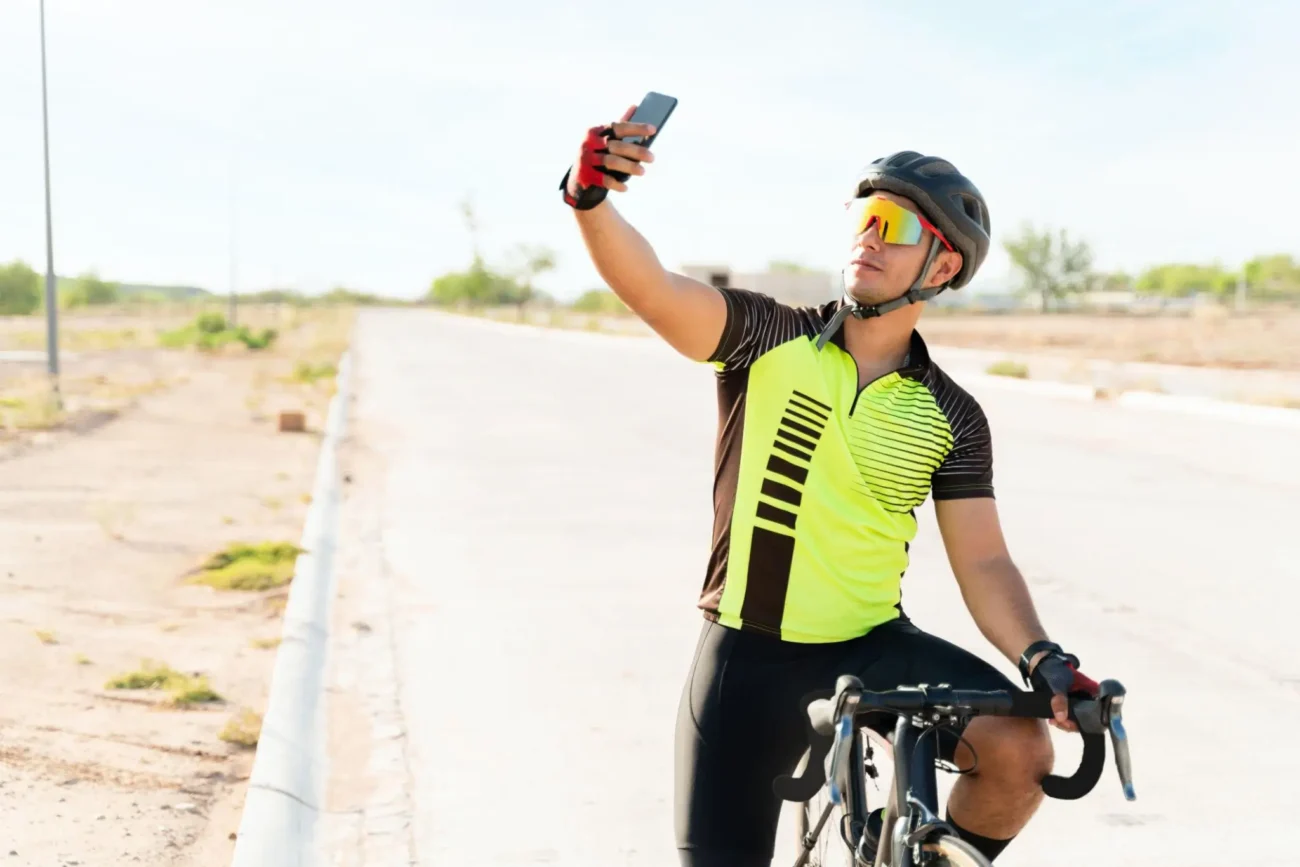
You’ve seen the headlines about million-dollar college quarterbacks, but Name, Image, and Likeness (NIL) contracts look vastly different in endurance sports. Industry data reveals triathlon is a notoriously high-cost entry sport, where gear and travel cost thousands. Rather than buying luxury cars, student-athletes use Triathlon nil deals to navigate NCAA eligibility rules for endurance athletes, turning local triathlon deals into essential funding for race fees and bikes. Savvy competitors also time purchases around triathlon black friday deals to stretch limited budgets on must-have gear.
Summary
Triathlon NIL deals help student-athletes offset the sport’s high costs by leveraging niche social media influence for targeted, often gear-focused sponsorships and seasonal triathlon deals rather than large paychecks. Common arrangements include gear-only, cash-for-content, and performance bonuses, all managed within strict NCAA compliance (green/yellow/red guidance, reporting, and uniform restrictions). Building a clear personal brand with a media kit and marketplace presence—plus basic tax and financial planning—creates sustainable support that aligns with eligibility rules and long-term racing goals.
From Social Media to Sponsorships: How Student-Triathletes Turn Influence Into Gear
Why would a shoe brand care about a college racer with just 2,000 followers? Unlike mainstream sports, endurance racing relies on “niche influence.” If those followers are active competitors seeking recommendations, that highly targeted audience is a goldmine. Today, brands are heavily valuing social media engagement for sponsors when it comes directly from trusted, community-level peers. For many athletes, these targeted triathlon deals convert well because they reach highly engaged racers.
Because competing is notoriously expensive, monetizing athletic influence on Instagram and TikTok often means trading posts for equipment rather than massive paychecks. Earning crucial triathlon bike deals keeps young athletes racing without taking on debt. Three common endurance NIL deals include:
- Gear-only (trading content for wetsuits or bikes)
- Cash-for-content (flat rates per sponsored post)
- Performance bonuses (financial rewards for race placements)
Before signing these valuable contracts, athletes must ensure all agreements comply with strict collegiate regulations to protect their competitive status.
Staying Eligible: Navigating the Traffic Lights of NCAA Endurance Rules
Navigating the new NCAA eligibility rules for endurance athletes requires treating sponsorships like a traffic light. Green means go for partnerships with local bike shops or independent nutrition brands, and even retailer promotions offering triathlon deals on essentials. Yellow signals a “category conflict,” urging caution if a personal sponsor directly competes with the university’s official apparel contracts. Finally, red means a complete stop for prohibited industries like gambling or alcohol.
Even when a contract is perfectly safe, mandatory compliance reporting for university athlete partnerships ensures schools approve every agreement before it begins. Furthermore, students must navigate strict professional versus collegiate triathlon sponsorship limits. Unlike independent pros who can wear any logo they choose while racing, college competitors cannot display personal sponsors on official team uniforms. Maintaining clear boundaries between personal sponsorships and official team gear keeps athletes eligible for competition.
Building Your Brand: The Essential Tools for Securing Triathlon NIL Deals
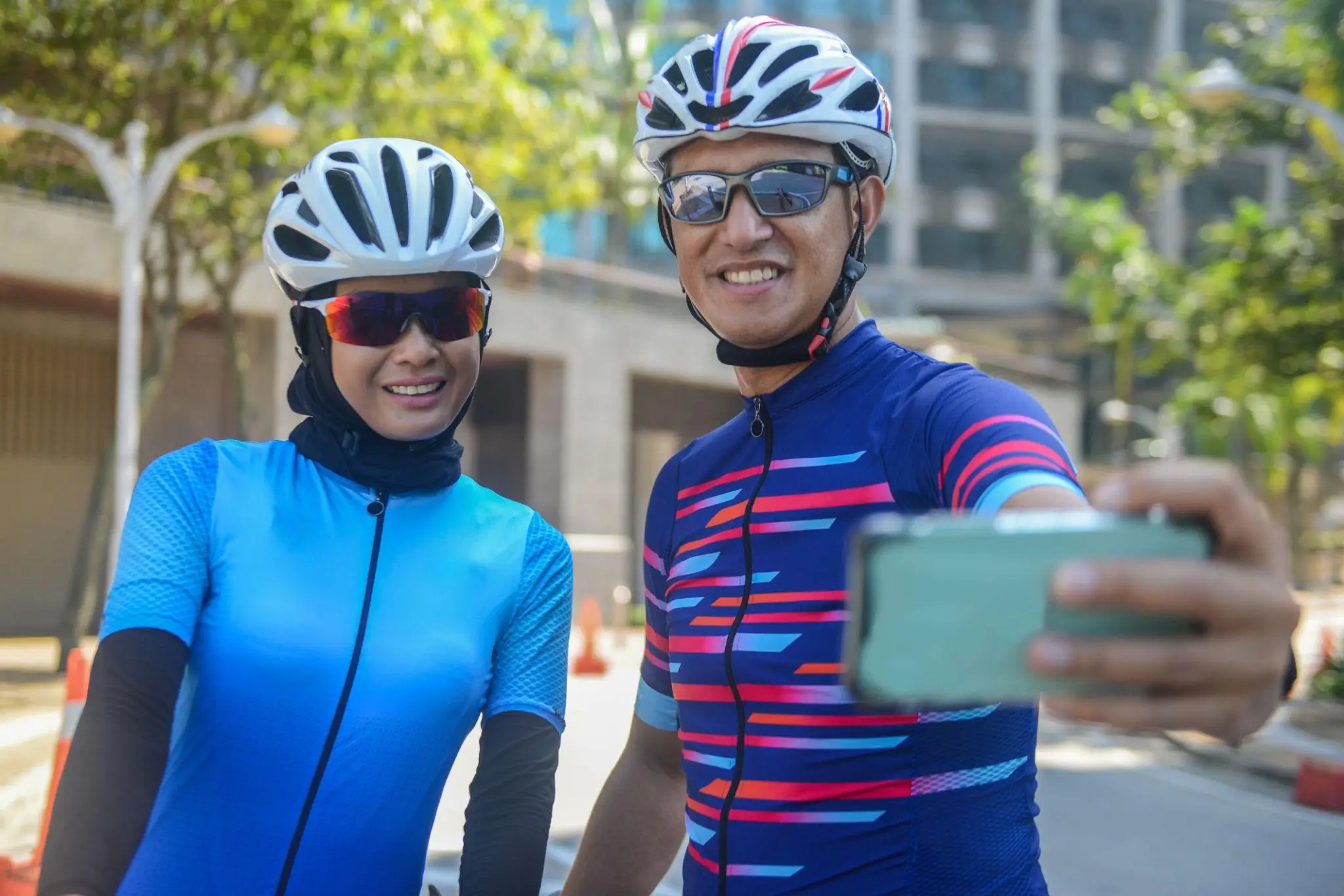
Learning how to build a personal brand for triathletes requires joining digital NIL marketplaces and creating an athlete media kit for brands that you can leverage for Triathlon nil deals and gear support. This modern resume needs four items: a professional headshot, engagement stats, a list of race results, and a clear contact email. Because accepting free bicycles carries tax implications for student-athlete income, proper planning prevents financial surprises. Mastering these basic business tools lays the foundation for sustainable athletic funding.
The Finish Line: How NIL Deals are Leveling the Playing Field for Endurance Athletes
USA Triathlon collegiate recruitment and NIL deals offer unprecedented opportunities to fund your athletic career. Start today by cleaning up your social media, building a simple media kit, and contacting local shops. As sponsorships grow, prioritize financial literacy to responsibly manage physical gear and monetary income. With clear goals, Triathlon nil deals can complement seasonal triathlon deals from local shops, ensuring the support you secure aligns with NCAA rules and your long-term plan. Proper planning ensures this modern side-hustle sustainably fuels your racing journey to the finish line.
Learn More About the NIL Landscape
Name, Image, and Likeness plays an increasing role in college sports, and understanding how it works often requires more than individual articles or news updates.
RallyFuel is a platform focused on NIL-related topics across college athletics. It brings together information about athletes, NIL activity, and the broader structure behind modern college sports, helping readers explore the topic in more depth.
Frequently Asked Questions
Question: How are NIL deals in triathlon different from the big-money contracts we see in major college sports?
Short answer: In endurance sports like triathlon, NIL deals are typically smaller and gear-focused, aimed at offsetting high costs (bikes, race fees, travel) rather than delivering large paychecks. Brands value “niche influence,” where a few thousand engaged followers who actively race convert better than broad, mainstream audiences. As a result, most student-triathlete agreements involve equipment support, modest cash-for-content, and performance bonuses tied to results—structured to stay within NCAA rules and the realities of the sport’s budget.
Question: What kinds of NIL arrangements are most common for student-triathletes?
Short answer: Three formats show up most: 1) gear-only deals that trade social posts for essentials like wetsuits or bikes, 2) cash-for-content with flat fees per sponsored post, and 3) performance bonuses that reward race placements. Many athletes also stretch limited budgets by timing purchases around seasonal triathlon deals (like Black Friday) to complement sponsorship support.
Question: What does the NCAA “traffic light” approach to sponsorships mean in practice?
Short answer: Think green, yellow, red. Green: go ahead with partnerships such as local bike shops, independent nutrition brands, and retailer promotions offering triathlon deals. Yellow: proceed cautiously when a personal sponsor conflicts with your university’s official categories (for example, competing apparel brands). Red: stop—prohibited industries like gambling or alcohol are off-limits. Regardless of category, athletes must submit every agreement for university compliance approval before it begins, and they cannot display personal sponsor logos on official team uniforms—keeping a clear line between personal deals and team gear.
Question: I only have about 2,000 followers—can I still land meaningful triathlon NIL deals?
Short answer: Yes. Triathlon rewards niche influence: a smaller, highly engaged audience of active racers is valuable to brands. To convert that interest, clean up your social channels, join digital NIL marketplaces, and build a simple media kit highlighting a professional headshot, engagement stats, race results, and a clear contact. Start by pitching local shops and category-fit brands; posts that offer authentic recommendations to fellow competitors often perform best.
Question: What planning should I do before accepting gear or money from a sponsor?
Short answer: Prepare like a small business. Create an up-to-date media kit, understand and follow your school’s compliance reporting process, and keep personal sponsors separate from team uniforms to protect eligibility. Plan financially too—free gear like bicycles can carry tax implications, so basic budgeting and record-keeping help avoid surprises. Align each deal with your long-term racing goals and use seasonal triathlon discounts to extend sponsor support where possible.

Leave a Comment