
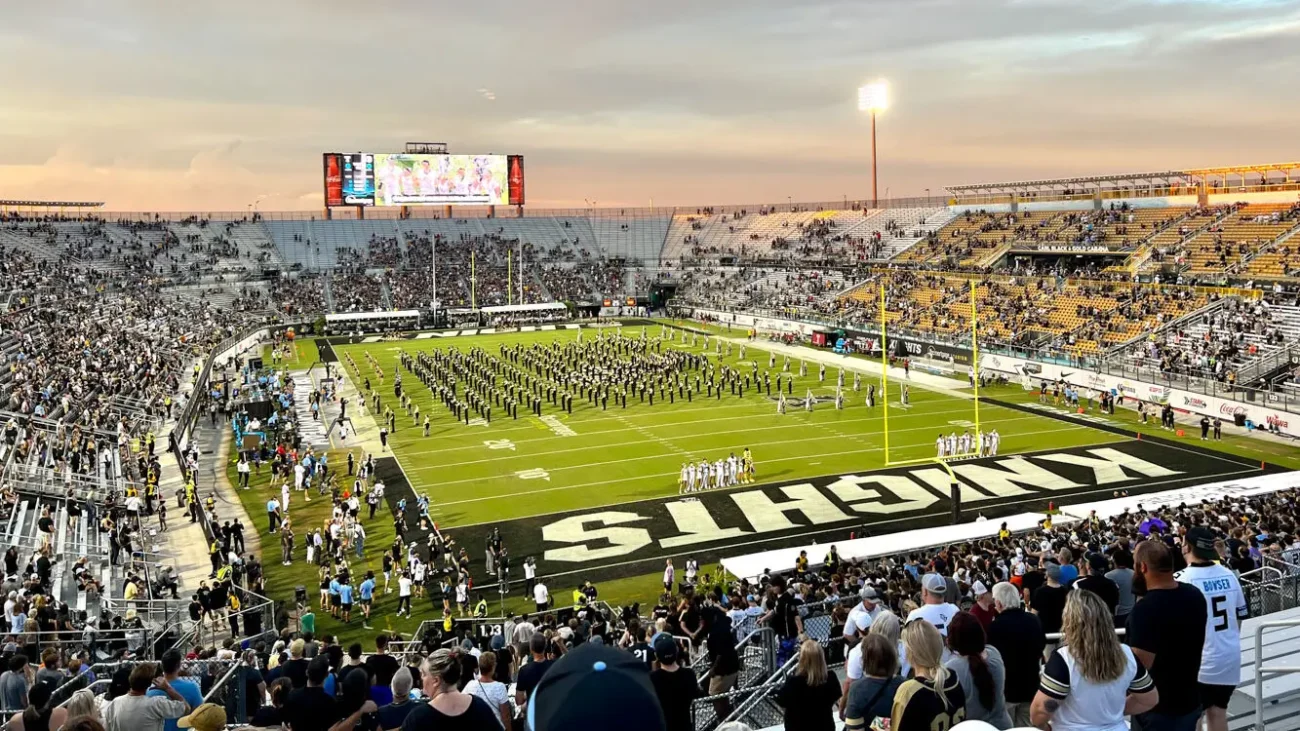
If you’ve driven down Alafaya Trail recently, you might have noticed a shift on the billboards. Those familiar faces aren’t just wearing jerseys; they are promoting local businesses. This visibility represents the heart of university of Central Florida nil deals—modern “summer jobs” where fame pays the bills.
Entering the Big 12 conference raised the stakes. While the impact of Big 12 move on UCF NIL increased player value, the university does not pay these athletes directly. Instead, money flows from businesses and fan groups to the players in exchange for legitimate marketing work.
Navigating this landscape can feel confusing. Since industry experts note that successful ucf nil deals rely on community support, this guide explains exactly how the business of being a Knight works today.
Summary
UCF’s NIL ecosystem hinges on legitimate, quid pro quo marketing work paid by businesses and collectives—not the university—with the Big 12 move elevating athlete market value. The Kingdom collective pools fan and booster support to retain talent through structured deliverables, education, and community engagement, while local businesses can contract athletes directly via the Opendorse-powered UCF NIL Marketplace. All deals require UCF compliance review, include tax considerations, and carry special restrictions for international students, with growing opportunities across women’s sports. Ultimately, fan and business participation translates into on-field competitiveness and long-term program success.
Is it a Job or a Scholarship? Demystifying Name, Image, and Likeness at UCF
While scholarships cover tuition, NIL operates closer to a traditional job. Think of it as a “modern summer job” that runs year-round. An athlete isn’t paid by UCF to play; they are paid by a business to perform a service, like signing autographs or posting on social media.
This exchange creates a requirement known as quid pro quo, or “this for that.” Money cannot be a reward strictly for winning games. A linebacker cannot receive a check just for making a tackle; they must provide a tangible service to keep the college athlete NIL deal legitimate.
Florida recently updated its playbook with House Bill 7B to support this model. Previous Florida state NIL law requirements prevented universities from facilitating connections, but new legislation allows coaches to help organize these opportunities. This shift keeps UCF sponsorships competitive against schools with looser regulations.
Since the university itself doesn’t sign the paychecks, a specialized entity has emerged to manage these transactions. Funds move from fans to athletes through the engine driving UCF’s retention strategy.
Inside “The Kingdom”: How UCF’s Premier NIL Collective Fuels Player Retention
Most fans cannot afford to fund a million-dollar endorsement deal on their own, but they still want to see the Knights succeed in the Big 12. This is where The Kingdom UCF NIL collective steps in. Acting as a centralized engine, it pools resources from thousands of alumni and supporters to create paid opportunities for athletes that the university legally cannot fund directly.
Retention is the primary focus of this modern strategy. Through initiatives like “Mission Control,” the collective aggregates monthly subscriptions to ensure current roster talent remains in Orlando rather than leaving for the transfer portal. This model solves the puzzle of how to support UCF student-athletes financially, ensuring that when stars stay, they are compensated for their value to the community.
Your contribution translates into active work for the players rather than a handout. The Kingdom structures these legitimate business exchanges through:
- Direct monthly stipends in exchange for exclusive social media content and interviews.
- Community service appearances with local non-profits and youth organizations.
- Brand education to help players manage their taxes and public image.
While the role of boosters in UCF recruiting and retention is critical for the collective, there is another avenue for commercial growth. Small business owners have a different playbook available to them.
Launching Your Brand in the 407: How Local Businesses Partner with UCF Athletes
You don’t need to be a corporate giant or a mega-donor to put a Knight on your payroll. For the coffee shop owner in Oviedo or the car mechanic in Winter Park, individual partnerships offer a unique way to tap into Orlando brand partnerships for student-athletes. Unlike the collective, which pools funds for broad impact, these deals are direct commercial exchanges between your business and a specific player.
Finding the right ambassador starts with the UCF Knights NIL marketplace registration. Think of this official platform, powered by Opendorse, as an online job board specifically for college sports. It removes the need for expensive agents or “middlemen” by allowing you to filter athletes by sport, social media follower count, or price range. Once you are in the system, the process is designed to be as simple as ordering a service online:
- Register on the Opendorse Marketplace as a business entity.
- Browse athlete profiles to find a personality that fits your brand.
- Send a contract offer detailing the payment amount and specific requirements.
- Confirm the ‘deliverable’ (the completed work) once the athlete submits proof.
Most local deals revolve around digital marketing, where the “deliverable” is an Instagram Story featuring your product or a TikTok shoutout. However, because these are professional transactions, financial reporting is mandatory. If you pay an athlete more than $600 in a calendar year, you must issue a 1099 form, triggering necessary tax advice for Florida college athletes regarding self-employment income. While handling the money correctly keeps the IRS happy, navigating the NCAA’s rulebook—especially for international players—requires even closer attention to detail.
Keeping it Legal: UCF Compliance Guidelines and the International Student Hurdle
Before any money changes hands, every contract must pass through the UCF athletic department compliance guidelines to ensure the university stays off the NCAA’s radar. This step acts like a safety inspection; the compliance office reviews terms to confirm the deal isn’t a disguised “pay-for-play” bribe or an illegal recruiting inducement, either of which could jeopardize a player’s eligibility on game day.
While domestic students can sign almost any commercial contract, the situation gets complex for Knights hailing from overseas. A frequently asked question is, can international student-athletes earn NIL money while studying on a student visa? Generally, strict F-1 visa laws prohibit “active” off-campus employment, meaning an Australian punter cannot be paid to sign autographs or film commercials in Orlando, effectively limiting them to passive licensing income.
Opportunity extends beyond the gridiron, as high social media engagement creates massive potential for women’s sports. Dedicated NIL resources for UCF female athletes help members of the volleyball and cheer teams monetize their brands effectively, ensuring the “Big 12” era benefits the entire roster. With the legal groundwork set, the final piece is understanding how this financial support creates a competitive edge.
The Scoreboard of Success: How Fans and Businesses Shape UCF’s Competitive Edge
The transition to the Big 12 demands a new mindset. Name, Image, and Likeness isn’t just about billboards; it represents the fuel required to keep top talent in Orlando and recruit the next generation of stars. This knowledge transforms you from a spectator into an active participant in the university’s growth.
The days of watching from the sidelines are over. You can directly impact the program’s competitiveness through these steps:
- Join The Kingdom at a level that fits your budget.
- Support local businesses that partner with Knights.
- Share athlete content on social media.
While dollar figures make headlines, measuring NIL success for UCF sports programs truly happens on the scoreboard. As ucf NIL deals continue to evolve, the distinction between fan and booster fades. You aren’t just cheering for the team anymore; by participating in this ecosystem, you are actively helping build it.
Learn More About the NIL Landscape
Name, Image, and Likeness plays an increasing role in college sports, and understanding how it works often requires more than individual articles or news updates.
RallyFuel is a platform focused on NIL-related topics across college athletics. It brings together information about athletes, NIL activity, and the broader structure behind modern college sports, helping readers explore the topic in more depth.
Q&A
Question: Is NIL at UCF more like a job or a scholarship, and who actually pays the athletes? Short answer: NIL functions like a job, not a scholarship. Athletes aren’t paid by UCF to play; they’re paid by businesses or collectives for legitimate services—things like social media posts, autograph sessions, or appearances. This is the quid pro quo requirement: payment must be in exchange for clearly defined work, not as a reward for on-field performance. Florida’s House Bill 7B now allows coaches to help organize opportunities, but the university still doesn’t write the checks.
Question: What does The Kingdom collective do, and how does it help UCF keep players? Short answer: The Kingdom is UCF’s premier NIL collective that pools contributions from fans, alumni, and boosters to fund structured, compliant opportunities for current athletes. Its retention-first model (including “Mission Control” monthly subscriptions) helps keep top talent in Orlando by offering paid deliverables such as exclusive content, interviews, community service appearances, and brand education. It turns broad community support into consistent, legitimate work so players are compensated without the university paying them directly.
Question: I own a local business—how do I partner with a UCF athlete? Short answer: Use the official, Opendorse-powered UCF NIL Marketplace. Register as a business, browse athlete profiles by sport, audience, or price, send a contract offer with clear requirements, and confirm the deliverable once it’s completed (e.g., an Instagram Story, TikTok shoutout, or appearance). Because these are professional transactions, you’ll need to issue a 1099 if total payments to an athlete exceed $600 in a calendar year.
Question: What compliance rules apply, and are there special restrictions for international students? Short answer: Every NIL contract must go through UCF athletics compliance to ensure it isn’t pay-for-play or an improper recruiting inducement—violations could affect eligibility. Domestic students can generally sign a wide range of commercial deals. International student-athletes, however, face strict F-1 visa limits that typically prohibit “active” off-campus employment (like paid signings or filming commercials in Orlando), which often restricts them to passive licensing income.
Question: How did joining the Big 12 change UCF’s NIL landscape, and how is success measured? Short answer: The Big 12 move raised the market value of UCF athletes, increasing the stakes and opportunities in NIL. Success isn’t just bigger headlines or billboards—it ultimately shows up on the scoreboard. Fans and businesses can drive that success by joining The Kingdom at any level, supporting companies that partner with Knights, and sharing athlete content, turning passive fandom into active program building.




Leave a Comment