
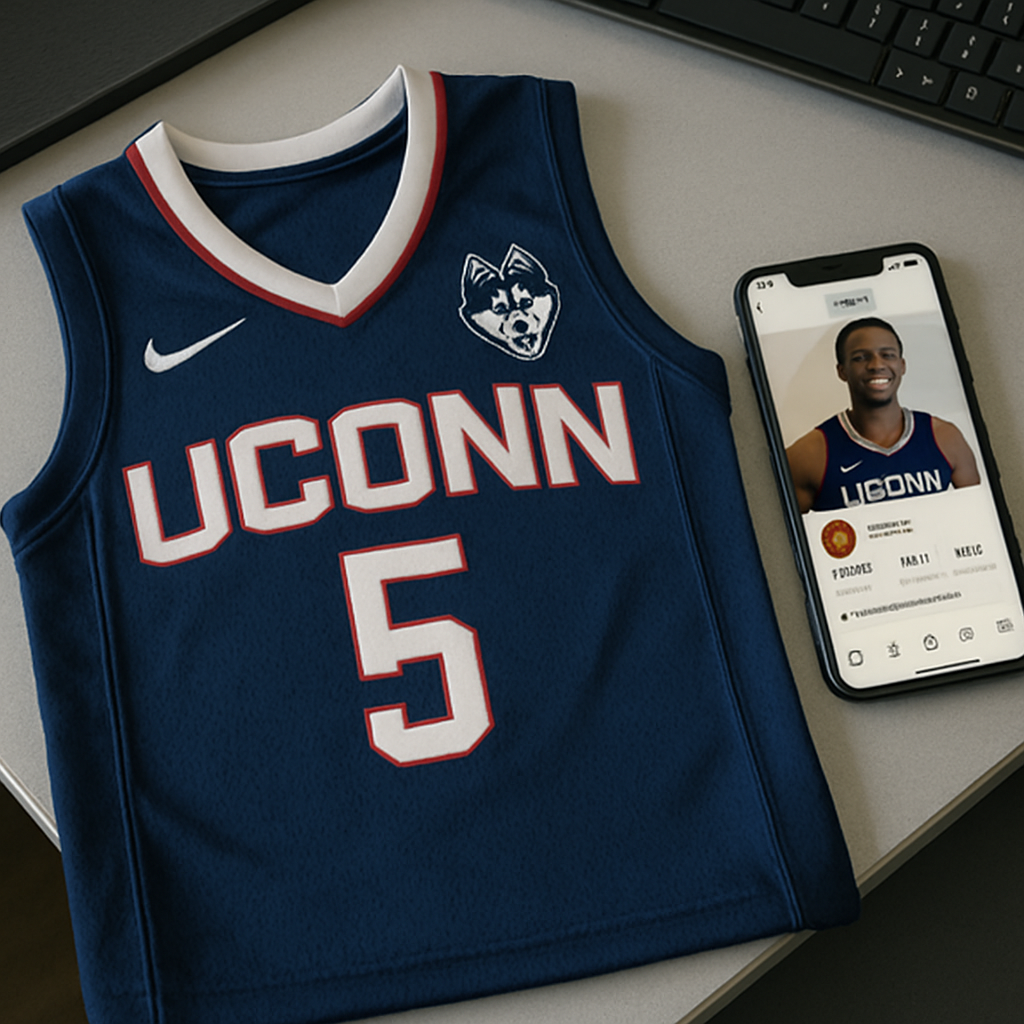
When Paige Bueckers signs a national contract with Gatorade, she isn’t just a college student—she operates as a standalone business. For decades, wearing a Huskies jersey meant receiving tuition and textbooks, but today, it represents a potential six-figure income stream. This shift is the result of Name, Image, and Likeness (NIL), a concept that functions effectively as “Digital Age Endorsements” for modern athletes.
Summary
This article explains how UConn athletes earn NIL income from third-party endorsements and donor-funded collectives—not salaries from the university—within Connecticut law and NCAA compliance rules. It details the Bleeding Blue for Good collective, the Opendorse marketplace for easy, compliant local deals, and the practical realities of taxes, disclosures, and personal branding. It shows how NIL boosts roster retention and recruiting power in Storrs by linking success, funding, and visibility. Readers also learn concrete ways to support UConn athletics responsibly as policies and revenue models evolve.
While headlines about University of Connecticut NIL deals often mirror professional salaries, the mechanics are distinct. Instead of the school paying a direct wage, outside brands and donor groups pay players for services like social media posts, autographs, or commercials. It works much like a student picking up a high-paying freelance gig while simultaneously finishing their degree.
Success on the court directly fuels these opportunities, creating a cycle where winning attracts more sponsors. As UConn student-athlete compensation rules evolve, examining a specific Paige Bueckers NIL deal breakdown helps explain how Storrs remains a dominant, financially attractive destination in college sports.
Breaking Down the Rules: How Connecticut Law Empowers UConn Student-Athletes

Although the Huskies generate massive revenue, the university does not cut weekly checks to stars like Donovan Clingan. UConn student-athlete compensation rules strictly prohibit the school from paying players a salary just for being on the team. The NCAA sets the baseline ban on “pay-for-play,” but the actual permission to earn money comes from state legislation. This creates a freelancer economy where athletes are treated more like independent contractors than employees.
Locally, Connecticut state laws for college athlete endorsements provide a protective shield that allows players to monetize their fame without risking their scholarships. To stay compliant with NCAA name image likeness regulations Connecticut athletes must perform actual work—such as signing autographs or posting on social media—in exchange for payment. This ensures the transaction is a legitimate business deal rather than a prohibited recruiting bribe.
The university’s role functions as follows:
- UConn Cannot: Pay athletes a direct salary from the athletic department budget.
- UConn Can: Educate players on financial literacy and contract evaluation.
- UConn Can: Facilitate connections between athletes and reputable third parties.
Since the university cannot write the checks, organizations have emerged to pool resources from fans and businesses, specifically Bleeding Blue for Good, which serves as the financial engine behind the scenes.
Inside the ‘Bleeding Blue’ Collective: How Fan Support Fuels the Championship Pipeline
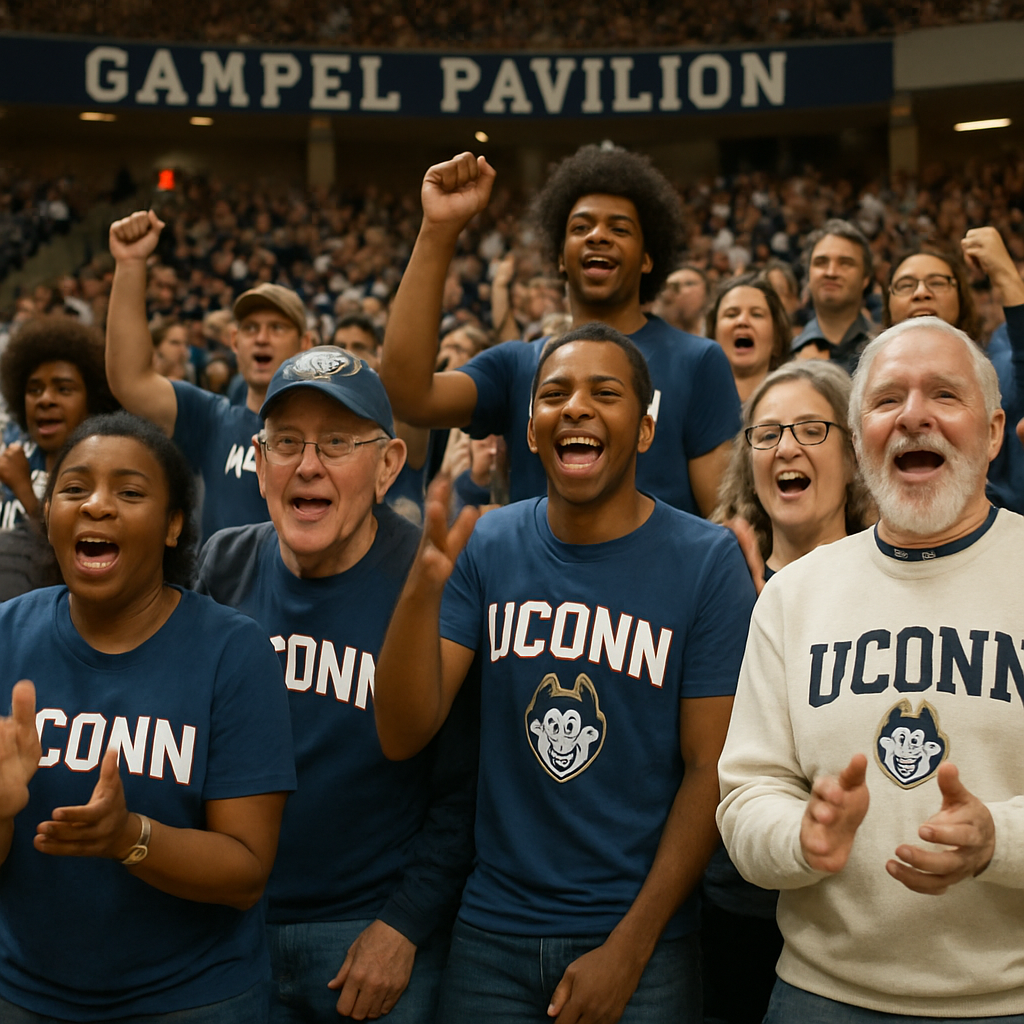
Since the university cannot fund athletes directly, the “collective” functions as a designated “Community Pot.” Fans, alumni, and local businesses contribute money into a central fund explicitly designed to pay players for their time and image. For the Huskies, this financial engine is the Bleeding Blue NIL collective, an organization that exists separately from the university but operates entirely to support its student-athletes.
Unlike a standard commercial deal where a player sells sneakers, this specific collective focuses on community impact. Under the banner of “Bleeding Blue for Good,” athletes are paid to work with local charities, run youth clinics, or attend fundraising events. This structure ensures compliance with rules requiring actual work for payment while simultaneously benefiting the Connecticut community. It highlights the major difference between a UConn NIL collective vs individual endorsements: one is a pooled effort for team retention and charity, while the other is a direct business transaction between a brand and a star.
For the fan base, the strength of this collective is directly tied to the team’s ability to win championships. A well-funded collective prevents star players from transferring to other schools that might offer better financial packages. These funds impact the roster by ensuring:
- Independence: Collectives are run by third parties, not the Athletic Director.
- Retention: Donations help keep the current roster intact for another title run.
- Breadth: Husky Athletic Fund NIL opportunities and collective funds often extend to support players, not just the starting five.
While the collective handles the baseline support for the roster, the top tier of athletes operates in a different stratosphere. Beyond the community pot, individual stardom opens doors to massive corporate contracts.
From Paige Bueckers to Local Heroes: Navigating National Mega-Deals and Hometown Partnerships
Individual stardom creates a financial tier separate from the collective foundation. A Paige Bueckers NIL deal breakdown reveals partnerships with global giants like Gatorade or Nike that operate exactly like professional endorsements. These contracts are complex, multi-year agreements that leverage her national fame rather than just her connection to Storrs. In these scenarios, the athlete functions as a major media influencer, commanding fees that reflect their ability to sell products across the entire country.
Determining the price tag for these partnerships relies on specific market data rather than a fixed salary scale. The top earning UConn athletes NIL valuation numbers act as an estimated market value, calculated largely by analyzing social media reach and engagement rather than just on-court performance. This figure helps brands understand the Return on Investment (ROI) they might get from a player’s digital audience, meaning a bench player with a massive TikTok following could theoretically have a higher valuation than a quiet starter.
Most opportunities, however, remain grounded in the local economy rather than national advertising campaigns. The average athlete is more likely to partner with a Hartford-area restaurant for a few hundred dollars or a promotional meal than to sign a six-figure shoe contract. This accessibility has revolutionized local marketing, leading many small business owners to ask how to sponsor UConn basketball players for simple social media shout-outs.
The UConn Opendorse Marketplace: How Local Businesses Can Sponsor Their Favorite Players Today
If you own a pizza shop in Hartford and want to sponsor a player without breaking NCAA rules, the answer lies in a centralized digital platform. UConn partners with Opendorse, which functions effectively like a “LinkedIn for athletes,” allowing fans and business owners to browse roster profiles and pitch ideas directly to students. This system removes the guesswork of trying to contact players through social media DMs and ensures that the University is aware of the activity without being directly involved in the negotiations.
Making that first connection is designed to be as user-friendly as booking a hotel room online. Once you create an account via the UConn Opendorse marketplace login, the process generally follows a standard three-step structure:
- Browse and Filter: Search through player profiles by sport or interests to find an athlete who aligns with your brand’s values.
- Send a Pitch: Submit a specific offer, such as “$150 for one Instagram Story featuring our winter sale,” detailing exactly what is required.
- Payment and Proof: If the athlete accepts, they post the content, you verify it within the app, and the payment is released automatically.
While the athletic department cannot negotiate the price for you, they rely on this system to strictly monitor NIL compliance for Husky donors and local businesses. Every deal processed through the marketplace creates a digital paper trail, proving that the transaction is a legitimate business exchange for services rendered rather than an improperly disguised recruiting bribe.
More Than Just a Check: The Reality of Taxes, Compliance, and Branding for Huskies
Earning that first paycheck feels like a victory, but unlike a scholarship, NIL payments are not tax-exempt. For a 19-year-old, the sudden influx of cash brings a crash course in adulthood, as the IRS treats them like independent contractors rather than employees. This means players must discipline themselves to set aside a significant portion of their earnings for the tax implications of NIL deals for students, a financial reality often foreign to young adults previously focused solely on midterms and jump shots.
Beyond financial logistics, players must navigate strict regulations to stay on the court. Every transaction requires transparency; if a player accepts cash but fails to disclose it to the university, they risk violating NCAA rules that protect their eligibility to play. UConn utilizes specific tracking software to monitor these disclosures, ensuring donor compliance remains airtight by verifying money is exchanged for legitimate work rather than illicit handouts.
Success in this marketplace requires more than just talent; it demands a professional public image. The most successful Huskies understand that the steps to create a student-athlete brand at UConn involve consistent community connection and reliable behavior, transforming their name into a marketable asset. When athletes feel supported financially and professionally, they are less likely to transfer, creating the roster stability necessary for winning the recruiting war.
Winning the Recruiting War: Why the UConn NIL Landscape Keeps the Best Talent in Storrs
In the modern era of college sports, the Transfer Portal functions essentially like free agency, allowing athletes to enter a digital database and immediately switch schools for better opportunities. For the Huskies, a well-funded collective acts as a defensive wall against this roster instability. When pivotal starters like Alex Karaban decide to return rather than transfer or turn pro, it demonstrates how lucrative UConn NIL deals can make staying in school a sound financial strategy, not just a sentimental one.
Beyond retaining current stars, championship trophies provide a distinct economic advantage over rivals. A Big East NIL landscape comparison reveals that businesses are far more eager to sponsor athletes from a title-winning program, meaning a scholarship player in Storrs often has higher earning potential than counterparts at struggling schools. This impact of NIL on UConn recruiting creates a self-reinforcing cycle where winning generates funding, and that funding secures the talent necessary to keep winning.
The Future of the Pack: How to Stay Informed as UConn’s NIL Economy Evolves
Navigating the business side of college sports requires understanding three pillars: donor-driven collectives, brand marketplaces, and strict compliance guardrails. This structure illustrates exactly how University of Connecticut NIL deals fuel championship runs. This knowledge transforms you from a passive spectator into an informed supporter who recognizes that retaining top talent requires a community effort.
As the collegiate landscape potentially shifts toward revenue-sharing models, UConn is positioned to stay ahead of the curve. You can directly impact the program’s sustainability right now. Whether you contribute to a collective, support local businesses partnering with athletes, or explore Husky Athletic Fund NIL opportunities, your engagement matters. Keep watching how these UConn NIL deals evolve, because your active participation is the engine that keeps the trophy case growing in Storrs.
Learn More About the NIL Landscape
Name, Image, and Likeness plays an increasing role in college sports, and understanding how it works often requires more than individual articles or news updates.
RallyFuel is a platform focused on NIL-related topics across college athletics. It brings together information about athletes, NIL activity, and the broader structure behind modern college sports, helping readers explore the topic in more depth.
👉 Explore the Athletes on RallyFuel – Discover top college athletes, compare NIL valuations, and dive deeper into the world of NIL.
Q&A
Question: How do UConn NIL deals work if the university can’t pay athletes a salary?
Short answer: UConn athletes earn money from third-party endorsements and donor-funded collectives—not from the university. Connecticut law permits student-athletes to monetize their name, image, and likeness as independent contractors, while NCAA rules prohibit “pay-for-play.” To stay compliant, athletes must perform actual work—like social media posts, autographs, or event appearances—in exchange for payment. UConn cannot pay salaries, but it can educate athletes, provide resources, and help connect them to reputable partners.
Question: What is “Bleeding Blue for Good,” and how is it different from individual endorsements?
Short answer: Bleeding Blue for Good is UConn’s NIL collective—an independent, donor-funded organization that pays athletes for community-focused work such as charity events, youth clinics, and fundraisers. It helps retain the roster by providing broad, compliant opportunities across teams, not just for stars. In contrast, individual endorsements are direct deals between athletes and brands (local or national) for commercial promotions. Collectives pool community support for team stability; endorsements monetize a specific athlete’s marketability.
Question: I own a local business. How can I sponsor a UConn athlete without breaking rules?
Short answer: Use the UConn Opendorse marketplace. After creating an account, you can browse athlete profiles, submit a clear offer (e.g., a set fee for a specific social post or appearance), and complete payment once the work is verified in the app. This platform streamlines outreach, creates a digital paper trail for compliance, and keeps the university informed without it negotiating on your behalf, ensuring the deal is a legitimate exchange for services.
Question: What do athletes need to know about taxes, disclosures, and compliance?
Short answer: NIL income is taxable, and athletes are treated like independent contractors—meaning they should set aside money for taxes and keep good records. Every NIL transaction must be transparent and disclosed through UConn’s tracking systems to protect eligibility. Payments must reflect actual work performed; undisclosed cash or sham deals risk NCAA violations. Professional conduct and consistent branding also matter, as reliability and community engagement increase long-term opportunities.
Question: How does NIL impact UConn’s recruiting and roster retention?
Short answer: A strong NIL ecosystem helps keep stars in Storrs despite the Transfer Portal’s “free agency” dynamics. Donor-backed collectives provide competitive, compliant opportunities that make staying financially attractive. On-court success amplifies this effect: championships boost visibility, draw more sponsors, and raise earning potential relative to rivals, creating a cycle where winning fuels funding—and funding helps secure the talent needed to keep winning.




Leave a Comment