
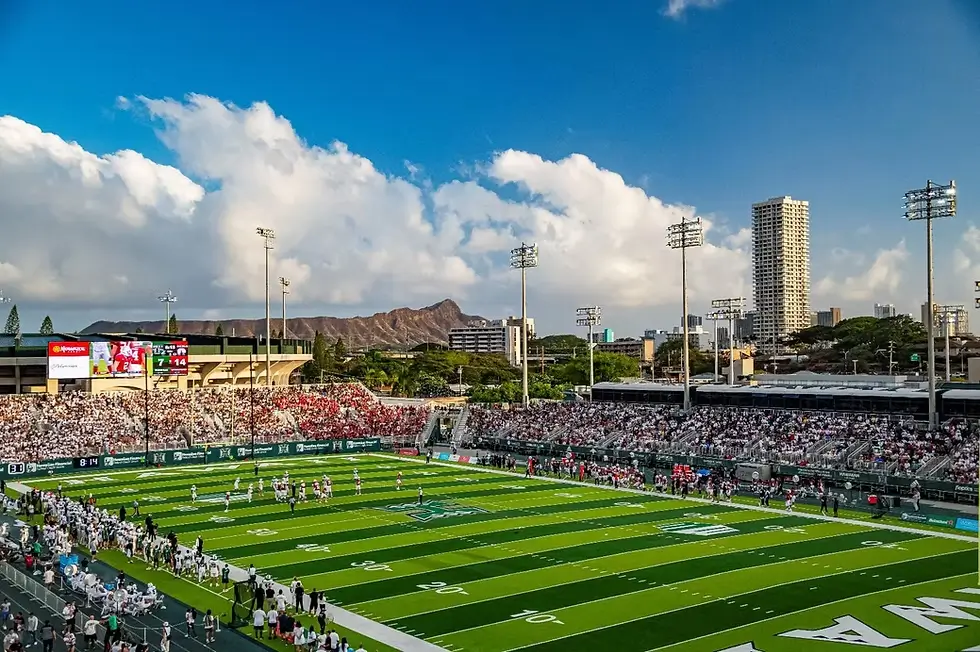
For decades, wearing a University of Hawaiʻi jersey meant representing the islands, not earning a paycheck. That reality has shifted with the arrival of Hawaii state name image and likeness legislation . Think of university of Hawai’i NIL deals like a professional endorsement: just as a pro surfer gets sponsored by a board company, a Rainbow Warrior can now be paid to promote a local shave ice shop. This legal change allows student-athletes to leverage their personal brands while remaining in school.
Why does this matter for the average fan? In the fiercely competitive landscape of college NIL programs, these opportunities are often the deciding factor keeping top local talent home instead of leaving for mainland schools. According to industry experts, robust financial support is now essential for recruiting success. To facilitate this, new organizations like the 1413 Foundation have emerged to connect community resources with athletes, ensuring UH can compete financially while retaining its unique island culture.
Summary
Hawaiʻi’s NIL laws allow University of Hawaiʻi student-athletes to earn from private endorsements and appearances without university pay, turning local fame into brand partnerships. Beyond individual deals, The 1413 Foundation collective pools community donations to create compliant opportunities and broaden support. Strict disclosure rules and F-1 visa restrictions, especially for international athletes, shape how funds can be earned and used. Strong NIL infrastructure helps UH retain and recruit talent against mainland programs, and fans can contribute via collectives, sponsorships, and supporting partner businesses.
Turning a Jersey into a Brand: How UH Athletes Legally Partner with Local Businesses
Unlike professional leagues where the team cuts the check, UH student-athletes do not receive a salary from the university. Instead, Hawaii state name image and likeness legislation protects their right to sign private contracts with outside businesses, much like a musician selling merchandise or a pro surfer sponsored by a board shop. This distinction is crucial because the money comes entirely from the private sector—local car dealerships, restaurants, or clothing brands—rather than the school’s budget or taxpayer dollars.
Local businesses can now tap into the island’s love for the Rainbow Warriors and Wahine through specific college athlete endorsements . A player becomes a “Brand Ambassador,” effectively lending their local celebrity status to a product or service. Rather than just passively wearing a logo, these University of Hawaii NIL deals often involve active community engagement. Common partnership activities include:
- Social media shoutouts promoting a favorite plate lunch spot.
- Autograph signings at local shopping centers.
- Hosting youth sports clinics for the next generation of athletes.
- Modeling for local “aloha wear” or streetwear brands.
While individual endorsements allow star players to earn extra income, not every athlete finds a corporate sponsor immediately. To ensure more teammates get support, the landscape has evolved beyond simple one-on-one marketing deals. This need for broader financial backing paved the way for “The 1413 Foundation,” a collective designed to pool resources from fans and donors to fuel the Rainbow Warrior program.
Inside The 1413 Foundation: How Fans and Donors Fuel the Rainbow Warrior Collective
While individual sponsorships rely on a business picking a specific player, collectives operate more like a community safety net. Comparing university-led initiatives vs third-party collectives is like distinguishing between paying tuition and contributing to a neighborhood fundraiser. Because the University of Hawaiʻi cannot legally pay athletes a salary for playing, independent organizations step in to fill the gap. “The 1413 Foundation” serves as this critical third-party engine, pooling resources from alumni, fans, and businesses to create paid opportunities that the school’s official budget cannot legally provide.
Participation isn’t limited to wealthy boosters; the model relies on the “aloha spirit” of many small contributions. By offering The 1413 Foundation donor membership tiers , the collective allows everyday fans to contribute monthly amounts, similar to a streaming subscription. Whether a supporter gives $20 or $200, these funds aggregate to sign athletes for charity work or marketing campaigns. This approach democratizes support, letting the average fan feel directly involved in how to support Rainbow Warriors via NIL collectives while helping the team retain talent against wealthy mainland competitors.
In exchange for this monthly support, members receive more than just the satisfaction of helping the team compete. The Foundation structures rewards to bring the “ohana” closer to the program. Typical membership perks often include:
- Access to exclusive behind-the-scenes content and interviews.
- Invitations to private meet-and-greet events with players.
- Priority access to special merchandise or seating opportunities.
However, simply having the funds available doesn’t mean they can be distributed without oversight. Before a single dollar changes hands, both the collective and the university must navigate a complex web of “red light” compliance laws, particularly regarding international athletes.
Navigating the ‘Red Lights’: Disclosure Rules and the F-1 Visa Hurdle for International Stars
Money flowing into the program brings strict responsibilities, requiring a robust system of checks and balances to keep players eligible. Before cashing a check for a commercial or autograph session, every player must adhere to specific NIL disclosure requirements for UH Manoa student athletes. This mandatory process involves submitting contract details to the athletic department to prove the deal is legitimate work, not a disguised “inducement” or bribe for enrolling. If a local business offers a recruit cash just to sign with UH without requiring any actual promotion or labor in return, that violates NCAA policy. The compliance office acts as a safeguard, ensuring that every agreement represents fair market value rather than pay-for-play, protecting the team from sanctions that could vacate wins.
While local players mostly worry about paperwork, teammates from abroad face a much harder federal roadblock. Navigating F-1 visa restrictions for international UH athletes remains a critical challenge, as these student visas generally prohibit engaging in “active work” for income on U.S. soil. This means a star volleyball player from Europe cannot legally film a Honolulu commercial without risking deportation, even if her American roommate can. Consequently, financial management for scholarship athletes from overseas often relies strictly on traditional stipends rather than lucrative sponsorships, creating a disparity the university must manage as it fights to recruit top talent against wealthy mainland programs.
The Competitive Edge: How NIL Helps UH Win the Recruiting Battle Against Mainland Giants
College sports has entered an era similar to professional free agency, where the NCAA transfer portal allows athletes to switch schools instantly in search of better opportunities. For UH, this creates a distinct vulnerability: mainland powerhouses often try to lure our developed stars away with promises of massive donor-backed paydays. NIL deals now serve as a critical defense mechanism, helping to level the playing field against wealthy “Power Four” conferences. By connecting athletes with steady income from Honolulu businesses, the university makes staying in Manoa financially viable, preventing the heartbreak of seeing a fan-favorite Rainbow Warrior shine in another team’s jersey.
Beyond keeping current players, these financial opportunities change the calculation for high school recruits deciding between leaving the islands or staying home. The impact of NIL on Rainbow Warrior football recruitment means a standout quarterback from Kahuku or Saint Louis School no longer has to sacrifice their financial future to play for pride. Local companies are realizing that these homegrown athletes act as the most authentic marketing strategies for Hawaii collegiate brand ambassadors. When a recruit sees they can profit while surrounded by ‘ohana, the choice to represent the 808 becomes much easier, setting the stage for how you can personally support this new ecosystem.
Your Roadmap to Supporting the Next Generation of Wahine and Rainbow Warrior Greats
NIL has fundamentally changed game day, turning fans into active participants in keeping local talent home. This ecosystem ensures athletes, the university, and businesses win together. Whether you are navigating state tax obligations for student endorsements in Honolulu or simply purchasing a player’s jersey, every action strengthens the “pride of the islands.”
The future of Hawaiʻi athletics depends on this spirit of ‘ohana. Fans can contribute immediately by joining a collective or patronizing partner businesses. For owners ready to grow, taking the steps to become a corporate sponsor for Rainbow Warrior athletics is the ultimate investment in our community’s success.
Learn More About the NIL Landscape
Name, Image, and Likeness plays an increasing role in college sports, and understanding how it works often requires more than individual articles or news updates.
RallyFuel is a platform focused on NIL-related topics across college athletics. It brings together information about athletes, NIL activity, and the broader structure behind modern college sports, helping readers explore the topic in more depth.
Frequently Asked Questions
Question: What exactly are University of Hawaiʻi NIL deals, and who pays for them? Short answer: NIL (Name, Image, and Likeness) deals let UH student-athletes earn money from private endorsements and appearances—similar to a pro athlete’s sponsorship—while staying in school. The money comes entirely from outside businesses and donors (e.g., local restaurants, car dealerships, clothing brands), not from the university’s budget or taxpayer dollars.
Question: How does The 1413 Foundation support UH athletes, and can everyday fans get involved? Short answer: The 1413 Foundation is a third-party collective that pools contributions from alumni, fans, and businesses to fund compliant opportunities for athletes—like charity work or marketing campaigns—beyond individual brand deals. It uses donor membership tiers so supporters can give monthly amounts (small or large), and members often receive perks such as exclusive content, meet-and-greets, and priority access to special merchandise or seating.
Question: What compliance rules must athletes follow before getting paid through an NIL deal? Short answer: Athletes must disclose their NIL contracts to the UH athletic department to verify that each agreement reflects legitimate work and fair market value, not a prohibited inducement to enroll or a pay-for-play scheme. Deals that offer money without real promotional activity or labor risk violating NCAA policy, and UH compliance acts as a safeguard to protect eligibility and avoid sanctions.
Question: Why do international student-athletes face extra hurdles with NIL? Short answer: Most international students at UH hold F-1 visas, which generally restrict “active work” for income in the U.S. As a result, activities like filming a commercial in Honolulu may be off-limits, even if they’re legal for domestic teammates. Many international athletes must rely more on traditional support (like stipends), creating a financial gap the program must consider in recruiting and retention.
Question: How do NIL opportunities help UH compete with mainland programs, and how can fans make a difference? Short answer: With the transfer portal and deep-pocketed mainland collectives, NIL income has become crucial to keeping developed UH stars home and attracting top local recruits. By connecting athletes with steady, locally rooted partnerships, UH can offer a compelling reason to stay in Mānoa. Fans can help by joining The 1413 Foundation, becoming or encouraging corporate sponsorships, patronizing partner businesses, and supporting athlete-driven merchandise—every action strengthens the islands’ competitive edge.



Leave a Comment