
Walking into Kinnick Stadium today might feel the same as it did a decade ago, but for the athletes on the field, the financial playbook has been completely rewritten. Since 2021, a massive shift has transformed student-athletes from strictly amateurs into potential business owners. This new era revolves around University of Iowa NIL deals, a legal landscape that allows players to profit from their Name, Image, and Likeness without losing their eligibility.
Think of these arrangements less like a team salary and more like a freelance side hustle. In the past, a quarterback appearing in a local car dealership commercial would have violated NCAA regulations, but today, it represents a standard partnership. Common knowledge regarding college NIL contracts suggests that athletes now operate as independent brands, leveraging their local fame for everything from autograph sessions to social media endorsements.
This evolution goes beyond simple payments, shifting the focus from solely getting an education to gaining real-world business experience alongside a degree. Instead of just receiving a scholarship, Hawkeyes are now learning tax literacy, contract negotiation, and marketing strategies in real-time.
Navigating these NIL basics can be confusing for fans used to the traditional amateur model. Whether it involves a superstar athlete or a hardworking walk-on, understanding how these agreements function is now essential to following Iowa sports.
Summary
Iowa’s NIL landscape turns Hawkeye athletes into independent brands who can earn money through legitimate “quid pro quo” work while preserving NCAA eligibility. Guardrails come from NCAA rules, Iowa state law, and university compliance, with The Swarm Collective pooling fan and business support via community-service-based contracts that aid recruiting and retention. Opendorse powers individual endorsements ranging from micro deals to marquee partnerships, bringing tax obligations and agent/compliance considerations. Fans and local businesses can participate through fair-market-value partnerships and Swarm memberships, directly strengthening the future of Iowa athletics.
Why Your Favorite Hawkeye is Now a Brand: Decoding NIL and State Law
While it might seem like the rules have vanished, strict boundaries still exist to keep college sports distinct from professional leagues. The most critical concept for fans to grasp is “quid pro quo,” a legal term meaning “something for something.” A Cedar Rapids car dealership cannot simply hand a quarterback a check for throwing a touchdown; that is considered “pay-for-play” and violates NCAA eligibility rules for Hawkeye student-athletes. Instead, the athlete must perform a specific service—like signing autographs, posting on social media, or appearing in a commercial—to earn that paycheck.
Since the university cannot pay players a salary for playing, the athletics department acts more like a compliance officer than an employer. The school provides a “GPS” for players, helping them navigate potential deals to ensure they don’t accidentally jeopardize their ability to play. This creates a firewall where the university supports the athlete’s right to earn but stays out of the financial transaction itself.
Recent legislation regarding Iowa state law name image and likeness rights provides a safety net that helps keep the Hawkeyes competitive in the Big Ten. These laws offer specific protections that stabilize the environment:
- Educational Freedom: Universities cannot penalize athletes for earning market-value compensation.
- Agent Representation: Players are legally allowed to hire professional agents to negotiate contracts.
- Eligibility Safety: The state limits the NCAA from punishing players or schools that follow the NIL compliance guidelines for Iowa boosters.
With these legal guardrails in place, a new entity has emerged to facilitate these deals on a massive scale. While individual businesses drive some activity, the heavy lifting is now done by a centralized group designed specifically to pool fan and business resources for maximum impact.
Behind the Swarm Collective: How Fan Memberships Drive Hawkeye Success
Think of The Swarm Collective as a modern, high-stakes community chest dedicated exclusively to Iowa athletics. Because the university cannot pay athletes directly for their performance, this independent non-profit corporation fills the financial gap. It gathers donations from thousands of fans and businesses, pooling those resources to create paid opportunities for student-athletes across football, basketball, and other major sports.
Crucially, these payments are structured as salaries for community service rather than free handouts. Athletes sign contracts to perform work for local non-profits, such as serving at food banks or mentoring youth, in exchange for monthly stipends. This model ensures that charitable contributions through the Swarm Collective serve a dual purpose: supporting the athletes financially while directly benefiting the Iowa City and Cedar Rapids communities.
Maintaining a robust collective is no longer optional for schools that want to compete for championships. When comparing Iowa NIL collectives vs other Big Ten programs, the financial strength of The Swarm directly influences the coaching staff’s ability to recruit top-tier high school talent and, perhaps more importantly, retain current stars who might otherwise transfer to schools offering higher compensation.
Fans participate by joining specific tiers, which function similarly to a subscription service like Netflix or a gym membership. The Swarm Collective membership levels generally break down as follows:
- The Fan Tier: Provides entry-level access to exclusive player interviews and digital content.
- The Contributor Tier: Often includes physical merchandise and invitations to larger Swarm events.
- The Elite Tier: Grants premium access, such as private meet-and-greets with players and coaches.
While the Swarm handles the heavy lifting of roster retention through team-wide initiatives, individual businesses often seek a more direct connection with specific stars.
From Opendorse to Local Ads: How Iowa Athletes Secure Paid Partnerships
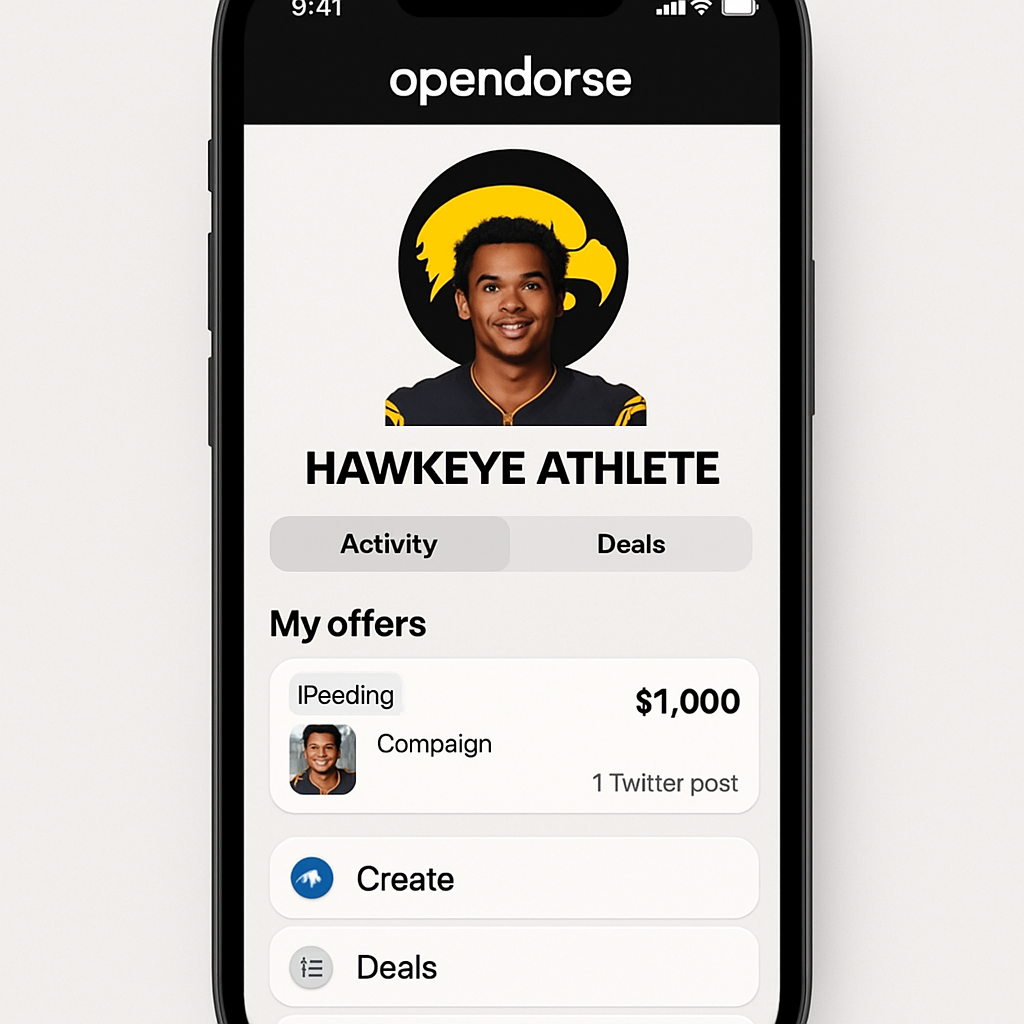
While the Swarm Collective operates like a community chest, commercial endorsements function more like a digital freelance economy. University of Iowa athletics streamlined this process by partnering with Opendorse, a platform acting essentially as a specialized LinkedIn for college sports. Through the specific Opendorse NIL marketplace for Hawkeyes, any business—from a Cedar Rapids car dealership to a Des Moines bakery—can browse profiles, pitch ideas, and securely transfer payment. This system democratizes access, allowing local shops to hire a linebacker for a grand opening without needing a direct line to the coaching staff.
The magnitude of these agreements varies wildly depending on the athlete’s visibility. At the peak, you find massive agreements like the famous Caitlin Clark brand partnership examples involving State Farm or Hy-Vee, featuring national TV spots and substantial fees. However, most transactions are modest “micro-influencer” deals. A wrestler might receive free meals for posting an Instagram story about a downtown Iowa City restaurant, while a volleyball player might earn a few hundred dollars for signing autographs at a youth tournament.
Earning this money requires legitimate effort because NCAA rules strictly prohibit “pay-for-play,” meaning athletes cannot be paid simply for being on the roster. When fans ask how do Iowa athletes get paid for NIL commercial deals, the answer always involves a specific deliverable. Athletes must manage these commitments alongside practice, essentially becoming small business owners who must fulfill contracts to unlock funds within the app.
With hundreds of transactions flying between smartphones and bank accounts, the risk of accidental violations increases significantly. The ease of clicking “accept” brings serious responsibilities regarding eligibility and the IRS.
Keeping the Jersey Clean: Navigating NCAA Eligibility and Tax Realities
Earning a paycheck for an autograph session introduces a complex reality for college students: the IRS. Unlike a typical summer job where taxes are withheld automatically, NIL deals usually classify athletes as independent contractors. This means they receive a 1099 form and are personally responsible for tax obligations for student-athlete earnings, a surprise that can catch young earners off guard if they spend the money before tax season.
To prevent financial pitfalls, the University of Iowa integrates money management directly into the athletic curriculum. Administrators provide mandatory financial literacy training for college athletes, teaching them to budget erratic income and understand the difference between gross revenue and net profit. This education ensures that a windfall from a local commercial doesn’t become a legal liability.
As deals grow more complex, players often hire agents, but managing professional service providers for NIL contracts requires caution. Using an agent who isn’t certified by the state can actually jeopardize a player’s NCAA eligibility. To stay safe, the compliance office suggests a simple “Safety Checklist” for every new contract:
- Confirm the agent is registered with the University of Iowa athletics office.
- Verify the contract does not require specific on-field performance (pay-for-play).
- Set aside 30% of every payment immediately for future taxes.
Proper compliance ensures our favorite players remain eligible for Saturdays at Kinnick Stadium. With the paperwork handled, the focus shifts back to community connection. For local shop owners watching from the stands, the next step is learning how to successfully hire a Hawkeye for their own marketing campaigns.
How Your Local Business Can Hire a Hawkeye for Marketing
Imagine the buzz if a starting linebacker signed autographs at your hardware store in Coralville or promoted your bakery on Instagram. Sponsoring individual Iowa football players is no longer a privilege reserved for corporate giants; it is an accessible strategy for Main Street shops to tap into the passion of the Hawkeye fanbase. The key is ensuring the athlete actually performs a specific service—like an appearance or a social media post—rather than just receiving a check for being on the team.
Setting the right price is the most critical safety step to avoid rule violations. Under NIL compliance guidelines for Iowa boosters, compensation must reflect “Fair Market Value,” meaning you pay what the marketing work is actually worth, not an inflated amount disguised as a recruiting bribe. If a standard social media post usually costs $100, paying a recruit $10,000 for that same post raises immediate red flags with the NCAA, potentially endangering the eligibility of the athlete you are trying to support.
Navigating these waters is easier when using the university’s official marketplace, which ensures transparency for both sides. If you are wondering how to hire Iowa basketball players for marketing, the process generally follows four distinct steps:
- Register on the official Iowa NIL Exchange or contact the Swarm Collective.
- Propose a specific activity, such as a “meet and greet” or product endorsement.
- Negotiate a rate that matches the athlete’s social reach and time commitment.
- Wait for the university compliance office to approve the deal before money changes hands.
Executing a compliant deal does more than just drive local sales; it builds a sustainable bridge between the business community and the locker room. As businesses and fans become active participants in the team’s success, the final piece of the puzzle is understanding how these individual efforts combine to secure the long-term future of Iowa athletics.
Your Action Plan for Supporting the Future of Iowa Athletics
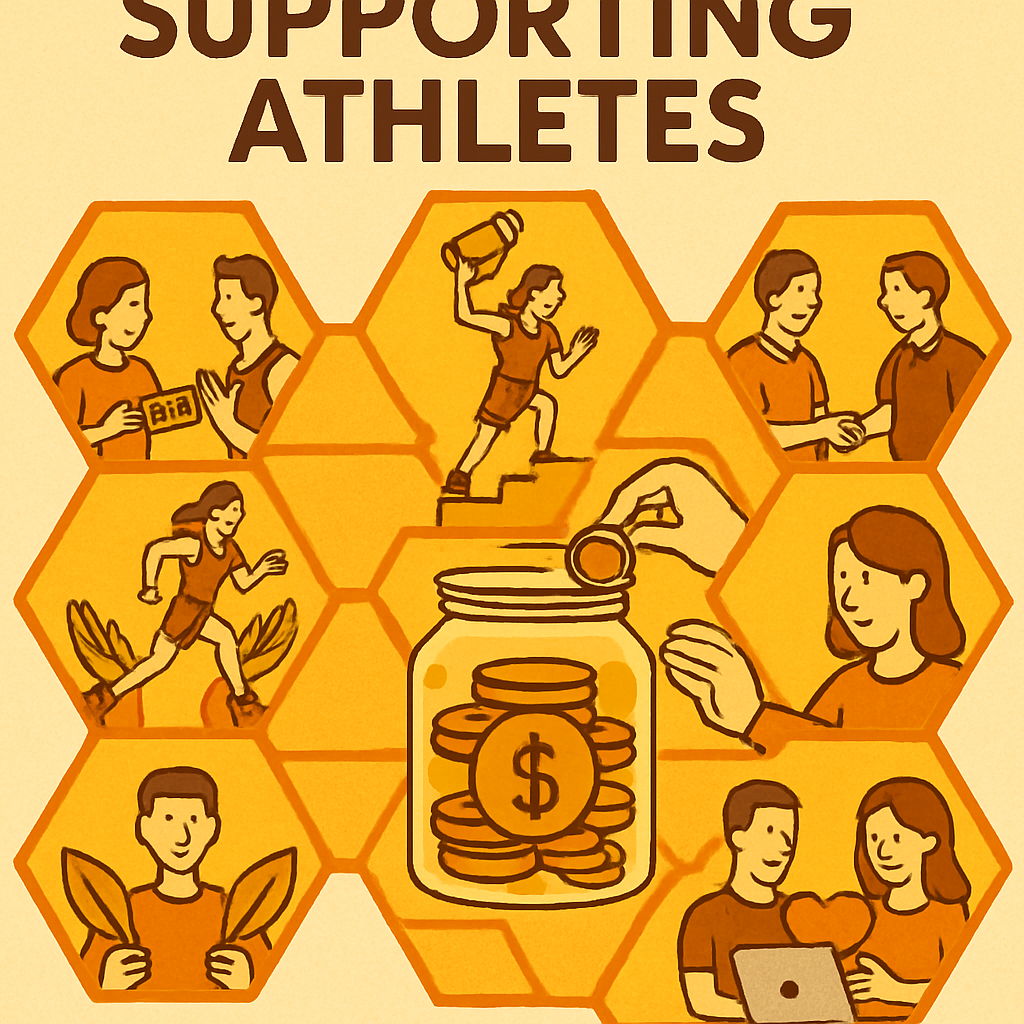
You no longer need to view the changing landscape of college sports as a mystery or a threat to tradition. Instead, you can now see University of Iowa NIL deals for what they truly are: a modern engine driving the team’s success. This ecosystem transforms you from a passive spectator into an informed participant who recognizes that retaining top talent is now a community effort rather than just an administrative task.
Supporting the team implies more than wearing a jersey; it now involves simple, everyday choices that make a tangible difference. You can actively boost the impact of NIL on Iowa Hawkeyes recruiting by engaging with athletes on social media to raise their profile, contributing what you can to the Swarm Collective, or consciously shopping with local businesses that sponsor players.
The next time you debate the roster at a tailgate, you will do so with a clear grasp of how this financial playbook operates. By engaging with this system, you stop being just a fan in the stands and become a vital part of the infrastructure that keeps the Hawkeyes competitive for years to come.
Learn More About the NIL Landscape
Name, Image, and Likeness plays an increasing role in college sports, and understanding how it works often requires more than individual articles or news updates.
RallyFuel is a platform focused on NIL-related topics across college athletics. It brings together information about athletes, NIL activity, and the broader structure behind modern college sports, helping readers explore the topic in more depth.
👉 Explore the Athletes on RallyFuel – Discover top college athletes, compare NIL valuations, and dive deeper into the world of NIL.
Q&A
Question: What is NIL, and how is it different from “pay-for-play”?
Short answer: NIL stands for Name, Image, and Likeness—the personal brand assets student-athletes can legally monetize. Under current rules, Iowa athletes can earn money only when there’s “quid pro quo” (something for something). That means they must provide a real service—like autograph signings, social media posts, or commercial appearances—to get paid. Simply handing an athlete money for scoring touchdowns or being on the roster is “pay-for-play” and violates NCAA eligibility rules.
Question: What role do the University of Iowa and state law play in NIL?
Short answer: The university acts as a compliance guide, not an employer. It helps athletes navigate deals to protect eligibility but stays out of the financial transactions. Iowa state law adds key protections that keep the landscape stable: universities can’t penalize athletes for earning fair-market compensation; athletes can hire agents; and the state limits NCAA penalties when Iowa’s NIL guidelines are followed.
Question: What is The Swarm Collective, and why is it important for Hawkeye sports?
Short answer: The Swarm Collective is an independent non-profit that pools donations from fans and businesses to fund paid, community-service-based opportunities for Iowa athletes. Players sign contracts to do real work—like serving at food banks or mentoring youth—in exchange for stipends. A strong Swarm helps Iowa recruit and, crucially, retain top talent, making it a competitive necessity in the Big Ten. Fans can join membership tiers (Fan, Contributor, Elite) for escalating access and experiences.
Question: How do individual brand deals work for Iowa athletes, and what responsibilities come with them?
Short answer: Iowa partners with Opendorse, a marketplace where businesses can discover athletes, propose campaigns, and pay securely—think a LinkedIn for NIL. Deals range from marquee partnerships (like high-visibility campaigns associated with stars such as Caitlin Clark) to micro-influencer agreements (free meals or a few hundred dollars for posts or signings). Because these are business transactions, athletes are typically independent contractors: they receive 1099s, must budget and pay taxes, and should follow a safety checklist—use registered agents, avoid any pay-for-play terms, and set aside about 30% for taxes.
Question: I’m a fan or local business—how can I support or hire Hawkeye athletes without breaking rules?
Short answer: You have two main paths:
- Join The Swarm Collective at a membership tier that fits your budget to fund community-service stipends and strengthen recruiting/retention.
- Run a compliant direct deal: register on the Iowa NIL Exchange or contact The Swarm, propose a specific activity (appearance, endorsement, social post), negotiate a fair-market rate tied to the athlete’s time and reach, and wait for university compliance approval before any payment. Always pay fair market value and tie compensation to real deliverables to avoid pay-for-play concerns.




Leave a Comment