

For decades, a University of Memphis jersey represented pride, but for the athlete wearing it, that passion couldn’t legally translate into a paycheck. That reality shifted overnight, transforming student-athletes from amateurs into entrepreneurs. Today, Tigers stars aren’t just chasing conference titles; they are actively building personal brands right here in the 901.
Think of these University of Memphis NIL deals as renting a digital billboard. Instead of a salary, businesses pay to utilize an athlete’s reputation to sell products. Whether it’s a basketball standout promoting a local restaurant or a quarterback signing college athlete endorsements, the focus is on legitimate marketing value rather than “pay-for-play.”
Orchestrating much of this activity is The 901 Fund, a collective designed to pool community resources. By connecting fans and businesses with players, this system ensures Memphis NIL deals remain competitive against rival schools while keeping top talent in the city.
Summary
This article explains how Name, Image, and Likeness (NIL) has turned Memphis student-athletes into local brand partners, emphasizing authentic, marketing-driven deals over pay-for-play. It highlights the 901 Fund’s nonprofit model connecting athletes with charitable and commercial opportunities, and shows how fans and small businesses participate through memberships and the Tigers NIL Marketplace. The piece outlines key compliance rules under Tennessee law and NCAA guidance, plus tax considerations for athletes. Ultimately, a strong, community-backed NIL ecosystem helps Memphis retain talent and compete in recruiting against larger conferences.
Why NIL is the ‘Digital Billboard’ for Memphis Athletes
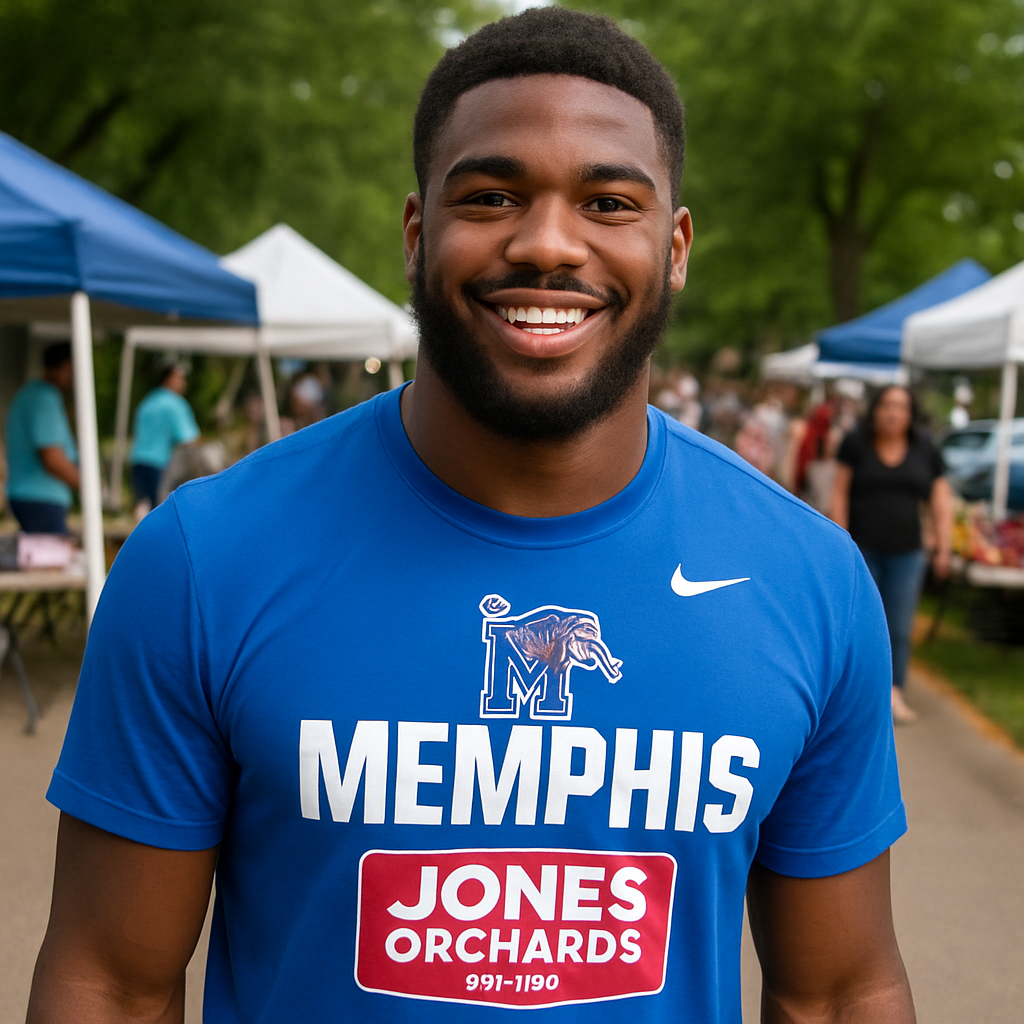
Think of a Tiger point guard’s Instagram feed not just as a photo album, but as prime real estate on Poplar Avenue. When a player cultivates a loyal following, they are essentially constructing a digital billboard that advertisers crave access to. This process serves as a practical brand building guide for Memphis student-athletes, transforming likes and comments into tangible leverage.
Companies determine the price tag of these partnerships by analyzing “personal brand equity”—essentially, how much the community trusts the athlete. Securing NIL contracts often comes down to this influence; a generic ad is easily ignored, but a genuine, long-term ambassadorship where a quarterback consistently promotes a local car dealership creates real value.
The 901 offers a distinct competitive edge because our fan base treats college sports with professional-level intensity. Local marketing partnerships with Memphis Tigers become highly lucrative because business owners know that Tiger fans loyally support the brands that support their team.
However, maximizing individual social media accounts is only one piece of the financial puzzle. To ensure the entire roster benefits rather than just the stars with the most followers, we have to look at the broader community war chest known as the collective.
Inside the 901 Fund: How Your Support Fuels Tiger Victories
While the University covers scholarships and facilities, it cannot legally pay athletes a salary. This gap is filled by the “collective,” a standalone organization that functions like a community chest for the team. In Memphis, this engine is the 901 Fund, which pools resources from fans and donors to create opportunities that the athletic department is prohibited from offering directly.
The 901 Fund collective for Tigers athletics operates differently than a standard marketing agency. By utilizing a 501(c)(3) non-profit structure, it connects student-athletes with local charities rather than just commercial ads. Players might earn money for hosting a basketball clinic at a youth center or serving meals at a shelter, ensuring that NIL funds stay rooted in service to the Memphis community.
Individual fans don’t need to be wealthy boosters to participate in this ecosystem. Membership models allow supporters to contribute monthly, functioning similarly to a Netflix subscription that directly impacts player retention. When exploring tiers, fans often find that Bluff City Collective membership benefits include:
- Access to exclusive player interviews and behind-the-scenes content.
- Invitations to private meet-and-greets or autograph sessions.
- Potential tax deductions for contributions allocated to charitable work.
Sustaining a winning roster requires understanding where your money goes. Distinguishing the role of Tiger Scholarship Fund in NIL discussions is vital; while the TSF builds the stadium and funds tuition, the collective ensures the talent on the field stays in Memphis. With the community fundraising engine humming, we next turn to the commercial side of the coin.
From BBQ to Billboards: How Local Memphis Businesses Partner with Student-Athletes
While major headlines focus on the massive FedEx NIL investment in Memphis sports, the true heartbeat of the ecosystem lies in Main Street relationships. You don’t need a Fortune 500 budget to put a Tiger on your team; in fact, most deals are modest agreements between athletes and local shops. This is traditional marketing with a modern twist—using a hometown hero to drive foot traffic rather than buying a generic radio spot.
Price tags are often lower than the rumor mill suggests. The average NIL income for University of Memphis athletes frequently reflects small, transactional exchanges—sometimes just free meals in exchange for Instagram posts. These micro-influencer strategies allow small businesses to test the waters without risking their quarterly budget on a single campaign.
Initiating local marketing partnerships with Memphis Tigers is streamlined through the official “Tigers NIL Marketplace.” Owners simply log in, filter athletes by sport, and propose deals directly within the app. This digital system handles contracts and payments, removing the awkwardness of direct messages while ensuring the university maintains necessary oversight.
Success means tracking tangible metrics like coupon code usage or event attendance rather than just social media engagement. A good partnership turns fans into customers who want to support businesses that back their team. However, even creative campaigns must follow strict rules, leading us to the legal guardrails of state and NCAA compliance.
Navigating the Rulebook: Tennessee State Law and NCAA Compliance
While the NCAA sets the national stage, the state legislature in Nashville actually calls many of the shots regarding how deals get done. Tennessee currently offers some of the most aggressive NIL protections in the country, effectively shielding schools like the University of Memphis from certain NCAA crackdowns. This legislative “home-field advantage” empowers local collectives and businesses to operate with confidence, knowing state law provides a sturdy buffer against shifting national regulations.
Even with this freedom, the ecosystem isn’t a free-for-all. To stay on the court, every Tiger athlete must navigate three specific “hard lines” that distinguish legitimate business from eligibility violations:
- Mandatory Disclosure: Every deal must be reported to the university’s compliance office to ensure transparency.
- Performance Independence: Payments cannot be tied to specific athletic stats (e.g., getting a “bonus” for scoring 20 points).
- Restricted Industries: Partnerships with gambling, tobacco, alcohol, or adult entertainment companies are strictly off-limits.
Beyond the rulebook, athletes must also master the tax code. Because NIL income classifies players as independent contractors rather than university employees, no taxes are withheld from their checks. Receiving a 1099-NEC form at the end of the year can be a shock for a 19-year-old, making financial literacy just as crucial as athletic training. Mastering these regulations ensures that the program remains stable, setting the stage for long-term recruiting success.
Winning the NIL Game: What’s Next for Memphis Recruiting and Success
Seeing a Tiger in a local ad is no longer just marketing; it is a sign that the program is actively protecting its roster. A strong NIL ecosystem is the best defense against having our top talent poached by the massive budgets of the SEC or Big 12.
While the battle of Memphis NIL versus Power Five collective funding is steep, smart community support levels the playing field. A vibrant local market directly drives the positive NIL impact on Memphis transfer portal acquisitions, giving coaches the necessary resources to secure experienced playmakers each season.
The future of Memphis Tigers basketball recruiting and NIL relies on fan engagement, not just deep pockets. Start simply by following the 901 Fund online or visiting businesses that sponsor current athletes. Every burger bought or post shared helps keep Memphis stars in the 901.
Learn More About the NIL Landscape
Name, Image, and Likeness plays an increasing role in college sports, and understanding how it works often requires more than individual articles or news updates.
RallyFuel is a platform focused on NIL-related topics across college athletics. It brings together information about athletes, NIL activity, and the broader structure behind modern college sports, helping readers explore the topic in more depth.
👉 Explore the Athletes on RallyFuel – Discover top college athletes, compare NIL valuations, and dive deeper into the world of NIL.
Q&A
Question: What exactly are University of Memphis NIL deals, and why are they compared to “renting a digital billboard”?
Short answer: NIL deals are marketing agreements where businesses pay to use a student-athlete’s name, image, and likeness to promote products or services. They’re like renting a digital billboard because an athlete’s social media following and community trust become valuable ad space. The price is driven by personal brand equity, and the most effective partnerships are authentic, long-term ambassadorships—not pay-for-play tied to on-field performance.
Question: What is the 901 Fund, and how is it different from the Tiger Scholarship Fund or a typical marketing agency?
Short answer: The 901 Fund is a standalone collective that pools community resources to create NIL opportunities, operating through a 501(c)(3) nonprofit model. It connects athletes with charitable work (like clinics or serving at shelters) in addition to commercial opportunities, keeping NIL dollars rooted in community service. Unlike the Tiger Scholarship Fund, which supports facilities and scholarships, the 901 Fund helps retain talent by facilitating athlete compensation. And unlike a traditional agency, it’s built to mobilize fans and local partners around Memphis-focused impact.
Question: I’m a fan or small business—how do I get involved, and what does a typical deal look like?
Short answer: Fans can join membership tiers (think a monthly subscription) that directly support NIL efforts, often receiving perks like exclusive content, meet-and-greets, and potential tax deductions for contributions directed to charitable work. Small businesses can use the official Tigers NIL Marketplace to browse athletes, propose deals, and handle contracts and payments in one place. Most agreements are modest—sometimes as simple as free meals for social posts—so owners can test micro-influencer campaigns and measure results with metrics like coupon redemptions or event turnout.
Question: What rules and guardrails govern NIL deals for Memphis athletes?
Short answer: Tennessee law provides strong NIL protections, but three hard lines still apply: all deals must be disclosed to the university’s compliance office; compensation can’t be tied to specific athletic performance stats; and partnerships with gambling, tobacco, alcohol, or adult entertainment are off-limits. Athletes are treated as independent contractors for tax purposes, typically receiving a 1099-NEC with no withholding, so financial literacy and planning are essential.
Question: How does a strong NIL ecosystem impact Memphis recruiting and roster retention?
Short answer: Visible, community-backed NIL activity signals that Memphis can support and retain its stars, reducing the risk of losing talent to bigger-budget programs in leagues like the SEC or Big 12. Effective local support also fuels transfer portal success, giving coaches leverage to land experienced players. Fans help by following the 901 Fund, patronizing businesses that sponsor athletes, and engaging with campaigns—every purchase and share keeps Memphis talent in the 901.




Leave a Comment