
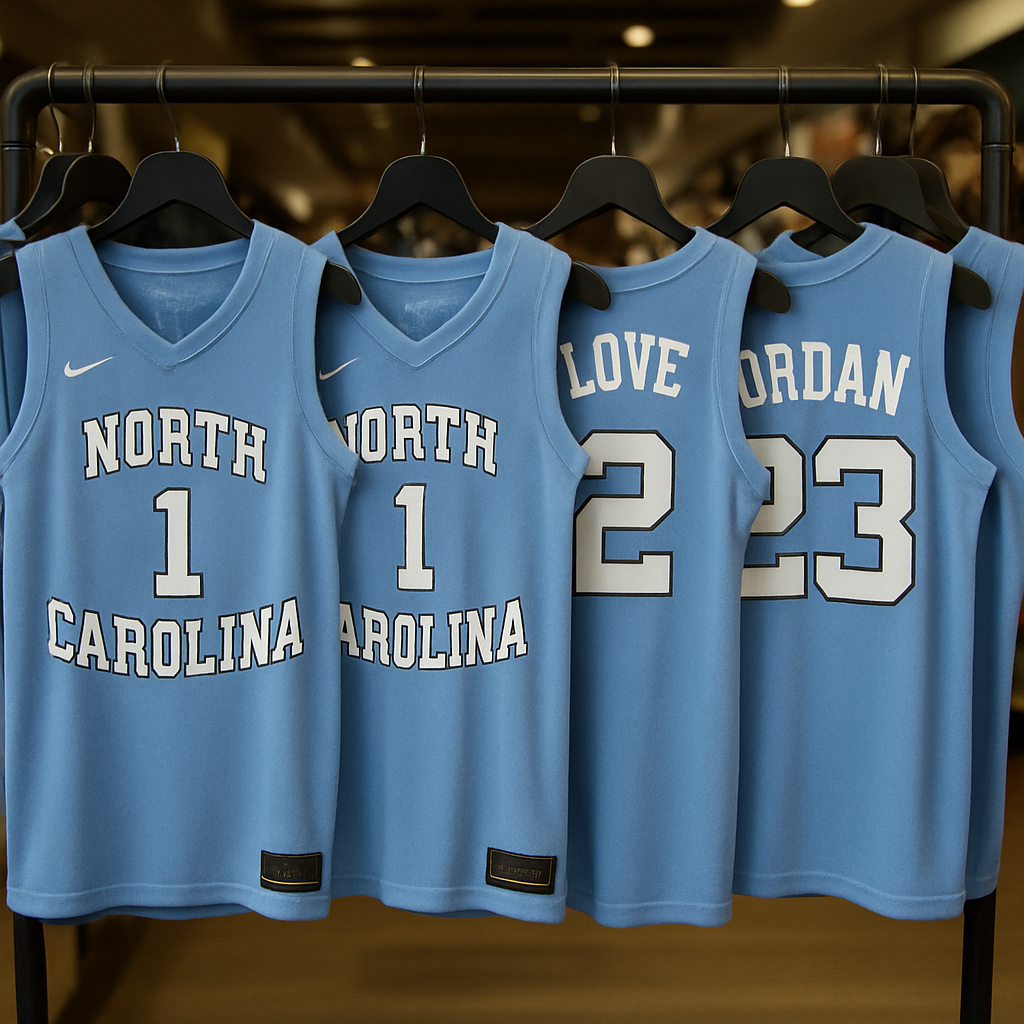
For decades, donning a UNC jersey meant playing strictly for pride, but today, that same uniform serves as a high-value billboard. While the action on the court looks familiar, the financial engine running Chapel Hill athletics has undergone a massive overhaul to keep pace with national competitors.
This shifts the conversation from illicit “pay-for-play” to the legal “Right of Publicity.” Just as a Franklin Street business pays for traditional advertising, companies can now compensate stars like Armando Bacot to endorse their products. University of North Carolina NIL deals simply allow players to monetize the fame they have earned.
The impact extends far beyond the marquee names. From soccer to fencing, new Tar Heel student-athlete branding opportunities are changing how rosters are constructed. North Carolina NIL laws have created a complex new era for every sport on campus.
Summary
- UNC’s NIL era shifts athlete compensation from illicit pay-for-play to lawful Right of Publicity, enabling Tar Heels across all sports to earn from local endorsements, social media, and centralized support from collectives like Heels4Life.
- North Carolina’s executive order lets the university facilitate opportunities while keeping collectives legally separate, with deals routed through compliance (INFLCR) to protect eligibility.
- Athletes face business realities—branding rules and 1099 taxes—supported by campus resources and professional advisors.
- Leveraging its national brand, UNC uses group licensing and digital marketplaces to rival ACC peers, while fan donations and purchases now directly influence roster retention and competitive success.
From Franklin Street to National Ads: Defining the Three Pillars of UNC NIL
Strolling down Franklin Street offers the clearest view of how University of North Carolina NIL deals operate in the real world. Local favorites like Sutton’s or Sup Dogs can now legally pay athletes to sign autographs or appear in social ads. This tier of engagement benefits the community, turning student-athletes into approachable brand ambassadors rather than distant stars.
Digital platforms have further democratized earning potential beyond the football stadium and the Dean Dome. By maximizing social media influence for Tar Heels, athletes in non-revenue sports—like the dominant women’s soccer or field hockey programs—can monetize their personal followings. A savvy Instagram presence allows these students to secure partnerships with national brands without needing prime-time television exposure to create value.
Governing this activity is a crucial legal safety net established by Governor Roy Cooper. The Executive Order regarding North Carolina state laws for NIL explicitly permits schools to help facilitate these opportunities, distinct from many other states where universities must keep their distance. This framework ensures that while the ecosystem is open, it remains regulated enough to protect eligibility.
Yet, commercial ads and influencer posts are only part of the financial equation. To compete for championships, the university relies on a more centralized engine known as the collective, highlighting the massive impact of organizations like Heels4Life.
Heels4Life and Beyond: How UNC’s Primary Collectives Fuel the Roster
While local endorsements provide pocket money, the heavy lifting of roster retention requires a more robust financial engine. The “collective” functions as a community-funded war chest designed to pool fan donations for significant player compensation. Unlike traditional booster clubs that might buy new weight room equipment, these independent organizations funnel resources directly to the athletes, allowing fans to impact the team’s competitiveness on the field immediately.
For the Tar Heels, organizations like Heels4Life have become essential for keeping top talent in Chapel Hill. Understanding how the Heels4Life collective works requires looking at charitable appearances rather than touchdowns. Donors contribute to the fund, which then pays athletes to attend charity events or support local non-profits, ensuring stars are compensated for their community influence rather than their on-field performance. This structure allowed University of North Carolina NIL deals to play a pivotal role in retaining high-profile quarterbacks and running backs during recent off-seasons.
Operating as specialized agencies, these groups manage four critical pillars to ensure the ecosystem functions correctly:
- Fundraising: Aggregating capital from donors and subscribers.
- Athlete Matching: Pairing players with compatible non-profits or opportunities.
- Compliance Oversight: Ensuring no NCAA or state lines are crossed.
- Community Impact: Delivering tangible value to local charities.
Crucially, these collectives must remain legally distinct from the athletic department to satisfy NCAA regulations. The university can support the ecosystem, but it cannot directly negotiate the contracts, creating a necessary firewall between the coaching staff and the checkbook. This separation protects eligibility but introduces a complex web of rules regarding UNC NIL deals, leading players and families directly into the intricate maze of taxes and branding guidelines.
Navigating the Chapel Hill Playbook: Compliance, Taxes, and Branding Guidelines
Scoring a touchdown is the easy part; keeping the eligibility to score it is where the real work begins. To ensure that UNC Chapel Hill NIL policy guidelines are met, every deal requires strict transparency. The university doesn’t approve the deals for merit, but the compliance office must verify that the contract isn’t a disguised recruiting inducement or pay-for-play scheme. This administrative hurdle is the primary method for navigating NCAA compliance at UNC, ensuring that a simple autograph signing doesn’t inadvertently bench a star player for the season opener.
Most athletes follow a strict 3-step reporting protocol to stay on the field:
- Disclosure: Submitting deal details through the “INFLCR” app before signing any contract.
- Review: Waiting for compliance officers to flag any conflicts with existing university sponsorships (like wearing Nike rivals).
- Verification: Confirming the activity occurred so the collective or business can release the funds.
Beyond the rules, the financial reality hits hard in April. regarding the tax implications for NIL income , the IRS views these athletes as independent contractors. Since taxes aren’t withheld automatically from a 1099 check, a 19-year-old could owe thousands at year-end if they haven’t saved accordingly. To combat this, the university connects players with professional service providers for Tar Heel athletes, offering financial literacy training that protects their intellectual property and bank accounts alike. This business savvy is crucial as UNC attempts to outmaneuver its neighbors in the recruiting rankings.
The Tar Heel Edge: How UNC Compares to ACC Rivals in the NIL Arms Race
While compliance keeps the engine running, the true test lies in keeping pace with heavy spenders like Clemson and Miami in the Atlantic Coast Conference. When evaluating UNC NIL opportunities vs other ACC schools, Chapel Hill leverages its massive national brand to attract corporate sponsors, moving beyond a reliance on donor deep pockets. This strategy offers sustainable income for athletes across twenty-eight sports rather than just football, creating a depth of talent stability that rivals envy.
Fan support has evolved from cheering in the stands to literally wearing a player’s success. Through group licensing agreements for college sports, an entire roster can sign a deal collectively, allowing manufacturers to sell jerseys with specific names or include real athletes in video games. This system replaces the old generic merchandise model, ensuring that purchasing a jersey at the student store puts money directly into the pocket of the athlete who wears it on Saturdays.
Local companies looking to capitalize on this momentum no longer need backroom access to reach a star player. Partnering with UNC athletes for business is now as simple as using official digital marketplaces, where requests for social media posts or autograph sessions are sent directly to athlete profiles. This accessibility democratizes the playing field, signaling a shift where the “Carolina Way” is defined not just by wins, but by the community economy built around them.
The Future of the Carolina Way: Why the New NIL Era Matters for Every Fan
The spirit of Tar Heel excellence remains, even as the business behind it evolves. University of North Carolina NIL deals are now the essential infrastructure for winning modern championships. This adapts the “Carolina Way” to a professionalized era where retaining talent requires competitive resources.
Fandom has shifted from passive cheering to actively shaping the roster. Whether purchasing player merchandise or supporting a collective, your engagement directly impacts program stability. These actions ensure Chapel Hill remains a destination for elite athletes navigating the NCAA interim name image and likeness policy.
Ultimately, embracing this evolution keeps the banners hanging in the Dean Dome. By supporting these avenues, you aren’t just watching history; you are helping fund the next generation of greatness.
Learn More About the NIL Landscape
Name, Image, and Likeness plays an increasing role in college sports, and understanding how it works often requires more than individual articles or news updates.
RallyFuel is a platform focused on NIL-related topics across college athletics. It brings together information about athletes, NIL activity, and the broader structure behind modern college sports, helping readers explore the topic in more depth.
👉 Explore the Athletes on RallyFuel – Discover top college athletes, compare NIL valuations, and dive deeper into the world of NIL.
FAQ
Question: What changed with NIL at UNC, and why is it legal now instead of “pay-for-play”?
Short answer: UNC’s NIL era is grounded in the lawful Right of Publicity, not pay-for-play. Under North Carolina’s executive order, athletes can be paid for using their name, image, and likeness—think endorsements, social media posts, autographs, and group licensing—similar to how a business buys advertising. The order also allows UNC to help facilitate opportunities while keeping collectives legally separate. Deals are routed through compliance (via INFLCR) to ensure they aren’t recruiting inducements or performance-based pay, protecting athlete eligibility.
Question: How do UNC collectives like Heels4Life actually keep players in Chapel Hill?
Short answer: Collectives are community-funded engines that pay athletes for charitable appearances and nonprofit support—compensation for community influence, not on-field stats. Heels4Life aggregates donor funds, matches athletes with opportunities, oversees compliance, and delivers tangible community impact. Crucially, it operates independently from the athletic department (the university can support the ecosystem but cannot negotiate contracts), creating a legal firewall that both safeguards eligibility and helps UNC retain top talent.
Question: What steps must a UNC athlete take to stay compliant before getting paid for a deal?
Short answer: Athletes follow a three-step protocol: (1) Disclosure—submit deal details in the INFLCR app before signing; (2) Review—wait for compliance to flag conflicts (like clashing with existing university sponsors) or potential inducements; (3) Verification—confirm the activity occurred so payment can be released. UNC’s compliance office doesn’t judge deal “merit,” but this process ensures NIL activity remains legal and won’t jeopardize eligibility.
Question: What taxes and business realities come with NIL income for Tar Heels?
Short answer: NIL earnings are typically 1099 income—athletes are treated as independent contractors, with no taxes withheld. That means they must plan for potential year-end tax bills and manage branding rules (like sponsor conflicts). UNC connects athletes with professional service providers and offers financial literacy training to help with savings, tax planning, and protecting intellectual property, turning NIL participation into sustainable, compliant business practice.
Question: How can fans and local businesses get involved, and what gives UNC an edge versus ACC rivals
? Short answer: Businesses can partner with UNC athletes through local endorsements (e.g., Franklin Street appearances) or official digital marketplaces that streamline requests for posts and events. Fans can donate to collectives and buy group-licensed merchandise (like name-and-number jerseys or video games), which pays athletes directly. UNC’s national brand helps attract corporate sponsors and expand NIL opportunities across 28 sports, building a deeper, more sustainable model that keeps pace with ACC powers while broadening impact beyond just football.


Leave a Comment