
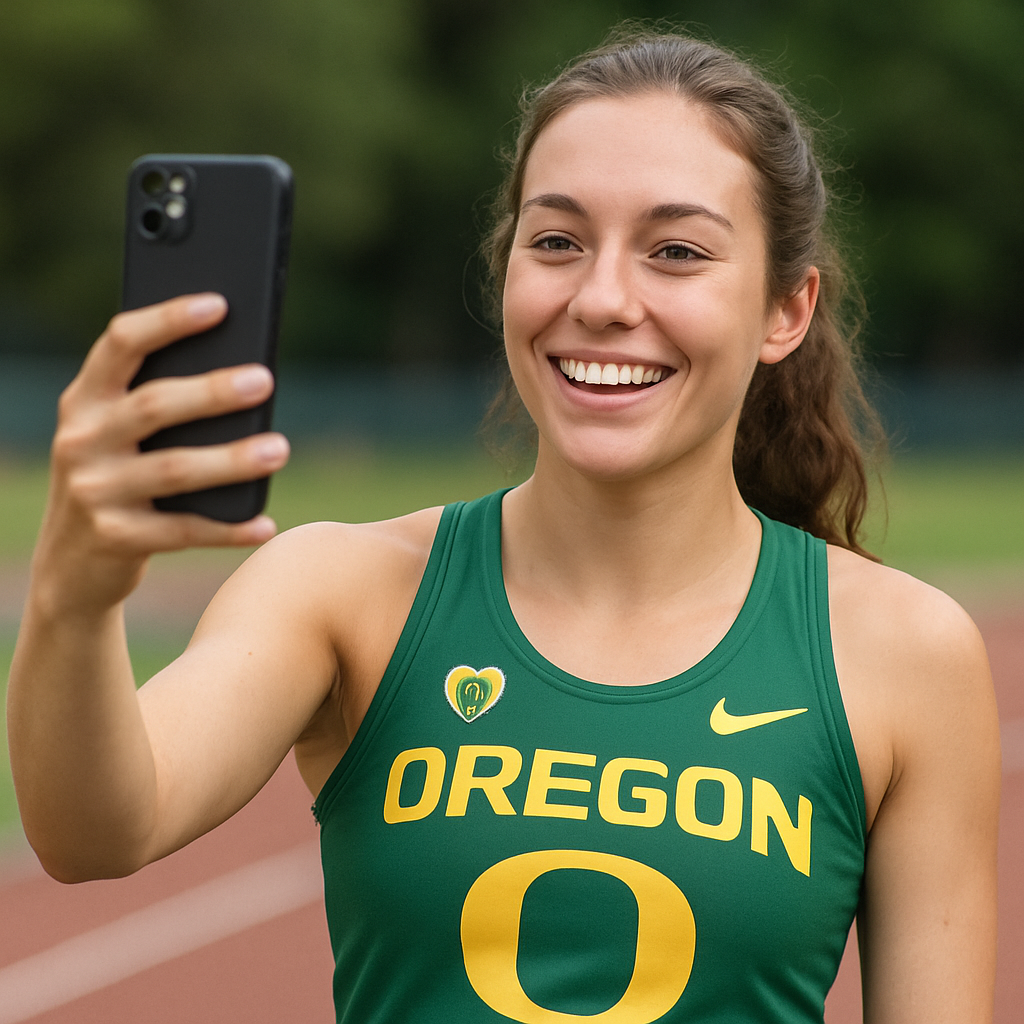
Imagine it’s game day at Autzen Stadium. As the star quarterback celebrates a touchdown, he isn’t just scoring points; he is fulfilling a contract that often pays more than the average fan earns in a year. Market shifts in college athlete endorsements have transformed amateurs into business owners overnight, completely rewriting the rules of NCAA competition.
This financial revolution is most visible through university of Oregon nil deals . For decades, the program’s identity relied on flashy uniforms and Phil Knight involvement in Oregon NIL, but that foundation has evolved into a sophisticated brand laboratory. This system reveals why the Ducks are uniquely positioned to dominate the new economy of college sports.
Summary
This article explains how Oregon leverages NIL through post-Alston legal changes, a sophisticated booster-led collective (Division Street), and the Opendorse marketplace to create compliant, revenue-generating opportunities for athletes across many sports. It highlights Oregon’s competitive edge from Phil Knight–backed, product-led branding rather than simple cash handouts. The piece outlines compliance and tax obligations athletes face and shows how local businesses and fans can participate. In the Big Ten era, a robust NIL ecosystem is central to Oregon’s recruiting, retention, and on-field success.
Why the Old Rules of College Sports No Longer Apply
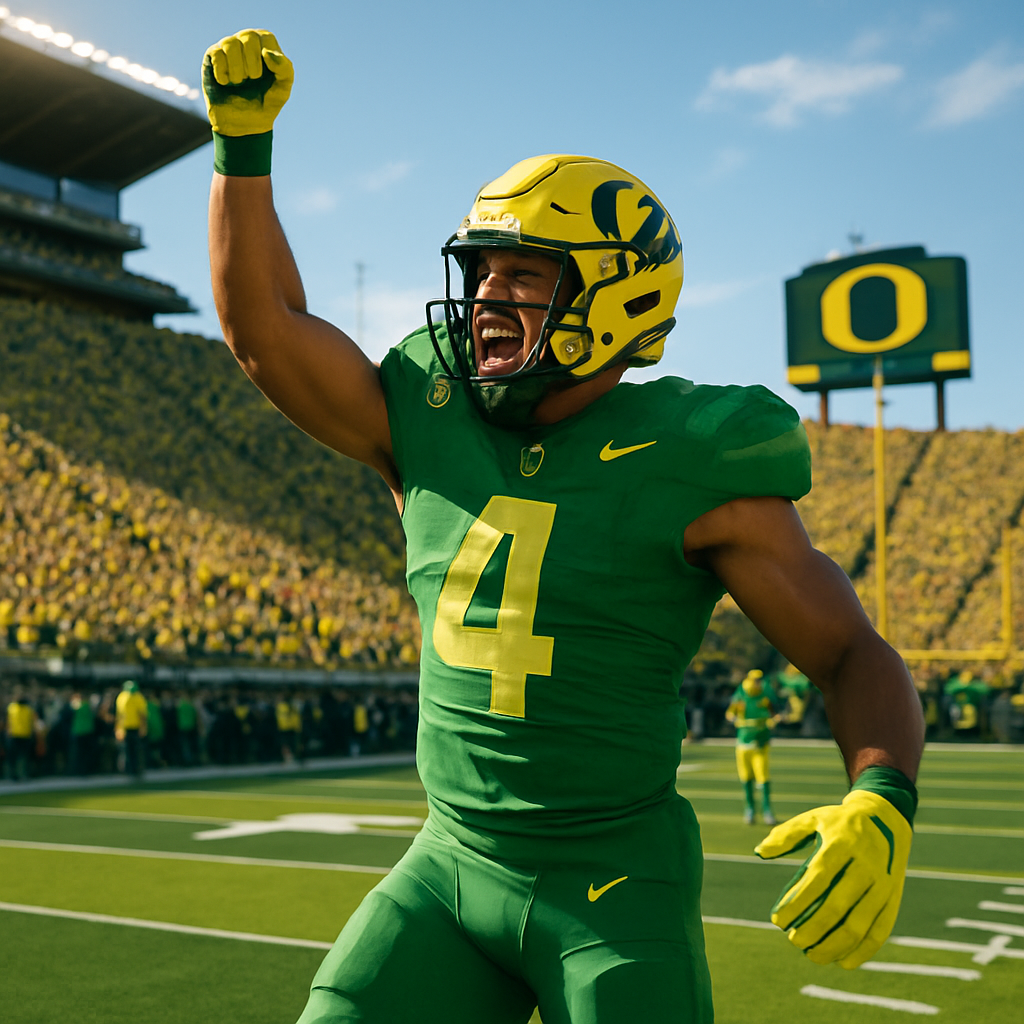
For generations, the NCAA prevented athletes from earning anything beyond scholarships. That dynamic shattered in 2021 with the Supreme Court’s NCAA v. Alston ruling. Justices decided the NCAA could no longer illegally restrict compensation, effectively forcing the organization to let athletes profit from their fame just like any other student.
Yet, a crucial boundary remains between legal earning and bribery. Schools cannot simply hand players cash to enroll—that is illegal “pay-for-play.” Instead, athletes utilize Name, Image, and Likeness (NIL) deals. These are valid business transactions where a player performs a service, like filming a commercial or signing autographs, in exchange for market-value compensation.
Oregon state legislation reinforces these rights, ensuring the university cannot be penalized when athletes engage in the open market. This legal safety net allowed boosters to build sophisticated infrastructure separate from the athletic department. The Ducks’ real advantage lies in the private engine operating just down the road.
Inside Division Street: The Private Engine Driving Oregon’s NIL Success
While the University of Oregon cannot legally cut paychecks to athletes, outside supporters found a workaround called a “collective.” A collective functions as a private company independent of the school where donors pool money to fund NIL opportunities. In Eugene, this concept evolved into Division Street, an organization co-founded by Phil Knight and former Nike executives. It separates the Oregon Ducks NIL collective Division Street from competitors by operating less like a charity and more like a Fortune 500 creative agency.
Instead of simply asking for handouts, Division Street builds actual brand equity. They release exclusive merchandise, such as the “Ducks of a Feather” luxury apparel line and NFTs, ensuring athletes earn revenue from tangible sales. This strategy fundamentally changes the impact of NIL on Oregon football recruiting because it offers players professional development, not just a paycheck.
Division Street’s Market Advantage:
- Talent Access: Led by top Nike marketers rather than standard boosters.
- Product-Led: Revenue comes from selling exclusive gear, ensuring sustainability.
- Creative Muscle: Offers athletes professional logo design and branding advice.
Once these high-level opportunities are created, athletes need a way to manage the paperwork and payments safely.
From Tweets to TV: How Oregon Ducks Secure Brand Deals on the Opendorse Marketplace
While Division Street handles high-level strategy, the day-to-day business happens on a phone screen. The University partners with a platform called Opendorse, which functions like a digital job board. Through the Oregon Opendorse marketplace for student athletes, a local business can send an offer directly to a linebacker’s smartphone. The player reviews the terms—essentially a “quid pro quo” arrangement where they must perform a specific service, like posting a photo, in exchange for payment—and accepts the deal in minutes. This digital paper trail ensures every transaction is compliant with NCAA rules.
Access to the team isn’t limited to billion-dollar corporations; main street Eugene participates too. Whether it’s a dealership offering a lease or a pizza place seeking promotion, brand partnership opportunities for Oregon Ducks fit various budgets. For business owners determining how to contact Oregon athletes for sponsorships, the platform creates a direct line to negotiate:
- Social Media Posts: Sponsored Instagram stories or tweets.
- Live Appearances: Autograph signings at store openings.
- Video Shoutouts: Personalized messages for fans or customers.
This accessibility ensures that NIL money isn’t just for the star quarterback.
Not Just for Quarterbacks: How Track Stars and Softball Players Win in NIL
While football grabs headlines, the “TrackTown USA” legacy creates a unique market for runners in Eugene. Global brands value the credibility of the Oregon singlet, allowing Olympic hopefuls to secure lucrative university of oregon nil deals that rival professional contracts. A sprinter at Hayward Field can turn international visibility into a viable career long before graduation.
Influence is about connection, not just TV time. Female athletes in softball and volleyball frequently command superior social media engagement, making them prime targets for college athlete endorsements. A viral TikTok from a Ducks softball player often generates more direct sales than a traditional commercial, proving that a dedicated digital following is often more valuable than a starting roster spot.
Even athletes in niche sports like golf operate as “micro-influencers,” partnering with specialized equipment manufacturers to monetize their specific audiences. As these diverse income sources push new names up the top earning Oregon student athletes rankings, players must pivot to a less glamorous challenge: navigating the complex reality of tax laws and eligibility rules.
The Hidden Side of NIL: Staying Eligible and Navigating Oregon Tax Laws
Just because money is flowing doesn’t mean the rulebook has disappeared. The Oregon athletic department NIL policy guidelines strictly prohibit university staff from negotiating contracts on behalf of players. Instead, the university acts as a compliance checkpoint to ensure a deal isn’t actually an “inducement”—a recruiting bribe used solely to sign a player. If a contract looks like a salary for playing football rather than payment for a specific service like an autograph signing, it violates NCAA compliance rules for Oregon NIL and puts the athlete’s eligibility at risk.
Once a deal passes that vetting process, the financial reality hits. Unlike a standard campus job where taxes are withheld automatically, most NIL income is classified as independent contractor work. This triggers specific tax implications for Oregon student athlete earnings, primarily the “self-employment tax.” Athletes are often surprised to learn they owe an additional 15.3% for Social Security and Medicare on top of regular income taxes.
To stay on the field and out of debt, modern Ducks must master these business essentials:
- Reporting every deal to the university compliance office for approval
- Setting aside roughly 30% of all income for tax season
- Documenting the actual work performed to prove the deal is legitimate
With the legalities handled, the focus shifts to how fans fit into this ecosystem.
Your Playbook for the Big Ten Era: How to Support the Next Generation of Ducks
The reality of how Oregon athletes earn revenue transforms the view of every touchdown and transfer announcement. As the team competes against powerhouse Ducks NIL vs Big Ten programs like Ohio State, a robust financial ecosystem is now the primary driver of recruiting success and player retention.
Supporters do not need a billionaire’s wallet to influence this new scoreboard. Exploring Duck Rising collective membership benefits allows everyday fans to contribute directly to the team’s stability. By getting involved, you stop being just a spectator and become an active partner in securing the talent required for Oregon to thrive in the modern era.
Learn More About the NIL Landscape
Name, Image, and Likeness plays an increasing role in college sports, and understanding how it works often requires more than individual articles or news updates.
RallyFuel is a platform focused on NIL-related topics across college athletics. It brings together information about athletes, NIL activity, and the broader structure behind modern college sports, helping readers explore the topic in more depth.
👉 Explore the Athletes on RallyFuel – Discover top college athletes, compare NIL valuations, and dive deeper into the world of NIL.
Q&A
Question: What is Division Street, and why is it central to Oregon’s NIL success?
Short answer: Division Street is an independent, booster-led collective co-founded by Phil Knight and former Nike executives that operates like a high-end creative agency rather than a donation hub. It builds athlete brands through product-led revenue—exclusive merchandise (e.g., “Ducks of a Feather”) and NFTs—so athletes earn from tangible sales. The group also provides professional creative support (logo design, branding advice), making opportunities sustainable and developmental. Enabled by post-Alston changes and Oregon law, this private engine gives the Ducks a market advantage without the school paying athletes directly.
Question: How do Oregon athletes actually land NIL deals day to day?
Short answer: Most deals flow through the Oregon Opendorse marketplace, a digital job board where businesses send offers directly to athletes’ phones. Players review “quid pro quo” terms—such as a post, appearance, or shoutout—and accept in minutes, creating a compliant paper trail. Opportunities fit a wide range of budgets, from local pizza shops to auto dealers, making participation accessible beyond just big brands.
Question: How can fans and local businesses participate in Oregon’s NIL ecosystem?
Short answer: Businesses can use Opendorse to hire athletes for social media posts, in-store signings, or personalized video messages, tailoring spend to their budget. Fans can join the Duck Rising collective, contributing recurring support that funds compliant NIL opportunities and helps with recruiting and retention. In the Big Ten era, these grassroots contributions bolster Oregon’s competitiveness against powerhouse programs.
Question: Which Oregon athletes beyond football are thriving in NIL—and why?
Short answer: Oregon’s TrackTown USA identity gives runners global visibility, enabling some track athletes to secure deals rivaling pro contracts. Female athletes in sports like softball and volleyball often outperform others in social engagement, making them valuable partners for brands seeking direct sales via TikTok or Instagram. Even niche-sport athletes act as micro-influencers, partnering with specialized manufacturers to monetize dedicated audiences.
Question: What compliance and tax responsibilities come with NIL, and how do athletes stay eligible?
Short answer: NIL must not be pay-for-play; it requires real services (e.g., an autograph session) at market value. University staff cannot negotiate deals, and the compliance office vets agreements to prevent recruiting inducements. Financially, most NIL income is independent-contractor work, subject to self-employment tax (15.3%) plus regular income taxes. Best practices include reporting every deal for approval, documenting the work performed, and setting aside roughly 30% of earnings for tax season.

Leave a Comment