

A decade ago, a South Carolina football player could face suspension for accepting a free pasta dinner in Five Points, yet today, that same athlete might legally star in the restaurant’s commercials. This dramatic shift centers on the “Right to Publicity,” a concept that finally allows players to monetize their fame just like movie stars. These University of South Carolina NIL deals represent the end of traditional amateurism and the beginning of a professionalized era.
In Columbia, staying competitive in the SEC now depends on how well the program adapts to this financial reality. Organizations like the Garnet Trust act as a community engine, pooling fan support to create legitimate South Carolina NIL opportunities that attract top talent. Beyond simple college athlete endorsements, these partnerships are now the essential infrastructure determining whether the Gamecocks can contend for championships.
Summary
This piece explains how NIL, grounded in the Right to Publicity, lets South Carolina athletes earn from third-party deals requiring real deliverables, signaling a shift toward a professionalized model. It spotlights the central role of fan-funded collectives—especially the Garnet Trust (official partner) and Carolina Rise—in recruiting and retention, and how Shane Beamer and Dawn Staley leverage NIL for football stability and women’s basketball brand power. The article outlines how local businesses can form compliant partnerships, the accompanying compliance and tax responsibilities, and the growing need for financial literacy. It closes with actionable steps for fans to participate through collectives and engagement, linking community investment to on-field success.
Why Your Favorite Gamecock Can Finally Get Paid: The ‘Right to Publicity’ Explained
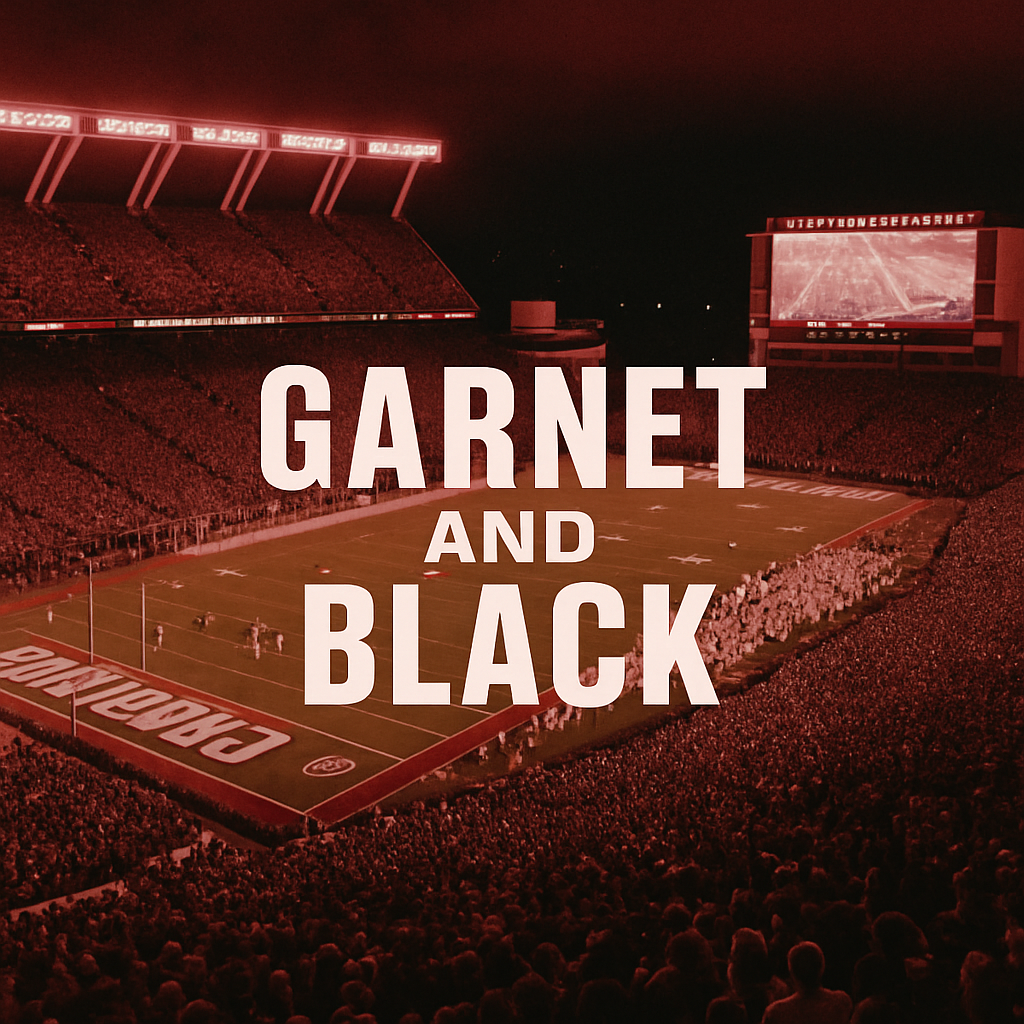
At its core, NIL isn’t a salary paid by the university to play football or basketball; strictly paying a player just to be on the roster would still violate NCAA rules. Instead, think of this new era as recognizing a “Right to Publicity.” Just as a musician gets paid when their song plays on the radio, South Carolina student-athlete compensation rules now allow Gamecocks to profit whenever their fame is used to sell a product. This shift means the money comes from third parties—like a car dealership on Greystone Boulevard or a sportswear brand—rather than the Athletic Department’s payroll.
To keep these deals legal under current SEC Name, Image, and Likeness regulations, there must be a clear “this-for-that” exchange. An athlete cannot simply accept a bag of cash; they must perform a specific service in return for payment. Recent South Carolina state NIL law updates have removed many bureaucratic hurdles to help the Gamecocks keep pace with rivals like Clemson, but the requirement for actual work remains the absolute golden rule to distinguish these deals from “pay-for-play.”
Legitimate work for a student-athlete in Columbia typically falls into three main categories:
- Social Media Promotions: Posting about a lunch special at a Five Points restaurant.
- Appearances: Signing autographs at a grand opening in Lexington.
- Commercials: Filming an advertisement for a local insurance agency.
While individual businesses sign many of these deals, the biggest impact often comes from fans pooling their resources together through organizations known as “collectives.”
The Garnet Trust and Carolina Rise: Navigating the ‘Community Pot’
If individual endorsements represent the retail side of NIL, collectives act as the wholesale engine. Think of a collective as a massive “community pot” or a fan-driven neighborhood association. Most supporters cannot afford to hire a linebacker for a private commercial, but by contributing a monthly subscription, thousands of fans can pool their money together. The collective then uses these funds to sign athletes to contracts for charity work, interviews, or fan meet-and-greets, ensuring players are compensated legally while deeply connecting with the Columbia community.
In the South Carolina ecosystem, understanding the Garnet Trust vs Carolina Rise comparison helps clarify where this support actually goes. While both organizations aim to empower student-athletes, they operate with distinct missions:
- The Garnet Trust: As the Garnet Trust official NIL collective partner of USC, it manages the largest volume of contracts across all sports, offering fans exclusive access to player interviews and events in exchange for membership.
- Carolina Rise: An independent organization that often focuses on filling specific needs or supporting particular sports through creative, agile fundraising efforts.
For the average supporter, these platforms serve as the ultimate Gamecock fans NIL donation guide turned into action. When you subscribe, you aren’t just donating; you are funding the mechanism that keeps the roster intact. This financial stability provides the foundation coaches like Shane Beamer and Dawn Staley need to move from simply participating in the SEC to consistently winning championships.
Winning the Arms Race: How Shane Beamer and Dawn Staley Use NIL to Build Champions
Modern college athletics is an arms race where roster stability is the ultimate weapon, and the Gamecocks football NIL impact on recruiting acts as the ammunition. Head Coach Shane Beamer has adapted to this reality by treating the NIL impact on USC transfer portal strategy much like professional free agency. In the past, a player might leave for more playing time, but today, they might be lured away by a stronger financial package from a rival school. Consequently, the Shane Beamer NIL recruiting philosophy centers on using collective resources not just to attract high school stars, but to re-recruit the current roster every year, ensuring that key playmakers remain in Columbia rather than entering the portal.
On the hardwood, the strategy shifts from pure retention to massive brand leverage. Dawn Staley’s role in women’s basketball NIL has set the national standard, transforming her players into legitimate marketing icons who secure partnerships with major corporate sponsors rather than relying solely on donor funds. Because the women’s team is consistently elite, their television exposure offers distinct value to brands, allowing athletes to maximize their earnings while winning championships. This success creates a virtuous cycle where top-tier recruits see South Carolina as the premier destination for both basketball development and personal business growth.
These aggressive strategies ensure the Gamecocks remain legitimate contenders in the SEC rather than falling behind well-funded rivals. By mastering both the retention game in football and the national branding game in basketball, USC secures the talent necessary to compete at the highest level. However, not every deal involves national corporations or massive collective contracts; the ecosystem is equally sustained by smaller interactions closer to campus.
From The Vista to Five Points: How Local Businesses Create Brand Partnerships
While national headlines often focus on million-dollar quarterbacks, the true heartbeat of the ecosystem resides in our own backyard. Small business owners in Columbia—from a boutique in The Vista to a sandwich shop in Five Points—can now utilize brand partnership opportunities with USC athletes to drive local traffic. This functions like traditional influencer marketing: a business pays for a specific service, and the athlete delivers exposure to their loyal fanbase using a simple four-step process:
- Connect: Reach out through a marketplace like Opendorse or The Garnet Trust to find an athlete matching your brand.
- Contract: Draft an agreement defining specific deliverables (e.g., “two Instagram stories”).
- Verify: Ensure the work is actually performed to avoid “pay-for-play” accusations.
- Report: The athlete submits the deal to USC compliance for final review.
The university acts as a referee rather than a dealmaker in this exchange. The compliance office checks every disclosure to ensure the compensation aligns with market value and that the work was legitimate, protecting the school from NCAA violations.
Earning a paycheck also introduces complex responsibilities off the field. Because this money is classified as independent contractor revenue, tax implications for South Carolina NIL income can surprise young earners who haven’t set aside funds for the IRS. Consequently, financial literacy training for Gamecock players has become essential, teaching them to manage 1099 forms and budget effectively before they turn pro.
The Gamecock Fan’s Playbook: Taking Action in the NIL Era
Recognizing the mechanics behind University of South Carolina NIL deals changes how you view Saturday game days. You now realize that keeping top talent away from rivals like Clemson isn’t just about coaching—it is about the support system fueling the roster. This knowledge transforms the way you watch the Gamecocks, revealing the critical link between local community investment and scoreboard results.
You do not need a massive budget to participate. Whether you join a collective or simply engage with players online to boost their brand value, you now possess the tools to support Gamecock athletes through NIL. Every interaction helps build the ecosystem necessary for SEC dominance, turning you from a passive spectator into an active partner in USC’s pursuit of future championships.
Learn More About the NIL Landscape
Name, Image, and Likeness plays an increasing role in college sports, and understanding how it works often requires more than individual articles or news updates.
RallyFuel is a platform focused on NIL-related topics across college athletics. It brings together information about athletes, NIL activity, and the broader structure behind modern college sports, helping readers explore the topic in more depth.
👉 Explore the Athletes on RallyFuel – Discover top college athletes, compare NIL valuations, and dive deeper into the world of NIL.
Q&A
Question: What does NIL mean at USC, and how is it different from a salary or “pay-for-play”?
Short answer: NIL at South Carolina is grounded in the Right to Publicity: athletes can be paid by third parties when their name, image, or likeness is used to promote something. It is not a university salary, and paying a player just to be on the roster is still against NCAA rules. Every deal must have real deliverables (e.g., appearances, social posts, commercials) to avoid “pay-for-play.”
Question: What do collectives do, and how do the Garnet Trust and Carolina Rise differ?
Short answer: Collectives pool fan contributions to fund legitimate, contract-based NIL work for athletes—think of them as the wholesale engine behind many deals. The Garnet Trust is USC’s official NIL collective partner and manages the largest volume of contracts across sports, offering members exclusive access to interviews and events. Carolina Rise is independent, focusing on specific needs or sports with agile, targeted fundraising. Both channel community support into roster stability and competitiveness.
Question: How is NIL shaping USC’s recruiting, retention, and transfer portal strategy?
Short answer: In football, Shane Beamer treats NIL like professional free agency: it’s used both to attract new talent and to re-recruit current players annually so they stay in Columbia instead of entering the portal. The financial stability provided by collectives is now central ammunition in the recruiting arms race, helping USC contend with well-funded SEC rivals.
Question: How is women’s basketball leveraging NIL under Dawn Staley?
Short answer: Dawn Staley has turned USC women’s basketball into a national NIL standard-bearer. Consistent on-court excellence and TV exposure translate into strong brand value, enabling players to secure major corporate partnerships beyond donor-funded deals. This creates a virtuous cycle: marketing power attracts elite recruits, which sustains championships and further boosts NIL opportunities.
Question: How can local businesses and fans participate compliantly, and what should athletes know about taxes?
Short answer:
- For businesses: Use a simple four-step process—Connect (via platforms like Opendorse or the Garnet Trust), Contract (define specific deliverables), Verify (ensure the work is done), and Report (athlete submits to USC compliance). The compliance office checks market value and legitimacy.
- For fans: Subscribe to a collective (e.g., Garnet Trust or Carolina Rise) or engage with athletes online to grow their brands—both directly support roster stability.
- For athletes: NIL income is typically 1099 independent contractor revenue, so setting aside taxes and building financial literacy are essential parts of doing deals responsibly.




Leave a Comment