

Introduction
The Milano-Cortina 2026 Winter Olympics are currently unfolding, and global audiences are focused on podium finishes, medal counts, and dramatic performances. What remains largely invisible is the structural complexity behind every athlete’s appearance on the Olympic stage.
The road to the 2026 Winter Games is not defined only by competition. It includes qualification cycles, operational coordination, training logistics, environmental adjustments, and institutional support systems that operate outside broadcast frames. Fans see final performances; they rarely see the infrastructure that sustains them.
As events continue across Italy, the unseen mechanisms behind athlete preparation and Games delivery remain active. This analysis examines what happens beyond the camera lens during the current Olympic cycle — from qualification strategy to weather adaptation and operational coordination.
The Qualification Layer Fans Rarely Follow
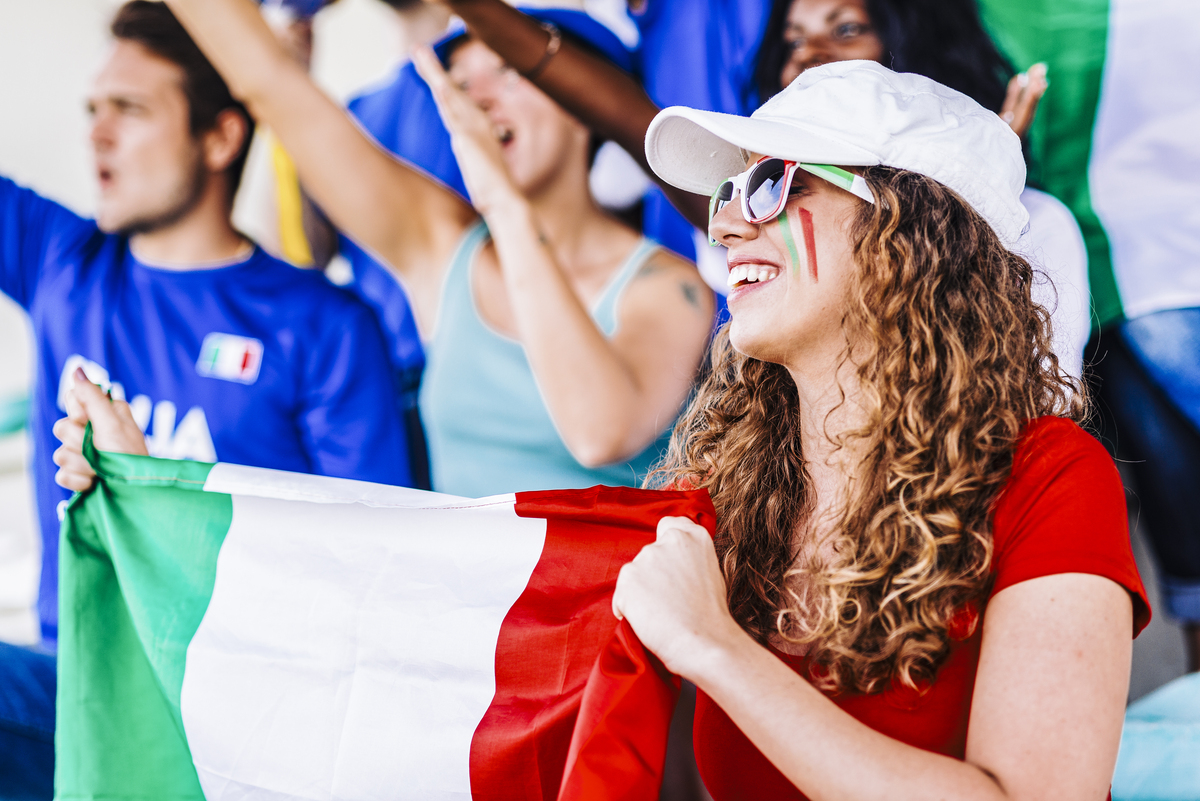
Before athletes compete in Milano-Cortina 2026, they navigate a dense Olympic qualification cycle. Rankings are accumulated through World Cup events, international tournaments, and federation-sanctioned competitions.
Qualification affects:
- Seeding positions
- National quota allocations
- Team selection decisions
- Event participation rights
These competitions rarely receive mainstream coverage, yet they determine who appears in
Hidden Phases of the Olympic Qualification Process (2026)
| Phase | Public Visibility | Operational Complexity | Athlete Impact |
|---|---|---|---|
| World Cup Circuit | Moderate (sport-specific audiences) | International travel coordination | Ranking accumulation |
| Continental Championships | Limited mainstream exposure | Federation quota allocation | Selection validation |
| National Trials | Domestic coverage only | Internal evaluation standards | Final roster decisions |
| Late Qualification Events | Minimal visibility | Compressed scheduling | Last opportunity entry |
Each phase operates under strict timelines. Missing a key ranking event can reshape an athlete’s Olympic path long before fans are aware.
Daily Logistics Beyond the Broadcast
Once athletes arrive in Italy, operations become even more complex.
Behind each event are coordinated systems managing:
- Athlete transport between dispersed venues
- Equipment storage and preparation
- Security screening protocols
- Nutrition logistics within the Olympic Village
The 2026 Games span multiple geographic zones, increasing transport and scheduling complexity. Travel timing affects recovery, warm-up routines, and sleep cycles — all invisible during televised coverage.
Operational planning teams work continuously to prevent minor disruptions from affecting competitive fairness.
Weather and Environmental Risk Management
Winter sports are uniquely exposed to environmental volatility.
Snow quality, wind direction, temperature fluctuations, and visibility directly influence:
- Course safety
- Speed calculations
- Athlete equipment adjustments
- Event scheduling
Athletes and organizers adapt rapidly to shifting conditions. Snow technicians reshape courses overnight. Coaches recalibrate strategy in response to forecast changes.
Fans see start times move or events delayed, but rarely witness the extensive recalibration that follows.
Equipment Preparation and Technical Oversight
Equipment performance margins at the Olympic level are extremely narrow.
Technicians monitor:
- Ski edge angles
- Ice temperature variations
- Blade sharpness
- Wax compositions
- Aerodynamic tuning
A small adjustment can alter race outcomes. Equipment teams operate under strict compliance regulations to maintain competitive integrity.
Operational Systems Working Behind Olympic Competition
| Operational Area | Who Manages It | Risk Mitigated | Competitive Influence |
|---|---|---|---|
| Course Preparation | Technical crews & sport federations | Safety hazards | Surface consistency |
| Equipment Compliance | Officials & technicians | Rule violations | Performance legality |
| Transport Scheduling | Organizing committee logistics | Delays & fatigue | Recovery timing |
| Athlete Nutrition | Team dietitians | Energy imbalance | Physical output stability |
| Recovery Coordination | Medical & performance staff | Overuse fatigue | Multi-event sustainability |
These systems function simultaneously while competition proceeds.
Olympic Village Life: Performance Under Structure
The Olympic Village is not simply housing. It is a controlled performance environment.
Athletes navigate:
- Regulated sleep schedules
- Structured meal planning
- Recovery time slots
- Media availability sessions
Social interaction is monitored to reduce distraction risk. Noise control and transport timing are managed to preserve competitive focus.
Fans often see celebratory moments, but daily life inside the Village revolves around discipline and performance protection.
The Psychological Dimension
Pressure intensifies during Olympic competition.
Athletes manage:
- National expectation
- Media scrutiny
- Compressed performance windows
- Career-defining stakes
Mental preparation includes structured psychological support and routine stabilization. Coaches simplify communication to reduce cognitive overload during competition days.
These internal processes remain largely invisible to viewers.
Broadcast vs Reality
Television coverage prioritizes narratives and highlights.
Behind the scenes, teams are simultaneously:
- Reviewing performance data
- Adjusting tactical plans
- Managing athlete recovery
- Coordinating next-day logistics
The real Olympic experience is layered, technical, and operationally dense — far removed from simplified broadcast storytelling.
Conclusion
The Milano-Cortina 2026 Winter Olympics represent the culmination of years of preparation, yet fans witness only a fraction of the effort involved.
Behind every medal performance lies:
- A qualification process shaped by rankings
- Coordinated international logistics
- Environmental risk management
- Technical equipment oversight
- Psychological stabilization
The road to the 2026 Winter Games is structured, complex, and continuously managed. What fans never see is not absence of drama — it is the system that makes visible drama possible.
Learn More About the NIL Landscape
Name, Image, and Likeness plays an increasing role in college sports, and understanding how it works often requires more than individual articles or news updates.
RallyFuel is a platform focused on NIL-related topics across college athletics. It brings together information about athletes, NIL activity, and the broader structure behind modern college sports, helping readers explore the topic in more depth.
👉 Explore the Athletes on RallyFuel – Discover top college athletes, compare NIL valuations, and dive deeper into the world of NIL.
FAQ
1. Why don’t fans see Olympic qualification events?
Most qualification competitions occur months before the Games and are covered primarily by sport-specific media rather than mainstream broadcasters.
2. How much does weather really affect Winter Olympic events?
Environmental conditions directly impact course safety and performance timing, often requiring real-time operational adjustments.
3. Do athletes manage their own equipment at the Olympics?
No. Specialized technicians and compliance officials oversee preparation to ensure safety and adherence to regulations.
4. What makes Olympic Village life different from regular competition travel?
The Village operates under centralized scheduling, security, and performance coordination protocols unique to the Games environment.
5. Is most of the Olympic workload logistical rather than competitive?
Yes. Operational management, scheduling, recovery coordination, and compliance oversight collectively form a major part of the Olympic ecosystem.



Leave a Comment