

Introduction
The Milano-Cortina 2026 Winter Olympic cycle is actively unfolding, and performance windows are compressed. Qualification rankings, federation evaluations, and roster decisions depend heavily on current-season results. When an athlete misses a key Olympic season—whether due to injury, academic interruption, eligibility issues, or performance decline—the impact extends beyond lost competition time.
The Olympic cycle operates on momentum. Rankings accumulate through sanctioned events, national selection committees assess current form, and coaching staff evaluate consistency across the qualification period. Missing a competitive season during this window disrupts rhythm, exposure, and selection positioning.
In 2026, where Olympic preparation is tightly synchronized with national trials and international competitions, absence from a key season alters development trajectories. Colleges, federations, and performance staff must adapt recovery strategies while athletes attempt to re-enter qualification pathways.
This analysis examines how missing a season affects selection standing, scholarship stability, performance analytics continuity, and institutional support during the active Olympic cycle.
The Olympic Season as a Qualification Accelerator
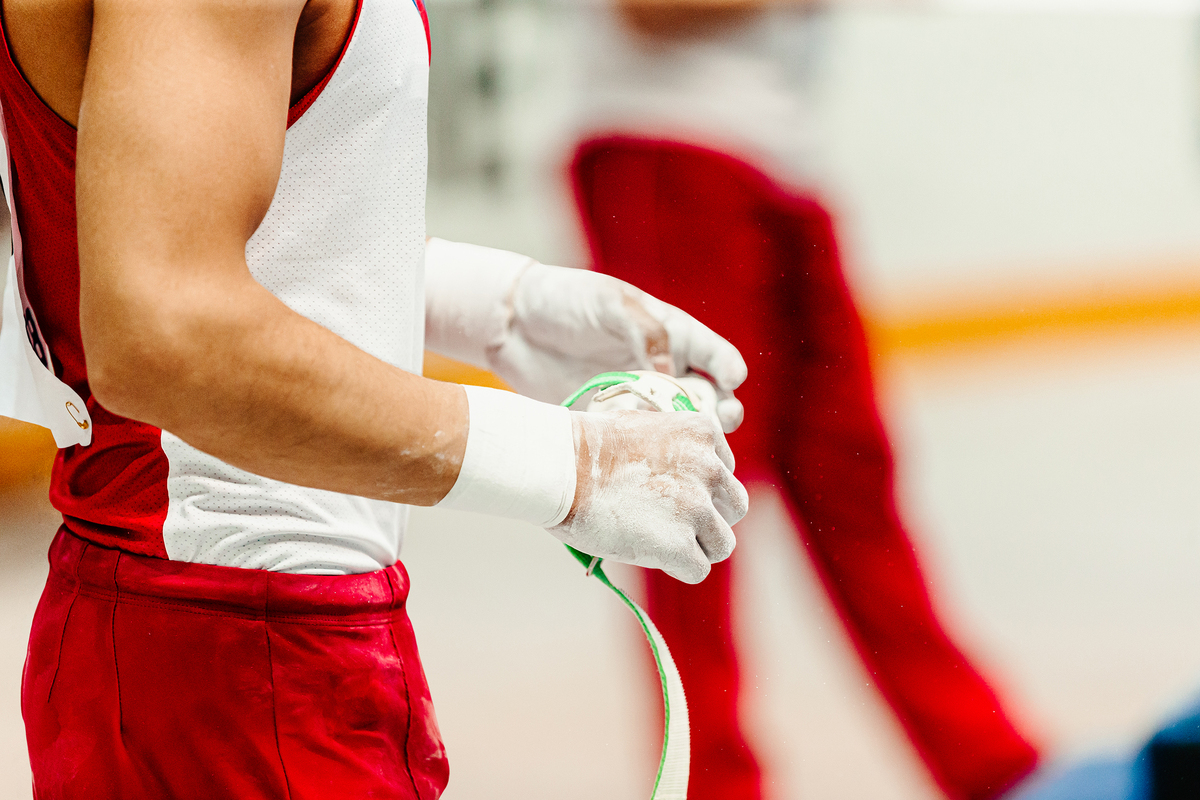
In the current Olympic year, competition density increases. Ranking points, performance data, and comparative evaluations accumulate rapidly.
Missing a key season means:
- No ranking accumulation
- Reduced international exposure
- Loss of selection momentum
- Limited data for federation evaluation
National federations rely on recent performance metrics. Without competition data, athletes fall behind peers who are actively building results during the 2026 qualification cycle.
The Olympic calendar does not pause for recovery. Even short absences compress available opportunities to demonstrate readiness.
Injury and the Loss of Competitive Rhythm
Injury remains the most common reason athletes miss a critical season.
During Milano-Cortina 2026 preparation, recovery and load management are central. However, when rehabilitation overlaps with major qualification events, athletes face compounded challenges:
- Physical reconditioning timelines
- Reduced competitive confidence
- Diminished comparative metrics
Returning athletes must re-establish conditioning under accelerated evaluation timelines. Performance analytics may show regained fitness, but federations prioritize demonstrated competition results.
In sports such as hockey and skiing, rhythm and repetition are essential. Missing tournament play or World Cup events disrupts pacing adaptation.
Scholarship and Eligibility Implications
Within collegiate systems, missing a season intersects with eligibility structures.
Colleges may provide:
- Medical redshirts
- Extended scholarship support
- Adjusted academic planning
However, scholarship flexibility varies by institution and roster depth.
Athletes who miss competition due to non-medical reasons—such as academic ineligibility—face additional scrutiny. NCAA support during Olympic qualification may continue, but national selection bodies evaluate active performance rather than projected potential.
Institutional backing mitigates financial instability, yet it does not automatically restore qualification standing.
The Data Gap in Performance Monitoring
Modern Olympic preparation relies heavily on performance analytics.
When athletes miss a season:
- Data tracking sequences are interrupted
- Load progression models require recalibration
- Biomechanical refinements are delayed
Sports science infrastructure can maintain conditioning during rehabilitation, but competition data cannot be replicated in training environments.
Federations prioritize observable outcomes in sanctioned events. Training metrics alone rarely secure Olympic roster positions during the 2026 cycle.
Psychological and Competitive Confidence Effects
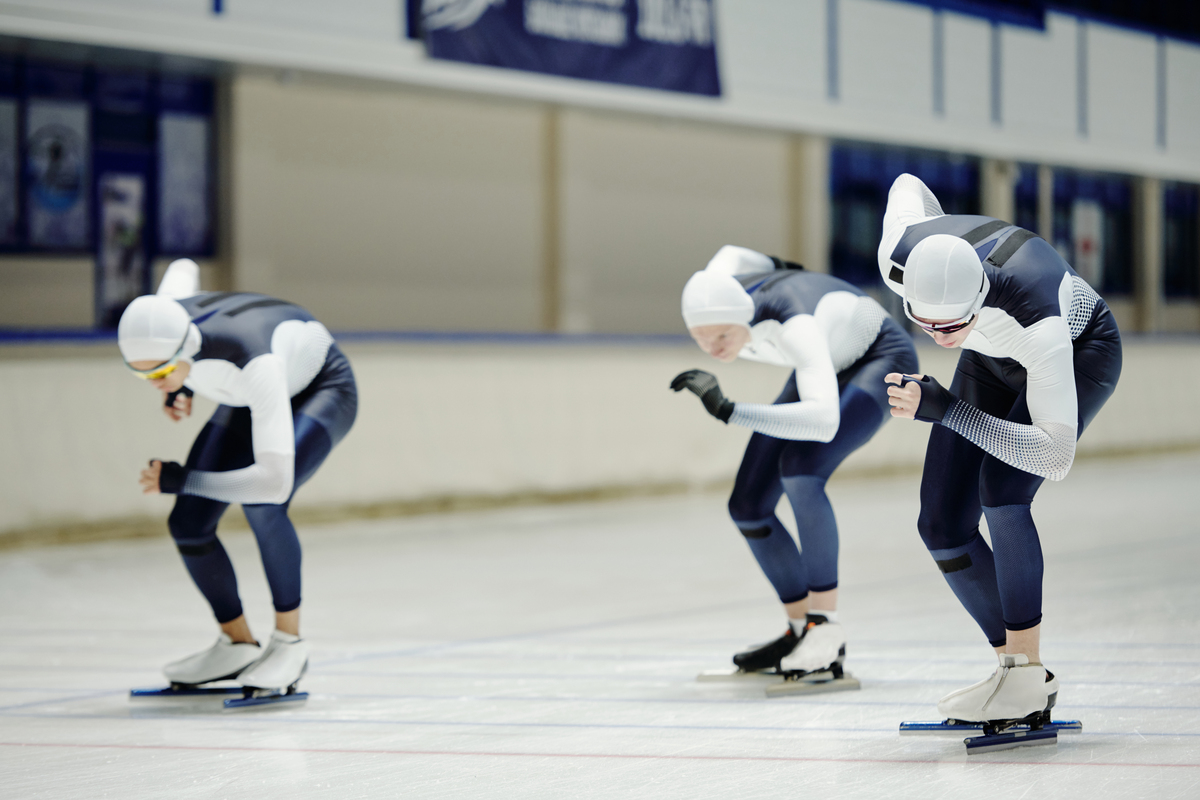
Absence from key competition windows affects psychological positioning.
Athletes returning during Olympic qualification periods face:
- Heightened internal pressure
- Reduced margin for error
- Increased comparative scrutiny
Mental health support becomes central. Colleges often provide sports psychology services to stabilize confidence during reintegration phases.
However, competitive self-trust typically rebuilds through repetition—something limited when the Olympic calendar advances without pause.
Re-Entry Into the Selection Process
Re-entering Olympic contention after missing a season requires accelerated validation.
Athletes must demonstrate:
- Immediate competitive competitiveness
- Tactical sharpness
- Conditioning parity with active peers
In team sports like hockey, roster spots may already be consolidated by athletes who remained active during the season.
In individual disciplines such as skiing or Nordic events, ranking points lost during absence are difficult to replace within compressed schedules.
The Olympic qualification cycle in 2026 prioritizes recent consistency over historical reputation.
Institutional and Federation Coordination
When athletes miss a key season, coordination between colleges and national federations intensifies.
Universities may provide:
- Extended facility access
- Modified training plans
- Integrated recovery protocols
Federations may offer conditional re-entry opportunities but maintain performance-based criteria.
Institutional stability cushions disruption, yet Olympic roster decisions remain merit-driven during the active cycle.
Long-Term Development vs Immediate Olympic Impact
Missing a key season does not necessarily derail long-term careers.
However, during the 2026 Olympic window, timing matters.
Short-term consequences may include:
- Lower qualification ranking
- Reduced media exposure
- Limited NIL opportunities during Olympic year
- Delayed international recognition
Athletes may regain form post-Games, but Olympic participation opportunities operate within fixed timelines.
The structure of the cycle magnifies the cost of absence.
Milano-Cortina 2026 Context — Why Timing Is Critical
The Milano-Cortina 2026 Games represent the culmination of years of preparation. Qualification decisions are currently based on performance within this defined window.
Missing even one competitive season during this period:
- Shrinks evaluative data sets
- Alters comparative rankings
- Limits federation assessment
Olympic preparation does not reset. Athletes re-entering late face compressed validation requirements.
The impact is situational but structurally significant within the 2026 cycle.
Conclusion
Missing a key Olympic season during the active 2026 Winter Games cycle creates layered consequences.
Athletes lose ranking momentum, comparative evaluation visibility, and competition-based confidence. Colleges may provide scholarship stability, academic flexibility, and sports science support, but national selection decisions prioritize current-season evidence.
Institutional infrastructure mitigates risk. It does not eliminate qualification pressure.
In an Olympic cycle defined by timing, absence reshapes opportunity windows. Recovery and reintegration remain possible, yet the compressed nature of Milano-Cortina 2026 competition amplifies the cost of missing a critical season.
Learn More About the NIL Landscape
Name, Image, and Likeness plays an increasing role in college sports, and understanding how it works often requires more than individual articles or news updates.
RallyFuel is a platform focused on NIL-related topics across college athletics. It brings together information about athletes, NIL activity, and the broader structure behind modern college sports, helping readers explore the topic in more depth.
👉 Explore the Athletes on RallyFuel – Discover top college athletes, compare NIL valuations, and dive deeper into the world of NIL.
FAQ
1. Can an athlete still qualify for the Olympics after missing a season?
It depends on timing and qualification criteria. Federations prioritize recent performance results, so athletes must quickly demonstrate competitive readiness upon return.
2. Do colleges continue scholarships if an athlete is injured?
In many cases, institutions honor medical scholarships and may provide eligibility extensions, though policies vary by program and conference.
3. How does missing competition affect ranking points?
Athletes lose opportunities to accumulate points during sanctioned events, which directly affects Olympic qualification standing.
4. Can strong training metrics replace competition results?
Training data supports readiness but rarely substitutes for official event performance in selection decisions.
5. Is missing one season always career-defining?
Not necessarily. Long-term careers can recover. However, within the fixed 2026 Olympic cycle, absence significantly narrows qualification opportunities.



Leave a Comment