
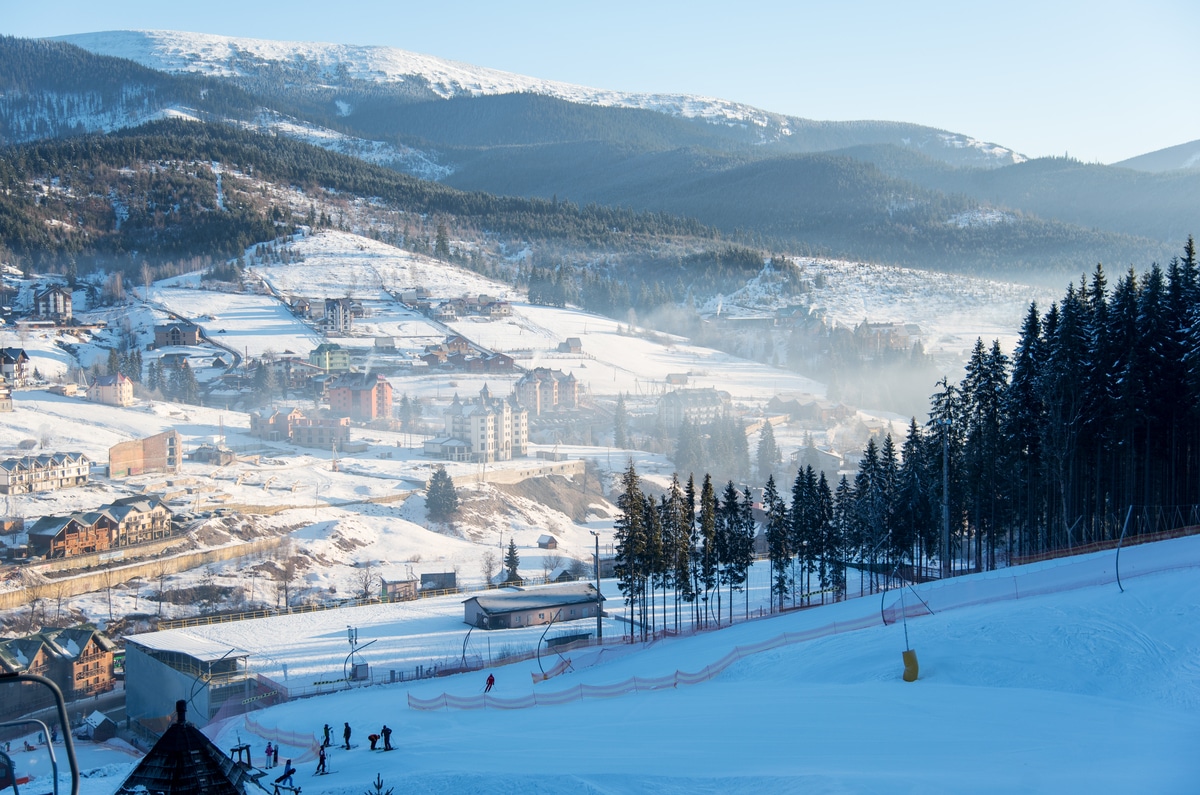
Introduction: Olympic Performance Isn’t Immediate
This phase consolidates physiological foundations, tactical systems, competitive readiness, and psychological preparedness — all culminating in peak performance during the Olympic window. Understanding this multi-year peak logic helps explain why 2024–2026 training cycles matter more than any single season.
For athletes aiming at peak performance at the Winter Olympics 2026 in Milano-Cortina, success is not engineered in the final months alone — it is the result of a multi-year structured training progression. The period beginning roughly two years before the Games (2024–2026) represents the most critical phase because it bridges foundational capacity building and elite competitive optimization.
Long-Term Periodization and Peak Timing
Performance periodization — the systematic planning of training loads over time — underpins elite athletic preparation. It breaks down an extended timeline into phases where volume and intensity are manipulated to elicit specific adaptations leading up to the primary competitive event.
In Olympic sports, coaches typically construct multi-year macrocycles rather than annual plans alone. These macrocycles are designed such that general development occurs earlier, followed by sport-specific refinement and peaking closer to the major event.
The two-year window before the Games sits at a pivot point where both broad adaptation (foundation building) and targeted performance optimization must co-align.
Phase Logic: Foundation to Peak in 24–26
1. Base and General Conditioning (2024)
The first year serves as a foundation builder:
- Aerobic and anaerobic engine development
- Strength and power base establishment
- Technical refinement
- Neural and muscular adaptability
This preparatory focus must be broad and progressive enough to support later specificity. It establishes the physiological “platform” on which later higher-order adaptations are possible.
Without a robust base, later high-intensity specialization can lead to injury, burnout, or performance plateaus.
2. Specific Preparation and Competitive Calibration (2025)
The second year sharpens sport-specific attributes and anchors competition readiness:
- Tactical systems adapted for international competition
- Technique under competitive stress
- Peaking strategies in qualification events
- Psychological conditioning for major events
This phase is where long-term planning meets performance reality. Qualification events in 2025 not only determine Olympic participation but also function as performance indicators to refine training focus.
A well-executed competition season signals readiness for Olympic peaking and reduces uncertainty entering the final preparation phases.
3. Final Peak and Taper (Late 2025 – Early 2026)
After the qualification window, athletes enter a tailored peaking strategy:
- Volume decreases
- Intensity specificity increases
- Recovery and physiological freshness prioritized
This tapering strategy ensures that athletes arrive at the competition (Milano-Cortina 2026) with maximum performance potential and minimal accumulated fatigue.
Why Two Years — Not One or Three — Is Critical
• Biological Adaptation Requires Time
Adapting to elite-level demands is not instantaneous. Reaching IOC-level performance requires:
- Muscular adaptation
- Endurance maturation
- Neural efficiency
- Tactical intelligence
These adaptations are layered with progressive overload and recovery cycles — often spanning multiple years.
A single year is insufficient for both base conditioning and performance specialization.
• Competition Calibration Matters
Participation in competitive events during 2025 serves two essential roles:
- Qualifying athletes for Olympic slots
- Evaluating performance metrics against elite peers
Without this intermediate competition window, athletes risk entering peak phase without validated performance data — increasing the risk of miscalibrated preparation.
• Injury Prevention and Load Management
High performance demands throughout a macrocycle must avoid overtraining and injury. Periodization theory emphasizes oscillating load and recovery cycles to maintain progression without burnout.
The two-year span allows coaches to distribute intensity and volume safely while still building toward Olympic readiness.
Practical Illustration: Phased Load Strategy
| Phase | Duration | Focus Area | Expected Adaptations |
|---|---|---|---|
| Base Conditioning (2024) | 6–12 months | Strength, Endurance, Technique | Foundational physiological capacities |
| Specific Preparation (2025) | Full season | Competitive tactical & physiological | Competition readiness, event-specific skills |
| Peak Taper (Late 2025–26) | 8–12 weeks | Event intensity and freshness | Performance stabilization and peak timing |
This phased logic reflects how time allows progressive integration of physiological, tactical, and psychological components.
Olympics 2026 Context: Team USA Application
For Team USA winter athletes, this two-year framework has operational relevance:
- NCAA competition (2024–25 seasons) provides structured tactical rehearsal and physiological stressors that feed into national team evaluation.
- Qualification events in 2025 directly determine Olympic roster eligibility.
- Pre-Games peaking (2026) requires alignment of tactical systems, recovery strategies, and psychological readiness optimized through multi-year planning.
Thus, the period is truly critical not only because of timing but because it connects developmental systems with ultimate performance execution.
Learn More About the NIL Landscape
Name, Image, and Likeness plays an increasing role in college sports, and understanding how it works often requires more than individual articles or news updates.
RallyFuel is a platform focused on NIL-related topics across college athletics. It brings together information about athletes, NIL activity, and the broader structure behind modern college sports, helping readers explore the topic in more depth.
👉 Explore the Athletes on RallyFuel – Discover top college athletes, compare NIL valuations, and dive deeper into the world of NIL.
FAQ
1. What does “Olympic training cycle” mean?
It refers to the multi-year periodization strategy designed to optimize athlete performance for the Olympic Games.
2. Why not peak in the final year alone?
Because foundational physiological and tactical adaptations require time that cannot be compressed into a single season.
3. What role do competitions in 2025 play?
They help athletes qualify for the Games and provide performance feedback to refine final preparation.
4. Is this cycle the same for all sports?
The structure is similar, but volume and intensity distribution vary by discipline.
5. How does the NCAA calendar fit into this Olympic window?
For winter sports athletes in the NCAA, collegiate competition provides an intermediate competitive framework within the larger Olympic periodization.


Leave a Comment