
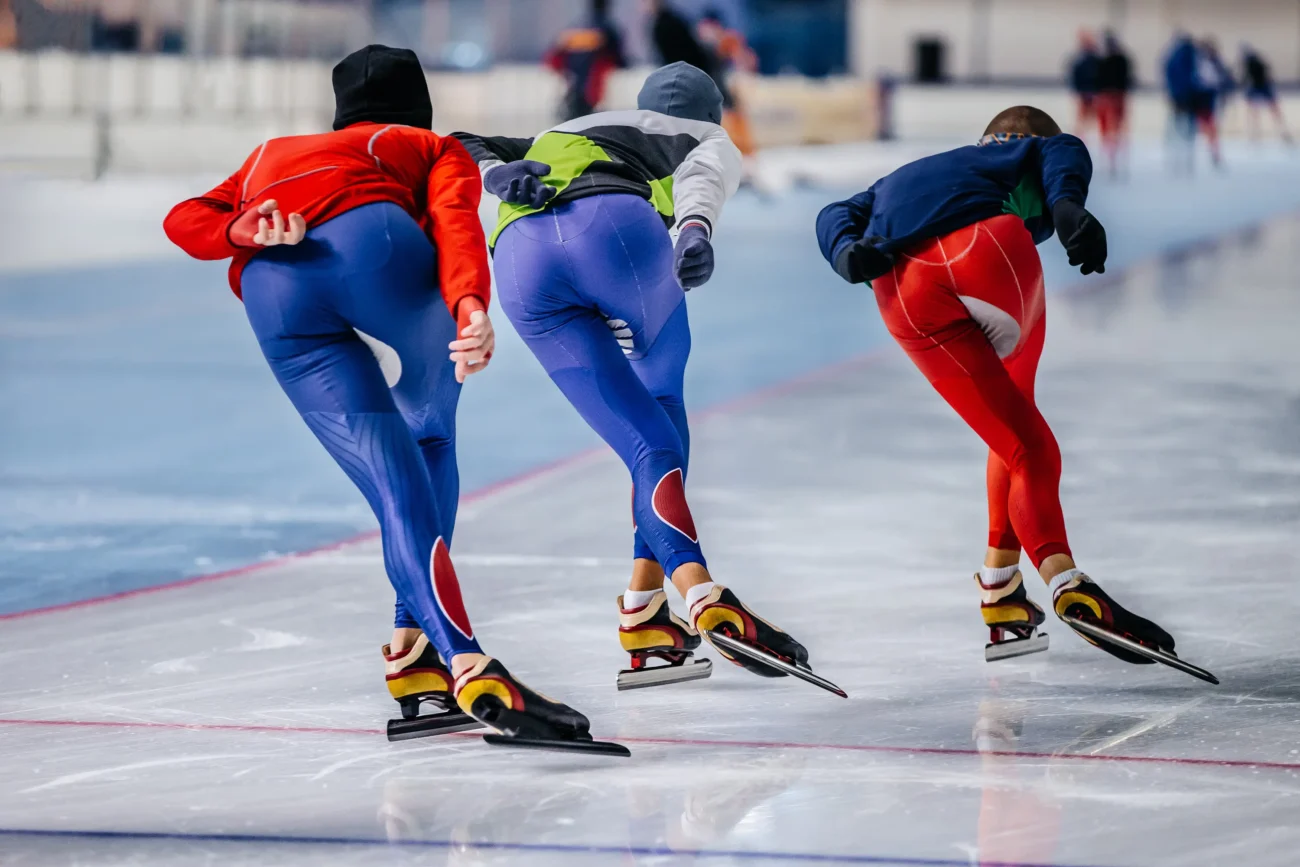
As we look ahead to the future of Winter Olympics, it’s crucial to consider which Olympic sports might be at risk of losing their Olympic status. The International Olympic Committee (IOC) continually evaluates the sports and events included in the Olympic program.
The IOC’s criteria for inclusion, global participation rates, and the impact of climate change are all crucial factors in determining the future of winter sports at the Olympics. We will explore these factors and their potential consequences for Olympic sports.
The Evolution of Olympic Winter Games
The history of the Olympic Winter Games is marked by continuous change and adaptation. Since the first Winter Olympics in Chamonix in 1924, the Games have seen considerable evolution, with new sports and events being added while others have been discontinued.
Historical Growth from Chamonix 1924 to Present
The first Winter Olympics in 1924 featured 258 athletes from 16 countries, competing in 14 events across 9 sports. Fast forward to the present day, the Winter Olympics have grown significantly, with over 2,900 athletes from more than 80 countries participating in the most recent events. This growth reflects the increasing global popularity of winter sports and the Olympic Games.
Previous Winter Sports That Lost Olympic Status
Over the years, several winter sports have lost their Olympic status. Understanding these changes provides insight into the IOC’s decision-making process.
Military Patrol to Biathlon Transition
One notable example is the transition from military patrol to biathlon. Military patrol was one of the original winter sports, but it eventually evolved into biathlon, which has remained an Olympic sport. This transition demonstrates the IOC’s ability to adapt and evolve sports to maintain relevance.
Discontinued Demonstration Events
Various demonstration events have been featured at the Winter Olympics over the years, some of which have been discontinued. These events, while not part of the official Olympic program, provided a platform for emerging sports to gain exposure.
By examining the historical context and evolution of the Olympic Winter Games, we can better understand the potential future changes and the factors influencing the IOC’s decisions regarding Olympic sport status.
How the IOC Determines Olympic Sport Status
The International Olympic Committee (IOC) employs a rigorous evaluation process to determine which sports are included in the Olympic program. This process is crucial for maintaining the relevance and appeal of the Olympics in the ever-changing world of sports.
Official Criteria for Olympic Inclusion
The IOC has established specific criteria for determining whether a sport should be included in the Olympic program. These criteria include factors such as global participation, the sport’s popularity, and its governance. For instance, a sport must be widely practiced and have a strong international governing body to be considered for Olympic inclusion.
The Olympic Agenda 2020+5 Impact
The Olympic Agenda 2020+5 has significantly impacted the IOC’s decision-making process. This agenda focuses on modernizing the Olympics, making them more relevant to current societal trends, and ensuring the long-term sustainability of the Games. It has led to a more flexible and inclusive approach to Olympic sport selection.
The Role of Global Federations
Global federations play a crucial role in the IOC’s evaluation process. They are responsible for governing their respective sports internationally and providing the IOC with necessary information about their sport’s global reach, competitive level, and adherence to IOC standards. The cooperation between the IOC and global federations is essential for the successful inclusion of sports in the Olympic program.
By understanding the IOC’s criteria and the impact of the Olympic Agenda 2020+5, we can better appreciate the complexities involved in determining Olympic sport status. The role of global federations in this process underscores the collaborative effort required to maintain the integrity and appeal of the Olympic Games.
Factors Putting Winter Sports at Risk
Several factors are threatening the future of winter sports in the Olympic Games, raising concerns among athletes and fans alike. The International Olympic Committee (IOC) is closely monitoring these factors to determine which sports will remain part of the Olympic program.
Declining Global Participation Rates
One of the significant challenges facing winter sports is the decline in global participation rates. As the popularity of certain sports waxes and wanes, the IOC looks closely at the number of athletes and countries participating in each sport. Sports with dwindling participation may find themselves at risk of being dropped from the Olympic program.
Climate Change Impacts on Winter Sports
Climate change is having a profound impact on winter sports, with rising temperatures affecting snow conditions and the viability of certain sports. The IOC is working to understand and mitigate these impacts, but sports that are heavily reliant on specific weather conditions are facing significant challenges.
Viewership Statistics and Commercial Viability
The IOC also considers viewership statistics and commercial viability when evaluating the status of winter sports. Sports that fail to attract large audiences or secure significant sponsorship deals may be seen as less viable for future Olympics.
| Sport | Average Viewership | Commercial Revenue |
|---|---|---|
| Alpine Skiing | 2.5 million | $10 million |
| Figure Skating | 3.2 million | $12 million |
| Speed Skating | 1.8 million | $8 million |
Gender Equality Requirements
The IOC has made a commitment to gender equality, requiring sports to have a more balanced representation of male and female athletes. Sports that fail to meet these requirements may face consequences, including the potential loss of Olympic status.
By understanding these factors, we can better appreciate the challenges facing winter sports in the Olympic Games. As the IOC continues to evaluate and adapt the Olympic program, it’s clear that the future of certain sports hangs in the balance.
Winter Sports That Could Lose Olympic Status in the Future
The International Olympic Committee (IOC) is constantly evaluating the Olympic program, and several winter sports are at risk of losing their status. As we examine the current state of winter Olympic sports, it’s clear that some disciplines face significant challenges to their continued inclusion.
IOC’s Current Watch List
The IOC maintains a watch list of sports under consideration for various reasons, including global participation rates, competitive balance, and overall appeal. Sports on this list are subject to closer scrutiny and potential changes to their Olympic status.
Some of the winter sports currently being closely monitored include:
- Biathlon
- Cross-Country Skiing
- Luge
Sports on Probation
Certain sports are on probation due to concerns such as declining global participation or issues with competitive integrity. These sports must demonstrate improvement in these areas to maintain their Olympic status.
Recent Program Reduction Discussions
The IOC has been engaged in ongoing discussions about reducing the Olympic program to make it more streamlined and appealing to a younger audience. This has led to speculation about which sports might be cut.
Let’s examine a summary of the current status of some winter Olympic sports:
| Sport | Current Status | Concerns |
|---|---|---|
| Biathlon | On Watch List | Participation Rates |
| Luge | On Probation | Competitive Balance |
| Cross-Country Skiing | Under Review | Global Appeal |
As the IOC continues to evaluate and potentially adjust the Olympic program, the future of these winter sports remains uncertain. Athletes, federations, and fans are all watching closely to see which sports will maintain their Olympic status and which might be discontinued.
Alpine Skiing Events Under Scrutiny
The International Olympic Committee’s (IOC) ongoing review of Olympic events has put alpine skiing under the microscope. As a result, certain events within this popular Winter Olympics discipline are facing uncertainty about their future inclusion.
Combined Event’s Uncertain Future
The combined event, which requires athletes to compete in both downhill and slalom races, has been a part of alpine skiing since the early days of the Olympics. However, its future is now in question due to declining popularity and viewership. The IOC is considering whether to retain this event or replace it with more contemporary alternatives that might appeal to a younger audience.
Parallel Events Facing Elimination
Parallel slalom events, which involve head-to-head racing on parallel courses, are another area of alpine skiing under scrutiny. While they offer exciting competition, concerns about their global appeal and television viewing figures have led the IOC to consider their elimination.
Athlete and Federation Responses
Athletes and national ski federations are responding to these potential changes. Many argue that the combined event and parallel slalom are crucial to the sport’s Olympic identity and should be retained. Others suggest that adapting event formats could help maintain relevance in a changing sports landscape.
Key concerns include:
- Maintaining competitive integrity
- Ensuring global appeal
- Adapting to changing viewer preferences
As the IOC weighs these factors, the future of alpine skiing events at the Olympics remains uncertain. The decisions made will have significant implications for athletes, federations, and fans worldwide.
Bobsleigh and Skeleton: Expensive Traditions at Risk
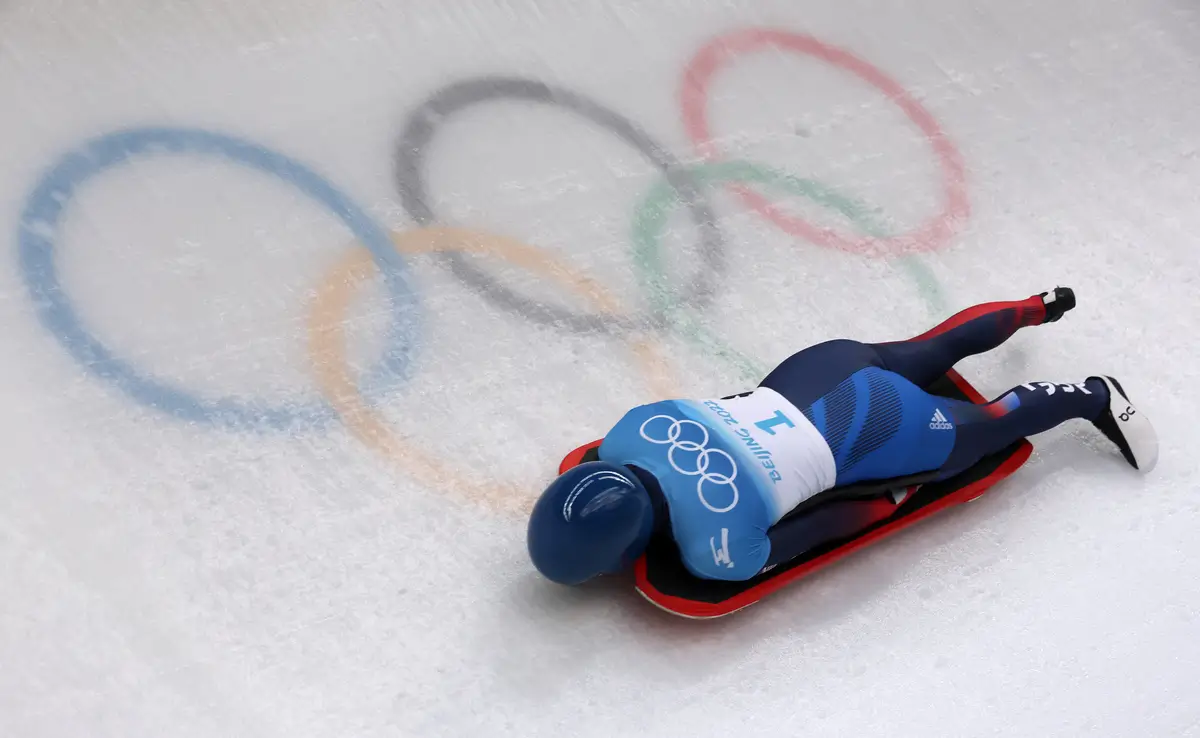
As we look to the future of the Winter Olympics, bobsleigh and skeleton are among the sports facing uncertain times. These sports, while thrilling to watch and participate in, come with significant financial burdens that are causing concern among Olympic organizers.
Track Construction and Maintenance Costs
One of the primary challenges facing bobsleigh and skeleton is the cost associated with constructing and maintaining their tracks. For instance, the construction of a bobsleigh track can cost upwards of $100 million, with maintenance costs adding millions more each year. As quoted by the International Bobsleigh and Skeleton Federation (IBSF), “The cost of maintaining a bobsleigh track is substantial, requiring significant investment in ice making, track surface maintenance, and safety features.”
“The cost of maintaining a bobsleigh track is substantial, requiring significant investment in ice making, track surface maintenance, and safety features.” – International Bobsleigh and Skeleton Federation
Limited Global Participation Beyond Traditional Powers
Another issue is the limited global participation in these sports, with traditional powers like the United States, Germany, and Canada dominating the competitions. This limited participation can make the sports less appealing to Olympic organizers looking to globalize their events.
| Country | Medals Won (2022 Winter Olympics) |
|---|---|
| United States | 4 |
| Germany | 5 |
| Canada | 3 |
Monobob Introduction as Potential Solution
In an effort to address some of these challenges, the IBSF has introduced the monobob event, which simplifies the sport by having athletes compete in single-person sleds. This could potentially reduce costs and attract more participants. As the IBSF notes, “Monobob is an exciting development that could make our sports more accessible and appealing to a wider audience.”
The introduction of monobob and efforts to reduce costs and increase participation will be crucial in determining the future of bobsleigh and skeleton in the Olympic Games.
Nordic Combined: Fighting for Relevance
With a rich history in the Winter Olympics, Nordic combined is now fighting for its relevance in the modern Olympic landscape. This traditional sport, which combines cross-country skiing and ski jumping, has been a part of the Winter Games since 1924.
Women’s Exclusion Controversy
A significant challenge facing Nordic combined is the exclusion of women’s events from the Olympic program. This omission has sparked controversy, with many arguing that it contradicts the IOC’s commitment to gender equality. The lack of women’s Nordic combined events not only limits opportunities for female athletes but also diminishes the sport’s global appeal.
Viewership Challenges and Format Changes
Nordic combined has also struggled with declining viewership in recent years. To address this issue, the IOC and the International Ski and Snowboard Federation (FIS) have considered format changes, such as introducing new competition formats and adjusting the event schedule to improve spectator engagement.
Historical Significance vs. Modern Appeal
Despite its historical significance, Nordic combined must adapt to the changing Olympic landscape. The sport’s traditional format, while rich in heritage, may not be as appealing to modern audiences. To remain relevant, Nordic combined must strike a balance between preserving its history and embracing innovation.
- Lack of women’s events
- Declining viewership
- Potential format changes
Addressing these challenges will be crucial to the sport’s continued inclusion in the Olympic program.
Ice Hockey Format Changes and Concerns
As we look ahead to future Winter Olympics, ice hockey stands at a crossroads, with several format changes and concerns on the horizon. The sport, a beloved component of the Olympic program, is navigating a complex landscape of challenges and opportunities.

NHL Participation Issues
One of the primary concerns surrounding Olympic ice hockey is the participation of NHL players. The league’s decision to withdraw from the 2022 Olympics highlighted the ongoing tension between the NHL and the International Olympic Committee (IOC). Ensuring the participation of top talent while respecting the NHL’s scheduling and logistical constraints remains a key challenge.
Women’s Tournament Development
The women’s ice hockey tournament has seen significant growth, but it continues to face challenges in achieving parity with the men’s event. Efforts to expand participation and enhance the competition are underway, with a focus on creating a more competitive balance and increasing visibility for women’s hockey.
3-on-3 Format Considerations
The introduction of 3-on-3 ice hockey as an Olympic event has sparked interest and debate. This format, known for its fast-paced action, presents both opportunities for growth and challenges in maintaining the integrity of the traditional game. As the IOC considers the future of Olympic ice hockey, the role of 3-on-3 competitions will be closely examined.
Climate Change: The Greatest Threat to Winter Olympics
As we look to the future of the Winter Olympics, one looming threat overshadows all others: climate change. Rising temperatures are altering the landscape of winter sports, affecting not just the athletes but the very fabric of the Games.
Shrinking List of Viable Host Locations
The number of locations capable of hosting the Winter Olympics is dwindling due to warmer winters. Many potential host cities can no longer guarantee the snow and ice conditions necessary for the Games. This reduction in viable host locations puts additional pressure on the remaining candidates, increasing the financial and logistical burden of hosting the Olympics.
Artificial Snow Dependency and Sustainability
In response to diminishing natural snow, many host locations are turning to artificial snowmaking. While this provides a temporary solution, it comes with its own set of challenges, including high energy costs and environmental concerns. The long-term sustainability of relying on artificial snow is questionable, as it may not be enough to save the Winter Olympics from the effects of climate change.
Long-term Viability of Outdoor Winter Sports
The long-term viability of outdoor winter sports is under threat due to climate change. As temperatures continue to rise, the conditions necessary for sports like alpine skiing, figure skating, and snowboarding are becoming increasingly difficult to maintain. This not only affects the athletes but also the fans and the overall integrity of the Winter Olympics.
In conclusion, climate change poses a significant threat to the future of the Winter Olympics, impacting host locations, the use of artificial snow, and the viability of outdoor winter sports. Addressing these challenges is crucial for the sustainability of the Winter Games.
Emerging Winter Sports Poised to Replace Traditional Events
Emerging winter sports are gaining traction, poised to challenge traditional Olympic events for a spot on the world stage. As the Olympic landscape continues to evolve, there’s a growing interest in new and innovative sports that can captivate modern audiences and bring fresh excitement to the Games.
E-sports Winter Competitions
E-sports have rapidly grown in popularity, and winter-themed e-sports competitions are no exception. These digital events offer a new way for athletes to compete and for fans to engage with winter sports. With the International Olympic Committee (IOC) already exploring the inclusion of e-sports in future Olympic Games, e-sports winter competitions could become a significant part of the Winter Olympics.
Urban Winter Sports Development
Urban winter sports are being developed to bring the excitement of winter competitions to city environments. This includes sports like urban skiing and snowboarding events, which are designed to be more accessible and appealing to a younger, urban demographic. These sports are not only thrilling but also offer a more sustainable alternative to traditional winter sports by utilizing existing urban infrastructure.
Indoor Winter Sports Alternatives
As climate change continues to impact traditional winter sports, indoor alternatives are becoming increasingly popular. Sports like indoor skiing and ice climbing facilities are being developed worldwide, providing year-round opportunities for athletes to train and compete. These indoor alternatives could potentially become part of the Olympic program, offering a more climate-resilient future for winter sports.
| Emerging Sport | Description | Potential Olympic Impact |
|---|---|---|
| E-sports Winter Competitions | Digital competitions focused on winter sports | Could attract a younger audience and increase global viewership |
| Urban Winter Sports | Winter sports adapted for urban environments | May increase accessibility and appeal to urban demographics |
| Indoor Winter Sports Alternatives | Indoor facilities for winter sports training and competition | Could provide a more climate-resilient alternative for winter sports |
Conclusion: The Changing Landscape of Winter Olympics
The future of the Winter Olympics is subject to various factors and challenges. As we have examined, the International Olympic Committee (IOC) continually assesses the Olympic program, considering factors such as global participation rates, viewership statistics, and climate change impacts.
The Winter Olympics landscape is evolving, with certain sports facing potential elimination due to declining participation or high costs. For instance, Alpine skiing events and Bobsleigh are under scrutiny. Conversely, emerging winter sports like E-sports and urban winter sports are gaining traction, potentially paving the way for new Olympic events.
As the IOC adapts to these changes, the Winter Olympics will likely undergo significant transformations. The IOC must balance tradition with innovation, ensuring the Games remain relevant and engaging for a new generation of athletes and fans. The Winter Olympics’ changing landscape will be shaped by the interplay between established sports and emerging disciplines, ultimately determining the future of the Winter Games.
Learn More About the NIL Landscape
Name, Image, and Likeness plays an increasing role in college sports, and understanding how it works often requires more than individual articles or news updates.
RallyFuel is a platform focused on NIL-related topics across college athletics. It brings together information about athletes, NIL activity, and the broader structure behind modern college sports, helping readers explore the topic in more depth.
FAQ
What are the main factors that influence the IOC’s decision to remove a sport from the Olympic program?
The IOC considers factors such as global participation rates, the sport’s popularity, governance, and the impact of climate change when evaluating whether to include a sport in the Olympic program.
How does the IOC’s Olympic Agenda 2020+5 impact the decision-making process for Olympic sport inclusion?
The Olympic Agenda 2020+5 provides a framework for the IOC’s decision-making process, emphasizing the importance of global participation, youth appeal, and Olympic values.
What role do global federations play in the IOC’s evaluation process for Olympic sports?
Global federations play a crucial role in the IOC’s evaluation process, as they provide information on the sport’s governance, participation rates, and development programs.
How does climate change affect the future of winter sports at the Olympics?
Climate change poses a significant threat to the future of winter sports, as rising temperatures impact the availability of natural snow and the viability of host locations.
What are some emerging winter sports that could potentially replace traditional events at the Olympics?
Emerging winter sports, such as e-sports winter competitions, urban winter sports, and indoor winter sports alternatives, may bring new excitement and relevance to the Winter Olympics.
How do viewership statistics and commercial viability impact the IOC’s decision to include a sport in the Olympic program?
The IOC considers viewership statistics and commercial viability when evaluating a sport’s inclusion in the Olympic program, as these factors contribute to the sport’s overall appeal and sustainability.
What is the IOC’s stance on gender equality, and how does it impact the inclusion of certain sports?
The IOC is committed to promoting gender equality, and this commitment influences the inclusion of certain sports in the Olympic program, with a focus on ensuring equal opportunities for men and women.
What are some of the challenges facing Nordic combined, and how might they impact its future in the Olympic program?
Nordic combined faces challenges, including the controversy surrounding the exclusion of women’s events, viewership challenges, and potential format changes, which may impact its future in the Olympic program.
How might the introduction of new formats, such as 3-on-3 ice hockey, impact the Olympic program?
The introduction of new formats, such as 3-on-3 ice hockey, may bring new excitement and appeal to the Olympic program, potentially attracting new fans and increasing overall interest.




Leave a Comment