
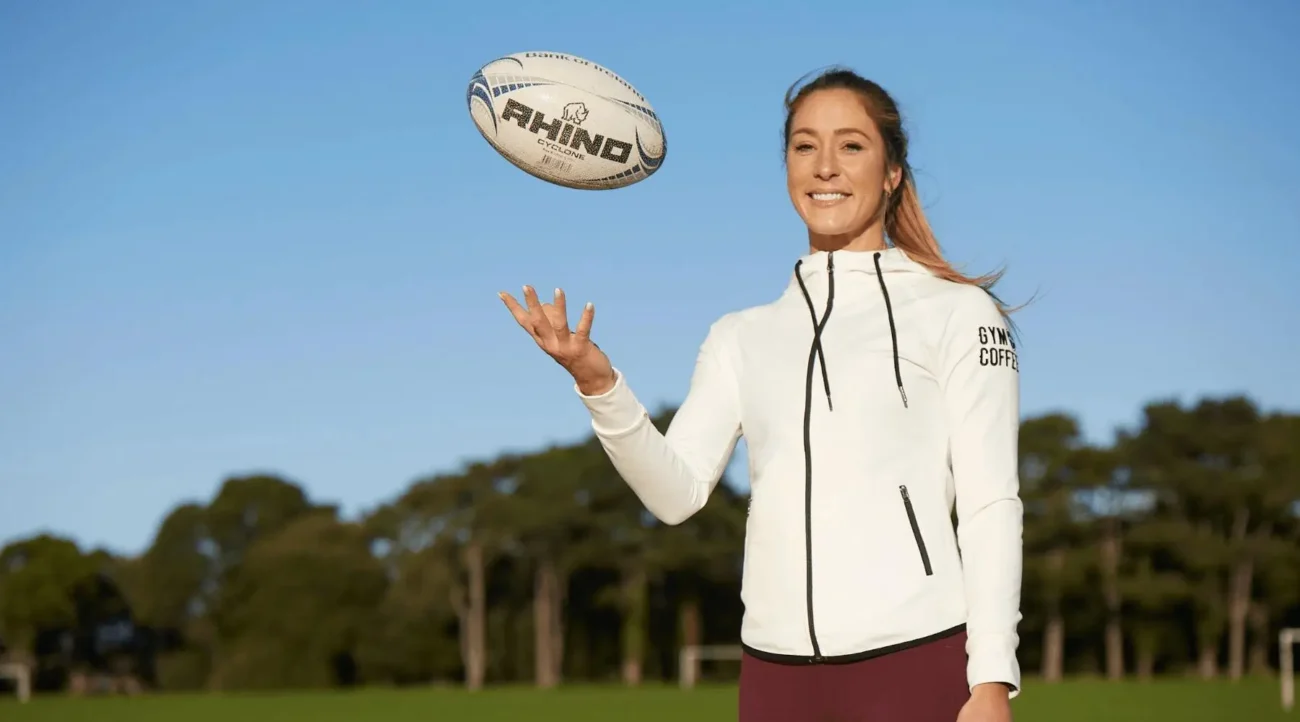
Five years ago, a standout athlete would have been penalized for accepting a free pair of cleats. Today, she is securing lucrative college athlete sponsorship deals before her morning chemistry lab. This quiet revolution on the rugby pitch—the standard grass field of play—marks a dramatic shift from traditional amateur status to an unprecedented world of commercial freedom in women’s college rugby NIL.
Under current Name, Image, and Likeness (NIL) rights, women’s college rugby athletes can legally act as their own brands. Essentially, players are permitted to operate as digital influencers who also happen to score a “try”—the sport’s high-impact equivalent of a touchdown. According to leadership within the National Intercollegiate Rugby Association (NIRA), the governing body for NCAA women’s rugby programs, this policy change is fundamentally leveling the financial playing field.
Rather than relying on massive television broadcast contracts like mainstream football programs, these competitors are building sustainable primary revenue streams through grassroots community engagement. Industry data reveals that nil for women often thrives on micro-influencer partnerships, such as local gym promotions or athletic equipment testing. These partnerships function as college athlete sponsorship opportunities that feel authentic to local audiences. Ultimately, this modern era allows a rapidly growing sport to carve out a uniquely profitable space in collegiate athletics.
Why Niche Beats Mainstream: The Micro-Influencer Advantage for Rugby Players
While headlines focus on multi-million dollar deals for mainstream superstars, a distinct commercial advantage is emerging for niche sports. When building a social media marketing strategy for amateur rugby players, raw follower counts aren’t everything. A college player might only have 3,000 followers, but those followers are incredibly dedicated fans and local supporters. This makes the athlete a “micro-influencer”—a creator with a small, deeply loyal audience perfectly suited for community business partnerships rather than national mega-brands.
Brands measure commercial success through specific engagement metrics. Because rugby is a high-intensity, continuous flow sport, it naturally generates thrilling, easily shareable video content without constant whistle-stops. Sponsors evaluate this organic content through a simple breakdown:
- Reach: The total volume of people seeing the athlete’s post.
- Engagement Rate: The percentage of followers who actively like, share, or comment—a metric where niche sports consistently outperform mainstream bench-warmers.
- Conversion: How effectively that tight-knit community actually visits the sponsored local gym or coffee shop.
High engagement directly boosts the estimated market value for women’s sports partnerships, proving a $500 deal with a rugby starter often yields better returns than an expensive ad with a backup basketball guard. But before cashing that check, athletes must ensure any college athlete sponsorship doesn’t jeopardize their roster spot. That means carefully navigating the rulebook: NIRA eligibility and NCAA compliance for collegiate players.
Navigating the Rulebook: NIRA Eligibility and NCAA Compliance for Collegiate Players
Because women’s rugby is officially an NCAA “Emerging Sport”—meaning it receives institutional backing while growing toward full championship status—the regulatory landscape requires careful footing. Programs governed by the National Intercollegiate Rugby Association (NIRA) operate as fully funded varsity teams, which means they face strict NIRA eligibility rules for collegiate players. Conversely, club-level competitors navigate significantly looser university guidelines, offering them more immediate commercial flexibility but far fewer campus resources.
Avoiding amateur traps demands absolute transparency from the athlete. The golden rule of NCAA compliance for rugby athletes is “disclosure,” the mandatory process of reporting any brand partnership to the university before money actually changes hands. While a prominent quarterback might have an agency handling this paperwork, a rugby player usually works directly with their school’s “compliance officer.” This campus official acts as a legal referee, ensuring a $200 local smoothie shop endorsement doesn’t accidentally violate state laws or jeopardize a scholarship.
Beyond institutional red tape, generating genuine market value requires serious entrepreneurial creativity without weekly national television broadcasts.
Building a Brand Without a TV Deal: Social Media Strategies for Amateur Athletes
When your matches aren’t broadcast on ESPN, the digital pitch becomes your stadium. Figuring out how to build a personal brand as a student athlete requires translating the physical grit of women’s rugby into compelling storytelling. Today’s players are successfully monetizing collegiate athlete influence on TikTok and Instagram by showcasing the unglamorous, “behind the scenes” reality of their lives. It turns out that a 5:00 AM ice bath or a muddy post-practice vlog often drives higher engagement than polished game highlights.
This raw authenticity relies on “content pillars,” a marketing strategy where athletes group their posts into predictable themes to keep followers returning. A successful weekly content calendar typically rotates through four distinct pillars:
- Training: Heavy lifting and on-field drills.
- Nutrition: Pre-match meals and protein shake reviews.
- Academic Balance: Studying on the team bus.
- Match Day: The intense locker room energy.
Mastering these pillars empowers players to handle their own “brand pitching”—the process of directly emailing companies to propose sponsorships without needing an expensive talent agent. Armed with strong engagement metrics, athletes can secure lucrative deals with local gyms or activewear startups. Yet, this impressive entrepreneurial hustle often masks deeper systemic disparities regarding the gender equity gap and how Title IX influences female athlete endorsement deals.
The Gender Equity Gap: How Title IX Influences Female Athlete Endorsement Deals
While individual hustle builds personal brands, the legal bedrock supporting these athletes is Title IX. This federal law mandates equal opportunities across genders, a requirement now extending into commercial sports. Athletic departments must legally ensure female competitors receive equitable access to the same promotional platforms as the men’s football team.
The Title IX impact on female athlete endorsement deals heavily dictates how schools connect players with businesses. Many universities operate an internal “NIL Marketplace”—a digital hub matching brands with students. If a school promotes its top male athletes through this system, it must offer equal visibility to non-revenue sports, helping local health-food brands easily discover new ambassadors on the rugby pitch.
Leveraging these institutional resources transforms women’s college rugby NIL—often searched as “women’s college rugby nil”—from a solitary grind into a supported career launchpad. Players utilize campus-funded contract workshops to negotiate fairly and safely. Yet, even with federal equity laws protecting domestic athletes, a massive barrier remains for many top competitors. This institutional support means little when an international student’s visa status turns earning potential into a locked door.
The $0 Deal: Why International Rugby Players Face a ‘Locked Door’ on NIL
Imagine rejecting a lucrative sponsorship simply because you were born overseas. International students on an F-1 visa face this exact locked door. U.S. immigration law strictly prohibits them from earning “active income”—money made by performing services, like posting a sponsored TikTok. They are restricted to “passive income,” rendering traditional NIL deals untouchable.
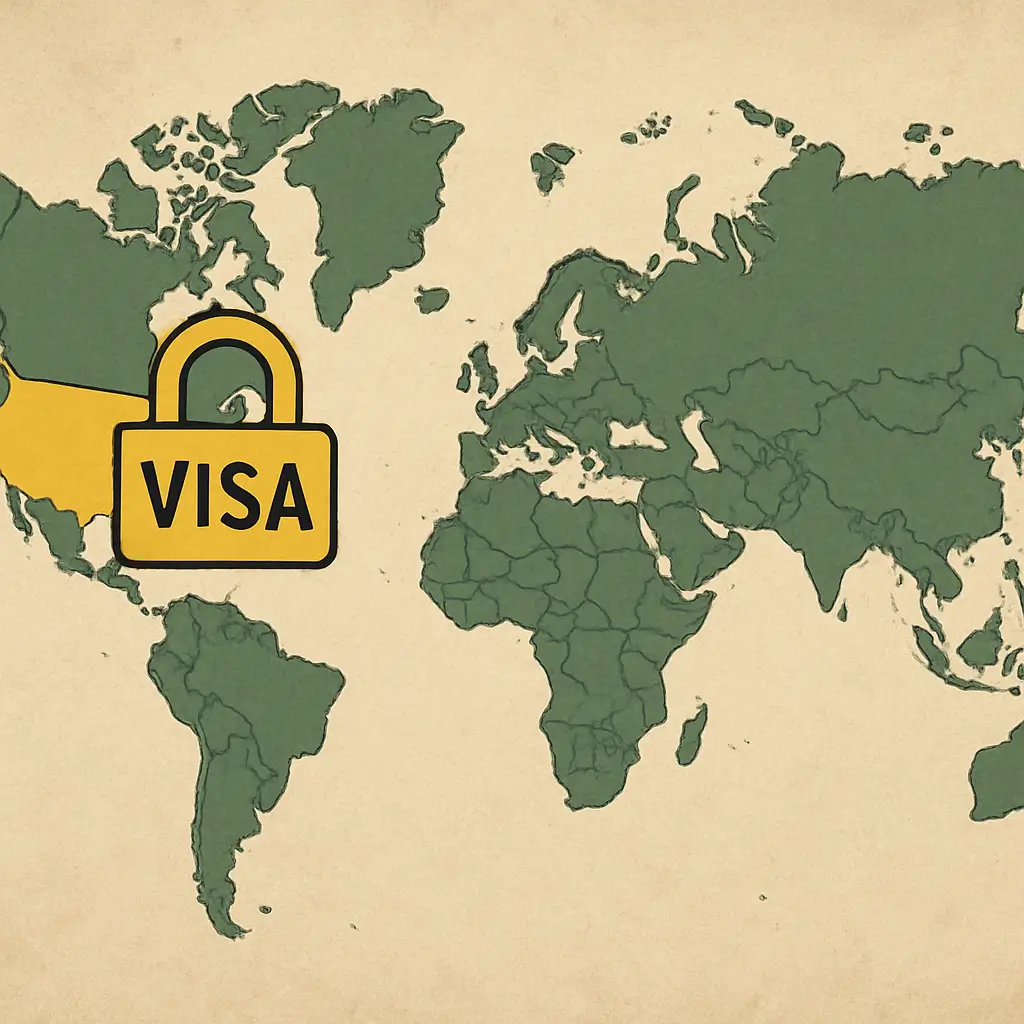
Navigating this restriction requires extreme caution. Foreign athletes must strictly adhere to USA Rugby guidelines for amateur commercial activities and meticulously scan for legal contract pitfalls for student athletes to avoid. A single unauthorized promotional post risks their visa status. Their only viable loophole is the “home country” exception, which allows endorsement work exclusively while physically outside the U.S.
Without access to standard local sponsorships, these athletes need alternative financial safety nets.
Beyond the Big Brands: The Vital Role of Donor Collectives in Club Sport Funding
While major revenue sports athletes sign nationwide commercials, athletes in emerging programs rely on a different financial engine: the donor collective. Unlike traditional corporate endorsements where a brand buys advertising, a collective pools money from passionate alumni to create specific promotional opportunities. Donor collectives play a vital role in club sport funding, effectively turning grassroots support into direct player compensation.
Instead of waiting for national brands, athletes are proactively finding sponsorship opportunities in non-revenue sports through these alumni-backed groups. Players typically engage with these donor networks in three specific ways:
- Earning structured appearance fees by coaching at collective-sponsored youth rugby clinics.
- Promoting alumni-funded charity drives on their personal social media channels.
- Speaking at local booster club dinners to share season goals and team culture.
This self-sustaining model empowers athletes to monetize their influence without relying on massive television audiences. However, treating these donor agreements like professional business deals requires strict attention to detail.
Financial Literacy and Contracts: Avoiding Legal Pitfalls in Student Athlete Partnerships
Transitioning from alumni handshakes to formal paperwork requires a sharp shift in mindset. Before signing any endorsement, players must scan for legal contract pitfalls for student athletes to avoid, particularly clauses demanding “perpetual rights.” This hidden trap means a local sponsor could use a player’s image indefinitely for their marketing campaigns without ever paying another dime.
Beyond the fine print, players face surprising realities regarding taxes. A strong financial literacy guide for collegiate athletes involves understanding “in-kind payments”—compensation given as physical goods, like $300 worth of protein powder, rather than cash. The IRS still views this exchange as income, generating an unexpected “tax liability” where the athlete owes real, out-of-pocket money on those supposedly free items.
Professional guidance sometimes becomes necessary as these endorsement portfolios expand. Players must often weigh the pros and cons of hiring a sports talent agent. While agents take a percentage commission, their ability to negotiate fair terms and prevent costly tax disasters routinely pays for itself. Mastering these business fundamentals protects the athlete’s bottom line.
The Future of the Scrum: Why Rugby’s NIL Model is the Most Sustainable for Women’s Sports
While the commercial sports boom initially seemed exclusively reserved for prime-time quarterbacks, niche athletics have proven to be fertile ground for self-sustaining careers. Players are rapidly transitioning from everyday student-athletes into highly engaged commercial brands.
For athletes ready to launch their own women’s college rugby NIL journey, the playbook relies on three straightforward steps to secure that crucial first partnership:
- Audit: Identify your unique audience, studying examples of successful female athlete brand collaborations for inspiration.
- Build: Pitch local businesses—like neighborhood gyms or health-food stores—that genuinely align with your daily routine.
- Disclose: Report every finalized deal to university compliance to protect your academic and athletic eligibility.
The rugby pitch is no longer just a place for high-intensity competition; it is a launchpad for female entrepreneurship. When an athlete cashes her first endorsement check, she doesn’t just fund her semester—she accelerates the broader professionalization of women’s sports.
Learn More About the NIL Landscape
Name, Image, and Likeness plays an increasing role in college sports, and understanding how it works often requires more than individual articles or news updates.
RallyFuel is a platform focused on NIL-related topics across college athletics. It brings together information about athletes, NIL activity, and the broader structure behind modern college sports, helping readers explore the topic in more depth.
Q&A
Question: What makes micro-influencer NIL deals especially effective for women’s college rugby players?
Short answer: Niche rugby audiences are small but deeply engaged, which drives better ROI for local sponsors. Brands look at reach, engagement rate, and conversion; rugby’s fast, shareable highlights and authentic community ties often mean a $500 local partnership with a starting player outperforms a pricier ad with a low-engagement mainstream athlete.
Question: How do I stay eligible and compliant with NIL rules as a women’s rugby player?
Short answer: Disclose every deal to your university before any money or gifts change hands. NIRA-governed varsity programs face stricter eligibility rules than club teams, so work closely with your school’s compliance officer to ensure endorsements—whether a $200 smoothie promo or a larger brand deal—align with NCAA, NIRA, and state regulations and don’t jeopardize scholarships.
Question: I don’t have TV exposure—how can I build a marketable brand?
Short answer: Use authenticity and repeatable “content pillars” to fuel engagement: training clips, nutrition routines, academic balance moments, and match-day energy. Consistently posting behind-the-scenes content (ice baths, muddy vlogs) often beats polished highlights. Track your metrics and pitch aligned local businesses directly—no agent required—to secure grassroots partnerships.
Question: I’m an international student on an F-1 visa—can I do NIL in the U.S.?
Short answer: Generally no for “active income” (e.g., paid sponsored posts) while in the U.S.; violating this can risk your visa. The key exception is doing endorsement work only while physically outside the U.S. Follow USA Rugby amateur guidelines, avoid contract pitfalls, and proceed with extreme caution.
Question: What contract and tax pitfalls should I watch for in NIL deals?
Short answer: Watch for “perpetual rights” clauses that let a brand use your image forever without further pay. Remember that in-kind payments (like $300 of protein powder) are taxable income and can create unexpected liabilities. As deals grow, consider a reputable agent to negotiate fair terms and help you avoid costly tax or legal missteps.



Leave a Comment