
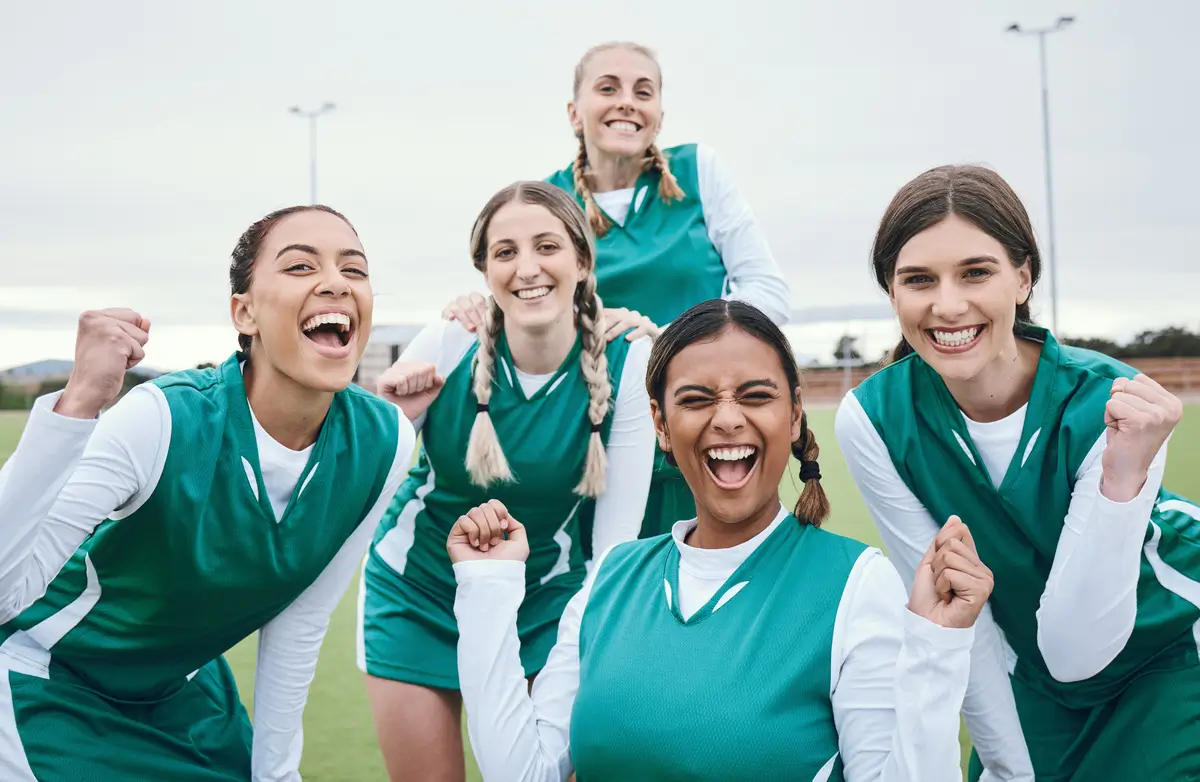
You’ve probably seen the headlines about big-time college football stars earning millions through something called “NIL” deals. But a quieter, and perhaps more meaningful, revolution is happening in one of America’s fastest-growing sports: women’s flag football. Here, athletes are turning on-field talent into real-world opportunities, one local sponsorship and social media post at a time.
Forget the casual backyard game. This is a high-speed, strategic varsity sport played at dozens of colleges. It features all the athletic jukes and precision passing of traditional football but replaces the heavy pads and tackles with speed and agility. In fact, its growth is so significant that it’s an official championship sport in the NAIA (an athletic association for smaller colleges) and is now recognized as an NCAA emerging sport for women. This status provides a clear pathway for it to become a full-fledged NCAA championship.
The momentum doesn’t stop at the college level. In a move that cements its legitimacy on the world stage, the sport is set to make its debut at the Flag Football Olympics 2028 in Los Angeles. This massive platform transforms top players from collegiate athletes into potential Olympians, dramatically boosting their profiles and creating a brand-new frontier for sponsorships. For these women, the game is just getting started.
So, What Does ‘NIL’ Actually Mean? A Simple Explanation
You’ve probably heard the term “NIL deal” in the news, but what is a NIL deal, really? The letters stand for Name, Image, and Likeness. For decades, college athletes were forbidden from making any money related to their sport. But a major rule change in 2021 gave them the right to profit from their own personal brand—essentially, earning money based on who they are and what they’ve accomplished.
This brings up a crucial distinction: the university is not paying the player directly for playing. Instead, these athlete sponsorships come from separate, third-party businesses. A local pizza parlor can pay a star player to appear in an ad, or a national apparel company can sponsor her social media posts. The money comes from outside companies, not the school’s athletic department.
NIL functions much like social media influencing. Brands pay influencers for their popularity and reach, and NIL deals work the same way for athletes. A company partners with a player to leverage their status, whether for a single Instagram post or a larger marketing campaign. It’s a modern business partnership for a new era of college sports.
From Pizza Parlors to Instagram Posts: What Real Flag Football NIL Deals Look Like
While headlines often focus on multi-million dollar contracts for powerhouse quarterbacks, the reality of NIL for most college athletes, especially in a growing sport like women’s flag football, is far more local and practical. These deals are less about national fame and more about creating tangible value for both the player and a local business.
These partnerships often come in two main forms. The first is a straightforward cash payment for a specific service, like getting paid $100 to post about a new sports drink on Instagram. The second, and just as common, is “in-kind” compensation—which is simply a way of saying the athlete gets free products or services instead of money. This could mean a semester of free meals from a local cafe in exchange for a few promotional posts.
So, what do these social media endorsements and local sponsorships look like in the real world for a female athlete playing flag football? Here are some of the most common opportunities:
- Social Media Posts: Earning anywhere from $50 to $500 to promote a local business.
- In-Kind Deals: Receiving free gym memberships, athletic apparel, or equipment.
- Appearances & Autographs: Getting paid a fee to sign autographs at a car dealership’s weekend event.
- Coaching Clinics: Earning money by running a camp for young, aspiring flag football players in the community.
This last point highlights one of the most powerful aspects of NIL in women’s flag football. Beyond direct endorsements, many deals are focused on community engagement. These opportunities not only provide financial support for the athlete but also help them build the sport from the ground up, inspiring the next generation of players.
Why NIL is a Game-Changer for Female Athletes and the Sport
For many student-athletes, a scholarship covers tuition and books, but not much else. The everyday costs of living—from gas money to groceries—can create significant financial stress. NIL deals offer a direct solution, providing a stream of income that allows players to focus on their education and their performance on the field, rather than worrying about how to make ends meet with a part-time job. This financial stability is crucial, especially in emerging women’s sports where full-ride scholarships may be less common.
Beyond the immediate financial help, these deals offer something just as valuable: real-world business experience. When an athlete negotiates a deal with a local restaurant or plans a social media campaign for an apparel brand, she is learning marketing, communication, and entrepreneurship firsthand. This process of building a personal brand for athlete sponsorship is essentially a hands-on business course. These are practical skills that will serve her long after her athletic career is over, providing a professional head start.
This new era of athlete-led marketing also has a powerful ripple effect on the sport itself. Every time a flag football player posts about her team or a local sponsorship, she acts as an ambassador, bringing new followers and fresh attention to the game. For a sport like women’s flag football, which is rapidly gaining traction, this grassroots visibility is priceless. It helps build a dedicated fan base from the ground up, fueling the growth that could one day lead to major network coverage and even Olympic glory.
Where Is This Happening? The NAIA’s Surprising Role in Women’s Flag Football
While big-name NCAA universities dominate sports headlines, the real hotbed for competitive women’s flag football is an organization you may not know: the NAIA. Standing for the National Association of Intercollegiate Athletics, the NAIA is a governing body for athletics programs at hundreds of smaller colleges and universities across the United States. For emerging sports, these schools are often more agile and quicker to create new teams, providing a vital space for games like flag football to take root and grow.
The NAIA has been a true trailblazer for the sport. In a landmark partnership with the NFL, it became the first collegiate association to officially sanction women’s flag football as a varsity championship sport in 2021. This decision kickstarted the creation of dozens of programs almost overnight, establishing the first legitimate, high-level competitive landscape for female athletes. This move didn’t just give players a place to compete; it gave them official recognition and a platform to build upon.
As a result, the majority of today’s NIL opportunities for women’s flag football are found at these NAIA schools. These deals are proving that you don’t need to be at a massive Division I school to earn money from your name, image, and likeness. And with the sport now designated as an “emerging sport” by the NCAA and heading to the world stage, the foundation built within the NAIA is preparing these athletes for an even bigger spotlight.
The Olympic Effect: How the LA 2028 Games Will Supercharge Sponsorships
The recent inclusion of flag football in the LA 2028 Olympics is more than just a victory for the sport; it’s a powerful catalyst for athlete sponsorships. Think of it as a shift from a local stage to a global broadcast. While a star player at an NAIA school has appeal in her community, an Olympic athlete has appeal to the entire world. This massive increase in visibility is a game-changer, turning the spotlight from regional championships to the biggest sporting event on the planet.
For the athletes playing in college right now, this Olympic potential completely transforms their market value. A brand that might sponsor a player for a few hundred dollars to promote a local restaurant is thinking on a different scale when that same player could one day wear “USA” on her jersey. Sponsoring a potential Olympian offers a level of prestige and a national audience that local deals can’t match. As a result, the ceiling for what a top flag football player can earn through her Name, Image, and Likeness is about to get much, much higher.
This shift isn’t some far-off dream, either—it’s already starting. Brands won’t wait until 2028 to find their stars; they will begin looking now for the next generation of Olympic hopefuls playing in college. This means the path for today’s players is no longer limited to deals with the campus-town pizza place. It’s now a direct runway toward partnerships with national sporting goods companies, apparel brands, and other major corporations looking to connect with an exciting new Olympic sport.
How Does a Player Attract a Sponsor? Building a Brand 101
With brands looking for the next generation of stars, how does an individual player get noticed? It starts with building a personal brand. This simply means showcasing who you are, both on and off the field. While a quarterback’s passing accuracy is crucial, sponsors are just as interested in her personality, her values, and the story she tells. For brands, sponsoring an athlete is about partnering with a person, not just a jersey number. This is where an athlete’s authentic presence on social media becomes her most powerful tool.
Think of an athlete’s social media as her digital storefront. Consistent, brand-friendly content turns followers into a community that a business wants to reach. This doesn’t mean every post is a highlight reel. In fact, content that reveals an athlete’s work ethic, academic pursuits, or community involvement is often more compelling. It shows a well-rounded individual that brands can proudly associate with, whether she’s posting about a tough practice, a volunteer day, or just her favorite pre-game snack.
To make a professional pitch, many athletes create a media kit. This is essentially a resume for sponsorships. It’s a simple one or two-page document that includes action photos, key statistics, follower counts on social media, and a short biography. Instead of a cold email, an athlete can send this polished kit to a local business, making it incredibly easy for that company to see her value and understand the opportunity. It shows she’s serious and organized.
Building a brand and seeking out these deals teaches invaluable life skills. These athletes are learning to be entrepreneurs: managing their own image, marketing themselves, and negotiating contracts. This experience is more than just a way to earn money during college; it’s a crash course in business that prepares them for a successful career long after they hang up their flags.
The Future is Fast: What’s Next for Women’s Flag Football and NIL?
The world of NIL is more than just headlines about superstar athletes. On the ground level, it’s a powerful tool creating real, life-changing income for women in one of the world’s fastest-growing sports. Individual athletes are using it to build a future for themselves, one partnership at a time. As an informed fan, one of the best ways to support this growth is to follow a college flag football team or a few players on social media. You will see the network of Women’s flag football NIL deals and athlete sponsorship opportunities taking shape in real-time, with each post and local partnership acting as a building block for the future of women’s sports.
This is only the beginning. As the sport sprints toward NCAA championship status and the Olympic stage, these small deals will grow into significant partnerships. For the first time, a female flag football player can not only get an education through her sport but also build a business, a brand, and a financial foundation for her future—all before she graduates.
Learn More About the NIL Landscape
Name, Image, and Likeness plays an increasing role in college sports, and understanding how it works often requires more than individual articles or news updates.
RallyFuel is a platform focused on NIL-related topics across college athletics. It brings together information about athletes, NIL activity, and the broader structure behind modern college sports, helping readers explore the topic in more depth.


Leave a Comment