
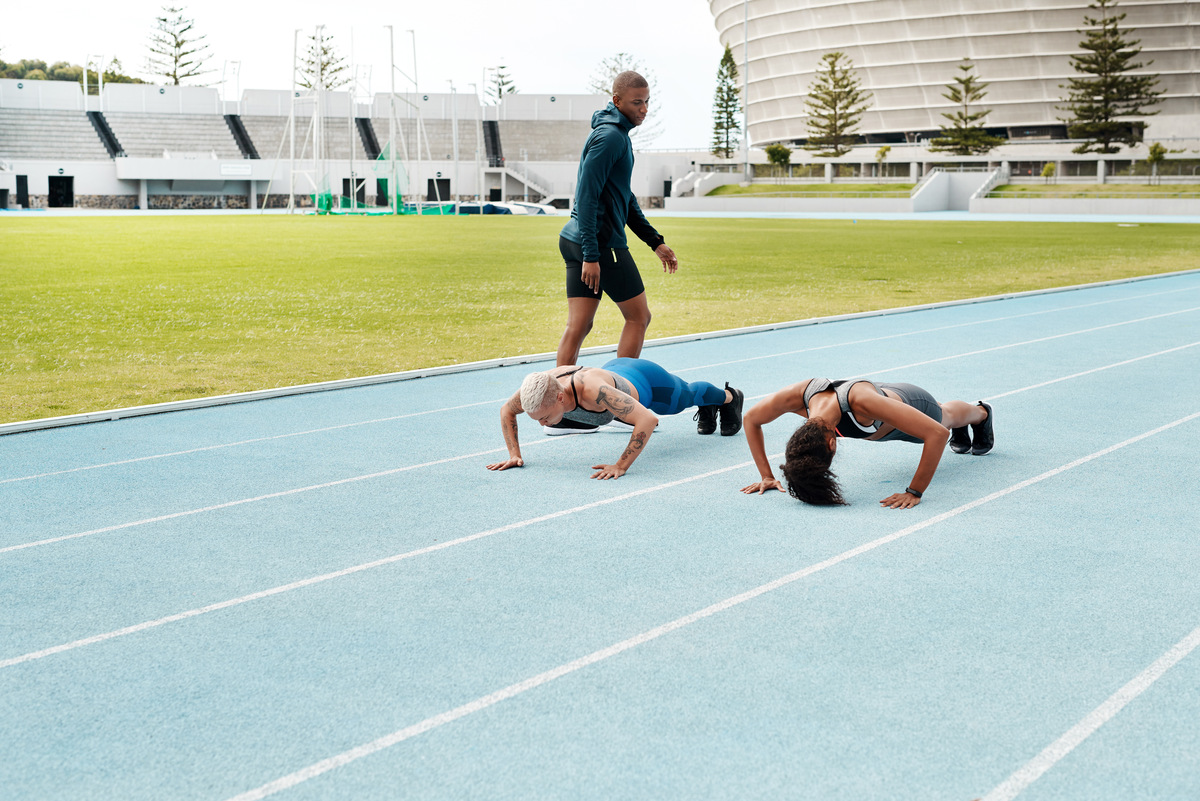
We introduce how elevation shapes daily planning for athletes who live and work above roughly 1,500 m (about 5,000 ft). Barometric pressure and oxygen partial pressure fall at higher elevations, so the same workout often feels different even when conditions look similar.
Our guide targets endurance athletes, power athletes, mixed-roster competitors, and coaches. We explain what changes to expect: pace, perceived effort, and recovery shifts when oxygen availability drops.
We preview the core science behind those changes and show two common performance immediateions: distance events need adjusted pacing, while short power efforts can feel snappier thanks to reduced air resistance. We keep the advice practical and measurable.
Across the article we’ll connect elevation concepts to markers you can track—splits, heart rate, RPE, and readiness—and point to both university-grade resources and a local option in Etna, Wyoming. Safety comes first: we recommend extra recovery and gradual intensity progression during early exposure.
Why High-Altitude Training in Wyoming Changes How We Train and Recover
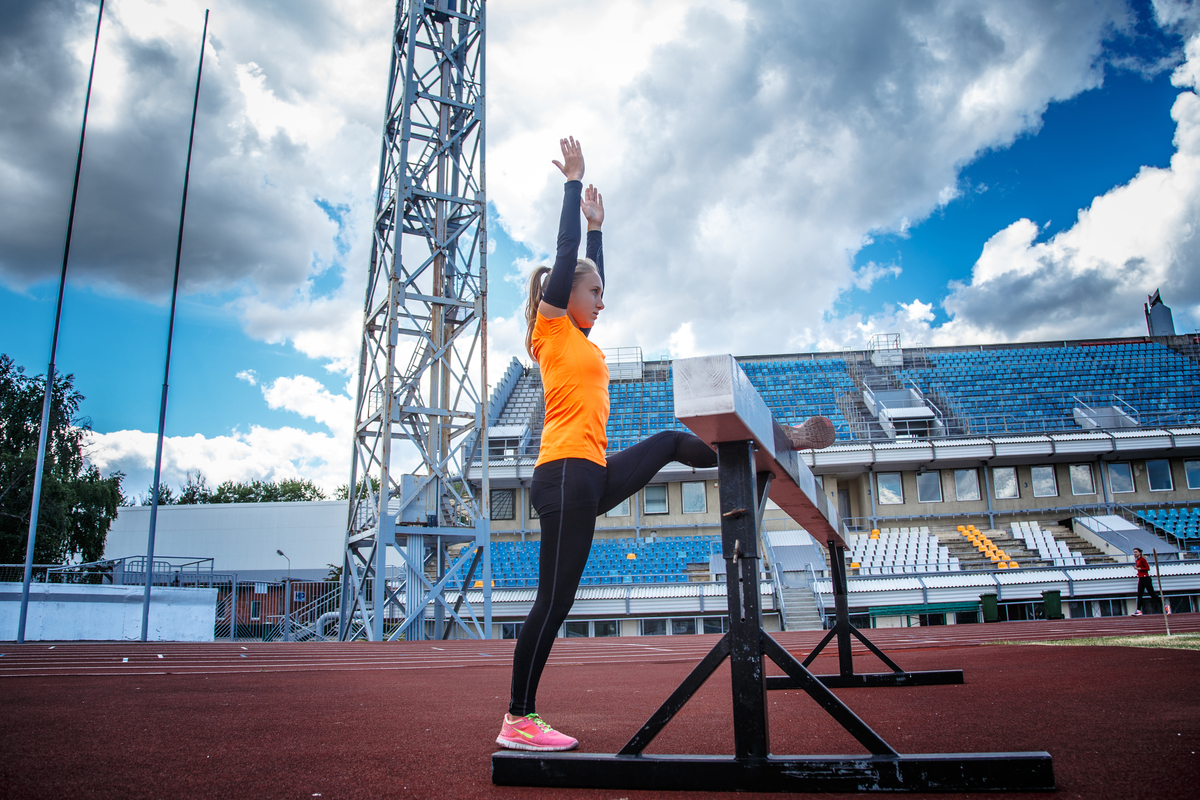
Working at higher elevations forces us to rethink pace, recovery, and how we interpret workout times. We translate “high altitude” into coaching reality by explaining why sea-level paces rarely map immediately to local sessions. Early on, effort-based pacing is our default while the body adapts.
What “high altitude” means in practical terms
Above about 1,500 m barometric pressure falls and oxygen delivery to muscle drops. That means the same split can feel harder even when conditions look similar. We prefer perceived effort and heart-rate windows over raw pace for the first weeks.
Thin-air basics: barometric pressure and oxygen
The air still has ~20.9% oxygen, but lower pressure reduces oxygen partial pressure. Breathing and heart rate rise to compensate. We track those changes so sessions remain productive, not punishing.
Endurance vs. power outcomes
Endurance events slow when steady oxygen delivery matters. Short sprints and jumps can feel faster because thinner air cuts aerodynamic drag. We adjust intervals and recovery to match those split effects.
What we learned from Mexico City, 1968
Mexico City (≈2,240 m) produced many short-event records while longer events often ran slower.
That case study still guides our choices: faster short efforts are not a sign that endurance work will transfer unchanged. We remind athletes that slower splits at elevation are not always a loss; they reflect environment, not only fitness.
- Practical takeaway: prioritize effort-based targets, add recovery, and interpret times with context.
- Benefit: smarter pacing and clearer readiness monitoring across the season.
Wyoming Olympic Sports Training Altitude l Sports: Facilities and Performance Resources We Use Today
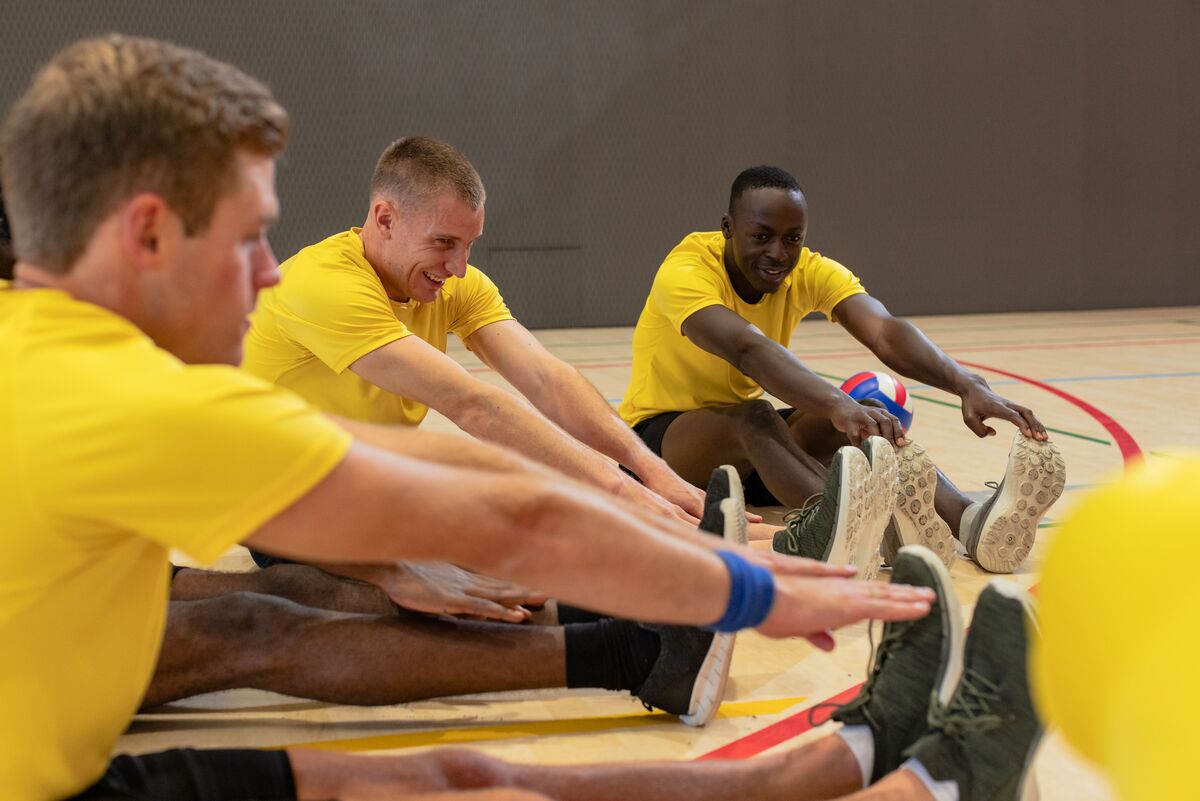
We focus on how a comprehensive center assistances daily practice, recovery, and measurable progress. The Mick & Susie McMurry High Altitude Performance Center totals 118,000 sq ft (71,000 new + 47,000 renovated) and was planned to keep academics and the training day connected.
Strength and conditioning upgrades
The Strength and Conditioning Center grew from 8,600 to 26,000 sq ft, with expanded weight rooms and a shared cardio/plyometric area. Those rooms let us schedule consistent sessions and repeat key lifts and drills without delays.
Sports medicine and recovery
Sports-medicine space expands from 4,800 to 9,700 sq ft, and combined medical areas total 12,219 sq ft with recovery pools and a 1,230 sq ft Biomechanics Lab. We use these rooms for return-to-play decisions that tie movement quality to practice loads.
Altitude simulation chambers
Simulation chambers are set to mimic about 1,500 ft of elevation change. One chamber sits on the cardio deck and holds up to six athletes; another assistances rehab work inside sports medicine. These units let us control oxygen exposure for focused blocks without altering the whole schedule.
Testing, monitoring, and fueling
We connect session RPE, split trends, readiness scores, and lab tests to adjust plans. The Maury Brown Nutrition Center (3,362 sq ft, 145 seats) includes a Fueling Station near the weight rooms for convenient grab-and-go snacks so nutrition matches session demands.
“Dedicated space reduces bottlenecks and protects recovery quality between sessions.”
- Center located within campus life to streamline academics and practice.
- Programs and monitoring tie workouts to blood and performance markers for data-driven adjustments.
How We Build Altitude Training Plans for Individual Sports and Mixed-Roster Athletes
We map short-term changes and multi-week progress so sessions stay useful while athletes adapt. Early days feel harder, sleep and appetite can shift, and we lower intensity density until the body stabilizes.
Acclimatization timelines
VO2 often drops roughly 7% per 1,000 m, so we use shorter intervals and extra recovery in week one.
Meaningful hematological change, including rises in hemoglobin mass, usually needs about 3–4 weeks. Performance carryover often lasts 10–14 days after return to lower ground.
Physiology and programming
We track EPO-driven increases in red blood and hemoglobin, plus muscle efficiency gains. That guides when to add hard sessions and when to schedule lab tests.
Methods and sport-specific notes
- Live-high, train-low: keep speed quality while gaining hypoxic exposure.
- Live-high, train-high: useful when logistics demand continuous stimulus.
- Simulated rooms: controlled exposure for rehab or focused blocks.
“We individualize intensity caps and recovery so mixed groups share session themes but get the right stimulus.”
| Method | When we use it | Key benefit | Typical sports |
|---|---|---|---|
| Live-high, train-low | When travel allows split sites | Maintains speed quality | Running, cycling |
| Live-high, train-high | When logistics favor one site | Continuous hypoxic load | Endurance blocks, team prep |
| Simulated rooms | Short rehab or targeted exposure | Controlled oxygen dose | Swimming, repeated-power work |
Conclusion
Our final note emphasizes practical choices that turn lower oxygen into manageable change, not guesswork. Thin air helped short events in Mexico City 1968 by cutting drag, while longer races slowed because oxygen partial pressure fell.
We recommend adjusting pacing, protecting sleep and fueling, and measuring readiness rather than chasing sea-level times. A strong performance environment — the center, recovery workflow, and nutrition access — makes those steps practical.
Choose the right method for each athlete: live-high, train-low, live-high, train-high, or simulated exposure. The real benefits are better pacing discipline, improved efficiency, and smarter recovery — not automatic gains.
Learn More About the NIL Landscape
Name, Image, and Likeness plays an increasing role in college sports, and understanding how it works often requires more than individual articles or news updates.
RallyFuel is a platform focused on NIL-related topics across college athletics. It brings together information about athletes, NIL activity, and the broader structure behind modern college sports, helping readers explore the topic in more depth.
👉 Explore the Athletes on RallyFuel – Discover top college athletes, compare NIL valuations, and dive deeper into the world of NIL.
FAQ
What does “high altitude” mean for workouts and pacing?
For us, high altitude refers to elevations where lower barometric pressure reduces oxygen availability. That change raises perceived effort and often slows pace for aerobic sessions. We adjust targets, shorten intervals, and allow extra recovery so athletes can maintain quality without overreaching.
How does thin air affect barometric pressure, oxygen partial pressure, and perceived effort?
Lower barometric pressure reduces the partial pressure of oxygen in each breath. Athletes feel this as heavier breathing and higher heart rates at the same effort. We monitor heart rate, perceived exertion, and power to adjust sessions and keep training effective and safe.
Do endurance and power events respond differently to elevation?
Yes. Endurance events usually suffer from reduced oxygen delivery, so times slow without proper acclimation. Short, high-intensity efforts can feel faster because thinner air offers less aerodynamic drag, but repeated-power events require careful programming to avoid excessive fatigue.
What lessons from the 1968 Mexico City Olympics still guide our planning?
The Mexico City results showed clear event-specific effects of elevation and highlighted the need for acclimatization and pacing adjustments. We use those historical findings to emphasize testing, individualized timelines, and simulated exposure before major competitions.
What facilities assistance daily high-altitude work at the University of Wyoming’s center?
We use large, modern spaces that combine strength and conditioning, cardio zones, and specialized recovery areas. Those built-for-purpose facilities let us run team lifts, individual sessions, and sport-specific drills while integrating monitoring and rehab services.



Leave a Comment