
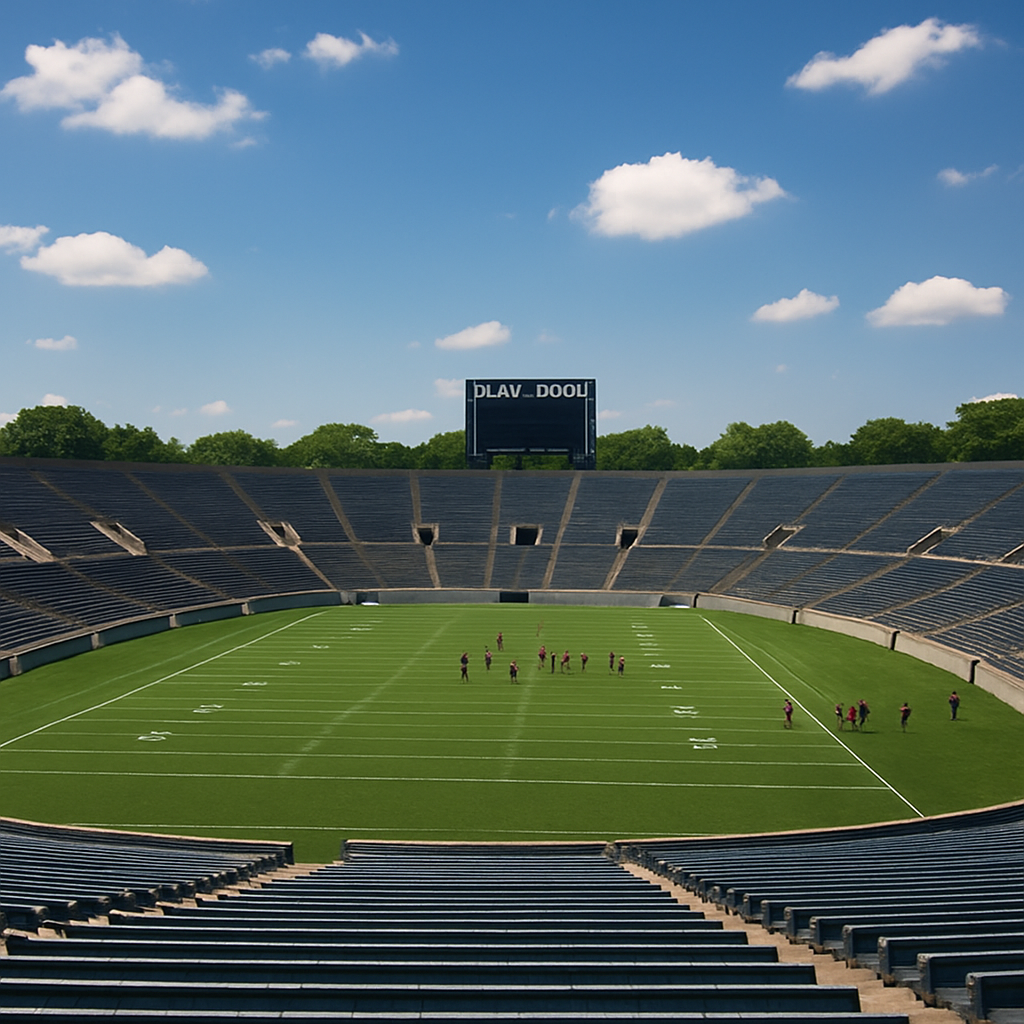
For over a century and a half, the Yale Bulldogs played solely for the love of the game and a prestigious degree. Today, that amateur tradition faces a modern pivot with the rise of Yale University NIL deals, challenging the very definition of the Ivy League athlete.
Think of this landscape less as professional employment and more as a sophisticated side hustle. Just as a computer science student might profit from selling an app, a varsity athlete can now monetize their reputation under the NCAA interim NIL policy.
Because the Ivy League strictly prohibits athletic scholarships, these commercial opportunities offer a unique financial lifeline. This shift fundamentally changes student-athlete compensation, transforming players into entrepreneurs while they pursue their diplomas.
Summary
Yale’s NIL ecosystem fills the no-scholarship gap by letting athletes monetize their reputation, acting as a surrogate scholarship that aids recruitment parity. Alumni-led collectives like the Bulldog NIL Club and platforms such as Opendorse provide fan-supported income and brand deals, while Connecticut law and Yale compliance govern disclosures, conflicts, licensing, and taxes. Leveraging Yale’s academic prestige and alumni network, athletes build long-term brands across niche sports and career paths. The program now balances Ivy traditions with modern markets to compete with scholarship-granting powerhouses.
The Ivy League Exception: Why Yale’s No-Scholarship Policy Makes NIL a Strategic Necessity
While a linebacker at a Big Ten school receives a tuition-free education, a recruit looking at Yale faces a starkly different financial reality. The Ivy League’s founding principles famously prohibit athletic scholarships, forcing families to rely solely on need-based financial aid. This policy historically put Yale at a disadvantage when recruiting top-tier talent who could not afford the sticker price but did not qualify for full academic grants.
Name, Image, and Likeness has inadvertently created a workaround, functioning as what experts call a “surrogate scholarship.” By signing endorsement contracts, a student-athlete can generate income that effectively offsets tuition costs. This shift allows the university to maintain its strict academic-only aid stance while the Ivy League NIL policy evolves to let the free market subsidize the student’s education.
This mechanism is essential for maintaining “recruitment parity” against scholarship-granting powerhouses. Coaches can now point to the financial impact of NIL on non-scholarship athletes as a competitive equalizer, ensuring money isn’t the sole reason a recruit chooses a state school over New Haven. Yale University NIL deals allow the Bulldogs to attract elite talent by balancing ancient amateurism rules with modern economic opportunity.
However, these funds don’t magically appear from the university’s endowment; they require a sophisticated external infrastructure to function legally. Moving this money from donors to students relies on specific third-party organizations and digital platforms facilitating the economy.
Inside the Bulldog NIL Club: How Collectives and Opendorse Power the New Economy
Since Yale cannot write checks to athletes directly, alumni have stepped in to fill the void through independent organizations known as “collectives.” For the Bulldogs, the primary engine is the Bulldog NIL Club, a player-led community that operates much like a digital booster club to pool resources.
Unlike traditional donations that fund stadium renovations, contributions here go directly into the pockets of participating athletes. In exchange for a monthly subscription, Bulldog NIL Club membership benefits create a tangible value-for-value exchange, offering fans:
- Exclusive behind-the-scenes player content
- Direct digital engagement with team members
- Invitations to in-person meet-and-greets
- Access to limited-edition merchandise
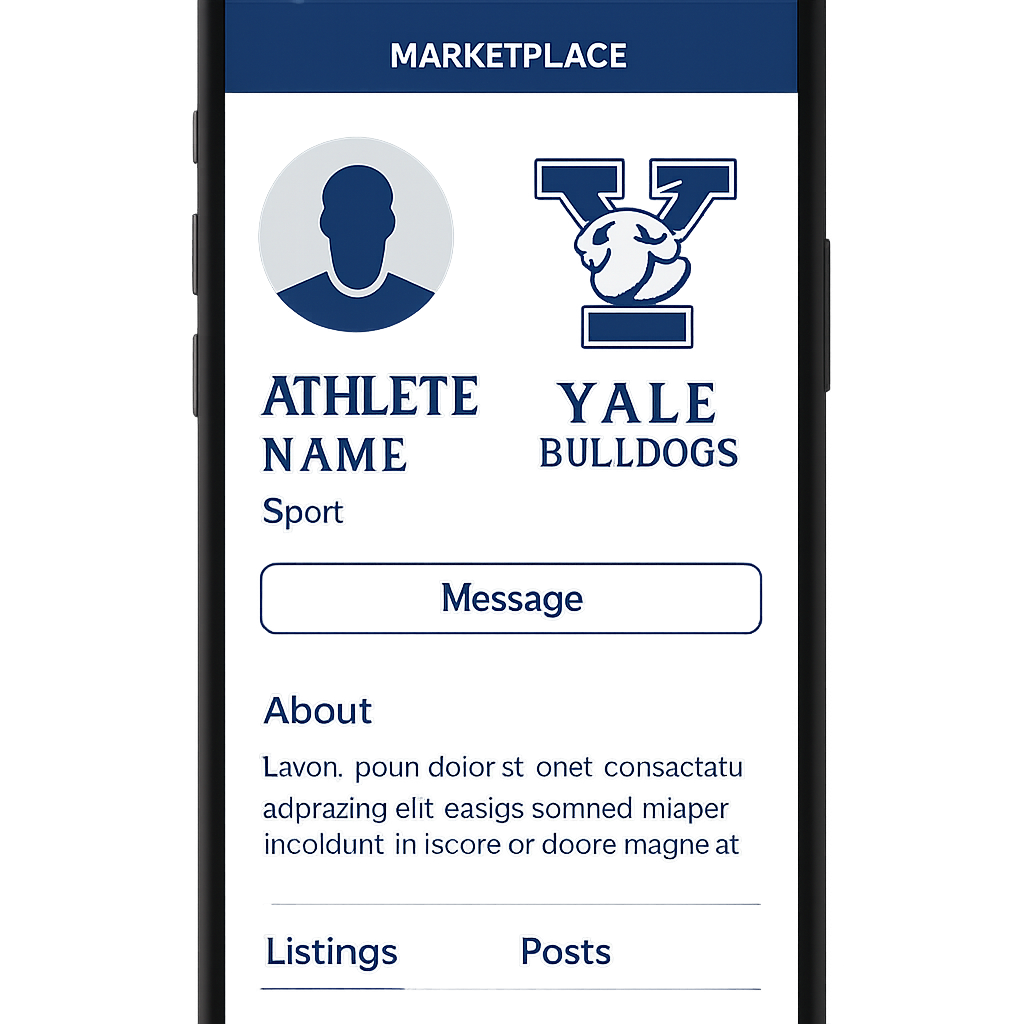
While the collective focuses on fan support, commercial deals require a different infrastructure. The Opendorse marketplace for Yale Bulldogs functions effectively as a “LinkedIn for athletes.” Through this platform, businesses—ranging from local New Haven pizzerias to national tech firms—can legally browse profiles, pitch endorsement opportunities, and process payments securely.
So, how do Yale student athletes make money? Success comes from blending these two streams. A standout quarterback might earn steady income from collective subscriptions just for being on the roster, while simultaneously negotiating a specific contract on Opendorse to promote a sportswear brand on social media.
As capital begins to flow through these digital channels, the administration’s focus shifts from facilitation to oversight. With the machinery of payment established, the next challenge is ensuring every dollar crosses the transom in accordance with complex state laws and university compliance standards.
Navigating the Guardrails: Connecticut State Laws and Yale Compliance
With money now changing hands, robust rules are essential to keep the playing field level. In New Haven, Connecticut state laws on student athlete compensation set the baseline boundaries. The legislation ensures that while athletes can earn market value for their fame, schools cannot use these payments as direct bribes for recruitment—a critical distinction that attempts to preserve the integrity of the Ivy League model.
Once a deal is on the table, the university steps in as an overseer rather than a manager. Yale requires all athletes to report their contracts before signing to ensure alignment with institutional values. This disclosure process protects the player from accidentally endorsing restricted categories, such as gambling sites or tobacco products, which remain strictly prohibited.
To successfully remain active while navigating NIL compliance for Ivy League athletes, every Bulldog follows a specific protocol:
- Submit the proposed contract details to the athletic compliance office seven days prior to signing.
- Verify the brand does not conflict with existing university sponsorship agreements.
- Confirm that no Yale logos or trademarks are used without a separate, paid licensing agreement.
Perhaps the most surprising shift for young earners is managing taxes on student-athlete sponsorship income. Because these athletes are classified as independent contractors rather than employees, they receive 1099 forms instead of W-2s. Just like a freelance consultant, they must set aside a portion of their earnings for the IRS, adding a necessary layer of financial literacy to their athletic training. This business-minded approach creates a foundation for understanding the long-term power of the Yale brand.
The Yale Advantage: Leveraging Academic Prestige for Long-Term Brand Building
While powerhouse schools rely on televised highlights to drive sponsorships, Yale athletes tap into a different currency: intellectual capital. Academic excellence and brand building for student-athletes allow players to market themselves as future leaders rather than just competitors. Brands often value the “Yale mystique” over raw statistics, creating a lucrative niche for those likely going pro in business rather than sports.
Access to the university’s legendary alumni base transforms short-term endorsements into career-defining relationships. Networking opportunities for Ivy League student-athletes function as a sophisticated form of NIL, where a deal might resemble a paid Wall Street internship rather than a sneaker commercial. This ecosystem rewards “niche athletes”—like fencers or rowers—who leverage their specific discipline to connect with wealthy former Bulldogs.
The strategy involves highlighting dual-threat capabilities: athletic discipline and academic rigor. Learning how to secure NIL endorsements as a Yale athlete means pitching this holistic value to companies seeking ambassadors of stability. As these student-entrepreneurs merge the boardroom with the locker room, they set the stage for a broader debate on the university’s future identity.
The Future of the Blue: Balancing Tradition with Modern Markets
Yale athletics now operates through a clearer lens: one where centuries of tradition meet modern entrepreneurship. Yale University NIL deals demonstrate that even within the Ivy walls, student-athletes are evolving into businesspeople who must balance rigorous academics with commercial viability.
As this landscape matures, the defining challenge will be maintaining Yale’s character while navigating the financial gap inherent in Ivy League vs Power 5 conference NIL opportunities. The next time you watch “The Game” against Harvard, look for local brand logos on the sidelines—a subtle sign that the business of being a Bulldog has officially arrived.
Learn More About the NIL Landscape
Name, Image, and Likeness plays an increasing role in college sports, and understanding how it works often requires more than individual articles or news updates.
RallyFuel is a platform focused on NIL-related topics across college athletics. It brings together information about athletes, NIL activity, and the broader structure behind modern college sports, helping readers explore the topic in more depth.
👉 Explore the Athletes on RallyFuel – Discover top college athletes, compare NIL valuations, and dive deeper into the world of NIL.
Q&A
Question: Why is NIL such a strategic necessity at Yale compared to scholarship schools?
Short answer: The Ivy League prohibits athletic scholarships, so recruits who might receive full rides elsewhere must rely on need-based aid at Yale. NIL creates a “surrogate scholarship,” letting athletes earn endorsement income that can offset tuition and living costs without changing Ivy policies. This helps Yale achieve recruitment parity with scholarship-granting powerhouses by ensuring money isn’t the sole reason a prospect chooses another school.
Question: How do Yale student-athletes actually make money from NIL?
Short answer: They blend two main streams. Alumni-led collectives like the Bulldog NIL Club provide fan-supported income via subscriptions that go directly to participating athletes in exchange for content, access, and events. For commercial partnerships, athletes use the Opendorse marketplace—essentially a LinkedIn for athletes—where local and national brands can propose, contract, and pay for endorsements. Since Yale cannot pay athletes directly, these external platforms and organizations serve as the legal, practical engines of NIL revenue.
Question: What rules and compliance steps do Yale athletes have to follow before signing an NIL deal?
Short answer: Connecticut law allows athletes to earn market-value compensation but bars schools from using NIL as a direct recruiting inducement. Within that framework, Yale acts as an overseer: athletes must submit proposed contracts to the compliance office seven days before signing, confirm no conflicts with existing university sponsorships, avoid restricted categories like gambling and tobacco, and secure separate paid licensing if they want to use Yale logos or trademarks. The goal is legal, values-aligned deals that protect both the athlete and the university.
Question: How are taxes handled on student-athlete NIL income at Yale?
Short answer: NIL earnings are typically treated as independent contractor income, not wages—athletes receive 1099 forms instead of W-2s. That means they’re responsible for setting aside money for federal and state taxes, much like a freelance consultant. Developing basic financial literacy—tracking revenue and expenses, planning for quarterly payments—becomes part of the NIL learning curve.
Question: What unique advantages do Yale athletes have when building their personal brands?
Short answer: Yale’s academic prestige and alumni network let athletes position themselves as future leaders, not just performers. Brands often value the “Yale mystique,” enabling endorsements that emphasize intellect, character, and career potential. Networking can produce NIL opportunities that look like paid internships or long-term mentorships—especially for niche sports such as fencing or rowing—turning short-term deals into career-defining relationships.



Leave a Comment