
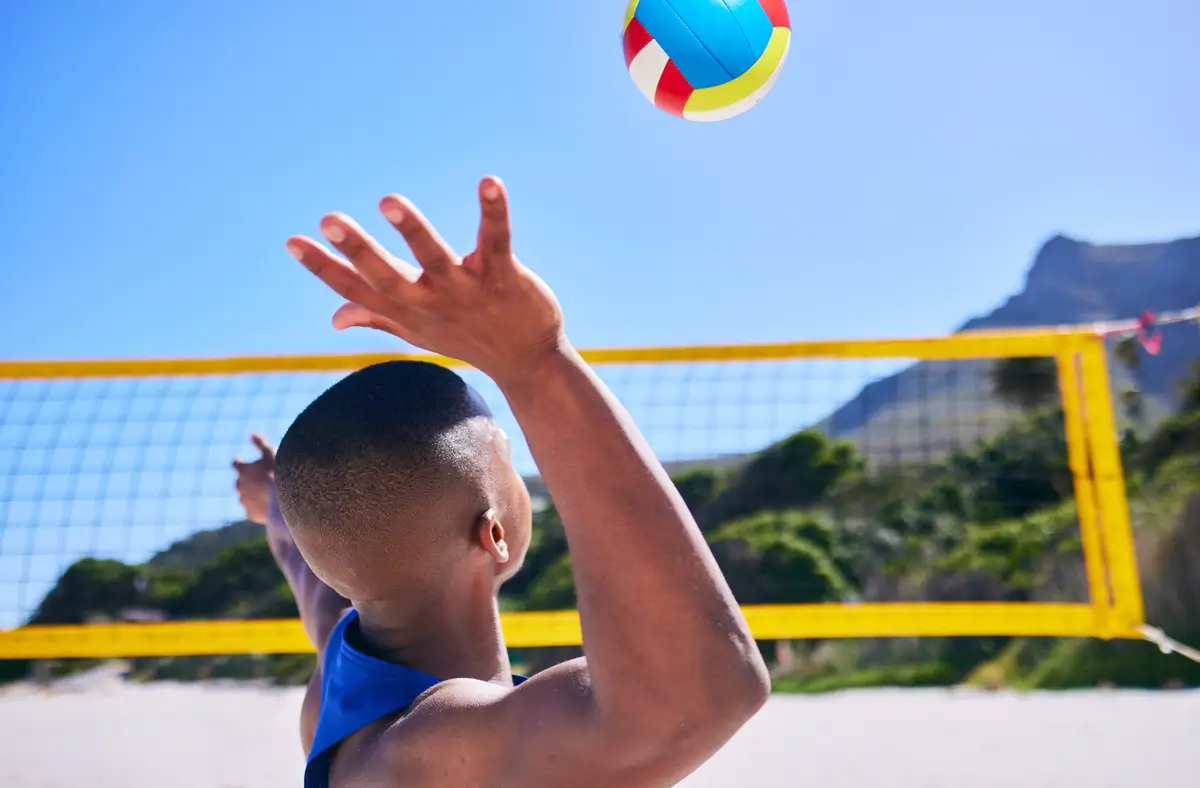
When you hear about college athletes earning NIL money, you probably picture a star quarterback driving a new luxury car. Those multi-million dollar contracts grab national headlines. But the reality for the other 99% of student-athletes looks very different.
For a beach volleyball player, Name, Image, and Likeness (NIL) is less about massive paychecks. It’s more about creating real-world chances — a story that is far more relatable and just as powerful.
What Is NIL Money and How Do NIL Deals Work?
At its core, NIL is the right for student-athletes to earn money by using their own personal brand. For the first time, NCAA rules allow them to be paid by outside companies for endorsements, social media posts, or appearances. Think of it as a side hustle, just like any other college student might have. The school doesn’t pay them. Athletes are simply using their personal skills and free time to earn money.
This brings up the most important rule: NIL is not “pay-for-play.” Schools are still barred from paying athletes a salary just for being on the team. Instead, the money comes from outside sources — a local restaurant paying a player to post on Instagram, or a national brand featuring an athlete in an ad. It’s a deal between the athlete and a business, not the athlete and their school.
Why Beach Volleyball NIL Deals Are Different
The reason a star quarterback can land a six-figure deal is simple: millions of people are watching. In the world of marketing, audience size is everything. Companies pay for access to potential customers, and sports that draw massive national TV audiences offer the biggest stage.
This creates a clear split in college sports between “revenue” and “non-revenue” programs. Revenue sports — mainly football and men’s basketball — bring in millions through ticket sales, merch, and media rights deals. Most other sports, including beach volleyball, are on the non-revenue side. These programs are still fiercely competitive. But they don’t generate the same level of income, which naturally limits the scale of national NIL deals.
For a beach volleyball player, this means the deal landscape looks entirely different. The average NIL deal isn’t a national car commercial. It’s a partnership with a local business that wants to connect with the community. A player’s market value is built on a passionate, niche following rather than a massive, anonymous crowd. This doesn’t mean there’s no opportunity — it just shifts from national brands to main street businesses, creating a more personal path for the athlete.
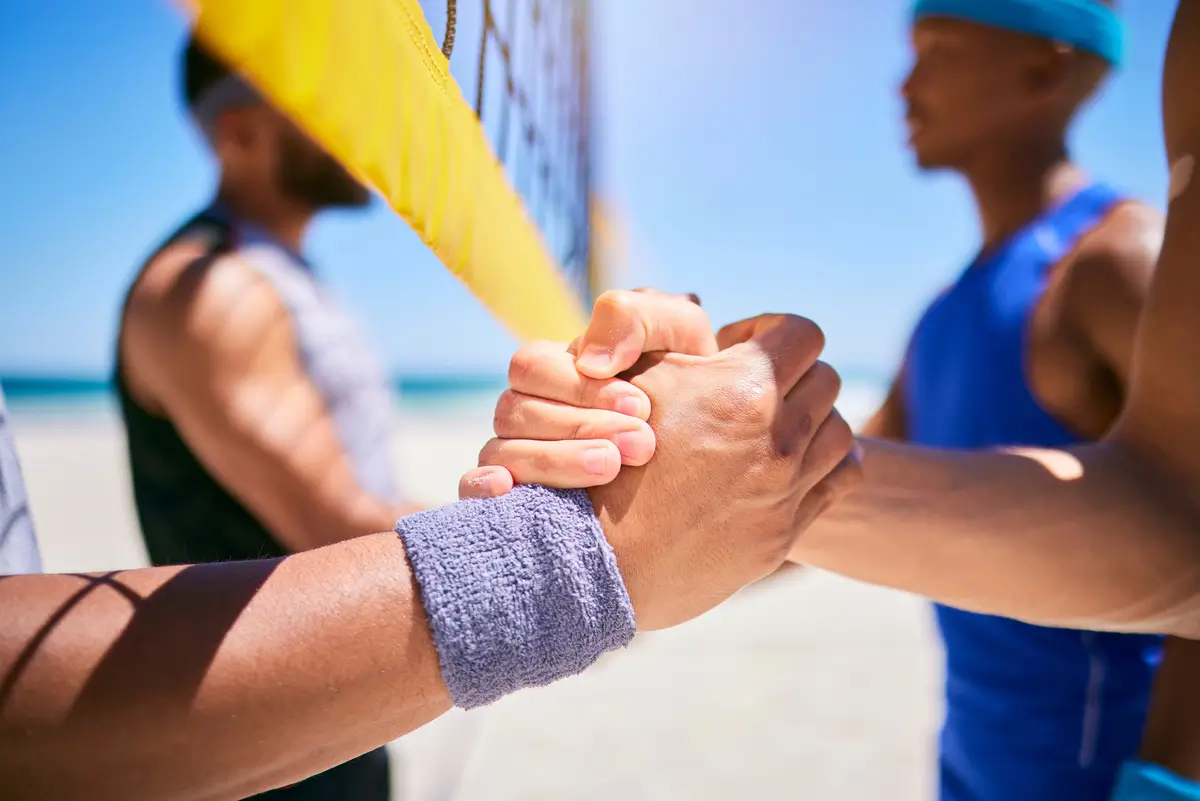
Sunscreen, Smoothies, and Summer Camps: What Real Beach Volleyball NIL Deals Look Like
So if a national TV commercial is off the table, what do real deals look like? Instead of corporate boardrooms, picture a player’s Instagram feed or their summer plans. The chances are hands-on and deeply tied to the beach lifestyle, allowing athletes to build a brand that feels authentic.
These sponsorship deals are grounded in local reality. A common deal involves a player teaming up with a nearby brand — like a sunglasses company or a healthy café — for a social media campaign. A single post might earn them anywhere from $100 to $500. For a bigger commitment, an athlete might use their skills to run a weekend coaching clinic for kids, earning $1,000 to $2,000 while giving back to the sport.
Not all pay comes in cash, though. Many of the most common deals are “in-kind,” which is a simple trade of value: an athlete promotes a business in exchange for free products or services. For a beach volleyball player, this could mean a season’s supply of high-end athletic wear, free physical therapy sessions, or a deal with a restaurant for post-practice meals.
These smaller-scale deals provide far more than just pocket money. They give athletes hands-on experience in marketing, deal-making, and running their own brand. But individual partnerships aren’t the only way athletes find support. What happens when a group of dedicated fans wants to help the entire team? That’s where a new idea called a “collective” comes in.
What Is a Volleyball NIL Collective? A Fan Club with a Checkbook
While individual deals rely on an athlete’s own hustle, not every player has the time or the massive social media following to attract brands. This is where NIL collectives come in. Think of a collective as a fan-supported fund with a mission. It’s a group — often founded by passionate alumni and supporters — that pools donations to create earning chances for student-athletes at a specific school.
The real power of a collective is its ability to support an entire team, not just one or two star players. This is key in a sport like beach volleyball. A fan-supported structure ensures that the athlete on court five has access to the same chances as the nationally-ranked pair on court one. By spreading the wealth, collectives help sustain the health of the whole program.
So what does a volleyball NIL collective look like in action? Picture a group of former players and local business owners creating a fund. They might use that money to pay every member of the beach volleyball team $500 to attend a meet-and-greet event for donors. Or they could pay athletes to run a free clinic for a local youth group. The athletes get paid for their time, the supporters get meaningful interaction, and the community benefits.
Whether the chance comes from a single brand or a fan-funded collective, it all hinges on the same thing: an athlete’s personal brand.
More Than Just an Athlete: Building a Personal Brand for NIL
Success in the new NIL era isn’t set by wins and losses alone. It depends heavily on an athlete’s personal brand. In simple terms, a brand is an athlete’s public story — the mix of their personality, values, and interests that makes them unique. Being a great player gets you noticed on the court. But it’s this brand that makes a company want to partner with you.
A local sunglass company, for instance, might sponsor an athlete not just because she’s a starter, but because her social media presence is fun, sunny, and naturally aligned with their products.
Today, that brand-building happens almost entirely on social media. Effective social media strategies for student-athletes go far beyond posting game highlights. It’s about showing the whole person. An athlete might share their tough study sessions, their love for baking, or their volunteer work at a local dog shelter. This creates a genuine connection with followers and gives potential sponsors a clearer picture of who they are.
By showing a personality — whether it’s adventurous, academic, or fashion-forward — they become more than just an athlete. They become a relatable voice that brands can proudly align with.
A strong brand opens the door to more creative and authentic deals. An athlete who posts about green causes could attract an eco-friendly apparel line. A player known for her grades might partner with a tutoring app. This process teaches real-world skills: managing your own image, marketing yourself, and closing deals. It’s a crash course in business that will serve these athletes long after they step off the sand.
Beyond the Paycheck: How NIL Empowers Female Athletes
The impact of NIL on college volleyball has been especially profound for female athletes. A large social media following can be just as valuable as a massive stadium audience. In a sport dominated by women at the college level, athletes now have a direct path to earn from their popularity. This shift has turned social media into a powerful tool for equity, rewarding visibility and connection.
This new landscape also turns athletes into business owners. Every deal — whether it’s a $500 partnership with a local boutique or a brand role with a national company — is a real business deal. Athletes learn to market themselves, talk terms, and deliver value to a partner. They are, in essence, running their own small business between classes and games.
Perhaps the most lasting benefit is the crash course in money management. With their first NIL checks come key lessons about budgeting, contracts, and even taxes. This early exposure to financial know-how is a huge edge. The skills learned — from reading a contract to managing income — set up these young women for success long after their playing days have ended.
The Real Win: Why NIL Is About More Than Just Money
Beyond the headlines of luxury cars and multi-million dollar contracts lies a more grounded reality for the vast majority of student-athletes. For those in sports like beach volleyball, NIL is about community, not just commerce. It shows up as a player teaming with a local brand she loves, coaching the next wave of players, or using her platform to support a neighborhood business.
Success in this space is measured in real-world experience and authentic connection, not just dollar signs. The system isn’t just about extra cash. It’s a powerful tool for teaching financial skills, business sense, and personal growth. By giving athletes the power to build a personal brand and connect with their local community, NIL provides value that lasts long after their final match.
This quiet revolution is building a stronger foundation for the athletes who define the sport — far from the glare of primetime television.
Learn More About the NIL Landscape
Name, Image, and Likeness plays an increasing role in college sports, and understanding how it works often requires more than individual articles or news updates.
RallyFuel is a platform focused on NIL-related topics across college athletics. It brings together information about athletes, NIL activity, and the broader structure behind modern college sports, helping readers explore the topic in more depth.




Leave a Comment