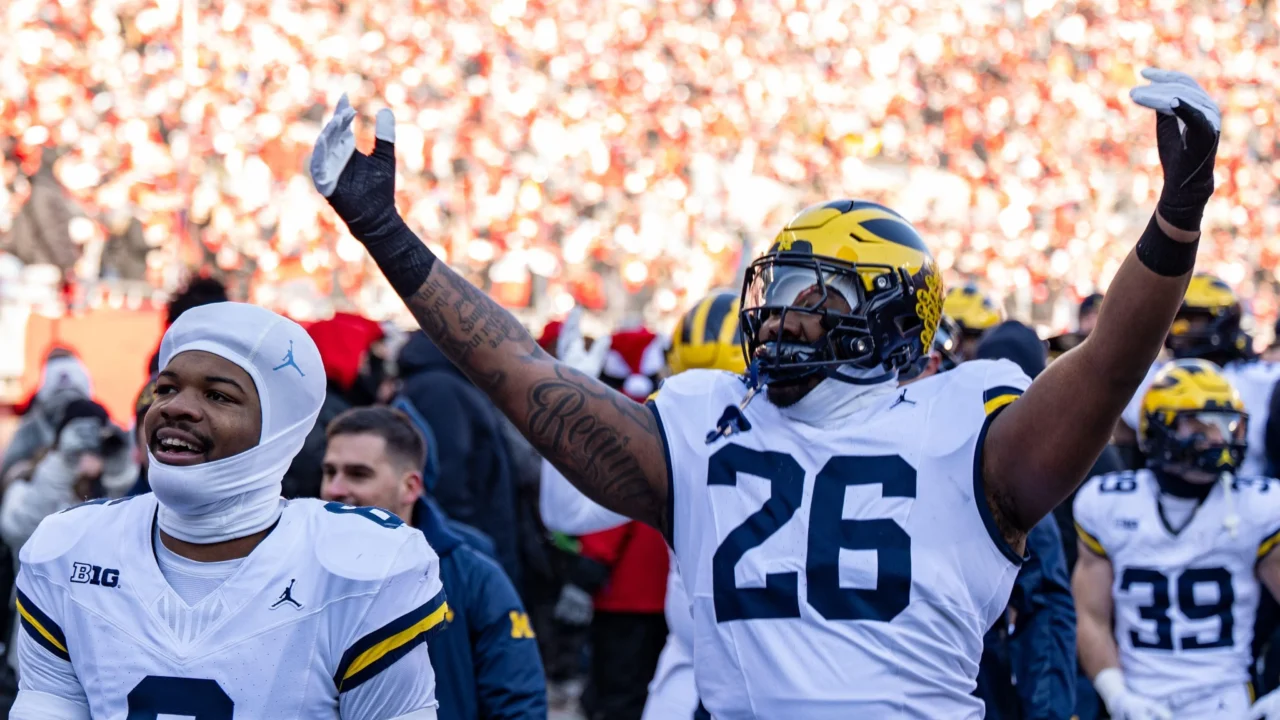
For decades, rubbing Howard’s Rock stood as the ultimate symbol of amateur pride. Today, that iconic uniform is the centerpiece of a business strategy known as college athlete NIL. While traditional scholarships still cover tuition, Name, Image, and Likeness (NIL) rights act like a digital lemonade stand, finally allowing players to profit from their own personal brands. According to college sports analysts, this financial shift hasn’t erased tradition; it simply modernized it.
Does this mean the family atmosphere Dabo Swinney built is suddenly gone? Not at all. In practice, a strong Clemson football NIL strategy is exactly what protects that culture. With competing programs constantly trying to poach rosters, providing fair marketing compensation is now essential for retaining top-tier talent in the Upstate. Empowering a star quarterback to partner with local Greenville businesses is how the Tigers remain elite in the fiercely competitive ACC.
Navigating this modern era requires a united, educated fanbase. Rather than leaving young men to manage contracts alone, the community is stepping up through the 110 Society. Industry data reveals that successful fan-funded collectives operate like a community chest—entirely separate from IPTAY—pooling resources to guarantee competitive Clemson NIL opportunities. Here is how your participation keeps the modern Clemson Family running strong.
Summary
Clemson’s NIL approach modernizes tradition without sacrificing culture by using the 110 Society to fund compliant, pay-for-work deals that prioritize roster retention. Fans can tailor their support through the 110 Society, Tiger Impact (charitable, tax-deductible), or Dear Old Clemson (marketplace/memorabilia). Businesses partner legally by arranging value-for-service agreements and securing university licensing, while athletes receive education and guidance under Dabo Swinney’s retention-first philosophy. With university revenue sharing on the horizon, coordinated, community-backed funding is essential to compete with SEC budgets.
The ‘Digital Lemonade Stand’: Understanding Exactly How Tigers Athletes Get Paid
You see a star quarterback driving a new truck through campus and naturally wonder, how do Tigers athletes get paid without breaking the rules? It boils down to a simple concept: direct value exchange. Think of it as a digital lemonade stand. Players cannot legally receive a paycheck just for scoring touchdowns—that is prohibited “pay-for-play.” Instead, they earn Clemson NIL money by providing an actual service to a brand, treating their own name and reputation as a marketable asset.
A player’s market valuation often depends heavily on their digital footprint and fan connection. When a local dealership or restaurant partners with a Tiger, they are buying access to that player’s specific audience. These athlete branding opportunities in Upstate South Carolina typically fall into four common NIL income streams:
- Autographs: Signing memorabilia at local events.
- Social Media: Posting sponsored content to their followers.
- Commercials: Filming advertisements for regional businesses.
- Appearances: Attending community or corporate gatherings.
While individual Clemson NIL deals with national brands grab headlines, the reality is that grassroots partnerships form the backbone of a competitive program. Sustaining this momentum takes more than just scattered local commercials; it requires a unified effort from the fanbase. This structured approach is exactly what drives community-funded initiatives.
Clemson’s Community Chest: How the 110 Society Powers the New Era of Athletics
For generations, supporting the Tigers meant writing a check to IPTAY, but donor intent has evolved in the modern landscape. IPTAY still funds scholarships and builds world-class facilities, but it cannot legally pay players directly. Enter the premier Clemson NIL collective, officially known as the 110 Society. Think of it as a community chest where fans and businesses pool their resources. While IPTAY maintains the infrastructure around the program, the 110 Society directly funds the athletes making plays on the field.
Managing a competitive Clemson NIL budget requires more than simply passing a hat; it demands structured marketing activation. When you contribute to this collective, you are not just handing an athlete unearned cash. The 110 Society acts as an agency, contracting players to perform specific charitable work, fan meet-and-greets, or community appearances in exchange for their compensation. This strict legal requirement ensures athletes actually earn their money while providing the program with the predictable financial foundation necessary for retaining top-tier talent.
Seeing exactly how the 110 Society supports student-athletes reassures fans that their contributions directly stabilize the roster without abandoning the program’s core values. As this financial ecosystem grows, supporters are discovering multiple avenues to direct their dollars based on their specific priorities.
Choosing Your Impact: A Detailed Comparison of Tiger Impact vs. Dear Old Clemson
While the 110 Society anchors the overall Clemson football NIL budget, fans have other ways to support the roster based on personal philanthropic goals. Not every dollar flows through the same pipeline. If you want to help players while championing local causes, or simply want a signed jersey for your fan cave, you must understand the distinct lanes of these secondary organizations.
Weighing Tiger Impact vs. Dear Old Clemson comes down to what you expect in return for your contribution:
- Tiger Impact (The Charitable Route): Operating as a 501(c)(3) organization, this group pays athletes to volunteer at local nonprofits. It perfectly aligns with Clemson’s service focus, offering potential Clemson collective donation tax deductions for your gift.
- Dear Old Clemson (The Marketplace Route): This operates as a commercial business rather than a charity. Through official memorabilia licensing, they compensate athletes for signing exclusive collectibles, hosting private tailgates, and providing direct fan access to players.
Ultimately, choosing the right avenue empowers you to shape the student-athlete experience in a way that matches your values. Whether funding charitable work or buying exclusive gear, these options keep the university competitive. Yet, as millions of dollars flood into these different entities, many fans are left wondering if this modern business model threatens the traditional soul of the program.
Is the Culture Safe? Dabo Swinney’s Stance on Transfer Portal Funding and NCAA Compliance
For fans watching millions of dollars change hands, the biggest fear is losing the program’s family-first identity. Coach Dabo Swinney has drawn a firm line by focusing NIL efforts on rewarding current roster members rather than engaging in high-stakes bidding wars for outside talent. In the modern game, Dabo Swinney’s stance on transfer portal funding prioritizes retention over recruitment, meaning players earn their deals through actual achievement rather than treating collective money as an upfront “inducement” just to sign a letter of intent.
Handing an eighteen-year-old a massive marketing check without guidance is a recipe for disaster. To combat this, the university integrates financial literacy programs for Clemson football players directly into the P.A.W. Journey life-skills initiative. Instead of just distributing cash, the athletic department ensures athletes understand taxes, commercial contracts, and personal branding, operating fully within strict NCAA compliance for Tiger sports marketing regulations.
This methodical approach keeps the university safe from ongoing legal pitfalls while still providing highly competitive compensation. By structuring deals as genuine pay-for-work agreements rather than masked recruiting bribes, Clemson protects both its traditional culture and its athletes’ futures.
Winning in the Upstate: A Business Guide to Legally Partnering with Clemson Players
Seeing a star player holding your product is a dream for Upstate business owners. However, Intellectual Property (IP) rights often cause confusion. While athletes own their personal marketing rights, the university still owns the iconic Tiger Paw. Major brands navigate this seamlessly—evident in successful Reign Total Body Fuel Tiger athlete partnerships—but local shops can also participate through group licensing. This structure acts like a bundled package, legally combining a player’s face with official school branding.
Following the correct steps for businesses to partner with Clemson players ensures everyone stays protected:
- Connect: Reach out via the 110 Society or an agent to propose a direct-value marketing exchange.
- License: Remember that licensing university logos for student-athlete merchandise or local commercials requires separate approval from Clemson to avoid trademark lawsuits.
- Comply: Align with recent State of South Carolina NIL law updates by verifying the final contract is formally reported to the athletic department.
Mastering these local partnerships provides vital support for current athletes while boosting regional commerce. Individual community sponsorships represent just one piece of a larger puzzle as the landscape prepares for revenue sharing.
The Next Chapter: Preparing for Revenue Sharing and Staying Competitive Against the SEC
The upcoming settlement in the House vs. NCAA case introduces the “New Partnership.” Instead of relying purely on outside boosters, fans often ask: will Clemson offer direct revenue sharing? Yes. The university will soon become a direct business partner, sharing television and ticket revenues straight with the athletes. This historic shift transforms college athletics from a booster-funded endeavor into a transparent, school-led enterprise.
Navigating the ACC landscape versus SEC collectives means Clemson must strategically counter the massive budgets of rivals like Georgia or Alabama. While the beloved Clemson culture remains paramount, evaluating market valuations for college stars is now a strict reality of championship roster management. The Tigers require a serious financial foundation to ensure elite talent stays in orange and purple rather than transferring to higher bidders.
Understanding how the business of being a Tiger works empowers fans to actively support the program’s legacy. You can help Clemson remain competitive today in three practical ways: joining The 110 Society as a recurring member, encouraging local businesses to hire athletes for marketing, and educating fellow fans at your next tailgate. Start with a simple 110 Society membership, and watch your support shape the next era of Clemson athletics.
Learn More About the NIL Landscape
Name, Image, and Likeness plays an increasing role in college sports, and understanding how it works often requires more than individual articles or news updates.
RallyFuel is a platform focused on NIL-related topics across college athletics. It brings together information about athletes, NIL activity, and the broader structure behind modern college sports, helping readers explore the topic in more depth.
Q&A
Question: What exactly is NIL, and how do Clemson athletes earn money without violating “pay-for-play” rules?
Short answer: NIL (Name, Image, and Likeness) lets athletes get paid for real marketing services tied to their personal brands—not for on-field performance. Think “digital lemonade stand.” Tigers can legally earn by providing value to a business through autographs, sponsored social posts, commercials, and appearances. A player’s market value often reflects their digital reach and fan connection. Deals must be pay-for-work, not inducements to sign or rewards for scoring touchdowns. Community-backed structures like the 110 Society help organize these compliant, value-for-service opportunities.
Question: What is the 110 Society, and how is it different from IPTAY, Tiger Impact, and Dear Old Clemson?
Short answer: The 110 Society is Clemson’s premier NIL collective—think community chest—funding athletes through compliant, pay-for-work agreements (e.g., community events, meet-and-greets). IPTAY still handles scholarships and facilities but cannot pay athletes. Tiger Impact is a 501(c)(3) that pays athletes to volunteer with local nonprofits, offering potential tax-deductible gifts. Dear Old Clemson is a commercial marketplace that compensates players for memorabilia, private tailgates, and fan access. In short: IPTAY = infrastructure; 110 Society = core NIL funding for roster retention; Tiger Impact = charitable route; Dear Old Clemson = memorabilia/experience route.
Question: Does NIL threaten Clemson’s culture, and how does Dabo Swinney handle the transfer portal in this new era?
Short answer: Clemson’s approach modernizes tradition without sacrificing its family-first identity. Dabo Swinney emphasizes retention over bidding for outside transfers; athletes earn deals through real work and achievement, not upfront inducements. The program integrates financial literacy via P.A.W. Journey so players understand taxes, contracts, and branding. By structuring NIL as genuine value-for-service and staying within NCAA and state rules, Clemson protects both its culture and its athletes while remaining competitive.
Question: I own a local business. How can I legally partner with a Clemson player—and can I use the Tiger Paw in my promotion?
Short answer: Follow three steps:
- Connect: Reach out through the 110 Society or an athlete’s agent with a value-for-service proposal.
- License: The athlete owns their NIL, but Clemson owns its trademarks (like the Tiger Paw). Using school logos requires separate university licensing or a group-license arrangement.
- Comply: Ensure the contract aligns with South Carolina NIL laws and is reported to the athletic department.
This safeguards everyone and enables legal campaigns—from social posts to appearances—while potentially using official marks through proper licensing.
Question: What changes are coming with revenue sharing, and how should fans respond to keep Clemson competitive against SEC budgets?
Short answer: With the House v. NCAA “New Partnership,” Clemson will directly share certain revenues (e.g., TV, tickets) with athletes, shifting some support from booster-led to school-led structures. Yet coordinated, community-backed NIL remains essential to compete with high-budget SEC programs. Fans can make the biggest impact by: joining the 110 Society as a recurring member, encouraging local businesses to hire athletes for marketing, and educating fellow fans about compliant, pay-for-work NIL support. This benefits all programs including men’s basketball, women’s basketball, volleyball, men’s golf, and men’s tennis.