
Direct-to-athlete NIL funding has rapidly moved college sports from institution-led sponsorship economics to a player-first model.
Instead of funneling all commercial money through schools, fans, local businesses, and national brands now fund athletes directly through
contracts, appearances, and content deals.
Key Takeaways on Direct-to-Athlete NIL Funding
- Money is shifting from school-led sponsorship packages to direct payments for athlete-led deliverables.
- NIL collectives and crowdfunding have become major channels for roster retention and athlete support.
- Tech marketplaces reduce friction by standardizing deal workflows, pricing visibility, and compliance reporting.
- Private capital and revenue-sharing models are professionalizing athlete compensation structures.
- Fair market value, transparency, Title IX, and tax literacy are now central risk and governance themes.
A decade ago, college athletes had almost no legal path to monetize personal brand value. Today, NIL opportunities include social campaigns,
autograph sessions, local endorsements, and fan-backed funding programs. This shift reflects the same regulatory opening described by the
NCAA NIL framework, which enabled third-party compensation tied to real promotional activity.
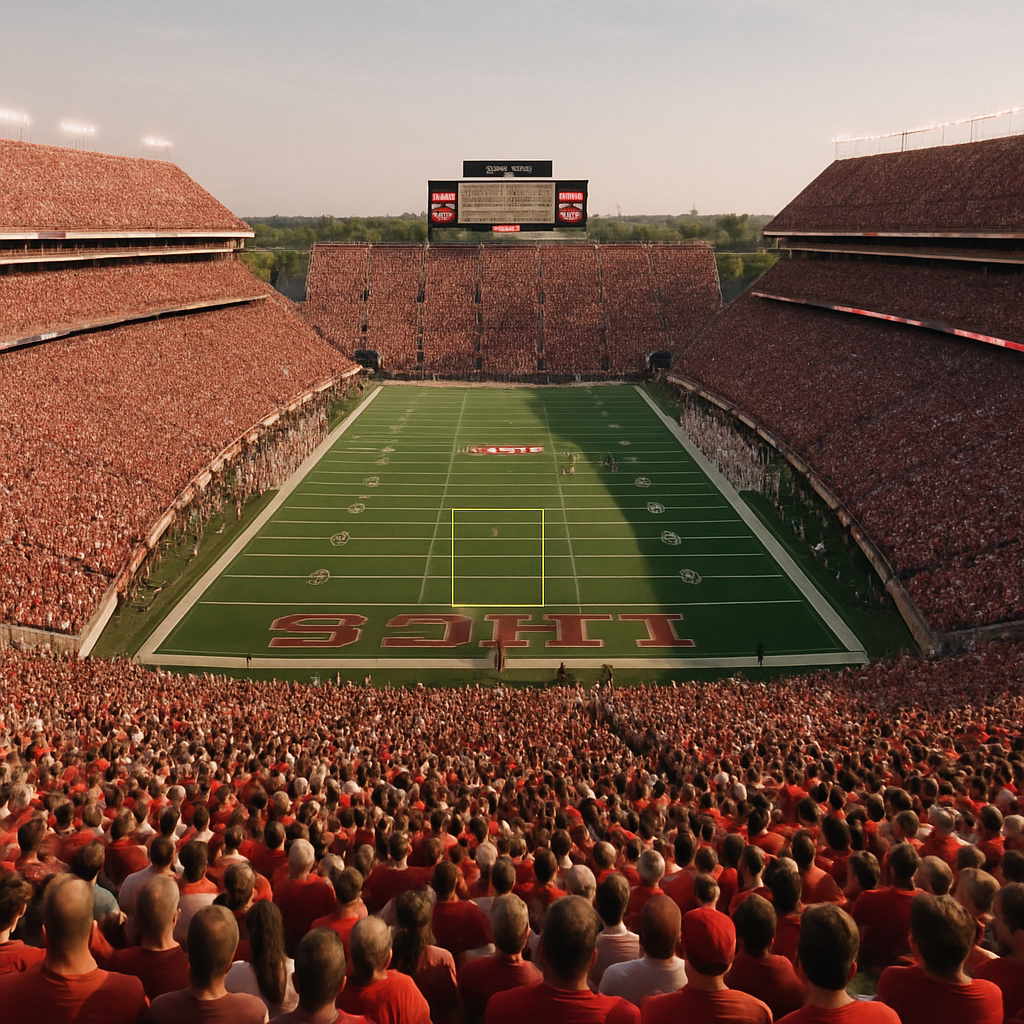
From Institutional Sponsorship to Athlete Endorsement Deals
Under the old model, major companies bought access through schools: stadium signage, facility naming rights, and team-level packages.
That structure made universities the commercial gatekeepers. In the new model, businesses can work directly with athletes on specific outcomes,
such as sponsored posts, event appearances, and local activations.
This has expanded participation in athlete endorsement deals. A neighborhood business that could never afford a university-wide sponsorship
can now run focused campaigns with one player whose audience aligns with local customers. The result is a denser, more distributed market
with more participants at lower entry costs.
How NIL Collectives Became a Core Funding Engine
NIL collectives pool support from alumni, fans, and local stakeholders, then route funds to athletes through structured agreements.
In practice, collectives often fund appearances, promotional content, community events, and other services designed to keep compensation
tied to deliverables rather than pay-for-play claims.
Their influence is especially visible in football and basketball roster decisions. Schools with stronger collective ecosystems can be more
competitive in retention and recruiting conversations. At the same time, donors increasingly demand clearer reporting about how pooled money
is allocated and how much reaches athletes.
Crowdfunding and Micro-Deals for Non-Star Athletes
While top earners dominate headlines, many athletes use NIL income for rent, transportation, and daily expenses. Walk-ons and non-revenue
athletes often rely on crowdfunding and smaller local brand collaborations to stay financially stable.
These micro-deals can include low-cost promotions, short-form videos, or in-person appearances tied to neighborhood businesses.
This long-tail market is one of the clearest signs that direct-to-athlete NIL funding is not only a superstar phenomenon; it is an
infrastructure shift across entire rosters.
Technology Marketplaces Lower the Barrier to Entry
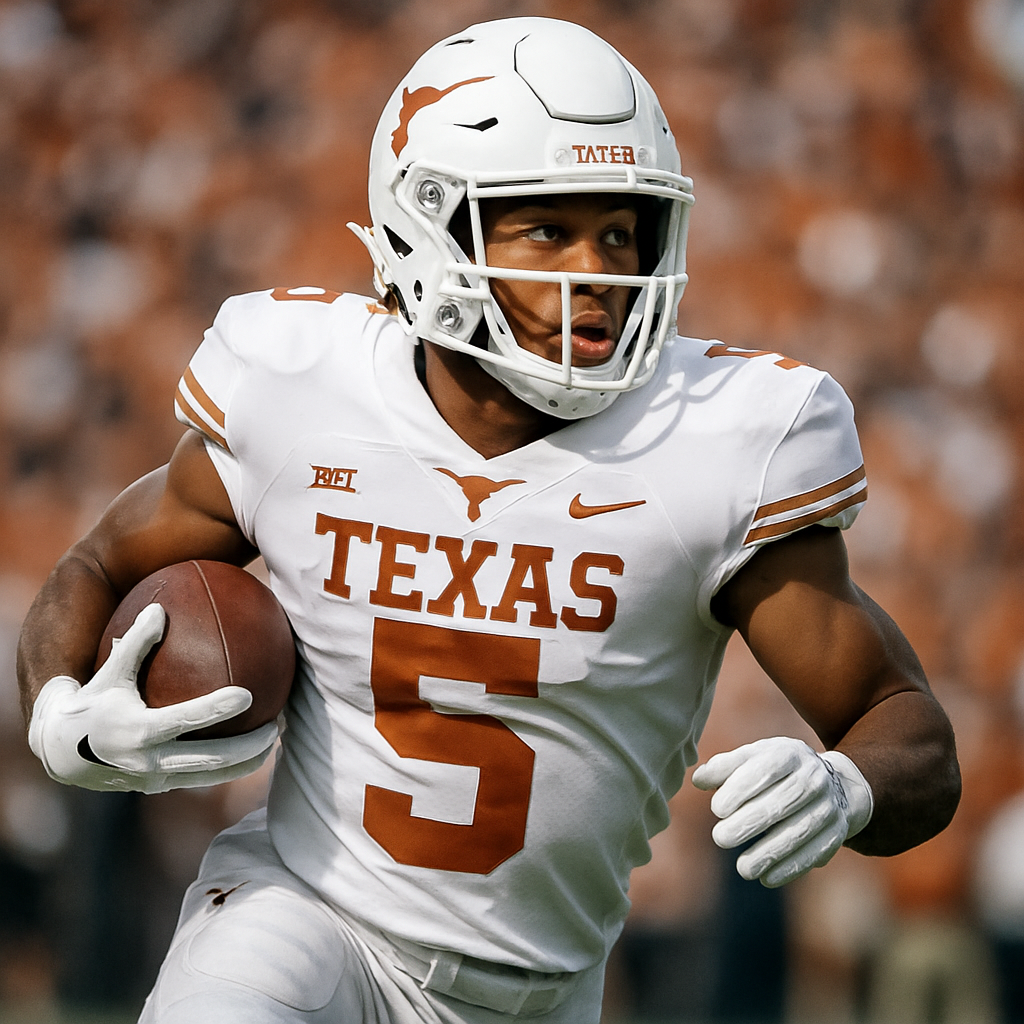
Dedicated NIL platforms now let brands discover athletes, view engagement signals, contract services, and document transactions in one workflow.
These tools reduce transaction costs and improve speed for all sides. They also support standardized recordkeeping, which helps schools and
athletes manage policy obligations.
Typical transaction categories include sponsored social posts, personalized fan content, and paid appearances. By automating routine deal steps,
marketplaces make it feasible to execute higher volumes of smaller contracts without requiring enterprise legal resources for each deal.
Private Equity Interest and Revenue-Sharing Momentum
As NIL operations become more structured, private capital is showing stronger interest in college sports monetization. Investors see predictable
media and ticketing ecosystems and look for ways to participate in long-term value creation. This trend can bring better financial controls,
but also raises concerns about governance and stakeholder incentives.
In parallel, schools are moving toward more formal revenue-sharing frameworks, signaling a gradual transition from purely external funding channels
to hybrid models that include institutional compensation. That shift may reduce some collective pressure while increasing legal and policy complexity.
Compliance, Fair Market Value, and Transparency Are Tightening
The market is increasingly defined by verification. Regulators and institutions want clear evidence that compensation reflects genuine promotional value.
Fair market value assessments, disclosure workflows, and documented deliverables are becoming baseline requirements in higher-risk programs.
For administrators and athletes, a practical starting point is standardized process design. A structured
NIL compliance checklist can reduce avoidable violations and improve consistency
across legal, athletic, and communications teams.
Title IX and State-Law Fragmentation
If direct institutional payments expand, Title IX obligations become more central in compensation design. Schools must show defensible, equitable
opportunity structures across programs while balancing competitive realities and budget constraints.
At the same time, state-level rules still vary in recruiting restrictions, disclosure obligations, and school involvement thresholds.
This patchwork increases operational friction, especially for athletes transferring across jurisdictions. For an evolving overview of these differences,
many teams track updates through resources such as
state-by-state NIL law summaries.
Tax and Financial Literacy: A Practical Necessity
Many athletes are paid as independent contractors and receive 1099 forms, which means taxes are not automatically withheld from deal payments.
Without planning, post-season tax obligations can materially reduce take-home earnings and create stress for families and athletes.
As a result, financial education is becoming standard in athlete support programs: budgeting, estimated tax planning, contract basics, and
long-term savings behavior. This trend is less visible than headline deals but critical to sustainability.
What to Expect in the Next Three Years
The most likely path is a more standardized direct-to-athlete NIL funding market with stricter reporting, clearer compensation frameworks,
and stronger compliance tooling. Direct fan-to-athlete connection will remain a major growth engine, but the ecosystem will look less like
a legal gray zone and more like a regulated commercial marketplace.
Platforms focused on fan participation and transparent athlete support, including
RallyFuel, show how direct engagement models can coexist with formal institutional policy.
Over time, market winners are likely to be those combining authentic athlete storytelling with disciplined governance.
Q&A
What does direct-to-athlete NIL funding mean?
It means compensation flows directly to athletes from brands, fans, or collectives for specific promotional services, rather than being routed
only through school-level sponsorship packages.
Why are NIL collectives so influential?
Collectives aggregate community capital and can quickly fund large numbers of athlete agreements, making them powerful tools for retention,
recruiting competitiveness, and local fan engagement.
What are the biggest risks in this market?
The primary risks are weak documentation, unclear fair market value rationale, inconsistent disclosures, and legal mismatches across states.
Tax non-compliance is also a common operational risk for athletes.
Will direct athlete funding disappear if schools share revenue?
Unlikely. Revenue sharing may stabilize part of the market, but direct fan and brand channels should remain important because they reward
individual athlete reach and local brand fit.