
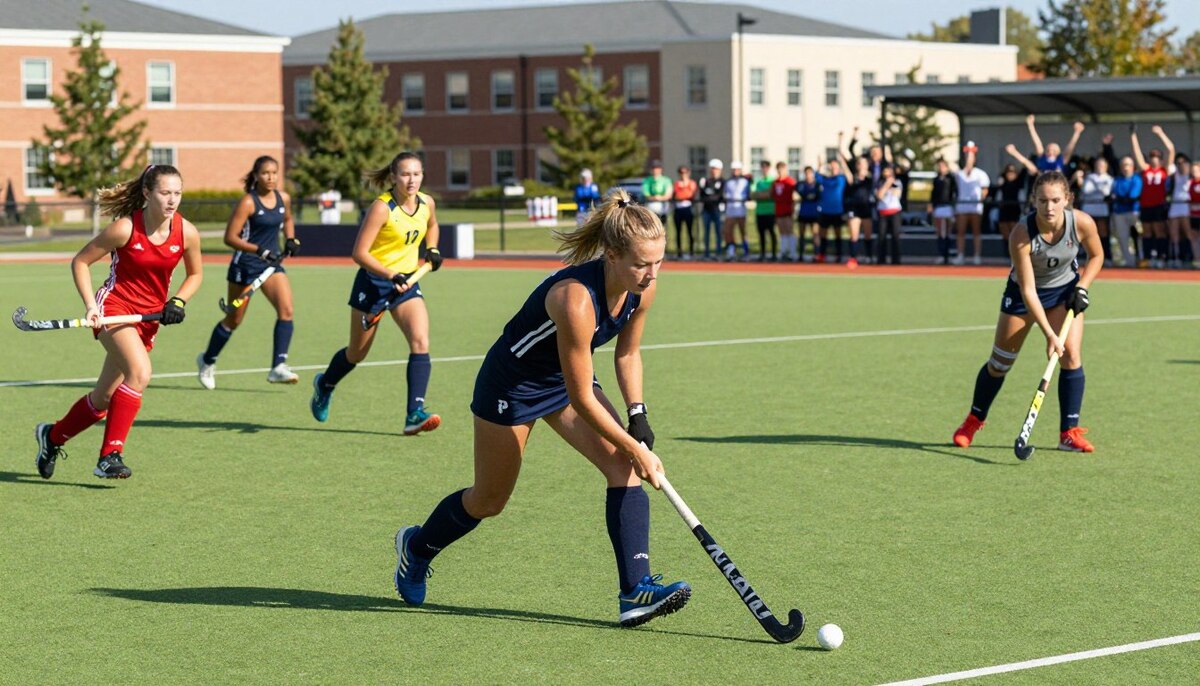
As collegiate field hockey continues to grow in popularity across the United States, international students are playing an increasingly vital role in shaping the sport.
With the introduction of Name, Image, and Likeness (NIL) regulations, these students face unique challenges as they navigate the complex landscape of collegiate athletics.
We will explore how NIL regulations impact field hockey international students and the opportunities and obstacles they encounter in the American collegiate sports scene.
Key Takeaways
- Understanding NIL regulations is crucial for international students participating in collegiate field hockey.
- The growing popularity of field hockey in the USA presents new opportunities for international athletes.
- Navigating NIL rules can be challenging for international students due to varying legal and cultural contexts.
- Collegiate field hockey programs are adapting to better include international students while navigating NIL regulations.
- The future of collegiate field hockey will likely be shaped by how effectively international students can capitalize on NIL opportunities.
The Growing Popularity of Field Hockey in American Colleges
As we observe the evolving sports landscape in US colleges, field hockey stands out as a rapidly growing sport. You might be wondering what’s driving this trend. The answer lies in the historical development and current competitive state of field hockey programs in the US.
Historical Development of Field Hockey Programs in the US
Field hockey has a rich history in the US, dating back to the late 19th century. Initially, it was played primarily by women, with the first collegiate competitions emerging in the early 20th century. Over the years, the sport has grown significantly, with the establishment of the National Collegiate Athletic Association (NCAA) governing body for field hockey in 1981. This development brought structure and recognition to the sport, paving the way for its expansion across American colleges.
Current State of Collegiate Field Hockey Competition
Today, collegiate field hockey is more competitive than ever. The NCAA Division I field hockey tournament attracts top talent from across the country and internationally. Programs are now more sophisticated, with advanced training facilities and coaching staff. The increasing participation of international students has also elevated the level of competition, bringing diverse playing styles and techniques to the US collegiate field hockey scene.
The growth of field hockey in American colleges is a testament to the sport’s enduring appeal and the dedication of athletes and coaches. As you look to the future, it’s clear that collegiate field hockey will continue to thrive, driven by a strong foundation and a competitive spirit.
Understanding NIL Regulations in Collegiate Sports
NIL regulations represent a pivotal shift in how college athletes can engage with commercial opportunities. These regulations have opened new avenues for student-athletes to profit from their name, image, and likeness, fundamentally changing the dynamics of college athletics.
What is NIL and How it Revolutionized College Athletics
NIL stands for Name, Image, and Likeness, referring to the right of an individual to control the commercial use of their identity. In the context of college athletics, NIL regulations allow student-athletes to receive compensation for endorsements, appearances, and other commercial activities without jeopardizing their eligibility. This revolutionizes college athletics by providing athletes with financial opportunities previously reserved for professional athletes.
Key NIL Policies Affecting Student-Athletes
Key policies include the prohibition on pay-for-play and recruiting inducements, while allowing athletes to profit from their NIL. Student-athletes can now engage in various activities such as:
- Endorsement deals
- Personal appearances
- Selling autographed memorabilia
- Using their social media presence for sponsored content
However, athletes must comply with state laws and institutional policies governing NIL activities.
How NIL Differs from Professional Endorsement Deals
While both NIL deals and professional endorsement deals involve athletes profiting from their image, there are significant differences. NIL deals are subject to NCAA regulations and state laws, which impose certain restrictions on the types of activities allowed. Unlike professional endorsement deals, NIL activities cannot be tied to athletic performance or recruiting decisions. As Mark Emmert, former NCAA President, noted, “The new NIL rules represent a significant change in the way college athletes can benefit financially.”
“The new NIL rules represent a significant change in the way college athletes can benefit financially.” – Mark Emmert
| Aspect | NIL Deals | Professional Endorsement Deals |
|---|---|---|
| Regulatory Framework | Subject to NCAA regulations and state laws | Primarily governed by contract law |
| Eligibility | Must maintain amateur status | No amateur status requirement |
| Compensation Basis | Cannot be directly tied to athletic performance | Often tied to performance or marketability |
Field Hockey International Students: Demographics and Trends
The influx of international student-athletes in US field hockey programs has transformed the landscape of collegiate sports. As we delve into the demographics and trends shaping this phenomenon, it becomes clear that international talent is not only enriching the sport but also elevating the competitive spirit within American colleges.
Countries Contributing the Most International Field Hockey Talent
The US field hockey programs attract talent from various parts of the world. European countries are among the top contributors.
European Powerhouses in US Field Hockey Programs
- Netherlands: Known for their technical prowess and tactical acumen.
- England: Brings a high level of physical fitness and competitive drive.
- Germany: Contributes strategic players with a strong background in the sport.
Rising Talent from Asia and Oceania
Besides Europe, countries like Australia and New Zealand are also making significant contributions. These nations bring a unique blend of skill and athleticism, further diversifying the talent pool in US field hockey.
Why International Students Choose US Field Hockey Programs
International students are drawn to US field hockey programs for several reasons, including world-class coaching, competitive environments, and scholarship opportunities. The combination of academic and athletic excellence makes the US an attractive destination for aspiring field hockey players.
Recruitment Patterns and Scholarship Opportunities
Coaches in US field hockey programs actively scout talent globally, often attending international tournaments to identify potential recruits. Scholarships are a key factor in attracting top talent, with many programs offering full or partial scholarships to assist student-athletes.
Field Hockey NIL Opportunities for International College Athletes
Field hockey NIL deals are gaining visibility in the U.S. as more international students join NCAA programs. While NIL rules open doors for athlete branding and endorsements, international field hockey players face additional layers of regulation tied to visas and amateur status.
RallyFuel enables field hockey NIL opportunities with compliance-first conditional pledges, allowing fans to support eligible athletes while respecting U.S. legal constraints. Players from Europe, Latin America, and Asia are already building personal brands on RallyFuel’s platform with verified milestones.
Unique Challenges for International Athletes Under NIL Rules
International athletes face distinct challenges when navigating NIL rules in the US collegiate sports landscape. While Name, Image, and Likeness regulations have opened up new opportunities for student-athletes, international players must contend with additional complexities.
Visa Restrictions and Work Limitations
One of the primary challenges international athletes face under NIL rules relates to visa restrictions and work limitations. Understanding these constraints is crucial for athletes looking to capitalize on their NIL opportunities.
Understanding F-1 Visa Constraints
F-1 visa holders, common among international students, face specific restrictions on their ability to work in the United States. Key limitations include:
- Prohibition on unauthorized employment
- Restrictions on working off-campus without proper authorization
- Limited ability to engage in business activities
These constraints can significantly impact an international athlete’s ability to manage their NIL opportunities effectively.
J-1 Visa Considerations for Field Hockey Athletes
For athletes on J-1 visas, different rules apply. While J-1 visa holders may have more flexibility in terms of work authorization, they still face strict regulations. Key considerations include:
- Understanding the terms of their exchange visitor program
- Navigating potential restrictions on commercial activities
- Ensuring compliance with J-1 visa regulations when engaging in NIL deals
Tax Implications for Non-US Citizens
Another significant challenge for international athletes under NIL rules involves tax implications. Non-US citizens earning income in the United States face complex tax situations.
International Tax Treaties and Their Impact
The United States has tax treaties with various countries that can affect how international athletes are taxed on their NIL income. Understanding these treaties is crucial for minimizing tax liabilities.
Required Documentation and Reporting
International athletes must be prepared to handle additional tax documentation and reporting requirements. This includes:
- Obtaining an ITIN (Individual Taxpayer Identification Number)
- Filing appropriate tax forms (e.g., Form 1040NR)
- Reporting NIL income accurately
Proper tax planning and compliance are essential to avoid potential penalties and ensure that athletes can maximize their NIL earnings.
Legal Considerations for International Field Hockey Players
With the rise of Name, Image, and Likeness (NIL) opportunities, international field hockey players encounter new legal considerations that require careful navigation. As these athletes capitalize on their NIL rights, they must also comply with complex immigration regulations.
Navigating Immigration Compliance While Pursuing NIL Opportunities
International field hockey players must ensure that their NIL activities comply with their visa terms. This involves understanding the restrictions on employment and business activities under their current visa status. For instance, F-1 visa holders are generally not allowed to engage in business activities without proper authorization.
- Review visa restrictions with the university’s international student office.
- Consult with an immigration attorney to understand NIL implications.
- Ensure compliance with tax laws on NIL earnings.
Potential Consequences of Violating Visa Terms
Violating visa terms can have severe consequences, including deportation and future immigration difficulties. International field hockey players must be aware of these risks when pursuing NIL opportunities. Key consequences include:
- Loss of legal status in the US.
- Ineligibility for future visas or immigration benefits.
- Potential impact on future career opportunities.
Cultural and Language Barriers in NIL Deal Navigation
International student-athletes face unique challenges when navigating NIL deals, primarily due to cultural and language barriers. These obstacles can significantly hinder their ability to capitalize on endorsement opportunities.
Communication Challenges in Negotiating Endorsements
Effective communication is crucial in negotiating endorsement deals. However, language barriers can impede international athletes’ ability to understand complex contractual terms or articulate their value to potential sponsors. Clear communication strategies are essential to overcome these challenges.
| Challenge | Impact | Solution |
|---|---|---|
| Language Barriers | Difficulty understanding contractual terms | Employing translators or legal advisors |
| Cultural Differences | Misunderstandings in negotiations | Cultural sensitivity training for all parties |
Cultural Differences in Personal Branding and Self-Promotion
Cultural nuances play a significant role in personal branding and self-promotion. International athletes may need to adapt their branding strategies to resonate with local audiences while maintaining their cultural identity. Understanding these cultural differences is key to successful self-promotion.
By acknowledging and addressing these cultural and language barriers, international student-athletes can better navigate the complex landscape of NIL deals and capitalize on endorsement opportunities.
Success Stories: International Field Hockey Players Thriving with NIL
The rise of NIL regulations has opened new avenues for international field hockey players in the USA. These student-athletes are now able to capitalize on their talents and personal brands, creating new opportunities for themselves and their families.
Case Studies of Successful International Student-Athletes
Several international field hockey players have made significant strides under the NIL policy. For instance, a player from Australia secured a substantial sponsorship deal with a major sports brand, leveraging her social media presence and athletic achievements.
Another example is a Dutch player who partnered with a local business in her college town, promoting their products and services through her personal brand. These cases demonstrate the diverse opportunities available to international field hockey athletes.
Strategies That Worked for Top International Players
Top international field hockey players have employed various strategies to succeed under NIL. Two key approaches stand out:
Building Local Partnerships
By engaging with local businesses and communities, international athletes can build strong networks and create mutually beneficial partnerships. For example, a player might work with a local sports equipment store to promote their products.
Leveraging Home Country Connections
Many international athletes maintain strong ties to their home countries. By leveraging these connections, they can attract sponsorships and endorsements from brands looking to expand their global reach.
These strategies, combined with their athletic prowess, have enabled international field hockey players to thrive in the NIL landscape.
University Systems for International Athletes
Universities across the United States are developing comprehensive frameworks for international athletes navigating the complexities of Name, Image, and Likeness (NIL) regulations. These systems play a critical role in helping athletes manage the unique challenges they face in collegiate sports.
How Athletic Departments Help Navigate NIL Complexities
Athletic departments are playing a pivotal role in guiding international athletes through the intricacies of NIL. They provide specialized resources and workshops to educate athletes on the rules and opportunities available under NIL regulations. For instance, many universities have established NIL compliance offices that offer one-on-one counseling sessions to ensure athletes understand and comply with the latest policies.
Some athletic departments are also collaborating with external experts, such as financial advisors and sports law attorneys, to offer additional guidance and expertise. This multifaceted approach helps international athletes make informed decisions about their NIL opportunities.
International Student Services Collaboration with Athletics
Universities are also fostering collaboration between athletic departments and international student services to deliver a holistic framework for international athletes. This collaboration ensures that athletes receive assistance with NIL-related matters, visa compliance, cultural adjustment, and academic planning. By working together, these departments can create comprehensive programs that address the diverse needs of international athletes.
For example, some universities have launched joint initiatives that include mentorship programs in which experienced international athletes guide newcomers through the complexities of college life and collegiate sports in the U.S. These initiatives help build a strong sense of community and improve the overall experience of international athletes.
Building a Personal Brand While Respecting Visa Limitations
Building a personal brand as an international field hockey player in the US requires a delicate balance between self-promotion and visa compliance. As NIL regulations continue to shape the landscape of college athletics, international student-athletes must navigate these opportunities carefully to avoid any potential visa violations.
To achieve this balance, athletes can leverage various strategies that enhance their personal brand while adhering to the restrictions of their visa status. One key area of focus is social media, where athletes can build a significant following and engage with their audience without necessarily violating their visa terms.
Social Media Strategies for International Field Hockey Players
International field hockey players can utilize social media platforms to build their personal brand by sharing engaging content related to their athletic journey. This can include:
- Posting training videos and match highlights
- Sharing insights into their daily life as a student-athlete
- Engaging with fans through comments and live streams
By focusing on content that highlights their athletic abilities and personal journey, athletes can grow their brand without engaging in activities that may be restricted by their visa status.
Creating Value Without Violating Status Restrictions
Creating value as an international field hockey player involves finding innovative ways to contribute to the sports community without violating the terms of your visa. This can be achieved by:
| Strategy | Description | Benefits |
|---|---|---|
| Content Creation | Producing videos, blogs, or podcasts about field hockey | Enhances personal brand, engages with the community |
| Camps and Clinics | Organizing or participating in field hockey camps and clinics | Develops coaching skills, builds network |
Balancing Athletic Performance with Brand Development
For international field hockey players, balancing athletic performance with personal brand development is crucial. Athletes should focus on:
- Maintaining high athletic performance to attract sponsorship and endorsement deals
- Engaging in brand-building activities that complement their athletic career
By achieving this balance, athletes can maximize their potential both on and off the field, creating a sustainable and successful career as international field hockey players in the US.
Future Outlook: Potential Changes to NIL Rules for International Students
As the landscape of collegiate athletics continues to evolve, international students are at the forefront of advocating for NIL reform. The current NIL rules have presented unique challenges for international student-athletes, and there is a growing push for more inclusive policies.
Advocacy Efforts for International Student-Athlete Rights
Various organizations and advocacy groups are working to address the disparities faced by international students under the current NIL rules. These efforts include:
- Lobbying for policy changes at the national level
- Providing legal guidance for international student-athletes navigating NIL complexities
- Raising awareness about the challenges faced by international students in collegiate sports
These advocacy efforts are crucial in pushing for a more equitable system that allows international students to benefit from their NIL without jeopardizing their visa status.
Predicted Policy Developments in Coming Years
Looking ahead, we can expect potential developments in NIL policies that may address the current limitations for international students. Some predicted changes include:
- More nuanced visa regulations that allow for limited NIL activities
- Increased collaboration between universities and immigration authorities to facilitate NIL opportunities for international students
- New guidelines that provide clearer distinctions between permissible NIL activities and those that violate visa terms
These potential changes signal a shift towards a more inclusive approach to NIL policies, recognizing the valuable contributions of international student-athletes to collegiate sports.
Conclusion
As we have explored throughout this article, international students participating in field hockey programs in the USA face unique challenges under the current NIL regulations. Understanding these regulations and how they impact your ability to earn compensation through endorsements, sponsorships, and other business opportunities is crucial.
You have seen how NIL policies affect your status as an international student-athlete, the potential legal and visa implications, and the strategies successful athletes use to navigate these complexities. Universities are also adapting, offering guidance through athletic departments and international student services.
To thrive, you must balance your athletic performance with personal brand development, leveraging social media and other platforms while respecting visa limitations. As advocacy efforts continue and potential policy changes loom on the horizon, staying informed is key.
By understanding the intricacies of NIL regulations and utilizing the resources available, you can turn the challenges of being an international field hockey player in the USA into opportunities for growth and success.
Learn More About the NIL Landscape
Name, Image, and Likeness plays an increasing role in college sports, and understanding how it works often requires more than individual articles or news updates.
RallyFuel is a platform focused on NIL-related topics across college athletics. It brings together information about athletes, NIL activity, and the broader structure behind modern college sports, helping readers explore the topic in more depth.
FAQ
What are the NIL regulations for international student-athletes in the USA?
The Name, Image, and Likeness (NIL) regulations allow international student-athletes to profit from their name, image, and likeness, but they must comply with specific rules and regulations, including those related to their visa status.
How do visa restrictions impact international field hockey players’ ability to capitalize on NIL opportunities?
Visa restrictions can limit the ability of international field hockey players to engage in certain business activities or work outside of their athletic pursuits, which can impact their capacity to capitalize on NIL opportunities.
What are the tax implications for international student-athletes earning NIL income?
International student-athletes earning NIL income may be subject to taxation on their earnings, and they must comply with relevant tax laws and regulations, including filing tax returns and reporting their income.
Can international student-athletes use their university’s resources to promote their personal brand?
International student-athletes should check with their university’s athletic department and compliance office to determine what resources they can use to promote their personal brand, as policies may vary.
How can international field hockey players navigate cultural and language barriers when negotiating NIL deals?
International field hockey players can navigate cultural and language barriers by seeking guidance from university staff, using translation services, and being mindful of cultural differences in business practices.
What are the potential consequences of violating visa terms for international student-athletes?
Violating visa terms can result in severe consequences, including deportation, loss of athletic eligibility, and ineligibility for future visas.
How can international student-athletes balance their athletic performance with brand development?
International student-athletes can balance athletic performance with brand development by prioritizing their athletic commitments, leveraging social media, and seeking guidance from university staff.
What advocacy efforts are being made to advance international student-athlete rights under NIL regulations?
Various organizations and advocacy groups are working to advance international student-athlete rights under NIL regulations, including pushing for policy changes and offering guidance to athletes.
How can international field hockey players build a personal brand while respecting visa limitations?
International field hockey players can build a personal brand by leveraging social media, creating content, and engaging in other activities that do not violate their visa status.
What role do university systems play in helping international athletes navigate NIL complexities?
University systems, including athletic departments and international student services, play a crucial role in helping international athletes navigate NIL complexities by offering guidance, resources, and institutional expertise.
What are the key NIL policies that international student-athletes should be aware of?
International student-athletes should be aware of key NIL policies, including those related to disclosure requirements, compensation limits, and agent representation.
How do NIL regulations differ from professional endorsement deals?
NIL regulations are specific to college athletics and differ from professional endorsement deals in terms of the rules and regulations governing them, including restrictions on compensation and agent representation.


Leave a Comment