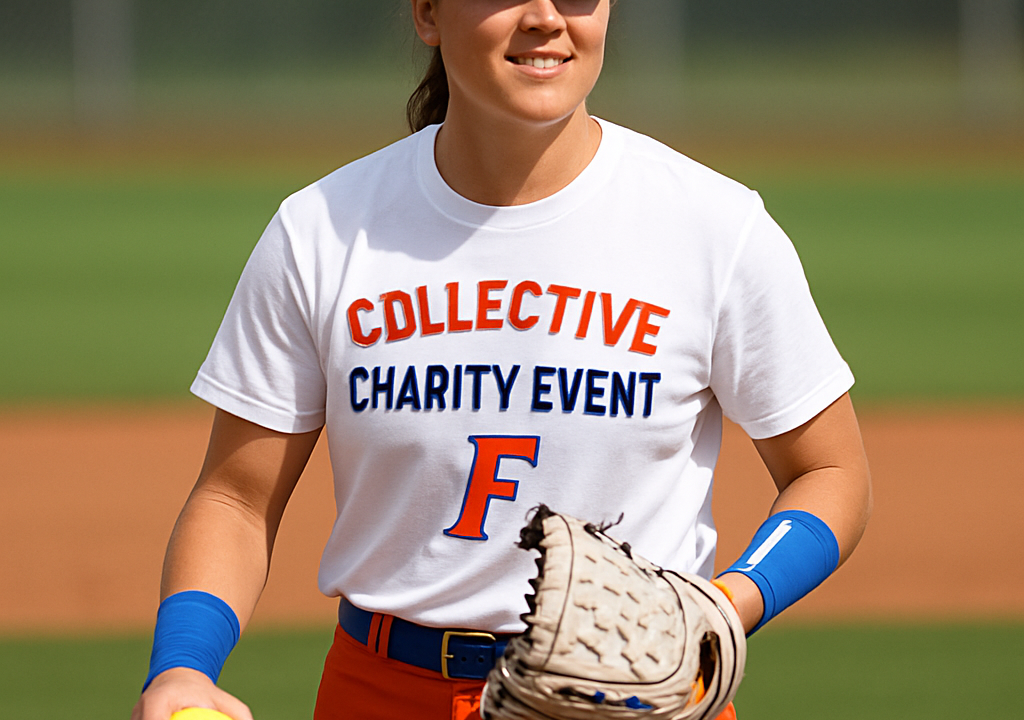
Florida softball NIL deals have moved from a niche topic to a core part of modern college athletics. Athletes who once had no legal way to monetize their public profile can now build real business partnerships while still competing at a high level.
In Florida, that shift has accelerated because the state adopted athlete-friendly NIL rules early, and schools quickly built support systems around compliance, disclosure, and financial education. The result is a strong market for players, brands, and fan-backed collectives.
How Florida Softball NIL Deals Work in Practice
Most deals are straightforward: an athlete provides a service, and a business pays fair market value for that service. Common activities include social media promotions, local appearances, youth clinics, content shoots, and branded campaigns.
For players, this is not only extra income. It is also early career experience in negotiation, personal branding, taxes, and contract literacy. For brands, it is targeted access to local audiences with strong engagement and trusted community ties.
Florida’s Legal Advantage for Softball Athletes
Florida programs benefit from a policy environment that recognizes NIL as a legitimate athlete right rather than a gray area. Athletes can work with representation, evaluate contracts, and build long-term brand strategy without automatically losing eligibility.
At the national level, schools and athletes still operate within NCAA boundaries. The official NIL framework clarifies what is allowed, what is prohibited, and what must be disclosed. See the current policy guidance at NCAA NIL guidance.
Community Collectives and Local Sponsorship Networks
Collectives add another layer to Florida softball NIL deals by turning fan and business support into structured opportunities for athletes. Instead of one-off endorsements only, athletes can earn from recurring community activities tied to appearances, events, and promotions.
For example, Florida fans tracking athlete opportunities can follow school-level activity at University of Florida on RallyFuel. Broader NIL coverage and trends are also available on the RallyFuel Blog.
Why Brands Invest in Florida Softball Players
Softball athletes often deliver strong engagement-to-follower ratios, especially in local markets. That makes partnerships attractive for businesses in fitness, nutrition, retail, healthcare, and regional services that need trust-based visibility rather than mass-reach advertising.
Campaigns tend to perform best when they are authentic: the athlete already uses the product category, the audience fit is clear, and deliverables are concrete. In this model, a smaller but highly relevant audience can outperform larger low-intent traffic.
Compliance Checklist: Staying Eligible While Monetizing
Compliance is the operating system behind every successful NIL strategy. The basics are simple, but every deal still needs review and documentation.
- No pay-for-play: compensation cannot be tied to game results, roster status, or promises to enroll.
- Fair market value: payment must match the real scope of services delivered.
- Required disclosure: agreements must be reported through school processes.
- Documentation: keep clear records of deliverables, invoices, and communications.
Athletes and families who want deeper legal context can also review state-by-state NIL coverage at RallyFuel NIL laws overview.
What Fans Can Watch for This Season
The NIL effect is visible in day-to-day program momentum. You will see more branded player content, local business integrations, and fan-driven activations that support retention and team stability.
To monitor broader activity around women’s softball matchups and engagement channels, see RallyFuel softball predictions.
Florida Softball NIL Deals: The Takeaway
Florida softball NIL deals are no longer experimental. They are a durable part of athlete development, recruiting competitiveness, and local sports economics. Programs that combine legal discipline, community support, and smart brand fit are best positioned to keep talent and build sustained success.
Q&A
Are Florida softball NIL deals legal for current college players?
Yes. Athletes can sign NIL agreements if they follow school disclosure processes, NCAA rules, and fair-market-value standards.
What is the biggest compliance risk in NIL?
The main risk is pay-for-play behavior, where compensation is tied to athletic outcomes or enrollment promises instead of actual marketing services.
Do athletes need an agent or advisor?
Not always, but professional support is often helpful for contract review, pricing, tax planning, and long-term brand strategy.
How can local businesses participate safely?
Use clear contracts, define deliverables, pay fair market rates, and coordinate with compliance channels so the partnership remains transparent and eligible.