
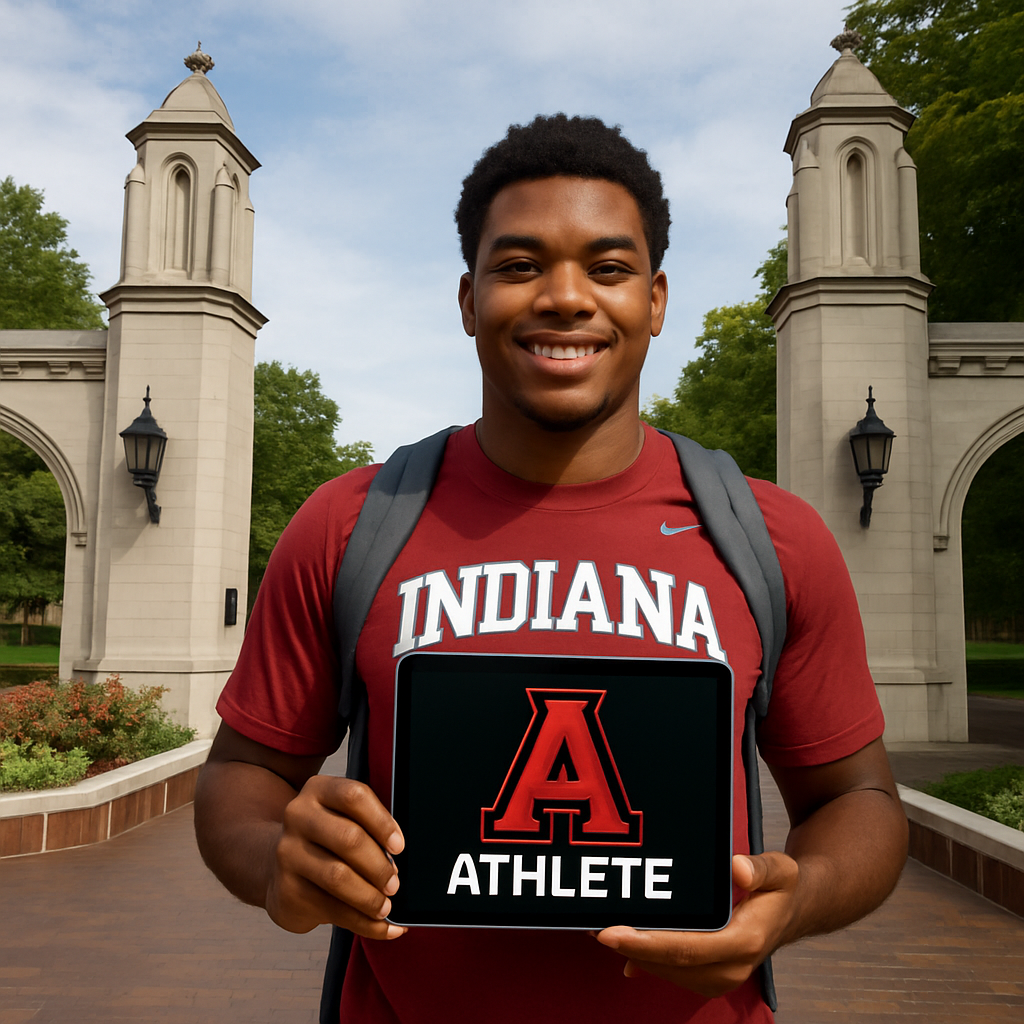
A decade ago, an IU basketball player accepting a free meal at a Kirkwood Avenue diner would have triggered an NCAA investigation, potential suspensions, and a media firestorm. Today, that same player might be the paid spokesperson for the restaurant, smiling from a billboard on the bypass without breaking a single rule. This rapid evolution is driven by the era of Indiana University NIL deals, a shift that has fundamentally changed how college sports operate in Bloomington and beyond.
At its core, Name, Image, and Likeness (NIL) rules are not about the university paying salaries directly to players; instead, think of the concept as a “professional permission slip.” For generations, student-athletes were the only students on campus prohibited from monetizing their skills, while a music major could freely book paid gigs or a computer science student could launch a profitable startup. Since the NCAA policy changes in July 2021, athletes have finally gained the right to profit from their fame, renting out their own brand to businesses just like any other citizen.
This new freedom has turned the local ecosystem into a bustling marketplace for college athlete sponsorship. Whether it is a star quarterback signing autographs at a car dealership or a volleyball player promoting a boutique on social media, the mechanics are surprisingly similar to standard influencer marketing. According to data from NIL marketplace Opendorse, the vast majority of these agreements are actually small, local partnerships rather than million-dollar contracts, allowing players to earn pocket money while connecting deeply with the community that cheers for them.
Navigating this landscape can feel overwhelming for fans accustomed to the strict amateur tradition, but the basics are straightforward. Indiana University NIL deals represent a modernization of the sport, ensuring that those wearing the Cream and Crimson can benefit from the value they create. How this system works is now essential knowledge for anyone following the Hoosiers, as these opportunities are becoming just as crucial to the program’s success as a jump shot or a defensive scheme.
Summary
Since 2021, NIL rules let IU student-athletes monetize their name, image, and likeness through mostly local, small-scale sponsorships without the university paying them directly. Independent collectives—Hoosiers Connect (commercial) and Hoosiers For Good (charitable)—facilitate compliant, quid pro quo deals while IU educates athletes on branding, contracts, and finances. Businesses and fans can support athletes via memberships, merchandise, and marketplace activations, but deals must follow Indiana law/NCAA rules and carry tax obligations for athletes. NIL now shapes recruiting and retention across the Big Ten, with IU building infrastructure that also positions it for a potential revenue-sharing future.
The Three Pillars of NIL: Why IU Athletes Are Now Small Business Owners
For decades, wearing the candy stripes meant signing away your commercial rights, but the landscape has shifted dramatically. Under the legal concept known as the “Right of Publicity,” every individual—whether a celebrity or a neighbor—owns the commercial value of their identity. For a Hoosier, this means they are no longer just point guards or quarterbacks, but independent contractors with the ability to rent out their reputation. This shift transforms a scholarship athlete into a small business owner, legally distinct from the university itself.
The acronym reveals exactly what is for sale in these transactions. “Name” allows a local car dealership to advertise that a specific Hoosier drives their truck, while “Image” and “Likeness” cover everything from using a photo on a billboard to a digital avatar in a video game. Crucially, maximizing student athlete NIL value at IU often requires navigating a fine line: a player owns their face, but Indiana University owns the “IU” logo. Consequently, you will often see athletes promoting goods in generic crimson and cream gear rather than official team jerseys unless a specific licensing deal is in place.
Success in this new market relies heavily on personal brand equity—essentially, how much trust and attention an athlete commands from the community. A backup quarterback with a massive social media following might secure better IU student athlete brand endorsement opportunities than a quiet starter because advertisers pay for eyeballs, not just touchdowns. This entrepreneurial reality empowers students to monetize their influence directly, but it raises a significant question for fans: if the university isn’t cutting the checks for these deals, who is organizing the money?
The ‘Community Chest’: Decoding the Hoosiers Connect Collective
The answer lies in a new entity known as the “collective.” Think of this less like a shadowy backroom operation and more like a specialized Chamber of Commerce dedicated exclusively to IU athletes. Fans, alumni, and local businesses pool their resources into a central fund—essentially a community chest—which is then used to facilitate deals for players. Because NCAA rules still prohibit the university from paying athletes directly as employees, these independent organizations step in to ensure that competitive Indiana NIL deals are available, keeping the Hoosiers attractive to top talent in a national market.
While the concept is nationwide, the execution in Bloomington is distinct. The primary engine driving these commercial transactions is the Hoosier Connect NIL collective . This organization connects athletes with businesses for marketing campaigns or with fans for exclusive experiences, ensuring there is a clear “quid pro quo”—actual work for pay. This distinction is vital; it isn’t a handout, but a business transaction where the athlete provides a service in exchange for donor contributions to Indiana NIL funds. The ecosystem relies on two main players:
- Hoosiers Connect: Focuses on commercial activity, partnering athletes with corporate sponsors and fan memberships for access to events.
- Hoosiers For Good: Focuses on charitable impact, compensating athletes for using their platform to raise awareness for local nonprofits.
Does this system mean deep-pocketed donors are simply buying wins? Not exactly, though the correlation is undeniable. A robust collective signals to a recruit that a community is invested in their success, both on the court and in their bank account. However, the system isn’t purely transactional; the “Hoosiers For Good” arm proves that these funds can do more than just retain a point guard—they can uplift the entire city.
Charitable Impact: How ‘Hoosiers For Good’ Benefits Bloomington Nonprofits
While commercial deals often dominate the headlines, a quieter revolution is taking place in the nonprofit sector. Imagine a local food bank struggling to recruit volunteers versus that same organization being championed by the star quarterback on social media. This is the core philosophy of charitable NIL: leveraging an athlete’s local celebrity status to amplify causes that might otherwise struggle for attention. It flips the script on the traditional endorsement model, ensuring that instead of selling a product, the player is “selling” community service and awareness.
In Bloomington, the entity spearheading this approach is Hoosiers For Good. Unlike standard commercial collectives, this organization operates as a 501(c)(3) nonprofit, meaning contributions from donors are often tax-deductible. The funds raised are used to compensate athletes who contractually agree to partner with specific Indiana charities. Whether it involves reading to children at a literacy center or appearing at a fundraising gala, the athletes are performing genuine work. This structure creates a unique ecosystem where the student-athlete receives financial support, and the nonprofit gains a powerful ambassador with a built-in audience of thousands.
Navigating these charitable partnerships requires significant guidance, which is where the IU athletic department NIL resources play a crucial role. Through the comprehensive Indiana University NIL education program, administrators ensure athletes understand the legal and ethical responsibilities of representing a nonprofit organization. This institutional support helps players manage their personal brands responsibly while making a tangible difference in the community. As athletes become more comfortable acting as public ambassadors for causes, they are also reigniting partnerships with the city’s most iconic commercial establishments.
Local Legends: How Bloomington Mainstays Like Nick’s English Hut Use NIL
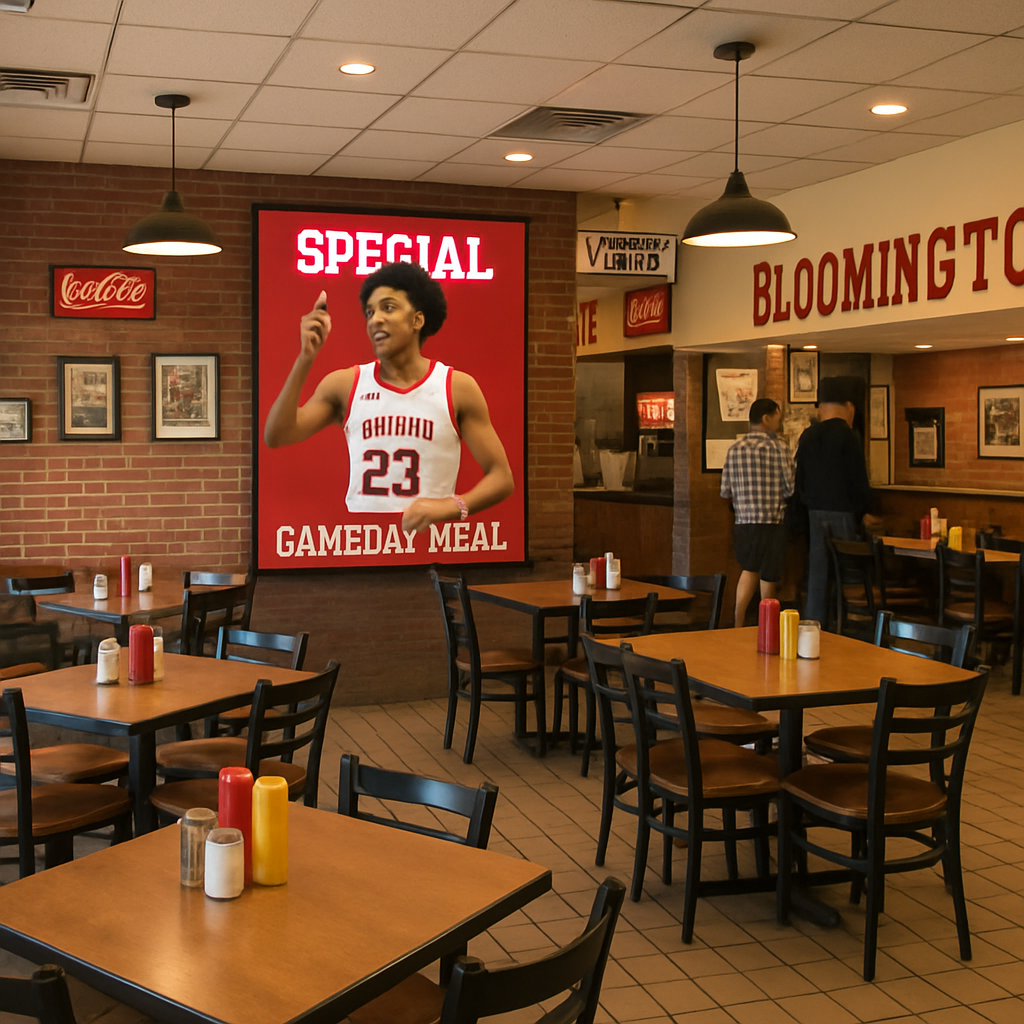
While charity work warms the heart, commercial deals drive the local economy. For decades, a signed photo on the wall of Nick’s English Hut was the maximum interaction an athlete could have with a business, but today, that relationship has evolved into active business partnerships with Indiana University athletes. It is no longer just about nostalgia or decoration; it is about driving actual foot traffic on a Tuesday night using the star power of the players wearing the Cream and Crimson.
Small business owners often view these agreements as a modern upgrade to the traditional newspaper ad or radio spot. Instead of a static image, a local boutique or coffee shop pays a player to post an Instagram story visiting their location. This creates an immediate connection with the student body and alumni base. The value here isn’t in a multi-million dollar contract, but in the “micro-influencer” effect, where a trusted local star recommends a specific pizza topping or study spot to thousands of loyal followers who trust their judgment.
Connecting these parties often happens through a Hoosiers NIL marketplace for local companies, a digital environment where specific budgets meet available talent. A car dealership might negotiate a season-long ambassadorship, while a bookstore might simply want a two-hour autograph session. For the business, the return on investment is tangible: fans show up to meet the point guard, buy a book, and tag the store in their own photos, creating a ripple effect of local advertising that feels organic rather than forced.
The most successful Indiana University NIL deals rely on this authenticity, pairing athletes with brands they actually use. When a lineman promotes a favorite burger joint, fans believe it more than a generic national ad. However, keeping these commercial relationships above board requires strict adherence to regulations. As money changes hands between private businesses and student-athletes, understanding the boundaries of state laws and NCAA eligibility becomes the next critical hurdle for everyone involved.
Staying in the Game: Navigating Indiana State NIL Laws and NCAA Eligibility
While the permission slip has been signed, it does not grant athletes total freedom to partner with just anyone. To ensure a star quarterback or point guard remains on the field rather than the sidelines, everyone involved must navigate a specific mix of Indiana state NIL laws for student athletes and national policies. This is not a free-for-all; it is a regulated environment designed to protect the integrity of the sport while allowing commerce to flourish. If these guardrails are ignored, the consequences can range from voided contracts to a player losing their ability to compete for the Hoosiers.
The most immediate hurdles come from the state legislature, which established clear boundaries on which industries can associate with university talent. Even if a local brewery or casino offers a lucrative contract, NCAA eligibility rules for Indiana Hoosiers and state statutes strictly forbid deals that promote “vice” industries. To keep the university’s reputation—and the athlete’s future—intact, the following categories are universally off-limits for NIL agreements in Indiana:
- Gambling, sports betting, or lottery operations
- Alcohol and tobacco products (including e-cigarettes)
- Adult entertainment venues or websites
- Controlled substances or performance-enhancing drugs
Beyond avoiding forbidden industries, transparency is the currency of compliance. Athletes cannot simply pocket cash and play; they must adhere to strict Indiana University NIL compliance guidelines by disclosing every deal to the athletic department prior to performance. This reporting mechanism acts as a safety net, ensuring that a contract for a car lease or an autograph signing doesn’t inadvertently violate a rule that could cost the team a win. Because these legal waters are difficult for an 18-year-old to navigate alone, the university has had to step in with more than just a rulebook to help them manage their new status.
The IU Advantage: Inside the ‘O’Bannon to Altius’ Educational Program
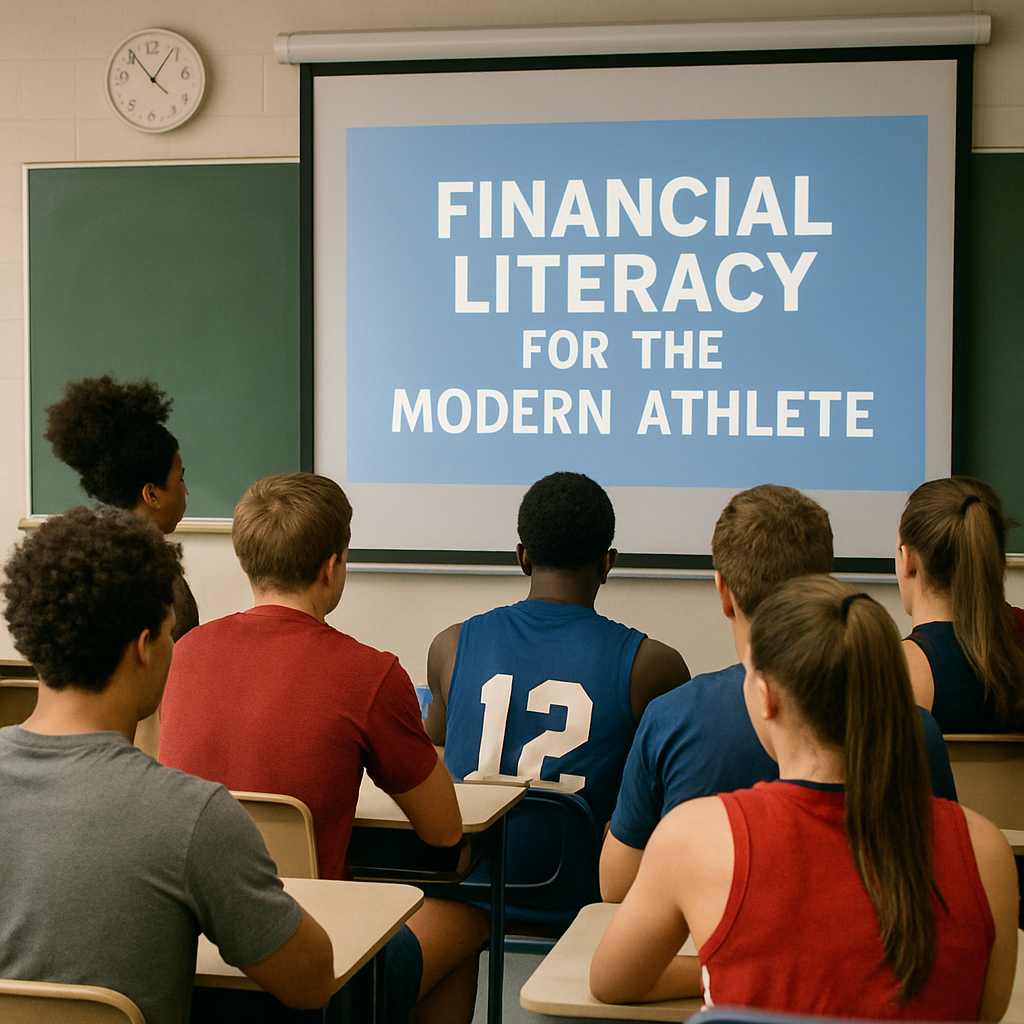
Handing a significant paycheck to a college sophomore without instruction is a recipe for disaster, not success. Recognizing that navigating tax brackets and contract law is vastly different from reading a defense, the university stepped up to ensure players are protected from their own inexperience. The IU athletic department NIL education program was developed to bridge this gap, treating student-athletes less like temporary employees and more like budding entrepreneurs who need a dedicated support team to thrive in a complex marketplace.
To transform raw athletic fame into sustainable income, the university partnered with industry experts like Altius Sports Partners to build a curriculum that functions much like a specialized business school within the locker room. This training goes beyond basic compliance; it focuses on maximizing student athlete NIL value at IU by teaching players how to build a personal brand that resonates with local Bloomington businesses and national audiences alike. Students learn that their social media presence is their portfolio, turning a post on Instagram from a casual update into a calculated business decision that attracts potential sponsors.
Beyond the immediate financial gains, this educational approach provides life skills that outlast a playing career. Lessons in financial literacy, such as setting aside money for taxes and understanding compound interest, ensure that Hoosiers leave campus with more than just game film. This commitment to professional development does more than just help current players manage their bank accounts; it sends a powerful message to high school prospects that Indiana is the premier destination for athletes who want to win both on the court and in the boardroom.
Winning the Portal: How NIL Strategy Impacts Basketball and Football Recruiting
For decades, a coach’s pitch to a five-star prospect focused strictly on playing time, state-of-the-art locker rooms, and the pathway to the pros. While those factors still matter, the impact of NIL on Indiana basketball recruiting has introduced a critical new variable to the conversation: market value. Top-tier high school talent now evaluates programs based on their ability to facilitate brand partnerships just as heavily as they weigh offensive schemes or coaching pedigrees.
This financial reality becomes even more pronounced when dealing with the “transfer portal,” a digital database that functions effectively as college sports’ free agency market. Experienced players enter the portal looking for a fresh start, and they often prioritize schools with robust, organized NIL infrastructures. When a proven starter considers moving to Bloomington, they aren’t just looking at the depth chart; they are looking for the stability offered by established groups like Hoosiers Connect to ensure their earning potential matches their on-field production.
Navigating this landscape is essential for survival in a conference as fierce as the Big Ten. Comparing Big Ten NIL collectives reveals that the difference between a middle-of-the-pack finish and a championship run often correlates with the resources available to retain talent. In the Indiana University football NIL landscape, maintaining a competitive collective prevents rival programs from poaching top players, leveling the playing field against traditional powerhouses that have historically dominated recruiting rankings simply through brand recognition.
Ultimately, a well-funded NIL strategy transforms the Hoosiers from passive participants into aggressive contenders capable of landing—and keeping—game-changing athletes. However, as these young stars begin earning professional-level paychecks, they immediately encounter a professional-level adversary that cares nothing for touchdowns or three-pointers: the IRS.
The Tax Man Cometh: Essential Financial Realities for Student-Athlete Earners
The excitement of a five-figure endorsement deal often distracts from a sobering reality: unlike tuition scholarships, which are generally tax-exempt, NIL payments count as fully taxable income. Because the university isn’t paying the athletes directly, these players are classified as independent contractors rather than employees. Consequently, no taxes are withheld from their checks automatically, leaving many young earners surprised when the IRS expects a significant cut of their earnings come April.
Understanding the tax implications for Indiana NIL earners requires grasping the mechanics of “1099 status.” Just like a freelance graphic designer or a local consultant, an athlete receiving payments from a collective or a car dealership will receive a Form 1099-NEC at the end of the year. This shift forces 19-year-olds to develop financial literacy rapidly, as spending 100% of a check immediately can lead to debt when tax season arrives.
To navigate this financial minefield, local financial advisors generally recommend a simple three-step defense for student-athletes:
- The 30% Rule: Immediately set aside one-third of every payment into a separate savings account strictly for tax bills.
- Expense Tracking: Keep detailed receipts for training gear, travel, or agent fees, which may be deductible against NIL income.
- Quarterly Awareness: High earners often need to make “estimated payments” to the IRS four times a year rather than waiting until the annual deadline.
The Fan’s Playbook: Specific Ways to Support Indiana Athletes Directly
Many fans believe that NIL participation is reserved exclusively for wealthy donors writing six-figure checks, but the current landscape has actually evolved to welcome the everyday supporter through a subscription model. Organizations like Hoosiers Connect now operate similarly to popular streaming services, allowing fans to commit smaller monthly amounts that pool together to fund opportunities for football and basketball players. These donor contributions to Indiana NIL funds create a “strength in numbers” effect, ensuring that consistent support from the average alum contributes just as meaningfully to the program’s retention efforts as the large one-time gifts from major boosters.
Wearing your support on your sleeve—quite literally—has also become a direct financial pipeline for your favorite players. When you purchase official gear through specific university-approved portals, a portion of the proceeds now goes directly to the athlete whose name is on the back, a major shift from the era when schools kept all merchandising revenue. Learning how to support IU athletes through NIL can be as simple as buying a jersey or an autographed basketball, turning a standard game-day purchase into a verified transaction that puts money in a student’s pocket without requiring a complex contract.
For those who own small businesses or simply have a smartphone, the barrier to entry is even lower. The emerging Hoosiers NIL marketplace for local companies allows even modest “mom and pop” shops to hire athletes for quick social media shout-outs or autograph signings without needing a legal team. Even without spending a dime, fans increase an athlete’s market value simply by engaging with their social media posts, as high engagement rates make players more attractive to national brands, setting the stage for the next major evolution in college sports: the impending move toward revenue sharing.
What’s Next for the Cream and Crimson? The Move Toward Revenue Sharing
Watching a game at Assembly Hall feels different when you understand the mechanics behind the roster. You now recognize that Indiana University NIL deals are less about “buying” recruits and more about providing a fair platform for athletes to build their own brands while engaging with the community. Instead of viewing these financial shifts with skepticism, you can see them as a necessary evolution that empowers players to benefit from the immense value they bring to Bloomington.
The landscape is already preparing for its next major leap. As the collegiate sports model faces pressure to adopt a “Pro-Model” structure, we are inching closer to an era where athletes may share directly in the revenue they generate, much like professionals in the NBA. While the specific terminology around Indiana University NIL deals will likely evolve, the core principle of fair compensation is here to stay. IU’s proactive approach with its major collectives suggests the athletic department is actively building the infrastructure to handle these future shifts seamlessly.
This new era invites you to be more than just a spectator in the stands. Whether you choose to support a local business involved in college athlete sponsorship or simply follow the charitable work of Hoosiers For Good, your engagement helps stabilize the program. The game has changed, but the goal remains the same; by adapting to these modern rules, the Hoosier community ensures its traditions continue to thrive on the national stage.
Learn More About the NIL Landscape
Name, Image, and Likeness plays an increasing role in college sports, and understanding how it works often requires more than individual articles or news updates.
RallyFuel is a platform focused on NIL-related topics across college athletics. It brings together information about athletes, NIL activity, and the broader structure behind modern college sports, helping readers explore the topic in more depth.
👉 Explore the Athletes on RallyFuel – Discover top college athletes, compare NIL valuations, and dive deeper into the world of NIL.
Frequently Asked Questions
Question: Are IU athletes employees of the university now?
Short answer: No. IU does not pay athlete salaries, and student-athletes are treated as independent contractors when they do NIL work. They can monetize their own name, image, and likeness (their personal identity), but IU still owns its trademarks and logos. Unless a separate licensing deal is secured, athletes typically appear in generic crimson-and-cream gear rather than official IU-branded uniforms.
Question: How do collectives like Hoosiers Connect affect recruiting and retention?
Short answer: Strong collectives signal to recruits and transfer-portal targets that a community can organize compliant, paid opportunities for them. While donors aren’t “buying wins,” there’s a clear correlation between robust NIL infrastructure and competitive success. In the Big Ten context, organized collectives help IU attract and keep top talent by ensuring athletes can convert their on-field profile into legitimate brand partnerships.
Question: What does charitable NIL through Hoosiers For Good actually look like?
Short answer: Hoosiers For Good is a 501(c)(3) that compensates athletes to promote and support local nonprofits. Athletes perform real, contracted work—such as appearances, reading to children, fundraising support, or social media awareness campaigns—and donors often receive tax-deductible benefits. The result is a win-win: student-athletes earn income while Bloomington charities gain a high-visibility ambassador.
Question: I run a small business (or I’m a fan). How can I get involved without a huge budget?
Short answer: Local businesses can use the Hoosiers NIL marketplace to book athletes for affordable activations—think social media posts, short appearances, or autograph sessions—with strong “micro-influencer” ROI. Fans can join membership programs through Hoosiers Connect, buy officially licensed merchandise that shares revenue with athletes, and even boost athletes’ market value by engaging with their social posts.
Question: What’s next—how does NIL relate to potential revenue sharing?
Short answer: NIL is today’s system for athletes to earn from their personal brands, and pressure is building toward a future where athletes may share in school or conference revenues more directly. While the exact structure is evolving, IU’s proactive NIL infrastructure—education, compliance support, and well-organized collectives—positions the program to adapt smoothly if revenue sharing becomes reality.


Leave a Comment