
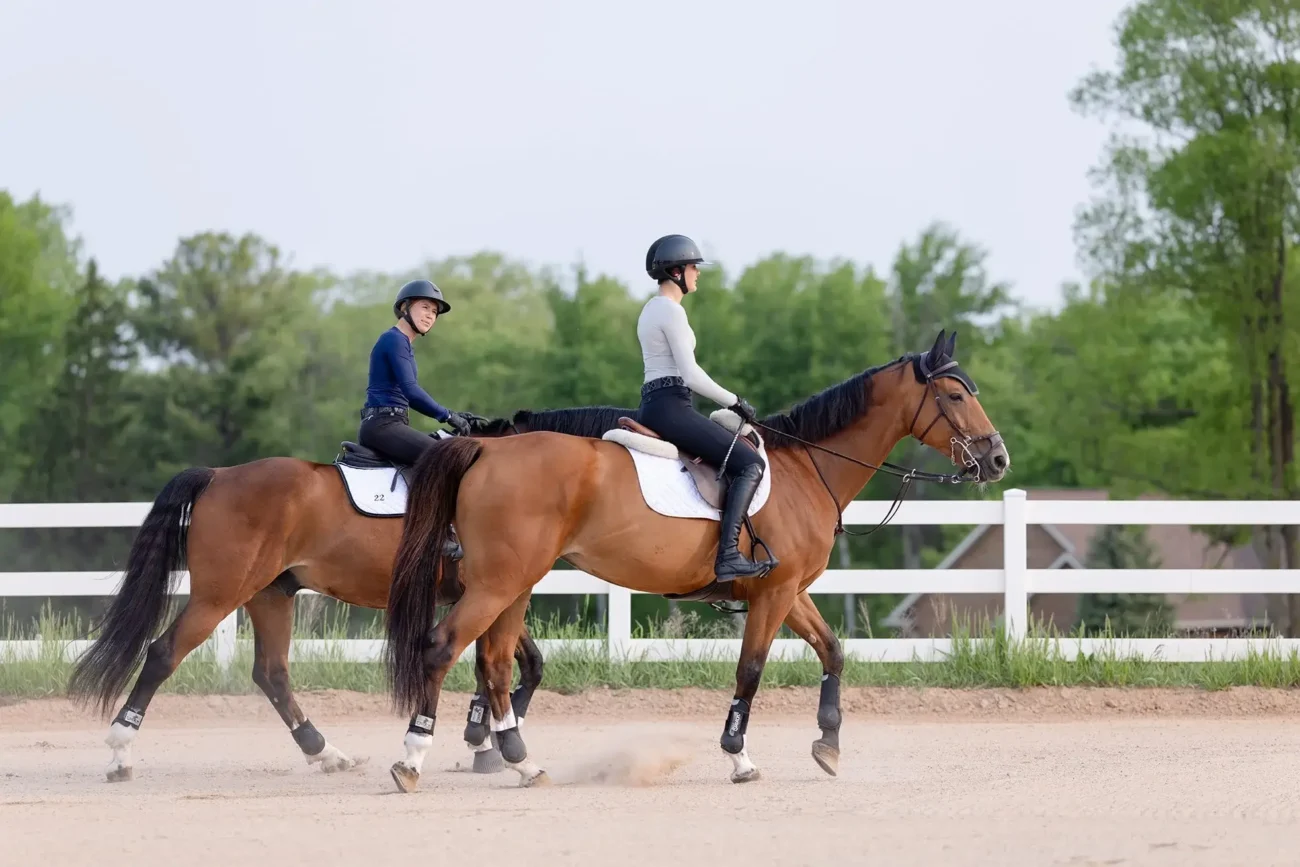
Most people picture a star quarterback starring in a national sports drink commercial when they hear about modern college sports sponsorships. Yet, on dirt arenas across the country, a very different kind of student-athlete is capitalizing on their digital influence. NCAA equestrian NIL deals are looking less like massive car dealership billboards and more like highly targeted luxury lifestyle partnerships. For riders at schools like Auburn or SMU, this new era of sponsorship is fundamentally changing the financial reality of a highly specialized sport.
This legal shift relies on a clear NIL definition. Standing for Name, Image, and Likeness, this policy simply means student-athletes now possess the right to trade their popularity for compensation, operating much like professional influencers. In practical terms, this expansion of NCAA athlete compensation is anchored by straightforward NIL agreements that outline how riders can collaborate with brands while protecting their eligibility. Prior to these rule changes, accepting a free pair of riding boots or a small check for an Instagram post would immediately cost a rider their hard-earned scholarship. Today, these same competitors have seamlessly transitioned from strict amateur status into savvy student-entrepreneurs managing their own digital storefronts.
You might assume that anyone competing in horse sports is already independently wealthy, but that widespread stereotype hides a much more complex financial reality. Riding is a notoriously resource-intensive athletic pursuit, requiring custom helmets, specialized tall boots, and expensive tailored apparel long before a student ever reaches the university level. Industry data reveals that outfitting a single competitor in the National Collegiate Equestrian Association (NCEA) can easily cost thousands of dollars out of pocket. Fortunately, modern collegiate athlete earnings are stepping in to bridge that gap, allowing riders to offset those staggering personal expenses by partnering with niche equestrian and lifestyle brands.
In practice, this creates a unique ecosystem where an athlete’s specialized social media following becomes a highly valuable asset to targeted companies. Imagine a top-ranked rider with a dedicated audience of 15,000 followers; a boutique saddle pad manufacturer will gladly pay for a sponsored post because those specific followers possess high purchasing power. By transforming everyday equipment requirements into lucrative endorsement opportunities, these equestrians are proving that you don’t need a prime-time television slot to build a profitable athletic brand.
Why the ‘Catch-Ride’ System Makes College Riders Perfect for Sponsorship
Before college, competitive riding often resembles a race to afford the best horse, much like a racing team buying the fastest car. However, collegiate leagues flip this dynamic completely through the catch-ride format. Instead of bringing their own expensive mounts, athletes draw a random horse’s name just moments before competing. They get barely four minutes of warm-up time to figure out the animal’s quirks before heading into the arena.
This blind-date approach fundamentally changes how points are awarded, utilizing a specialized judging style known as NCAA equitation. Rather than scoring how high the horse jumps, judges evaluate the rider’s posture, problem-solving, and control. Three major differences from private competitions illustrate this shift:
- The Mount: Riders compete on unfamiliar host-school horses, not animals they’ve trained with for years.
- The Score: Points reflect the rider’s precision and technique, not the horse’s natural athletic ability.
- The Advantage: Personal wealth cannot buy a competitive edge; pure adaptability determines the winner.
For companies sponsoring college athletes, this leveled playing field is a marketing goldmine. Because the format removes the horse’s price tag from the equation, the spotlight shines entirely on the athlete skill-set. Brands realize that a rider who can flawlessly navigate an unknown 1,200-pound animal possesses undeniable talent and grit—traits that resonate deeply with social media followers who value authenticity over deep pockets.
Ultimately, stripping away the financial advantages of private competition turns these competitors into highly marketable individuals. They aren’t just lucky participants sitting on expensive animals; they are elite athletes proving their personal excellence under intense pressure. That undeniable distinction is exactly what modern sponsors want to capture. From helmets to high-end skincare: who is signing these athletes?
From Helmets to High-End Skincare: Who is Signing These Athletes?
When we picture athletic endorsements, we usually imagine a quarterback holding a sports drink, but collegiate riders are landing remarkably different deals. Companies partnering with these athletes generally fall into two categories: “In-Barn” and “Out-of-Barn” sponsors. This split highlights the unique position equestrians hold. They aren’t just athletes executing a technical sport; they represent an aspirational lifestyle appealing to a wide variety of businesses.
Manufacturers of specialized competition gear make up the “In-Barn” category. These saddle makers and boot crafters know that a top NCAA athlete using their product provides ultimate credibility. Fulfilling horse equipment brand ambassador requirements usually involves athletes posting training videos featuring the gear. Often, these deals begin with an apparel sponsorship vs cash compensation, where riders receive thousands of dollars in high-end safety clothing rather than a paycheck, effectively offsetting massive personal sporting costs.
Looking beyond the stable doors, “Out-of-Barn” sponsorships reveal the hidden financial power of the equestrian audience. Companies selling luxury skincare, athletic wear, and premium vehicles understand that fans following these riders possess significant purchasing power. Because riding is resource-intensive, the followers tuning in are highly attractive to equestrian lifestyle brands. A boutique sunscreen company, for example, knows exactly who they reach when paying a rider to showcase their SPF product during a sunny tournament.
Bridging these two distinct markets gives college riders a wonderfully diverse portfolio of endorsement opportunities. While a basketball player might strictly partner with sneaker giants, an equestrian can seamlessly promote specialized leather boots on Tuesday and a luxury face serum on Wednesday. This dual-appeal perfectly positions these athletes to capitalize on their highly engaged audiences, setting the stage to explore exactly how they leverage this dynamic through the power of the equestrian micro-influencer.
The Power of the Equestrian Micro-Influencer
While it is easy to assume that only athletes with millions of followers can land paying endorsements, the modern internet has changed the rules. A collegiate rider with 5,000 highly dedicated fans is often more valuable to a specialized company than a mainstream celebrity with 500,000 casual followers. This targeted approach forms the foundation of a successful equestrian micro-influencer marketing strategy, proving that niche audience trust beats broad visibility every time.
When companies evaluate a rider’s profile, they aren’t just looking at sheer follower counts. Building an equestrian social media presence that actually attracts sponsors requires specific traits that guarantee a strong return on their financial investment. Before signing a contract, brands typically look for four key metrics:
- Engagement: How frequently fans comment, share, and interact, driving up overall engagement rates.
- Niche focus: A clear, consistent connection to the specialized equestrian lifestyle.
- Authenticity: Genuine passion for the products they use daily, rather than sounding like a walking billboard.
- Reliability: Consistent posting habits and a trustworthy public image.
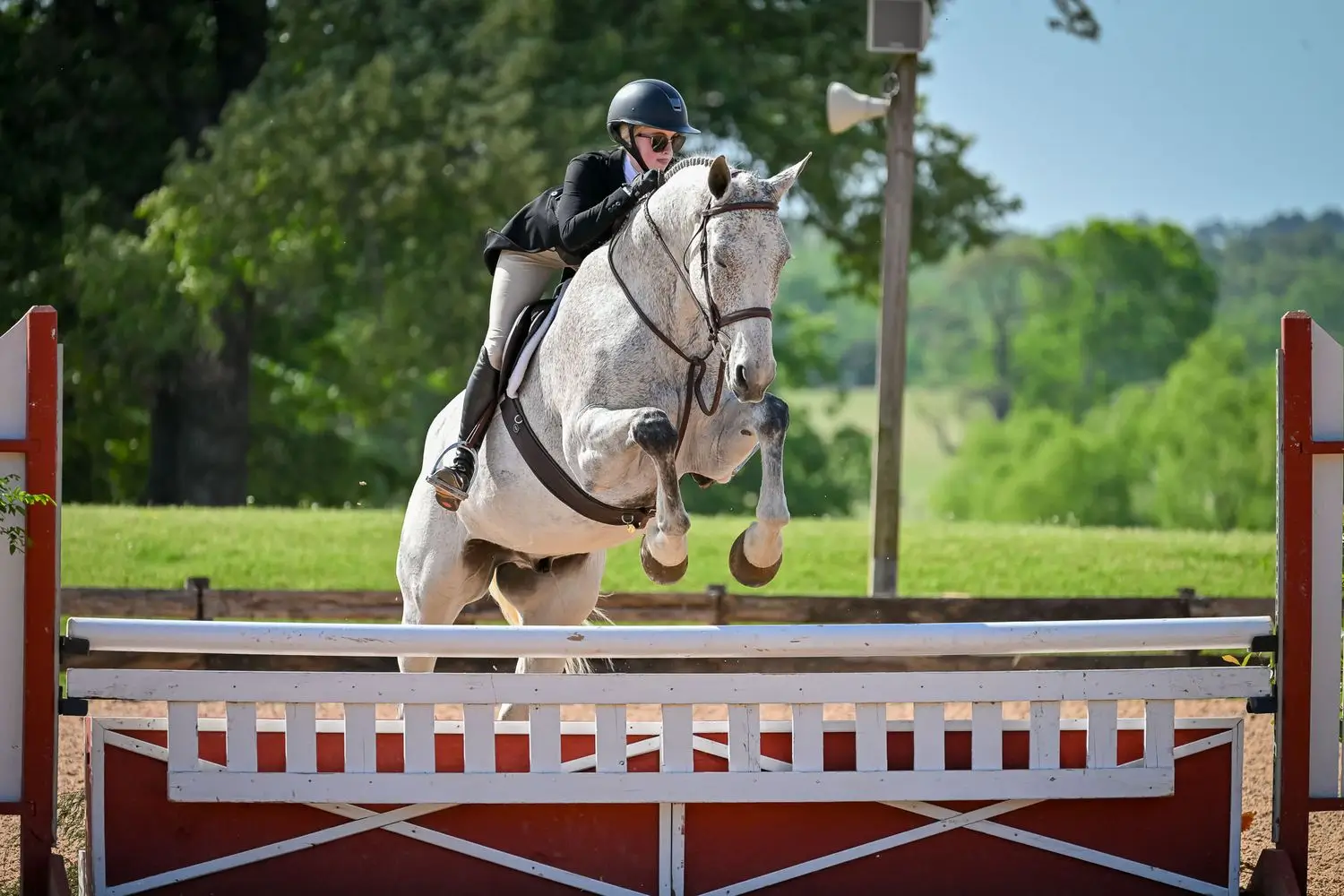 Because this tight-knit community trusts the athlete’s expertise implicitly, a simple post recommending a specific riding boot or sunscreen can instantly drive targeted sales. This dedicated following transforms everyday collegiate riders into powerful marketing partners for businesses of all sizes. However, capitalizing on these lucrative brand deals requires careful rule-following to keep a student’s scholarship safe, which brings us to the essential challenges of navigating NCEA eligibility and disclosure.
Keeping the Ribbon: Navigating NCEA Eligibility and Disclosure
Securing a profitable brand deal feels like a massive victory, but that excitement quickly fades if an athlete violates the rules. For college riders, maintaining NCAA eligibility is the ultimate priority because losing a scholarship costs far more than one sponsored post pays. To protect everyone, universities utilize a compliance office—a dedicated team ensuring every endorsement seamlessly matches current regulations before a contract is signed.
How these rules apply depends heavily on which collegiate league a rider competes in. Under strict NCEA student-athlete compliance regulations, athletes represent varsity programs and must completely separate personal sponsorships from university trademarks, meaning no school logos in personal ads. Conversely, the Intercollegiate Horse Shows Association (IHSA) operates primarily as a club-level organization. While IHSA riders can still sign deals, their specific school club policies dictate entirely different branding boundaries than their varsity competitors face.
Regardless of the league, transparency remains the golden rule. Athletic departments uniformly enforce strict student-athlete disclosure requirements, typically demanding that sponsorships be reported immediately. A standard step-by-step disclosure checklist usually involves:
- Drafting the agreement: Securing a written offer from the brand.
- The 24-hour disclosure rule: Uploading the contract to the university’s compliance portal within one day of signing.
- Compliance review: Waiting for official school clearance to ensure no competitive conflicts exist.
- Execution: Finally posting the sponsored content online.
Once the administrative hurdles are cleared, the focus shifts directly back to the business side of the partnership. Riders must look closely at what they are actually receiving in exchange for giving a company access to their trusted audience. Evaluating the fine print is crucial when deciding if a contract makes sense, leading athletes to carefully weigh apparel vs. cash: evaluating the true value of an endorsement.
Apparel vs. Cash: Evaluating the True Value of an Endorsement
When fans imagine college athletes cashing in on sponsorships, they picture direct deposits and fat checks. However, the reality for many riders leans heavily toward product-in-kind agreements, where compensation comes as tangible gear rather than money. Just as a basketball player might receive free sneakers to wear around campus, an equestrian might partner with a niche company for high-end helmets or specialized riding boots. In the debate of apparel sponsorship vs cash compensation, these gear-only deals can be incredibly valuable in a resource-intensive sport, instantly offsetting the massive personal expenses required to compete.
Unboxing a complimentary $400 riding jacket might seem like an effortless win, but athletes must carefully weigh the hidden opportunity cost. Fulfilling strict brand ambassador requirements usually means dedicating hours to staging photoshoots, filming videos, and drafting captions between classes and practice. If a rider spends five hours creating content for a saddle pad they didn’t really need, the time-to-reward ratio plummets, turning that “free” item into a burdensome chore rather than a true benefit.
Knowing when to walk away from a bad deal is a critical skill. Thoroughly evaluating equestrian NIL contract terms allows a student-athlete to confidently say “no” to an offer that demands too much effort for too little return. Ultimately, scoring the partnerships that actually pay—whether in useful gear or direct cash—requires a dedicated audience that sponsors want to reach, which naturally leads into the strategy of building a ‘barn-ready’ personal brand on Instagram.
Building a ‘Barn-Ready’ Personal Brand on Instagram
Anyone looking to turn a roster spot into a revenue stream needs a dedicated following. While it is tempting to only upload flawless, heavily edited riding videos, modern equestrian sports marketing relies heavily on authenticity rather than perfection. Cultivating a successful student-athlete personal brand means showcasing the gritty, behind-the-scenes reality of early morning workouts and the heavy lifting required long before stepping into the competition ring.
A structured approach to posting is where “content pillars” come in—these are simply three or four core themes an athlete consistently shares to balance their team identity with their individual personality. Instead of confusing casual fans with technical riding jargon, successful athletes broaden their reach by highlighting universally relatable college experiences, seamlessly bridging the gap between a niche sport and everyday campus life.
When building an equestrian social media presence that actually attracts lifestyle and athletic sponsors, riders should rotate through these five engaging formats:
- A 60-second “day in the life” vlog covering classes and practice.
- Honest, relatable reviews of everyday riding gear.
- “Get ready with me” routines before heading to the barn.
- Introductions to the unfamiliar horses they are assigned at meets.
- Quick time-management tips for busy college athletes.
Engaging content inevitably brings eager brands straight to a rider’s direct messages. However, before rushing to accept a free pair of boots or a paid post, athletes must know how to protect their eligibility and their time by identifying the red flags in equestrian NIL contracts.
The Red Flags in Equestrian NIL Contracts
Seeing a sponsorship offer pop into a direct message is a thrilling milestone, but the fine print can quickly turn a dream deal into a nightmare. Because these agreements are legally binding, signing without evaluating equestrian NIL contract terms can lock a rider out of future opportunities. A free saddle pad today could cost thousands of dollars tomorrow if an athlete falls for common NIL legal traps.
Before digitally signing any agreement, riders must scan the document for three specific hazards:
- “In Perpetuity” Clauses: This legal phrase simply means “forever.” If a brand buys a rider’s image rights in perpetuity, they can continue using that athlete’s face on advertisements long after graduation without ever paying them again.
- Broad Exclusivity: Agreeing to exclusively promote one specific helmet brand makes sense, but athletes must ensure the wording doesn’t accidentally block them from endorsing completely unrelated products, like riding boots or casual athletic wear.
- Missing Term Length: Every contract needs a clear expiration date. Without a defined “term” marking exactly when the agreement finishes, athletes lose the power to renegotiate better pay as their social media audience grows.
Securing professional guidance is the safest way to ensure riders protect their future professional rights. Many top athletes now utilize equestrian sports marketing agency services to review paperwork and keep their options open. However, individual brand deals are not the only way modern riders earn compensation; university fan groups are increasingly pooling their money to fund athletes directly, leading many to wonder what equestrian collectives actually look like in practice.
What Equestrian Collectives Actually Look Like
While individual sponsorships grab headlines, the most reliable income for college athletes often comes from NIL collectives. These independent organizations pool booster funding to pay athletes directly. Unlike a retail brand paying a rider to promote a specific helmet, a collective is essentially a group of passionate alumni financially supporting a university’s roster. Though originally designed for massive football programs, these fan-driven organizations are now making a serious impact in equestrian sports.
Operating these fan-led groups looks quite different from standard collegiate rider endorsements on social media. Instead of pushing products, riders receive a set collective stipend in exchange for community appearances. An entire equestrian squad might be contracted to attend local charity events, sign autographs, or host youth riding clinics. This creates a predictable income stream benefiting the whole roster rather than just a few stars with massive followings, which dramatically lifts team morale.
Navigating this landscape is changing how coaches build teams, even though strict recruiting rules for equestrian NIL collectives prohibit using cash as a direct enrollment bribe for high schoolers. Once athletes officially arrive on campus, however, the baseline income these organizations provide becomes a major lifestyle perk. Yet, whether this compensation comes from loyal alumni or local brands, it introduces a completely new hurdle: preparing for the tax realities for the student-athlete entrepreneur.
Tax Realities for the Student-Athlete Entrepreneur
When a rider signs a sponsorship deal, they aren’t hired as a traditional employee. The IRS views them as an independent contractor running a small business, meaning taxes aren’t automatically withheld from their paychecks. Come spring, riders earning over $600 from a brand receive a specific document called a 1099 for student-athletes (the 1099-NEC form), making them entirely responsible for paying their own taxes.
Scoring complimentary riding boots or custom saddles feels like a major win, but these perks drastically change the tax implications for collegiate athlete earnings. The government taxes the retail value of gifted gear exactly like cash. To avoid a massive surprise bill in April, riders must carefully track three things:
- Cash Earnings: Every dollar paid directly by sponsors or collectives.
- Gear Value: The retail price tag of products received for promotion.
- Business Costs: Money spent specifically to fulfill endorsement duties.
Fortunately, organized receipts allow these athletes to deduct legitimate equestrian business expenses—like travel to promotional events or camera equipment—shrinking their taxable income. Mastering these financial realities demonstrates a rider’s maturity, which is quickly becoming a major factor in how NIL is shifting college recruiting.
How NIL is Shifting College Recruiting
Navigating taxes proves that today’s athletes are running small businesses, which fundamentally changes how they choose a college. Previously, high school riders picked universities purely for coaching or pristine facilities. Now, collegiate horse sports recruiting heavily weighs a school’s market size. A university located in a massive media market or thriving equestrian hub gives athletes a larger built-in fan base, instantly making them more attractive to regional sponsors looking for local influencers.
Beyond geographic location, internal university infrastructure has become a massive recruiting incentive. Top prospects actively evaluate if athletic departments provide legal guidance, brand management education, or high-quality photos for their social media feeds. They also carefully navigate the recruiting rules for equestrian NIL collectives—groups of fans and alumni pooling money to fund athlete endorsements. A program with an organized donor base ready to help facilitate deals often wins the commitment of highly sought-after riders.
Ultimately, this campus-level support removes the heavy lifting of finding equestrian-specific brand partnerships entirely on their own. When a university openly backs a rider’s entrepreneurial goals, it makes balancing classes, competitive precision riding, and a lucrative side hustle totally possible. Evaluating these varying levels of school support helps prospective athletes plan their roadmap to collegiate sponsorship.
Your Roadmap to Collegiate Sponsorship
Imagine you are a top-ranked collegiate rider with a loyal following. Under the old rules, cashing in on your popularity meant losing your scholarship, but today, you hold the reins to your own business. Recognizing the impact of ncaa equestrian nil deals transforms how we view these athletes—they are no longer just competitors in a resource-intensive sport, but professional brand managers turning their daily influence into real equity.
To secure these lucrative equestrian sponsorship opportunities, modern riders follow a concrete, four-step “NIL Launch” checklist:
- Audit Your Brand: Identify what makes your personal story unique to your followers.
- Study the Market: Review examples of successful collegiate rider endorsements for inspiration.
- Ensure Compliance: Clear every potential contract with the university’s athletic department.
- Pitch and Partner: Connect with lifestyle and niche brands that authentically align with your audience.
This new era allows athletes to pursue long-term brand building alongside their academic and competitive goals. By effectively balancing NCAA compliance, personal branding, and contract negotiation, modern equestrians create tangible opportunities for themselves. The next time you see a rider post about their favorite boots, you’ll know they aren’t just an athlete—they are a savvy business owner shaping the future of their sport.
Learn More About the NIL Landscape
Name, Image, and Likeness plays an increasing role in college sports, and understanding how it works often requires more than individual articles or news updates.
RallyFuel is a platform focused on NIL-related topics across college athletics. It brings together information about athletes, NIL activity, and the broader structure behind modern college sports, helping readers explore the topic in more depth.
Q&A
Question: Why does the college “catch-ride” system make equestrians so attractive to sponsors?
Short answer: Because riders compete on unfamiliar horses with almost no warm-up, outcomes hinge on the athlete’s skill—not the horse’s price tag. NCAA equitation judges posture, problem-solving, and control, leveling the playing field by removing wealth-based advantages from competition. That spotlight on adaptability and grit reads as authentic to social audiences and gives brands a credible story to tell: the rider’s excellence is the differentiator. For marketers, this purity of performance plus a niche, high-purchasing-power audience is a compelling formula.
Question: Who is signing NCAA equestrian athletes, and how do “In-Barn” vs “Out-of-Barn” deals differ?
Short answer: Riders land two broad categories of partnerships:
- In-Barn: Specialized gear makers (helmets, boots, saddles, apparel) that seek sport-specific credibility. These often start as product-in-kind agreements—thousands in safety gear instead of cash—paired with content deliverables like training clips or competition posts.
- Out-of-Barn: Lifestyle and luxury brands (skincare, athleisure, premium vehicles) that value the audience’s spending power and aspirational appeal. A sunscreen company, for example, might pay for tournament-day content to reach exactly the right consumers.
This dual market lets riders credibly promote a saddle pad on Tuesday and a luxury serum on Wednesday—broadening earning potential.
Question: Do riders need huge followings to get paid, and what metrics do brands actually care about?
Short answer: No—equestrian micro-influencers win on trust and targeting. A rider with 5,000–15,000 dedicated fans can outperform a bigger, general audience for niche brands. Sponsors prioritize:
- Engagement: Comments, shares, and genuine back-and-forth.
- Niche focus: Consistent equestrian lifestyle content.
- Authenticity: Real use of products vs. generic ads.
- Reliability: Steady posting and a clean public image.
Because the community trusts athletes’ expertise, a single gear recommendation can convert quickly and efficiently.
Question: How do riders keep their eligibility while doing NIL deals, and what differs between NCEA and IHSA?
Short answer: Compliance comes first. Universities route deals through a compliance office to ensure rules are met before anything goes live.
- League differences: NCEA (varsity) athletes must keep personal sponsorships separate from university IP—no school logos in ads. IHSA (often club-level) riders can sign deals too, but each school’s club policies govern branding boundaries.
- Typical disclosure flow:
- Draft the agreement.
- Disclose within 24 hours via the school portal.
- Wait for compliance review/clearance.
- Execute the campaign.
Following this sequence protects scholarships and eligibility.
Question: What business details should riders scrutinize—apparel vs. cash, contract traps, and taxes?
Short answer:
- Apparel vs. cash: Product-only deals can be valuable in a gear-heavy sport, but weigh the time-to-reward. If five hours of content yields a saddle pad you don’t need, the ROI is poor. Prioritize offers that offset real costs or pay appropriately.
- Contract red flags:
- “In perpetuity” usage (forever rights to your image).
- Overbroad exclusivity that blocks unrelated categories.
- Missing term length, which prevents renegotiation as you grow.
Seek professional review (e.g., an agency) when possible.
- Taxes: You’re an independent contractor. Earn over $600 from a brand and you’ll receive a 1099-NEC. The IRS taxes the retail value of gifted gear like cash. Track three buckets—cash earnings, gear value, and business costs (e.g., travel, camera equipment)—so you can deduct legitimate expenses and avoid April surprises.

Leave a Comment