
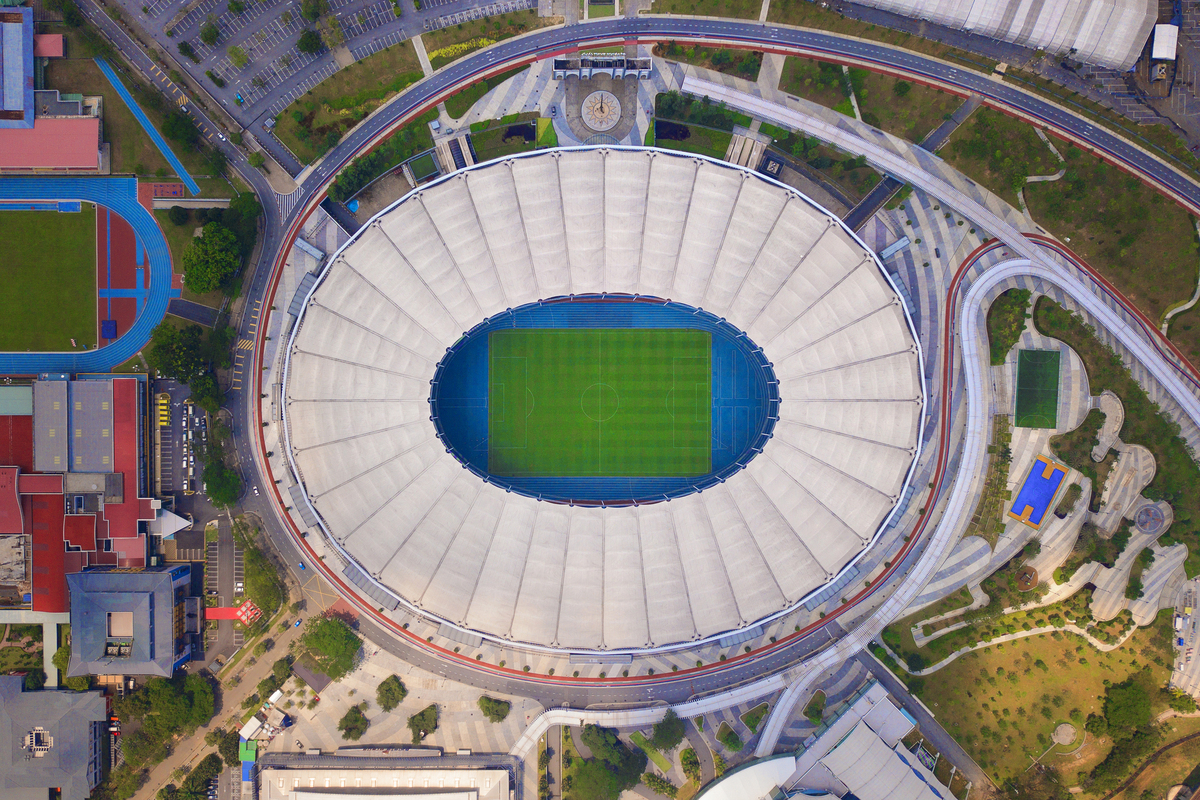
We explain how NIL empowers athletes to build brands around performance, authenticity, and community—not only around big media contracts.
Olympic Sports
In this era, athletes in many disciplines gain repeated touchpoints with fans and sponsors across seasons and the four‑year cycle. The IOC defines the structure as sport > discipline > event, which helps you place your discipline in the broader program and understand quota limits for the summer olympics.
That structure matters because program ceilings—athlete counts and event numbers—shape visibility. Understanding those caps helps you craft compliant, year‑round storytelling that boosts discoverability for women and men in less‑televised arenas.
Our focus is educational and compliance‑first. We map official terminology, IF calendars, and qualification systems so you can pursue brand partnerships that align with eligibility rules. Next, we outline the current cycle, key numbers, and the disciplines poised to thrive under NIL.
What the NIL Era Means for Olympic Sports Today
Olympic sport
We view NIL as a system that rewards steady storytelling. College competitors in non-revenue programs turn recurring meets into reliable content that builds trust with fans and partners.
NIL mechanics let athletes highlight progress, recovery, and qualification moments tied to IF calendars. This creates predictable touchpoints across the season.
How name, image, and likeness intersects with non-revenue college sports
Student-athletes use frequent competitions and championships to produce sponsor-friendly content without breaching compliance. Campus resources and compliance offices remain essential partners when mapping outreach to the IF calendar.
Why athlete-led branding favors multi-discipline sports and niche events
Disciplines with multiple events create more story beats than a single annual meet. Women and men in smaller-roster teams often gain higher per-athlete visibility, which helps convert niche audiences into loyal followers.
| Calendar Item | Content Beat | Compliance Note |
|---|---|---|
| Qualifiers | Technique clips, prep updates | Check institutional NIL rules |
| Nationals | Competition highlights, reflections | Confirm IF accreditation rules |
| International meets | Qualification milestones, interviews | Align with federation policy |
Inside the Olympic Program: Sports, Disciplines, and Events explained
The IOC defines a clear hierarchy: a sport sits above multiple disciplines, and each discipline contains medal events. This structure shapes calendars, quotas, and how you plan brand messaging.
Disciplines
From sport to event: practical examples
Aquatics is a single sport that includes several disciplines — swimming, diving, artistic swimming, water polo, and open water. Skating splits into figure, speed, and short track.
Athlete and event limits that matter
Summer Games target about 10,500 athletes and roughly 310 events. Winter Games aim near 2,900 athletes and about 100 events. Those numbers control qualification slots and storytelling windows for your season.
Governed by International Federations
All umbrella sports are run by IFs. World Athletics, FIG, UWW, and IWF set rules, ranking systems, and calendars. Those governed international bodies affect when you compete and what content you can responsibly share.
“Clear terminology lets you speak precisely to coaches, agents, and partners.”
| Level | Authority | Example |
|---|---|---|
| Sport | IOC / IF | Aquatics |
| Discipline | IF | Swimming, diving |
| Event | IF / LOC | 100m freestyle, 10m platform |
Olympic Sports
The program mix at summer editions centers on a few high‑visibility anchors that shape media cycles and athlete branding.
At Paris 2024 the program featured 32 sports, including a debut discipline that broadened reach. Traditional pillars—athletics (track and field), aquatics with swimming, and gymnastics—anchor broadcast schedules and qualification pathways.
Summer landscape: marquee and complementary disciplines
Athletics and swimming create multiple events and heats, multiplying fan touchpoints. That structure helps athletes translate performance into consistent content.
Artistic gymnastics and rhythmic gymnastics draw distinct audiences yet share the same fortnight of attention. Team and individual contests—water polo, tennis, and wrestling—offer different NIL rhythms based on match frequency and tournament rounds.
- Many sports rely on continental and world championships between games to keep stories alive.
- Disciplines with rounds and finals—heats to medal events—multiply sponsor‑friendly moments.
- All programs are governed international by IFs, giving calendar stability for planned content and partner deliverables.
Winter snapshot
Winter programs are more concentrated. Figure skating, skiing, biathlon, and curling create intense storytelling windows during the winter games season.
Positioning tip: athletes can compare their discipline to anchors like swimming or track and field to help partners and fans understand performance metrics.
Momentum in the 2024-2028 Cycle: Paris 2024 to LA 2028
From Paris to Los Angeles, program changes have shifted how athletes build season-long narratives.
Paris 2024 delivered a notable first: breakdancing’s debut altered scheduling and venue needs. The program also saw karate excluded after Tokyo 2020, which affected quota and qualification planning for several federations.
LA 2028: new additions and approved returns
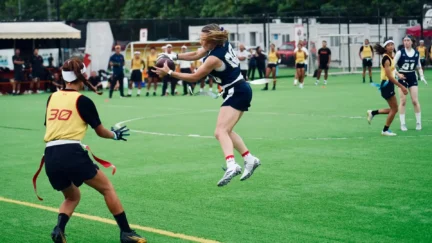
For los angeles, the IOC approved five additions: baseball softball, cricket, flag football, lacrosse, and squash. These choices expand pathways and media interest while creating new NIL touchpoints for athletes and teams.
baseball softball returns with high-profile attention. That return—alongside cricket and lacrosse—creates roster and broadcast opportunities across U.S. colleges and clubs.
Core vs. optional status and long-term effects
Skateboarding, sport climbing, and surfing were named core summer sports from 2028. That shift signals predictable calendar spots and stronger development pipelines for those disciplines.
There are currently no confirmed demonstration sports for LA 2028. The IOC’s preference for stable, audience-ready offerings limits ad hoc events and protects athlete quotas and event ceilings.
“First‑time entries and returns create short-term attention spikes that smart athletes can extend into multi-year brand narratives.”
- Paris 2024 debuts changed schedules and venue use; that influences qualification arcs.
- Los angeles approvals increase college-to-pro pathways and sponsor visibility.
- Added sports do not mean unlimited events—athlete and event caps still apply.
Practical takeaway: align qualification timelines for the 2024 summer and 2028 olympic windows so messaging and partnerships follow compliance and peak interest moments.
Spotlight on Growth Disciplines and Events
A handful of evolving disciplines deliver concise narratives that make athlete skill easy to explain to new fans. We highlight which events create clear content beats and how you can align messaging with calendars and compliance.
Modern pentathlon’s evolution and athlete appeal
Modern pentathlon now emphasizes faster, clearer sequences that read well on video. The multi‑discipline arc is easy to package into short reels that show skill range in one event.
Wrestling pathways in the NIL era
Wrestling splits into two clear routes: freestyle wrestling and greco-roman wrestling. Brackets, repechage, and match pacing create repeatable moments for fans and partners.
We advise mapping national trials and world championships to content calendars so you hit peaks around key events.
Gymnastics: artistic, rhythmic, trampoline
Artistic gymnastics and rhythmic gymnastics attract different viewers. Artistic gymnastics offers measurable scoring and apparatus clips. Rhythmic and trampoline add aesthetic hooks that broaden reach.
Emerging visibility: climbing, skate, surf
Sport climbing, skateboarding, and surfing keep momentum into LA 2028. Clear discipline splits—speed, lead, boulder—help you target niche audiences and sponsorship fits.
Strength & precision niches
Weightlifting, shooting, and table tennis reward repeatable content. Data points—attempts, kilo progressions, shot scores—translate to short, shareable explainers that build trust.
“Align content with world championships, continental qualifiers, and national trials for maximum relevance.”
Equity, Access, and the U.S. Road to LA 2028
As the U.S. road to LA 2028 unfolds, equitable visibility becomes central to athlete branding and outreach. We map historical progress, team dynamics, and host-city effects so you can build compliant, fair narratives that grow audiences.
Women’s participation: from early inclusion to near parity
Women first competed in 1900 and now appear across nearly every discipline. Exceptions remain—Greco-Roman wrestling and Nordic combined—so visibility work must highlight gaps as well as gains.
Women benefit when NIL storytelling prioritizes representation. Balanced coverage helps fans understand selection pathways and elevates profile parity with men.
Team sports vs. individual events
Team formats—indoor volleyball, beach volleyball, and water polo—create shared stages that amplify several athletes at once. Those sports let squads tell collective stories and spread partner exposure.
Individual events like rowing and sailing pair well with behind-the-scenes content: technique, weather, and equipment offer teachable moments for fans and partners.
Host city effect: Los Angeles and the American audience
Los angeles delivers venue familiarity, dense media markets, and strong youth pipelines. That concentration increases local interest in track, tennis, field, and wrestling, making partner education easier.
- Balance coverage between women and men to grow long-term audiences.
- Structure activations around the number of key qualifiers and major events to avoid conflicts with performance.
- Use quick explainers, practice clips, and short episodic series to connect domestic fans with athlete journeys.
“Equitable, compliant storytelling builds trust between athletes, campuses, and fans.”
Conclusion
A clear, season-long content plan turns each competition into a building block for brand growth. Map the annual number of qualifiers, nationals, and international meets so you can tell a steady, credible story that appeals to partners and fans.
Remember the program limits: the summer olympics and winter olympics run within athlete and events ceilings, and the IOC stopped regular demonstration sports after the early 1990s. LA 2028 adds new entries and returns like baseball softball, which shift audience attention and create fresh discovery moments.
Be precise and compliant. Use correct program terminology, close each competition with an educational recap, and convert seasonal opportunities into long-term community value—this is how many sports sustain partnerships beyond a single medal.
Learn More About the NIL Landscape
Name, Image, and Likeness plays an increasing role in college sports, and understanding how it works often requires more than individual articles or news updates.
RallyFuel is a platform focused on NIL-related topics across college athletics. It brings together information about athletes, NIL activity, and the broader structure behind modern college sports, helping readers explore the topic in more depth.
FAQ
Why do Olympic sports thrive in the NIL era?
Name, image, and likeness deals allow collegiate athletes to monetize their personal brands. This income stream benefits athletes in multi-discipline and niche events, as they can target specific fan segments and sponsors. We are seeing stronger athlete-driven content, more personalized fan engagement, and new revenue opportunities beyond traditional federation channels.
What does the NIL era mean for non-revenue college sports?
NIL creates new financial pathways for athletes in rowing, wrestling, gymnastics, and similar programs. Those athletes can partner with local brands, coaches, and training services. This reduces reliance on scholarship limits and increases retention, recruitment, and media visibility for disciplines that previously received little commercial attention.
How does athlete-led branding favor multi-discipline sports and niche events?
Athletes in multi-discipline sports—such as combined events, aquatics, or modern pentathlon—offer diverse storytelling angles. Sponsors value that versatility. Niche events attract dedicated audiences, making targeted campaigns cost-effective. The result: stronger personal brands and new sponsor categories interested in specialized demographics.
How are sports, disciplines, and events organized within the program?
The international model groups activity into sports, then into disciplines, and finally into individual events. For example, aquatics includes swimming, diving, and artistic swimming. This structure helps federations manage rules, athlete quotas, and qualification while giving fans a clear view of competition formats.
How do athlete and event limits shape Summer and Winter Games?
Athlete quotas and event caps control overall Games size and logistical demands. Limits affect qualification standards, team sizes, and program additions. They encourage federations to optimize formats and ensure competitive balance across continents and disciplines.
Who governs these sports and how do federations fit in?
International Federations oversee technical rules, qualification, and anti-doping in their fields. Examples include World Athletics for track and field, the International Gymnastics Federation for gymnastics, United World Wrestling for wrestling, and the International Weightlifting Federation for weightlifting. Federations liaise with organizing committees and national bodies to run events.
What is the current landscape for summer events like athletics, swimming, and gymnastics?
Core summer events such as athletics (track and field), swimming, and artistic gymnastics remain audience anchors. Tennis and wrestling continue to draw global stars and broadcast interest. These disciplines sustain high participation and sponsor engagement across collegiate and professional levels.
What defines the Winter Games snapshot for skating, skiing, and biathlon?
Winter disciplines like figure skating, alpine skiing, cross-country, and biathlon combine athleticism and seasonality. They rely on venue infrastructure and climate, which affects host selection and qualification. Curling and speed skating also bring distinct fanbases and commercial partners.
What notable changes occurred between Paris 2024 and LA 2028?
Paris 2024 introduced breakdancing and made program tweaks to reflect urban and youth culture. LA 2028 confirms additions such as flag football, squash, cricket, lacrosse, and baseball/softball, emphasizing U.S. or regional popularity and legacy venue use to broaden audience reach.
Which sports are considered core versus optional for host cities?
Core sports are long-standing disciplines with stable global participation. Optional sports allow hosts to propose additions that reflect local interest—examples include surfing, skateboarding, and sport climbing, which rose in prominence and align with youth engagement strategies.
How has modern pentathlon evolved to appeal to athletes and fans?
Modern pentathlon has undergone format and governance reviews to simplify presentation and boost broadcast appeal. Changes emphasize athlete safety, spectator clarity, and condensed event schedules to increase marketability and sponsorship potential.
How is wrestling adapting its freestyle and Greco-Roman paths in the NIL era?
Wrestlers leverage NIL to build personal followings, secure private coaching, and access performance partnerships. Both freestyle and Greco-Roman athletes benefit from clinics, content creation, and targeted brand deals that elevate their profiles beyond competition results.
How do artistic, rhythmic, and trampoline gymnastics differ in audience and visibility?
Artistic gymnastics draws mass-market audiences with high-profile stars. Rhythmic gymnastics appeals to specialized fans with artistic presentation. Trampoline provides dynamic, television-friendly moments. Each discipline offers unique sponsorship fits and athlete storytelling opportunities.
How are climbing, surfing, and skateboarding growing into LA 2028 and beyond?
These disciplines expanded through youth appeal, social-media-friendly formats, and urban venues. Their inclusion increases pathway opportunities for professional partnerships and grassroots programs, aligning with host-city strategies to engage younger demographics.
Why are weightlifting, shooting, and table tennis valuable as brandable niches?
These events emphasize measurable performance and technique. They attract dedicated communities and international markets. Brands seeking precision, discipline, or cultural reach can create tailored sponsorships that connect deeply with niche audiences.
How has women’s participation evolved toward parity across disciplines?
Progressive quota adjustments, mixed-gender events, and focused development programs increased female representation. We now see greater parity in many disciplines, backed by federation policies and funding that target balanced participation.
How do team sports compare with individual events for athlete exposure?
Team sports—indoor volleyball, beach volleyball, water polo, rowing, and sailing—offer repeated exposure through match play and stronger local club ties. Individual events provide concentrated spotlight moments and personal brand-building opportunities. Both paths present distinct NIL and sponsorship models.
What is the host city effect for Los Angeles and the American audience?
Hosting in Los Angeles amplifies U.S. media coverage, corporate partnerships, and local sponsor activation. LA’s market size and legacy venues create commercial opportunities for athlete endorsements, ticketing, and grassroots legacy programs that boost long-term participation.


Leave a Comment