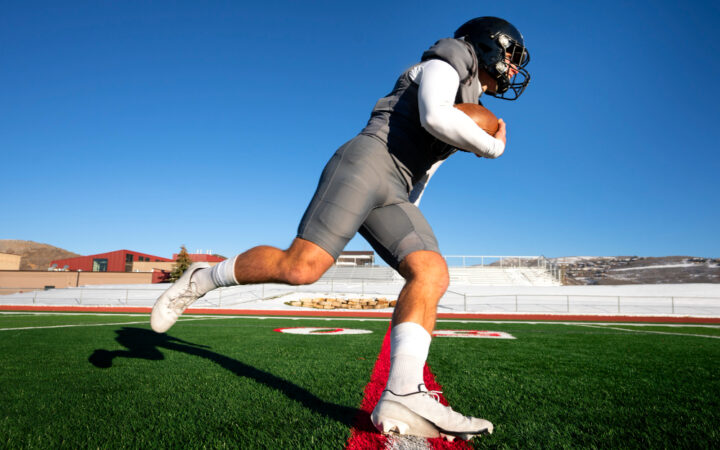
Puma NIL Sponsorships
In this market, Puma NIL sponsorships became a defining example of culture-first athlete branding. Imagine being 19, cramming for midterms, and signing a lucrative contract with a global footwear giant. For decades, profiting from collegiate sports was forbidden. That changed in 2021 when new NCAA name, image, and likeness (NIL) rules gave a green light to the modern market. This opened the door to NIL sponsorships and formal sponsorship agreements that were previously off-limits. Source: NCAA NIL rules update .
Rather than drawing a traditional university salary, players now negotiate independent endorsements and NIL deals. According to sports business trackers, a modern student-athlete brand partnership ranges from free sneakers to life-changing cash. Puma quickly recognized this revolution wasn’t just about grabbing the highest scorer. Their approach to Puma NIL sponsorships reflects that shift. Within Puma sports sponsorship, this also aligns with a broader Puma marketing strategy focused on culture and community.
Driving today’s Puma NIL sponsorships is a distinctly “culture-first” strategy. They actively target dynamic athletes boasting undeniable swagger and heavy social media influence, turning ordinary college campuses into the ultimate marketing launchpad for NIL deals.
Summary
This piece outlines how the 2021 NIL shift upended college sports and how Puma’s culture-first strategy prioritizes social influence, authenticity, and style over pure performance. Showcasing examples like Flau’jae Johnson and Mikey Williams, it highlights Puma’s early, high-stakes bets on multidimensional trendsetters. It contrasts boutique challenger deals with legacy volume models, gives practical steps for recruits to build brand-ready profiles while staying compliant , and explains how NIL is reshaping recruiting and the fan experience. Ultimately, Puma is investing in personalities that drive cultural relevance as much as on-court success — the same forces that fan-powered platforms like RallyFuel have built their entire model around.
Why the 2021 ‘Green Light’ Changed Everything for Student-Athletes
For decades, college sports relied on “amateurism,” meaning athletes played for scholarships but couldn’t earn money from their fame. That red light finally turned green due to the Alston case — a Supreme Court ruling that changed everything. Overnight, restrictive NCAA rules dissolved.
The 2021 ruling triggered a complete transformation:
- Income: Old rules meant zero outside pay; new rules allow massive shoe deals and direct fan-to-athlete NIL deals .
- Freedom: Athletes once couldn’t monetize YouTube channels; now, building a personal brand is encouraged.
- Decisions: The impact of NIL on college recruiting means players routinely pick schools based on local marketing potential.
This revolution created a gold rush for sportswear companies. Rather than solely chasing expensive pros, brands started hunting for college stars who match their specific cultural identity. It also normalized clear sponsorship agreements between student-athletes and brands.
The Puma Vibe: What the Brand Actually Looks for in a College Recruit
Think about the last time a player caught your eye, not just for a crazy highlight reel, but for their overall swagger. That undeniable energy is exactly what drives modern culture-first branding, a strategy where a company aligns with the lifestyle and vibe surrounding a sport rather than just the game itself. This culture-first approach also anchors the Puma marketing strategy in college recruiting.
For a massive shoe company, a player’s digital influence is now the primary currency used to measure their value. If you ever wonder what sports brands look for in athletes today, the answer has shifted dramatically from pure on-court stats to true athlete influencer marketing power. The NIL strategy behind Livvy Dunne’s success — performance plus lifestyle branding plus selective long-term partnerships — is now the widely studied template.
Because of this, Puma marketing strategies specifically target young stars who showcase three crucial social traits: authenticity, consistency, and unique style. By focusing on these qualities, the company partners with trendsetters who understand building a personal brand for sports deals long before they ever turn pro.
Case Study: How Flau’jae Johnson and Mikey Williams Became the Face of Puma NIL
Look at Flau’jae Johnson, a star guard for LSU who also happens to be a signed rap artist. She represents the ultimate “multi-hyphenate” athlete — someone whose appeal crosses effortlessly between sports and music. When negotiating Puma sponsorship deals, the brand did not just want a standout basketball player; they wanted a cultural ambassador who could organically rock their sneakers on the court and in a viral music video.
Getting a jump on the competition means scouting younger than ever before, leading many fans to wonder: can high schoolers sign brand or NIL deals? The answer is a resounding yes, depending on local state laws, which completely shifted the landscape of high school basketball NIL eligibility. Puma proved this by signing phenom Mikey Williams before he even picked a college. Fans can now follow the top high school prospects and their NIL potential on RallyFuel — including the next generation of culture-first stars whose digital presence is already attracting major brand attention.
This “early-entry strategy” is the ultimate high-risk, high-reward gamble for footwear executives. By locking in a viral sensation at seventeen, the company secures massive social media buzz long before the professional draft. If the athlete becomes a superstar, the brand looks brilliant; if they stumble, the company absorbs the cultural hit. Betting on teenagers requires a distinctly different financial playbook than paying established pros.
Puma vs. Nike: Comparing the ‘Big Brand’ vs. ‘Challenger’ Compensation Models
When athletes start finding college athlete endorsement opportunities, they discover not all sneaker contracts are equal. The industry essentially splits between volume marketing and boutique marketing. Legacy brands often rely on volume, signing hundreds of players to flood courts with their famous logos. Conversely, challengers take a boutique approach, selecting fewer athletes to serve as the primary faces of the company.
Analyzing Puma vs. Nike athlete deals highlights the major trade-offs recruits must weigh. Choosing between these models usually involves these core differences:
-
- Roster Size: Smaller rosters mean a larger slice of the financial pie and highly dedicated marketing support.
- Brand Legacy: Giants offer historical prestige, while challengers let individuals build their own unique legacy.
- Creative Freedom Clauses: Boutique deals frequently grant athletes direct input into custom design, rather than just wearing assigned gear.
Ultimately, negotiating sports apparel contracts requires matching an athlete’s personality with corporate vision. For broader context on how headline endorsement numbers actually translate to real income, see Beyond the $5M Deals .
4 Steps to Getting Signed: How Modern Recruits Land a Puma Deal
Imagine hitting game-winning shots every night, only to realize athletic talent alone no longer guarantees a major sneaker contract. Today, learning how to get signed by Puma and pursue Puma sponsorship deals requires blending court performance with culture-first marketing. Brands aren’t just scouting stats; they are evaluating audience trust.
To start monetizing college sports influence, athletes must treat their personal image like a startup. Here is the modern blueprint for attracting boutique brand interest:
- Define Your Vibe: Showcase outside hobbies to build a relatable, authentic persona.
- Drive True Engagement: Brands target high comment and share rates, not just passive followers.
- Post Consistently: Treat social platforms as a living portfolio of your personal brand.
- Tag Strategically: Wear the gear naturally to get on their digital radar.
Navigating legal hurdles remains absolutely critical before cashing any checks. Meeting student-athlete brand partnership requirements means working closely with a university compliance office — the people who check the rules — to ensure a deal never jeopardizes your playing eligibility, and to review any sponsorship agreements for compliance. It also helps to understand how state-by-state NIL laws differ , since recruiting and disclosure rules vary significantly across states.
Once these off-court business mechanics click into place, the dynamic between players, brands, and fans completely transforms.
The New Game Plan: Why NIL is Permanently Changing How We Watch Sports
You no longer just watch a game; you witness the new business of sports. Exploring Puma NIL sponsorships shows how an athlete’s personality directly drives a brand’s cultural relevance. As Puma stands among the top NIL footwear brands for recruits, they aren’t just buying ads — they’re investing in entertainment. Through targeted NIL sponsorships, the brand turns moments into movements.
The impact of NIL on college recruiting has forever transformed the fan experience. Beyond legacy sneaker deals, fans can now engage directly with their favorite culture-first athletes through fan-powered platforms like RallyFuel — purchasing Fuel for specific players with refund-protected support if conditions aren’t met. The next time you watch a game, notice the logos on the brightest young stars. Puma’s strategy — alongside the broader fan-powered NIL economy — proves the future belongs to brands spotting cultural icons long before they turn pro.
Q&A
Question: What does “culture-first” mean in Puma’s NIL strategy? Short answer: It means Puma prioritizes athletes whose personalities, style, and social influence shape culture — not just their game stats. They look for authenticity, consistent online presence, and unique style, turning campuses and social feeds into launchpads. Swagger and engagement (comments/shares) matter more than a box score — a model echoed in the NIL strategy behind Livvy Dunne’s success , which has become a widely studied template for women’s sports.
Question: How did the 2021 NIL “green light” change college sports? Short answer: After the Alston Supreme Court ruling, athletes could finally profit from their name, image, and likeness . That opened income streams (including big shoe deals), encouraged personal brand-building (like monetizing YouTube), and made recruiting decisions hinge on local marketing potential — sparking a rush by brands to sign culturally aligned college stars.
Question: Can high school athletes sign NIL deals with Puma? Short answer: Yes — if state laws allow it . Puma proved this with Mikey Williams, signing him before college. It’s a high-risk, high-reward bet: early deals secure massive buzz well before any pro draft, but if the athlete stumbles, the brand absorbs the cultural hit and adjusts its financial playbook. Fans can also track top high school prospects and their NIL potential on RallyFuel .
Question: How does Puma’s “boutique challenger” model compare to Nike’s legacy “volume” model? Short answer: Boutique means fewer athletes, bigger individual support, and often more creative input (like design say-so). Legacy volume offers wide exposure and historic prestige but spreads attention across large rosters. The best fit depends on whether an athlete wants deep, personalized backing or the cachet of a giant’s ecosystem.
Question: What should a recruit do to attract a Puma NIL deal while staying eligible? Short answer: Treat your image like a startup: define your vibe (showcase real hobbies), drive true engagement (comments/shares over raw follower counts), post consistently, and tag the brand naturally. Crucially, run every opportunity through your university compliance office so you meet NIL rules and protect eligibility, including proper review of sponsorship agreements.