

If you’ve noticed Roadrunners promoting local brands at the Pearl recently, you are witnessing the rise of Name, Image, and Likeness (NIL). Athletes now profit from their fame much like a modern summer job, using social media or appearances to earn paychecks while studying.
Staying competitive is crucial following UTSA’s move to the American Athletic Conference (AAC). Facing tougher rivals implies the university needs more than just scholarships to win. Robust UTSA NIL deals are now essential for retaining the stars who fill the Alamodome.
Support flows through the City Edge collective, a bridge connecting fans directly to players. By pooling resources for college athlete NIL opportunities, residents ensure their team thrives. San Antonio local business sports marketing now powers the next era of Roadrunner success.
Summary
UTSA’s NIL landscape lets student-athletes earn legally through services like social media promotions, appearances, and advertising—distinct from prohibited pay-for-play. The City Edge collective pools support from fans and businesses to create consistent, compliant opportunities, which is vital after the move to the AAC and for retaining talent amid transfer portal pressures. Strong Texas laws and UTSA compliance oversight safeguard deals, while financial literacy programs help athletes manage earnings. Beyond football, NIL opens doors across sports and fuels micro-NIL partnerships for local businesses, with fans able to engage, join the collective, and shop sponsors to make a direct impact.
NIL Deals: Why Every Fan Needs to Know the ‘Modern Summer Job’ Model
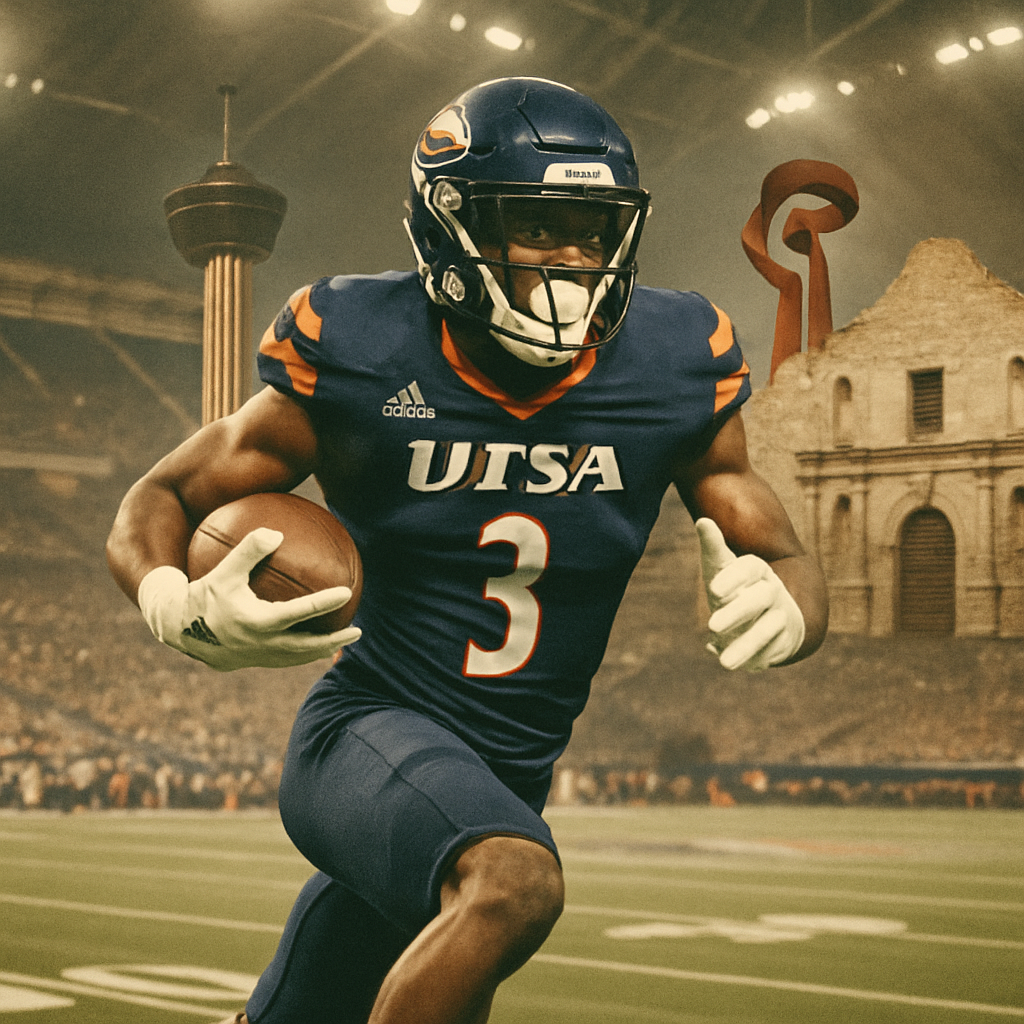
For decades, a scholarship was the only currency in college athletics, but that economy has fundamentally shifted. Name, Image, and Likeness (NIL) operates less like a salary from the university and more like a modern summer job. The school itself doesn’t cut the check; instead, athletes earn money by leveraging their personal brand in the open market, just like any other social media influencer or local celebrity.
Crucially, this system draws a hard line against “pay-for-play.” A car dealership cannot simply hand cash to a quarterback for throwing touchdowns; that remains a strictly prohibited inducement under NCAA rules. To remain compliant, legal brand partnerships for Roadrunner sports must require the student-athlete to perform a specific service in exchange for payment, creating a legitimate business transaction rather than a bribe.
Even the top earning San Antonio college athletes typically generate their revenue through three standard avenues:
- Social Media Promotion: Posting sponsored content on Instagram or TikTok for businesses.
- Public Appearances: Signing autographs at grand openings or hosting youth camps.
- Traditional Advertising: Featuring in local radio spots or UTSA sports marketing billboard campaigns.
While individual endorsement deals are powerful, they are often inconsistent and rely heavily on a player’s marketing savvy. To streamline this process and ensure the team remains competitive, supporters have organized into a more structured model known as a “Collective.”
Inside the City Edge Collective: How Your Membership Keeps UTSA Competitive
While individual endorsements rely on a player’s hustle, maintaining a championship roster requires financial stability. Enter the NIL Collective—specifically, City Edge. This organization functions as a community-funded talent pool that bridges the gap between Roadrunner supporters and the athletes. By pooling contributions from local businesses and alumni, City Edge creates a reliable budget to pay players for legitimate services, such as charity work or community appearances, ensuring the program isn’t solely reliant on ad-hoc marketing deals.
For the average fan, this system transforms passive watching into active participation through a City Edge NIL collective membership. Instead of assuming big corporate donors will handle the costs, supporters can join monthly subscription tiers that deliver exclusive access:
- The Supporter: Unlocks behind-the-scenes interviews and player-driven content not available to the public.
- The Booster: Grants invitations to private meet-and-greets and autograph sessions with key starters.
- The VIP: Includes premium experiences, such as sideline passes or dinner events with coaching staff.
This consistent funding stream is currently the most effective method for how to support UTSA athletes directly. When a breakout star begins navigating NCAA transfer portal and NIL offers from larger universities, a robust collective allows UTSA to present a competitive counter-offer that keeps that talent in San Antonio. However, mobilizing these funds isn’t a lawless free-for-all; strict state and national regulations determine exactly how this money can move.
Navigating the Rulebook: How Texas State Laws Protect Roadrunner Athletes
With money changing hands, it might seem like the Wild West, but local legislation has established clear boundaries. Recent updates to Texas state laws for student athlete compensation actually provide more protection than national guidelines, preventing the NCAA from punishing local schools for legitimate business activities. This legislative shield allows UTSA to operate confidently against out-of-state rivals without fear of arbitrary sanctions.
While the state clears the path, the athletic department acts as the internal traffic controller. Staff members manage university compliance for Roadrunner NIL activity, reviewing contracts to ensure they don’t cross the line into prohibited “pay-for-play.” These officials verify that athletes perform actual services—like signing autographs or filming commercials—rather than simply accepting checks for roster spots, keeping the university’s eligibility secure.
Beyond regulations, these deals force young players to become instant entrepreneurs. UTSA prioritizes financial literacy for Roadrunner student athletes, teaching them to handle taxes so a temporary windfall doesn’t become a long-term liability. This holistic support system appeals to parents and recruits alike, giving the coaching staff a powerful tool for building future rosters.
The Traylor Factor: Why NIL is the Secret Weapon for Recruiting Top Talent
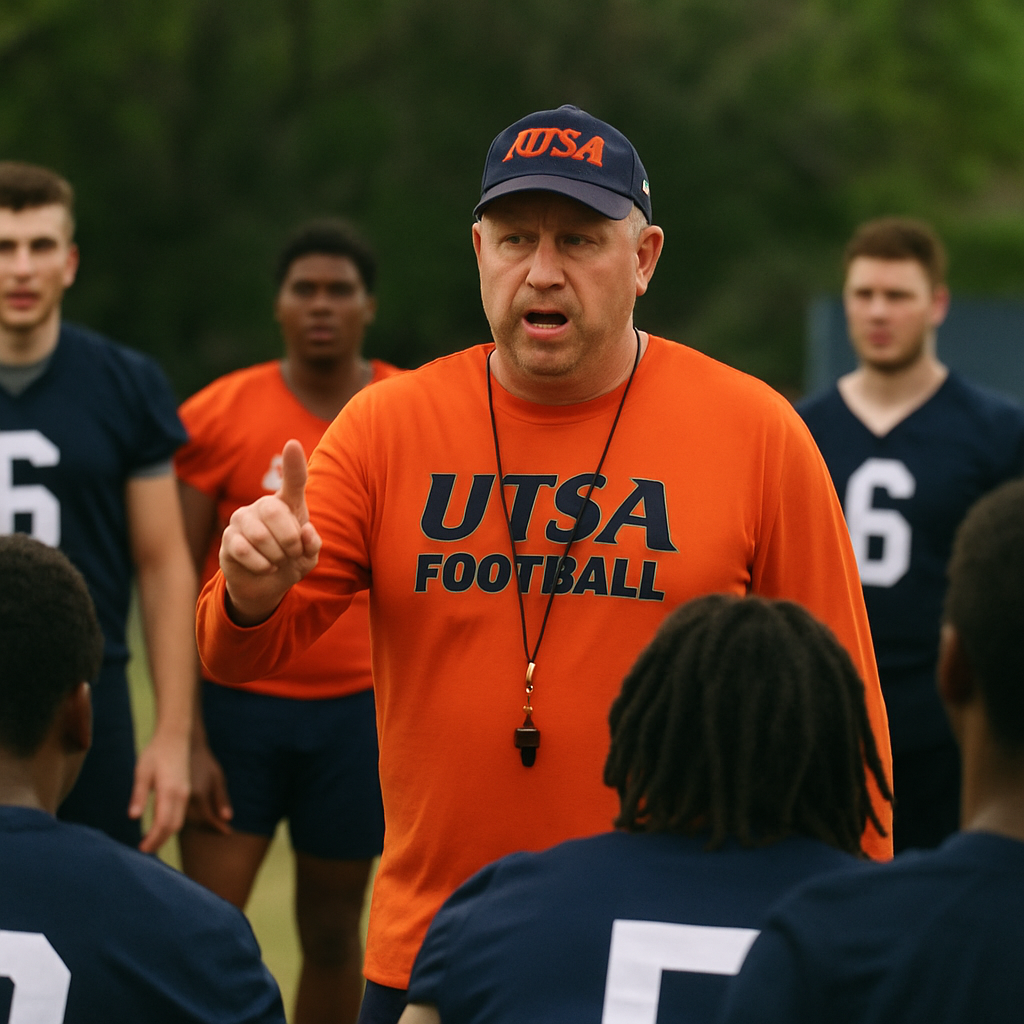
Success in modern college football requires more than just a charismatic leader; it demands the resources to back him up. Jeff Traylor’s stance on NIL collectives has been refreshingly blunt: to keep winning championships, the community must invest in the players. He views NIL not as a luxury, but as a critical defense against the “Transfer Portal,” ensuring that star players aren’t lured away by wealthier programs simply because UTSA couldn’t match a financial offer.
The financial landscape, however, is far from level. There is a massive funding gap between “Power 4” conference schools (like UT or Texas A&M) and “Group of 5” programs like UTSA. While UTSA vs other AAC NIL programs is a competitive fight, the Roadrunners must maximize every dollar to punch above their weight class. A robust NIL ecosystem allows the coaching staff to bridge that gap, turning local support into a tangible recruiting advantage that keeps talent in the 210.
Ultimately, this funding strategy is about stability rather than just splashing cash. The impact of NIL on UTSA football recruiting focuses on rewarding loyalty and developing a culture where athletes feel valued enough to stay and graduate. But this financial evolution isn’t exclusive to the gridiron; other student-athletes are finding their own unique ways to profit.
Beyond Football: Opportunities for All Roadrunners from Tacos to Tech
While quarterbacks grab the headlines, the new rules have created significant opportunities for female student athletes at UTSA to monetize their social media influence. From volleyball stars to softball standouts, these athletes are partnering with lifestyle brands that value high engagement over national broadcast time. Fans are also seeing a direct financial link through UTSA football jersey licensing for fans; buying a customized jersey now ensures royalty money goes directly into that specific player’s pocket, allowing supporters to reward their favorite athletes personally.
For the local economy, this shift introduces “Micro-NIL,” proving you don’t need a corporate budget for effective San Antonio local business sports marketing. Instead of spending thousands on a generic billboard, a local taco shop or tech repair store can hire an athlete for meaningful, low-cost promotions that resonate with the community.
These accessible partnerships allow small businesses to build authentic connections through:
- Social Media Shoutouts: Paying an athlete $200–$500 to post about a lunch special on Instagram.
- Event Appearances: Hosting a “Meet and Greet” at a store opening to drive foot traffic.
- Product Demos: Having a player review a product on TikTok for a niche audience.
The Road Map Ahead: Your Role in the UTSA NIL Era
Understanding UTSA NIL deals transforms you from a spectator into an active participant in the Roadrunners’ success. This isn’t just about paying players; it’s about keeping top talent in San Antonio and fueling the local economy. For business owners asking if UTSA NIL deals are tax deductible, the answer is generally yes if treated as a legitimate marketing expense, whereas standard fan contributions usually aren’t.
You now have the tools to directly impact the program’s future. Here is how to support UTSA athletes right now:
- Engage: Follow athletes on social media and share their sponsored content.
- Join: Subscribe to the City+ Ventures collective for exclusive access.
- Shop: Patronize local businesses that proudly sponsor UTSA players.
Learn More About the NIL Landscape
Name, Image, and Likeness plays an increasing role in college sports, and understanding how it works often requires more than individual articles or news updates.
RallyFuel is a platform focused on NIL-related topics across college athletics. It brings together information about athletes, NIL activity, and the broader structure behind modern college sports, helping readers explore the topic in more depth.
👉 Explore the Athletes on RallyFuel – Discover top college athletes, compare NIL valuations, and dive deeper into the world of NIL.
Q&A
Question: What is NIL at UTSA, and how is it different from pay-for-play?
Short answer: NIL lets UTSA student-athletes earn money for legitimate services tied to their name, image, and likeness—much like a modern summer job. Compliant deals pay athletes to do specific work such as social media promotions, public appearances, or traditional advertising. Pay-for-play—paying someone simply to join a roster, stay on a team, or perform in games (e.g., cash for touchdowns)—is prohibited. The school does not pay athletes; brands and supporters do, in exchange for real deliverables.
Question: How does the City Edge collective work, and what do members receive?
Short answer: City Edge pools contributions from fans, alumni, and businesses to fund compliant opportunities where athletes are paid for services like charity events and community appearances. This creates stable, predictable support that helps UTSA stay competitive year-round, not just through one-off endorsements. Membership tiers offer escalating access: Supporter (behind-the-scenes content), Booster (private meet-and-greets and autograph sessions), and VIP (premium experiences like sideline passes or dinners with staff). This steady funding helps UTSA present competitive, compliant offers that can retain stars considering the transfer portal.
Question: What safeguards ensure UTSA NIL deals are legal and compliant?
Short answer: Texas state laws provide strong protections for in-state schools engaging in legitimate NIL activities, limiting NCAA penalties for compliant deals. Internally, UTSA’s compliance staff reviews contracts to prevent pay-for-play and to confirm athletes deliver actual services (e.g., autograph sessions, filming commercials). UTSA also emphasizes financial literacy, helping athletes manage taxes and earnings responsibly so short-term income doesn’t become a long-term liability.
Question: How does NIL help UTSA recruit and retain talent, especially against bigger-budget programs?
Short answer: Head Coach Jeff Traylor underscores that NIL is essential to sustain winning—community investment helps UTSA counter offers from wealthier “Power 4” schools. While there’s a funding gap versus larger programs, a robust NIL ecosystem lets UTSA maximize every dollar, reward loyalty, and build a culture that encourages athletes to stay, develop, and graduate. In short, NIL turns local support into a real competitive edge in the AAC and beyond.
Question: How can fans and local businesses get involved, and are NIL payments tax-deductible?
Short answer: Fans can engage by following and sharing athlete content, joining the collective for exclusive access, and shopping with businesses that sponsor UTSA players. Small businesses can run “Micro-NIL” campaigns—paying $200–$500 for social media shoutouts, hosting meet-and-greets to boost foot traffic, or sponsoring product demos on TikTok. Generally, business NIL spend may be tax-deductible as a legitimate marketing expense, while standard fan contributions usually are not.



Leave a Comment