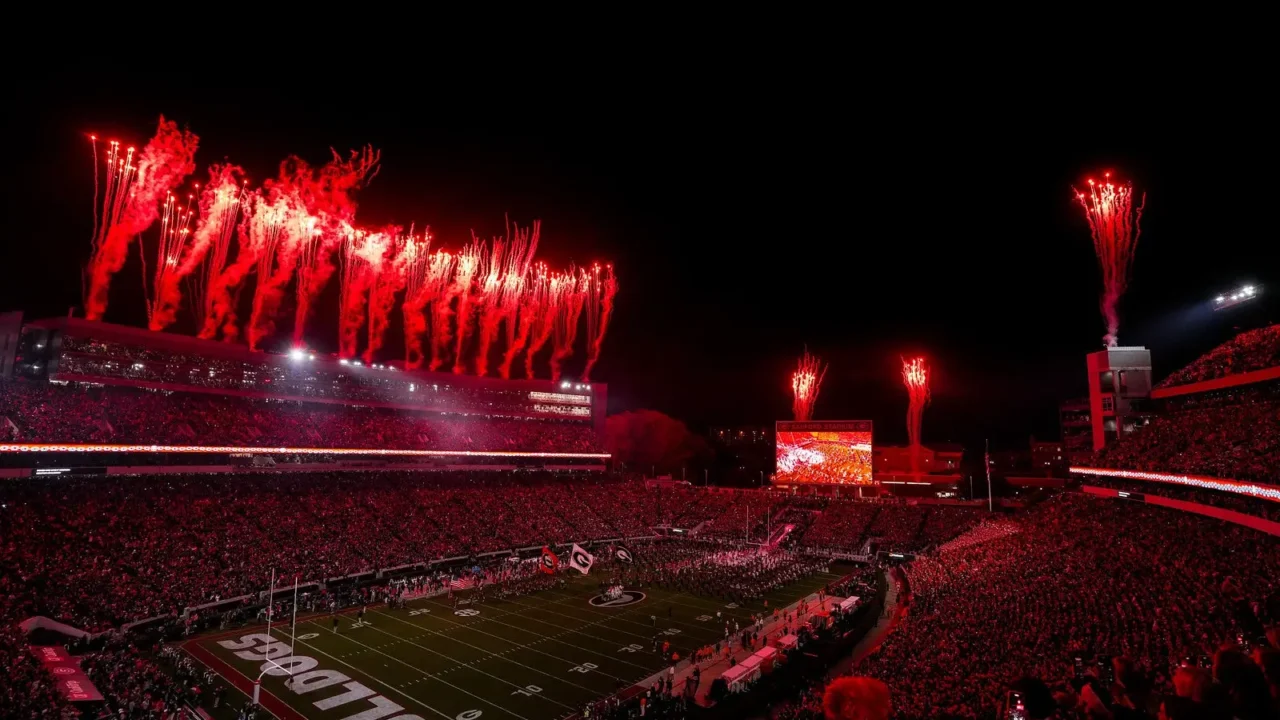
Remember walking into the bookstore on Baxter Street and seeing racks of jerseys with numbers but never a name on the back? Those days of anonymity are officially gone in Athens, where a star linebacker is no longer just a student-athlete but a fully operational business brand. To understand the landscape of university of Georgia nil deals, it helps to view them less like a salary from the school and more like a “Digital Side Hustle.”
Just as a YouTuber monetizes their following, Georgia college athletes now legally profit from their fame by signing autographs, appearing in commercials for local Ford dealers, or posting sponsored social media content. This modern approach replaces the shadowy “bag man” rumors of the past with transparent business contracts. But how do Georgia Bulldogs get NIL contracts without breaking NCAA rules? It requires navigating the fine line between legal marketing income and prohibited “pay-to-play” schemes, a balance managed largely by the Classic City Collective to keep the Dawgs competitive.
Summary
UGA athletes treat NIL as a creator-style “side hustle,” earning through endorsements and content while staying compliant via the Classic City Collective. Georgia’s SB 633 empowers the university to facilitate deals and protect athletes, giving the Bulldogs a legal and recruiting edge. Partnerships span national, high-value campaigns to local, community-driven agreements across men’s and women’s sports, with ROI based on reach and engagement. For businesses, the compliant path runs through the Collective—clear contracts, IP care, and reporting—while long-term success aligns with Kirby Smart’s culture-first strategy and athlete financial literacy.
Inside the Classic City Collective: How the ‘Community Pot’ Powers Athens Athletics
If individual endorsements are a “side hustle,” the Classic City Collective is the engine keeping the entire team moving. Think of this organization as a modernized, legally compliant version of a booster club. Instead of pooling money to buy new gym equipment or renovate a locker room, funds go into a central “community pot.” Managed by professionals, this pool creates income opportunities for athletes across all sports, ensuring that a gymnast has access to support just like a starting quarterback.
You might assume this world is reserved exclusively for big-money donors on Milledge Avenue, but the model actually relies on strength in numbers to climb the SEC NIL collective rankings and funding models. Through direct-to-fan monetization for Georgia Bulldogs players, the collective acts like a subscription service, allowing everyday supporters to contribute monthly.
Typical Classic City Collective membership tiers and benefits include:
- The Fan Level ($10-$25/mo): Grants access to exclusive player interviews, podcasts, and digital content not available to the public.
- The Supporter Level ($100+/mo): Includes invitations to in-person autograph signings and priority access to merchandise drops.
- The VIP Level ($500+/mo): Offers unique experiences, such as attending closed practices or private dinners with coaching staff and players.
Money collected isn’t simply handed over in an envelope; that would violate NCAA rules regarding “pay-for-play.” Instead, the collective facilitates legitimate work. Players earn their payments by fulfilling specific contracts, often involving community service around Athens, charity appearances, or marketing engagements, ensuring the exchange involves actual effort.
While these collective structures operate nationwide, Georgia has a distinct edge regarding how they are governed. The state legislature recently intervened to protect these operations, creating a unique legal environment that separates UGA from its rivals.
Navigating Georgia State Law SB 633: Why the Bulldogs Have a ‘Speed Limit’ Advantage
For years, NCAA investigators loomed like traffic cops, but the passing of Georgia state law SB 633 effectively raised the speed limit for the Bulldogs. While national rules historically banned schools from touching deal-making, this legislation blocks the NCAA from punishing Georgia institutions for helping their athletes. It creates a legal shield around Athens, allowing the university to prioritize the Georgia state law SB 633 impact on collegiate sports over outdated restrictions.
A major shift occurs inside the athletic department itself. Previously, staff had to distance themselves from financial discussions, leaving players to navigate contracts alone. Now, under updated UGA athletic department compliance guidelines for endorsements, the school can actively facilitate connections between athletes and partners. This allows the administration to vet opportunities and ensure players engage with legitimate businesses rather than risky ventures, streamlining the process in ways other programs cannot match.
This legislative confidence also clarifies the rules for UGA boosters interacting with potential recruits regarding future marketing potential. By removing the constant fear of sanctions, the state has turned its legal code into a recruiting asset. With the regulatory road cleared, the focus shifts to how these deals manifest in the real world, from fast food drive-throughs to luxury car lots.
From Zaxby’s to Lamborghinis: Real-World Examples of Bulldog Brand Partnerships
Carson Beck driving a Lamborghini turns heads on Milledge Avenue, but the business logic behind the wheel is purely data-driven. For national brands, the market value of Georgia football social media influence is calculated by millions of broadcast impressions; the quarterback isn’t just a player, he is a walking billboard for luxury. These high-end partnerships rely on the sheer volume of eyes watching the Dawgs on Saturdays to justify six-figure payouts.
Down the street, smaller interactions paint a different financial picture. When a lineman promotes a specific BBQ joint, the metric shifts to evaluating return on investment for local Athens NIL sponsors based on actual foot traffic and community goodwill. These deals are often more relational than transactional, leveraging the player’s local hero status to sell chicken fingers or pickup trucks to the faithful base rather than a national audience.
Surprisingly, the gridiron isn’t the only place to find lucrative engagement. When comparing brand deals for male vs female UGA athletes, Gymdogs and soccer players often boast higher social media interaction rates than their football counterparts, making them premium partners for lifestyle brands. Advertisers pay for the dedicated trust these athletes build with their followers, proving that influence extends well beyond Sanford Stadium.
Structural differences define where a potential partner fits in this ecosystem:
- National Deals: High cash value, strict contract deliverables, managed by corporate agencies.
- Local Deals: Product trades (gear/food), flexible terms, managed personally or via the Collective.
With these tiers established, the path is clear for hometown shops to get involved.
The Small Business Playbook: 4 Steps to Legally Sponsoring a UGA Athlete
For business owners on Broad Street, the desire to support the team often battles with the fear of accidentally triggering an NCAA violation. You don’t need a corporate legal team to get started, just a strict adherence to procedure. The safest route usually begins with the Classic City Collective, which acts as a matchmaker to ensure all steps for businesses to sponsor UGA athletes are followed precisely:
- Contact the Collective: Submit an inquiry outlining your budget and marketing goals.
- Draft the Agreement: Define deliverables clearly, while carefully managing intellectual property in collegiate brand partnerships (avoiding unauthorized trademark use).
- Compliance Reporting: Submit the contract to UGA’s compliance office for review before money changes hands.
- Execution: The athlete fulfills the obligation, and payment is released.
Navigating the fine print protects the player’s eligibility, as deals cannot be “inducements” to enroll or pay-for-performance rewards. Beyond the rules, successful partners often realize these young stars are new to taxation. The most sustainable deals support financial literacy training for Athens based student athletes, ensuring their earnings don’t become a liability come April.
Executing this process correctly turns local fandom into a legitimate business asset without risking the program’s reputation. When the community operates within the lines, it reinforces the culture of discipline that the head coach demands.
Maintaining the Standard: Kirby Smart’s Vision and the Future of NIL in Athens
You no longer view the Dawgs solely through Saturday dominance; you now grasp the financial engine keeping them there. Understanding the link between the Transfer Portal and modern compensation changes how you interpret every roster move, revealing the sophisticated strategy behind the talent.
Success in Athens relies on Kirby Smart’s stance on NIL and roster management , which prioritizes cultural fit over the highest bidder. This approach maintains championship standards while educating players on business realities, including the often-overlooked NIL tax liability for student athletes in Georgia.
As the landscape evolves, look beyond the headlines of flashy cars to see the sustainability of the system. The future of Georgia football isn’t just about recruiting stars; it is about empowering them as partners in a new era.
Learn More About the NIL Landscape
Name, Image, and Likeness plays an increasing role in college sports, and understanding how it works often requires more than individual articles or news updates.
RallyFuel is a platform focused on NIL-related topics across college athletics. It brings together information about athletes, NIL activity, and the broader structure behind modern college sports, helping readers explore the topic in more depth.
Q&A
Question: Are NIL deals at UGA the same as a salary from the university? Short answer: No. At Georgia, NIL works like a creator-style “digital side hustle,” not a paycheck from the school. Athletes legally earn money from endorsements, autograph sessions, appearances, and sponsored content. Deals must involve real deliverables (not pay-for-play or inducements), with compliance oversight to protect eligibility and align with Kirby Smart’s culture-first approach.
Question: What is the Classic City Collective and how does it keep things compliant? Short answer: The Classic City Collective is a professionally run, booster-style organization that pools funds into a “community pot” to create paid opportunities across all sports. Fans join like a subscription (Fan $10–$25/mo for exclusive content; Supporter $100+/mo for signings/merch priority; VIP $500+/mo for unique experiences). Payments are tied to actual work—community service, charity appearances, or marketing—rather than envelopes of cash, keeping activity within NCAA and UGA compliance guidelines.
Question: What did Georgia’s SB 633 change, and why is it a competitive edge for the Bulldogs? Short answer: SB 633 shields Georgia institutions from NCAA punishment for facilitating NIL, effectively “raising the speed limit.” UGA staff can now help connect athletes with partners, vet opportunities, and guide contracts under updated department compliance rules. It also clarifies how boosters can discuss future marketing potential with recruits. The result is faster, safer deal-making and a recruiting advantage over programs in states without similar protections.
Question: How do brand partnerships actually look in Athens—national vs. local and men vs. women? Short answer: National deals (e.g., a quarterback with a luxury car brand) hinge on massive broadcast impressions and strict deliverables, justifying high payouts. Local deals (like a lineman promoting a BBQ spot) prioritize foot traffic and community goodwill, often with flexible terms or product trade. Importantly, UGA women’s teams (e.g., Gymdogs, soccer) often post higher engagement rates than football, making them premium partners for lifestyle brands.
Question: I’m a small business—how do I legally sponsor a UGA athlete without risking violations? Short answer: Follow the Collective-first, compliance-centric path:
- Contact the Classic City Collective with your budget and goals.
- Draft a clear agreement with defined deliverables and careful IP use (don’t use UGA marks without permission).
- Submit the contract to UGA compliance before any payment.
- Execute: athlete completes deliverables, then payment is released. Avoid inducements or pay-for-performance. For sustainability, include financial literacy support—many athletes are new to taxes and NIL income obligations, which fits Kirby Smart’s culture of discipline and long-term success.
Question: Are NIL earnings at UGA the same as being paid by the university? Short answer: No. NIL at Georgia functions like a creator-style side hustle. Athletes earn through endorsements, autograph signings, appearances, and sponsored content tied to real deliverables. Payments cannot be inducements to enroll or rewards for on-field performance, and all activity runs through compliance review to protect eligibility and align with the program’s culture-first standards.
Question: What exactly does the Classic City Collective do, and how can fans get involved? Short answer: It’s a professionally run, booster-style collective that pools supporter funds into a “community pot” to create paid, compliant opportunities across all sports. Fans join via monthly tiers—Fan ($10–$25) for exclusive content, Supporter ($100+) for signings/merch priority, and VIP ($500+) for unique experiences like closed practices. Athletes are paid for actual work (community service, charity, marketing), not no-show payments, keeping everything within NCAA and UGA guidelines.
Question: How did Georgia’s SB 633 change NIL for the Bulldogs? Short answer: SB 633 effectively shields Georgia schools from NCAA punishment for helping athletes with NIL. UGA staff can now facilitate introductions, vet businesses, and guide contracts under updated compliance processes. It also clarifies booster conversations about future marketing potential with recruits. The result is faster, safer deal-making—and a real recruiting edge over programs in states without similar protections.
Question: What do brand partnerships look like in Athens—national vs. local and men vs. women? Short answer: National deals (think a quarterback and a luxury car brand) prioritize massive broadcast reach and strict deliverables, justifying higher payouts. Local partnerships (like a lineman and a BBQ spot) focus on foot traffic and community goodwill, often with flexible terms or product trade and coordination via the Collective. Women’s teams such as Gymdogs and soccer often deliver higher engagement rates, making them prime targets for lifestyle brands seeking trusted, interactive audiences.
Question: I run a small business—how do I sponsor a UGA athlete without risking violations? Short answer: Follow a compliance-first process:
- Contact the Classic City Collective with your budget and goals.
- Draft a clear agreement with defined deliverables and careful IP use (don’t use UGA marks without permission).
- Submit the contract to UGA compliance before any payment.
- Execute: the athlete completes the work, then payment is released. Avoid inducements or pay-for-performance, and consider supporting financial literacy for athletes so tax obligations and reporting don’t become pitfalls.
Question: How is NIL at UGA different from a salary or pay-for-play? Short answer: NIL is not a paycheck from the university. At Georgia, athletes monetize their name, image, and likeness—like a creator-style side hustle—through endorsements, appearances, autographs, and sponsored content. Every deal must have real deliverables (no inducements to enroll and no pay-for-performance), with the Classic City Collective and UGA compliance ensuring contracts, work completion, and eligibility protections align with Kirby Smart’s culture-first standards.
Question: What did Georgia’s SB 633 change for UGA’s NIL operations? Short answer: SB 633 shields Georgia institutions from NCAA punishment for helping athletes with NIL, effectively letting UGA staff facilitate introductions, vet businesses, and guide contracts under updated department compliance rules. It also clarifies how boosters can discuss future marketing potential with recruits. The result is faster, safer deal-making and a real recruiting edge over states without similar protections.
Question: How can fans support NIL at UGA through the Classic City Collective? Short answer: Fans join like a subscription, pooling support into a “community pot” that funds compliant opportunities across all sports:
- The Fan Level ($10–$25/mo): Exclusive interviews, podcasts, and digital content
- The Supporter Level ($100+/mo): Invitations to autograph signings and priority merch drops
- The VIP Level ($500+/mo): Unique experiences like closed practices or private dinners Athletes are paid for actual work (community service, charity, marketing), not no-show payments.
Question: I run a small business—how do I sponsor a UGA athlete without risking violations? Short answer: Follow a compliance-first, Collective-led process:
- Contact the Classic City Collective with your budget and goals
- Draft a clear agreement with defined deliverables and careful IP use (don’t use UGA logos/marks without permission)
- Submit the contract to UGA compliance before any payment
- Execute: the athlete completes the work, then payment is released Avoid inducements or pay-for-performance. For sustainability, consider supporting financial literacy so athletes manage NIL taxes and reporting responsibly.
Question: Do non-football athletes benefit from NIL at UGA, and how do women’s teams fit in? Short answer: Yes. The Collective’s “community pot” creates opportunities across all sports—so gymnasts and soccer players can access support alongside football stars. Women’s teams at UGA often post higher social media engagement rates, making them premium partners for lifestyle brands. Local and national deals are matched to fit: national campaigns prioritize massive reach and strict deliverables, while local partnerships value foot traffic, community goodwill, and flexible terms.