
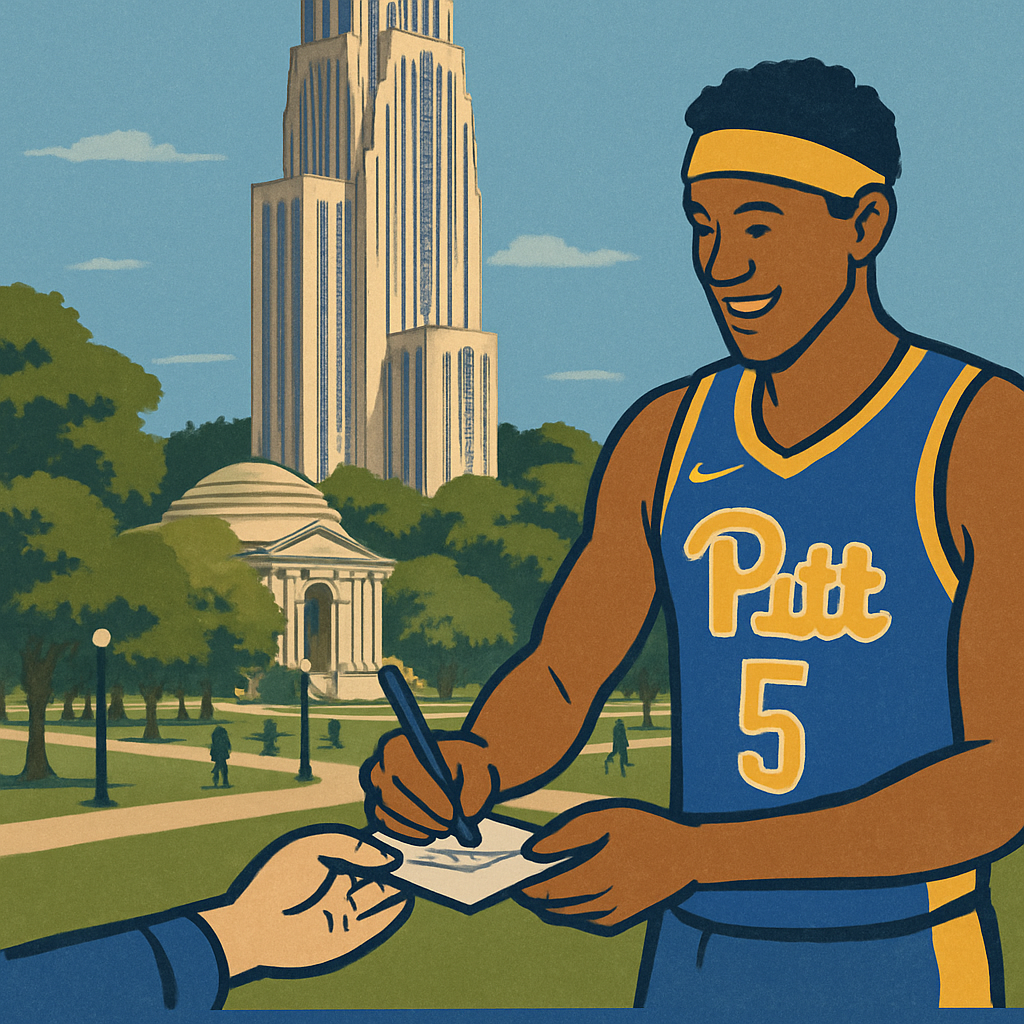
Remember when buying a jersey at the campus bookstore only benefited the school’s bottom line? Today, that same star player is signing autographs on Baum Boulevard and getting paid for it. This shift defines university of pittsburgh nil deals, moving sports from strict amateurism to a modern business model where players profit from their fame.
Think of these agreements less like professional salaries and more like high-end freelance gigs. College athlete endorsements have become essential leverage; without competitive opportunities, the Transfer Portal often tempts top talent to look for better “job offers” at rival schools.
For pitt athletics, staying competitive means embracing this new economy. By connecting players with Oakland businesses, the program aims to secure both local commerce and roster stability in the challenging ACC landscape.
Summary
NIL at the University of Pittsburgh allows student-athletes to earn from endorsements and appearances under Pennsylvania’s Fair Pay to Play Act, which safeguards eligibility while requiring clear quid pro quo and strict compliance. Funding and retention are driven by independent collectives—especially Alliance 412, alongside the player-led Oaktown NIL Club—while athletes also land individual brand deals through platforms like Opendorse. Pitt Athletics, led by Heather Lyke, emphasizes education, compliance, and financial literacy to turn NIL into a recruiting edge. Fans can meaningfully support by joining collectives, shopping NIL-aligned brands, and amplifying athletes’ online presence.
Why Pennsylvania’s ‘Fair Pay to Play’ Act Changed Everything for the Panthers
For decades, a signed helmet sold for profit could end a collegiate career, but the legislative landscape shifted dramatically in 2021. The Pennsylvania state law on college athlete compensation now specifically prohibits the NCAA or conferences from punishing students for earning money based on their fame. This legislation created a safety net, ensuring that when a quarterback appears in a local commercial or a volleyball player runs a youth camp, their eligibility to wear the blue and gold remains intact.
Despite these freedoms, the Pennsylvania Fair Pay to Play Act impact includes strict guardrails that separate school funds from endorsement money. The University of Pittsburgh cannot legally pay athletes directly for their performance; the athletic department provides scholarships, not salaries. This legal distinction forces every deal to satisfy a “quid pro quo” requirement—Latin for “this for that.” To get paid, a player must provide a tangible service, ensuring the transaction is a legitimate job rather than a prohibited handout.
Financial security extends beyond the deal itself, as state rules dictate that outside income cannot be used as a reason to reduce institutional financial aid. Pitt Athletics compliance officers work tirelessly to verify that these third-party agreements don’t violate the law, ensuring athletes keep their scholarships regardless of their endorsement earnings. Since the university acts only as a regulator rather than a broker, specialized external organizations have emerged to facilitate these connections.
Alliance 412 vs. Oaktown: Decoding the Powerhouses Behind Pitt’s NIL Success
Since the university cannot legally pay players salaries, a new mechanism was required to keep the Panthers competitive. Enter the “collective”—an independent organization that functions like a bridge between the fan base and the locker room. Groups like Alliance 412 pool contributions from donors to create a central fund, which is then used to pay athletes for fulfilling specific obligations, such as charity appearances or community service.
Alliance 412 operates as the heavy hitter in this space, aiming to boost Pitt’s standing in the ACC NIL collective rankings. Unlike a one-off sponsorship, this organization focuses on retention and roster stability. They ensure that key players across football and basketball have a reliable income stream, preventing them from being lured away by rival schools offering better financial packages.
For the average supporter wondering what is the role of a Pittsburgh NIL collective , the answer is direct participation. Fans can contribute through Alliance 412 collective membership tiers, receiving perks that scale with their donation:
- The 412 Club: Access to exclusive player interviews and digital content.
- Gold Level: Invitations to private autograph sessions and events.
- Platinum Access: VIP meet-and-greets with athletes and coaches.
While Alliance 412 handles the major contracts, the Oaktown NIL Club vs Alliance 412 dynamic offers a different flavor. Oaktown operates more like a player-led crowdfunding platform where subscriptions often support the team more broadly. Both entities aggregate funds to support the roster, but many athletes also pursue solo ventures outside these groups.
From Jersey Sales to Primanti Bros Ads: How Pitt Athletes Land Brand Deals
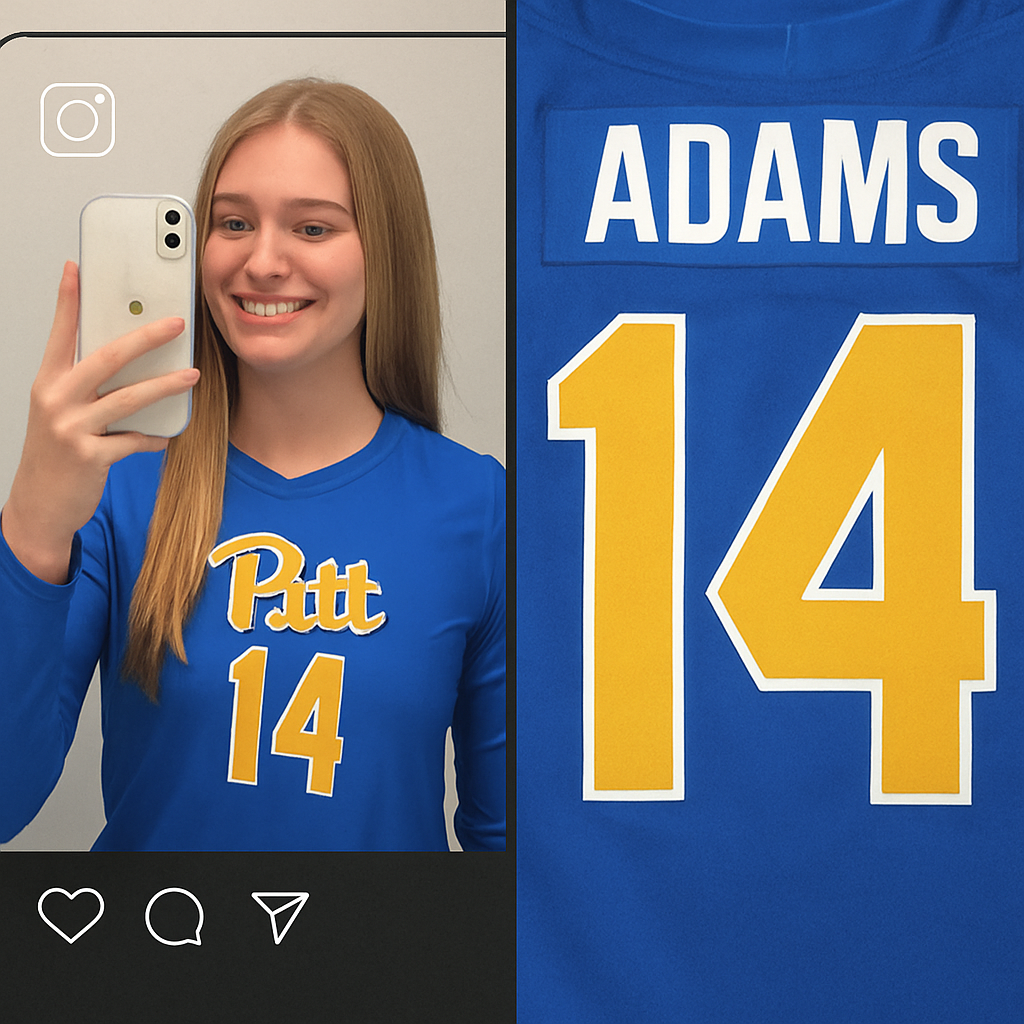
While collectives focus on pooling funds, individual athletes now operate like independent small businesses. When you see a volleyball star promoting a local eatery or buy a jersey with a specific name on the back, that represents a direct commercial transaction. This shift has opened massive brand endorsement opportunities for Pittsburgh Panthers across every sport, ensuring that official merchandise sales actually generate royalty payments for the students wearing the uniforms.
Technology makes these connections seamless for everyone from huge corporations to mom-and-pop shops. Through Pitt Panthers Opendorse profile management , athletes create digital portfolios that function like a public resume for sponsorships. This centralized system simplifies navigating the Pitt NIL marketplace for businesses, allowing a local bakery or car dealership to browse athletes, send an offer, and securely pay for a social media post or appearance in just a few clicks.
This open market democratizes earning potential well beyond the football field, allowing engaged wrestlers or soccer players to monetize their specific social followings just as effectively as the quarterback. As these young adults start managing taxable income, the athletic department’s priority must evolve from simple compliance to real-world guidance.
Heather Lyke’s Master Plan: Using Financial Education to Win the Recruiting War
Writing big checks might grab headlines, but sustaining success requires a smarter approach that appeals to parents and recruits alike. Under the direction of the athletic department, the Heather Lyke NIL strategy for Pittsburgh Athletics focuses on playing the long game by offering robust life skills training alongside earning potential. When coaches sit in living rooms across the country, they aren’t just selling playing time; they are pitching a comprehensive support system that turns how NIL affects Pitt Panthers football recruiting into a conversation about lifelong wealth rather than just quick cash.
Young adults suddenly managing five or six-figure incomes face complex tax liabilities and contract pitfalls that can be overwhelming. To combat this, the university has implemented strict compliance guardrails designed to vet opportunities before a signature ever hits the paper. By ensuring that deals meet legal standards and align with university values, the administration protects athletes from predatory agents or businesses looking to exploit a student’s lack of business experience.
Beyond safety, the dedicated financial education for Pitt student-athletes—often branded under initiatives like “The Gold Standard”—teaches players how to build a personal brand that outlasts their eligibility. This educational infrastructure ensures that when a linebacker or point guard leaves Oakland, they possess a business portfolio as impressive as their game tape. As the institution secures the players’ financial future, the question shifts to how the community keeps the momentum going.
The Panther Playbook for Fans: 3 Ways You Can Influence Pitt’s Future Success
NIL is the engine keeping the Panthers competitive in the ACC. While compliance officers handle the strict reporting requirements for pittsburgh athlete endorsements , your role has shifted from passive spectator to active stakeholder. Knowing exactly how to support pitt student athletes through nil transforms your fandom into a direct recruiting advantage for the university.
Impact the game today:
- Join a Collective: Contribute to groups like Alliance 412 to fund direct opportunities.
- Shop Smart: Patronize local brands that feature Pitt players in their ads.
- Engage Online: Like and share athlete posts to boost their personal brand value.
Your involvement ensures that when top talent looks at Pitt, they see a community ready to invest in their future.
Learn More About the NIL Landscape
Name, Image, and Likeness plays an increasing role in college sports, and understanding how it works often requires more than individual articles or news updates.
RallyFuel is a platform focused on NIL-related topics across college athletics. It brings together information about athletes, NIL activity, and the broader structure behind modern college sports, helping readers explore the topic in more depth.
👉 Explore the Athletes on RallyFuel – Discover top college athletes, compare NIL valuations, and dive deeper into the world of NIL.
Q&A
Question: What does NIL mean at Pitt under Pennsylvania’s law?
Short answer: NIL at the University of Pittsburgh allows student-athletes to earn from endorsements, appearances, camps, social posts, and merchandise royalties without losing eligibility. Pennsylvania’s Fair Pay to Play Act bars the NCAA or conferences from punishing students for profiting from their fame. Guardrails still apply: Pitt cannot pay athletes salaries or for on-field performance; every deal must satisfy a quid pro quo (tangible service for payment); outside NIL income cannot reduce institutional financial aid; and Pitt’s compliance office vets third-party agreements while the university acts as a regulator, not a broker.
Question: What is a collective, and how do Alliance 412 and the Oaktown NIL Club differ?
Short answer: A collective is an independent group that pools donor funds to pay athletes for specific obligations (e.g., charity appearances, community service). Alliance 412 is Pitt’s “heavy hitter,” focused on retention and roster stability, aiming to elevate ACC NIL collective rankings. It offers membership tiers with perks: The 412 Club (exclusive interviews/content), Gold Level (private autograph sessions/events), and Platinum Access (VIP meet-and-greets). The Oaktown NIL Club is player-led and functions like team-focused crowdfunding—broadly supporting athletes and complementing the larger, contract-centric work of Alliance 412.
Question: How do Pitt athletes land individual brand deals, and what role does Opendorse play?
Short answer: Athletes operate like small businesses, partnering with brands from local shops to national companies. Name-on-jersey merchandise can generate royalties for the athlete. Through Pitt Panthers Opendorse profile management, athletes build public portfolios; businesses can browse profiles, send offers, and securely pay for social posts or appearances in a few clicks. This setup makes the marketplace accessible and helps athletes across all sports—not just football or basketball—monetize their followings.
Question: Can the university pay athletes directly or reduce scholarships because of NIL income?
Short answer: No. Pitt provides scholarships, not salaries, and cannot pay athletes directly for performance or broker deals. All NIL compensation must come from third parties for real services (quid pro quo). State rules also protect athletes’ institutional financial aid—scholarships cannot be reduced because of NIL earnings. Pitt’s role is to educate and ensure compliance so deals meet legal and university standards.
Question: How is Pitt using NIL strategy and education to gain a recruiting edge—and how can fans help?
Short answer: Under Heather Lyke, Pitt emphasizes life skills and financial education (e.g., “The Gold Standard”) alongside strict compliance guardrails to protect athletes from predatory offers and teach brand-building, taxes, and contracts. This long-term support appeals to recruits and families and aids retention amid Transfer Portal pressures. Fans can accelerate the impact by: joining a collective like Alliance 412, shopping with brands that feature Pitt athletes, and engaging with athletes’ posts to boost their visibility and deal value.




Leave a Comment