Active college sports communities now live both in stadiums and online. You no longer need season tickets or local residency to join the conversation.
Fans can build real connections through school-specific forums, alumni channels, and year-round digital communities.
If you are trying to move from casual scrolling to meaningful participation, the key is choosing the right entry point, then staying consistent.
This guide gives a practical path to join discussions, understand culture, and become a trusted member of a college sports network.
Summary
The fastest path into active college sports communities is to start with a broad fan forum, then narrow into school-level channels, local alumni groups, and support ecosystems such as boosters and NIL platforms.
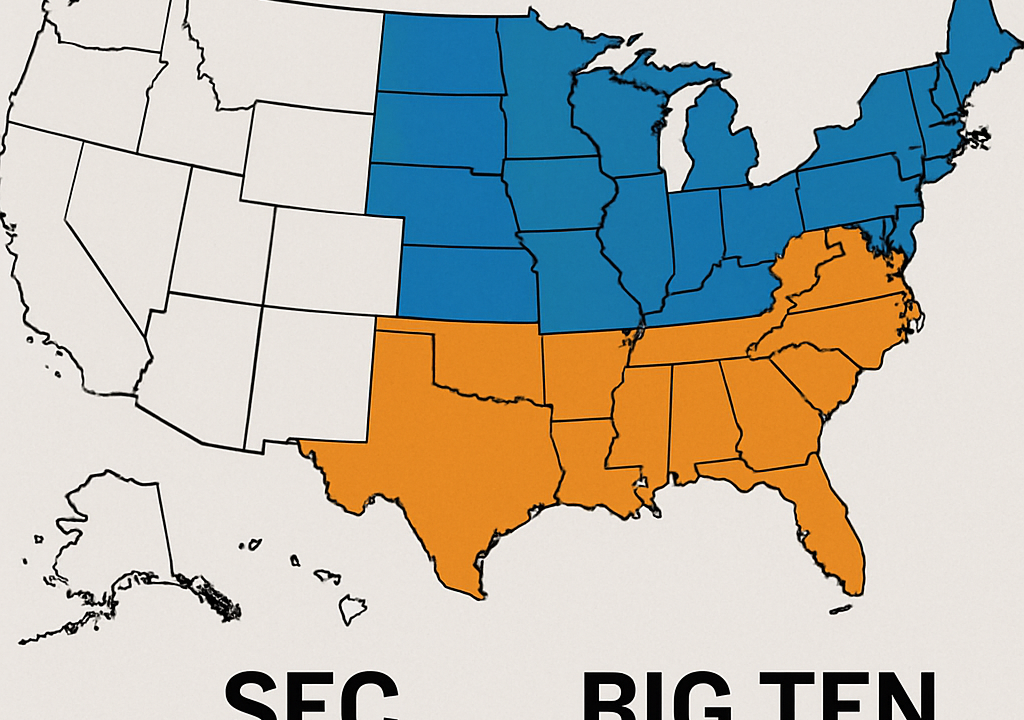
Regional fan culture (for example SEC vs Big Ten norms) shapes tone and expectations, so finding the right fit matters as much as finding the right platform.
Tapping the Digital Pulse
Online fan spaces are the always-on version of game day. The best communities combine fast updates, informed debate, and recurring users who return every week.
For school-level discussion, niche communities such as
TexAgs show how deep fan ecosystems can become around one program.
Most users build momentum by combining several channels:
- Large public fan forums for cross-team discussion.
- Team-specific servers and message boards for detailed talk.
- Social platforms for live reaction during games.
- Alumni and local watch-group channels for in-person crossover.
Choosing Your Culture Fit
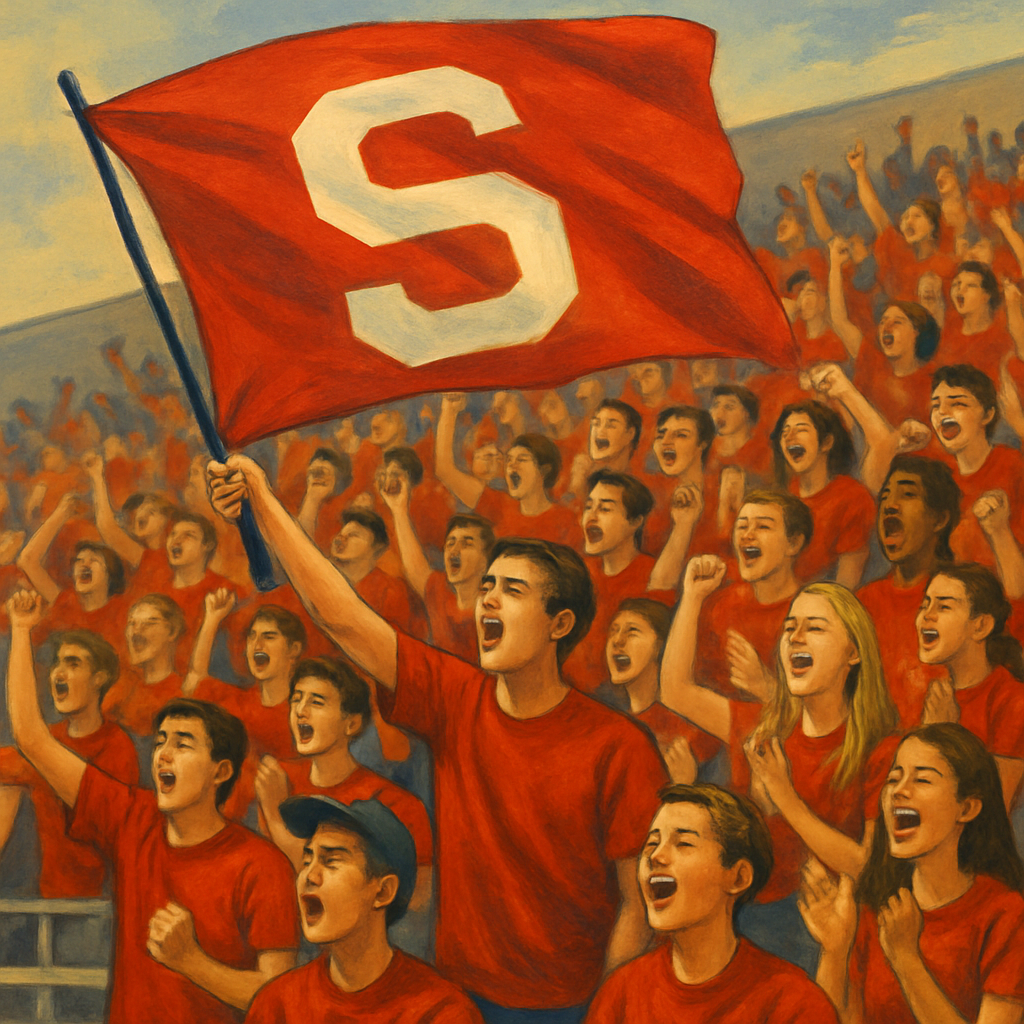
Not all communities feel the same. SEC-heavy spaces may emphasize tradition, intensity, and rivalry-first identity.
Big Ten-oriented communities often center on regional loyalty, weather-hardened game day routines, and long-form tactical discussion.
Pick the environment that matches your style, not just your favorite team.
Fit improves retention, and retention is what turns a reader into a recognized member.
Beyond Discussion: Booster and Donor Networks
Many fans stop at conversation, but deeper communities are built through booster groups, donor circles, and recurring events.
You do not always need alumni status to join. Many programs provide open membership tiers with practical perks.
- Priority ticket windows
- Member-only events
- Travel and meetup opportunities
- Direct program updates through newsletters
Student and Campus-Adjacent Communities
Student sections and intramural groups are often the source of long-term fan identity.
Even if you are not on campus, you can follow student-driven traditions through official school channels, fan media, and local watch groups.
This is where game-day energy, school rituals, and social belonging become one ecosystem rather than separate experiences.
NIL and the Future of Participation
NIL changed how communities support athletes. Fans can now participate financially through compliant structures instead of only buying tickets and merchandise.
To understand the direct-support model, see
Direct Fan-to-Athlete NIL Deals.
For broader platform context, visit RallyFuel.
If you are new to the rules side, use the NCAA guidance at
NCAA NIL overview.
4-Step Entry Plan
- Pick one program: choose based on geography, alumni ties, or style fit.
- Join two digital spaces: one broad forum and one team-specific community.
- Show up weekly: comment with value, not just reactions after wins.
- Commit long-term: join a booster, alumni chapter, or NIL support channel.
The Bottom Line
Active college sports communities reward consistency more than expertise.
Start small, engage respectfully, and return often.
Over time, your online presence becomes real social capital that connects digital fandom with in-person tradition.