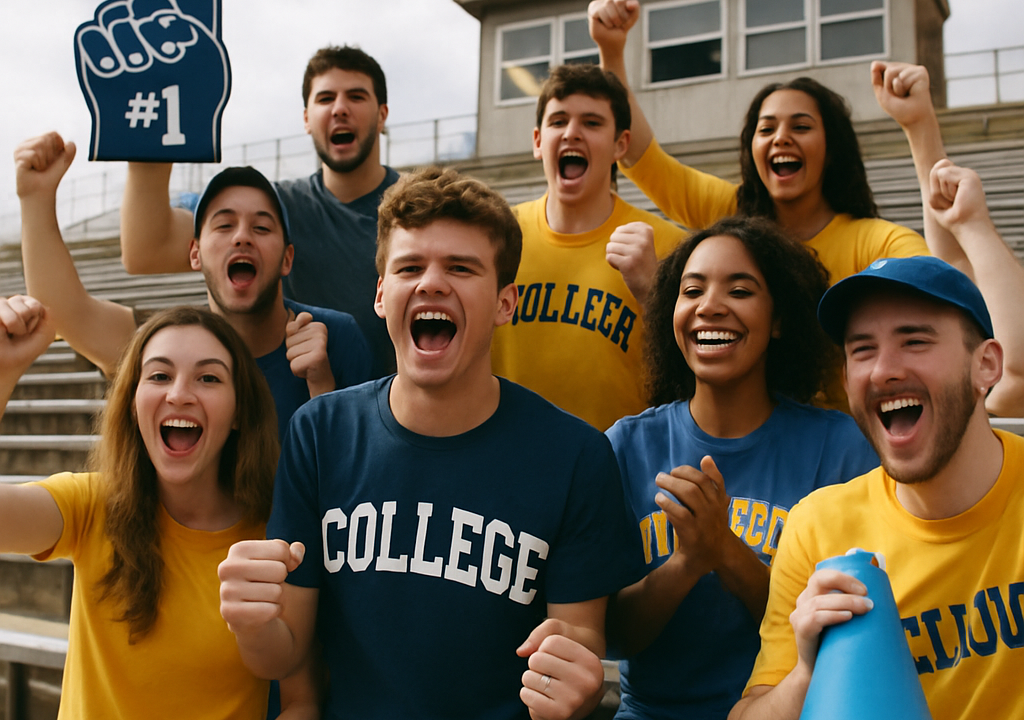
Fan-Driven Collectives College Athletics: A Playbook for Smaller Programs
Fan-driven collectives college athletics communities are quietly rewriting the rules for smaller programs. The landscape of college athletics has undergone a seismic shift since the introduction of Name, Image, and Likeness (NIL) policies. While power-conference juggernauts often make headlines with multi-million-dollar deals backed by wealthy mega-donors, the reality for mid-major universities, Division II, and Division III schools is vastly different. For these institutions, the secret to staying competitive doesn’t lie in a handful of billionaires; it lies in the collective power of the community.
Enter fan-driven collectives for smaller programs. These grassroots organizations pool resources from alumni, local businesses, and everyday supporters to provide financial opportunities for student-athletes. By prioritizing genuine fan engagement and tapping into deep-rooted community fandom, small schools are proving they can punch well above their weight class in the NIL era. To see how this movement is evolving across the sport, explore our wider NIL trends coverage on RallyFuel.
The New Reality of Fan-Driven Collectives College Athletics Era
For smaller universities, the stakes have never been higher. The modern athletic environment moves incredibly fast, and smaller programs are often the ones feeling the growing pains most acutely — a topic we explored in Why Division II and III Athletes Deserve NIL Opportunities Too.
One of the most pressing challenges is the NIL transfer portal impact on mid-majors. Frequently, smaller programs excel at identifying and developing hidden talent, only to watch those breakout stars transfer to larger programs that offer lucrative NIL packages. To stop the bleed and retain their homegrown talent, mid-majors must establish localized funding systems that give athletes a compelling reason to stay.
So, how do fan-driven collectives college athletics supporters build at smaller schools actually stay competitive? They don’t try to outspend the powerhouses. Instead, they lean into their unique advantages: tight-knit alumni bases, passionate local economies, and hyper-focused community support.
Building Sustainable Funding Models
A major hurdle for any athletic program is maintaining a steady stream of revenue without burning out the donor base. Finding sustainable NIL funding models for mid-majors requires a pivot away from relying solely on major benefactors and moving toward community-driven participation.
Shifting the Financial Approach
When comparing subscription-based vs donor-led NIL models, smaller programs often find more long-term success with the former.
- The Donor-Led Model: Relies on large, sporadic checks from high-net-worth individuals. While helpful, this often leads to a heavy reliance on a few people and risks drying up when those donors step back.
- The Subscription-Based Model: Focuses on micro-donations. Getting 1,000 dedicated fans to commit to $15 a month creates a reliable, predictable budget of $180,000 a year.
This subscription approach is incredibly effective for overcoming donor fatigue in niche sports markets. Instead of constantly asking for large sums, collectives can offer tiered memberships where fans feel they are getting value in return for their modest monthly contributions.
Enhancing the Fan Experience
To keep subscribers happy and engaged, fan driven collectives should elevate fan engagement and provide tangible value. One highly successful tactic is offering exclusive athlete content for collective members. This can include:
- Behind-the-scenes practice footage
- Private meet-and-greet events or virtual Q&As with players
- Autographed merchandise and exclusive apparel
- Early access to team news and inside analysis
When fans feel intimately connected to the athletes they support, their monthly subscription feels less like a donation and more like an all-access pass to their favorite team.
Leveraging Local Communities
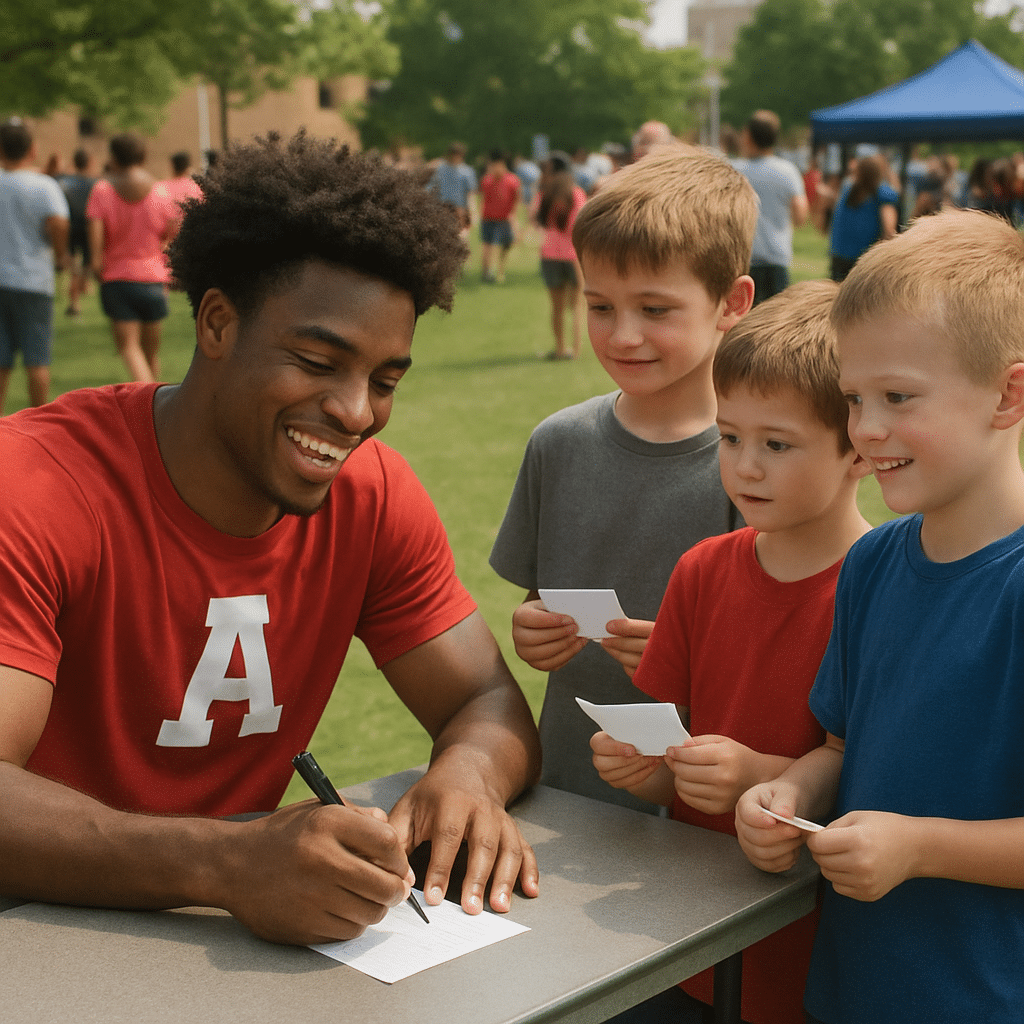
Instead of chasing Fortune 500 companies, smaller programs thrive by utilizing community-based athlete sponsorship strategies. The local pizza parlor, the family-owned car dealership, and the regional credit union all stand to benefit from partnering with local college stars.
When evaluating local business partnerships vs national endorsements, local deals offer a higher degree of authenticity. A point guard promoting a beloved local diner resonates deeply with the community. These partnerships are mutually beneficial: local businesses get targeted, high-affinity marketing, and student-athletes earn valuable NIL compensation while building relationships with local business leaders. They also strengthen community fandom and local pride.
A Step-by-Step Guide to Launching a Local NIL Collective
Starting an NIL organization from scratch can feel daunting, but breaking it down into actionable phases makes it achievable. Here is a practical, step-by-step guide to launching a local NIL collective for your smaller program.
1. Establish the Legal and Financial Framework
Before collecting a single dollar, you must determine your entity structure (usually an LLC or a nonprofit). You need to ask yourself: what are the legal risks of NIL collectives? Potential pitfalls include running afoul of state NIL laws, NCAA regulations, or internal university policies. Consult with a sports attorney to ensure your foundation is rock solid.
Be incredibly cautious regarding tax implications for 501c3 NIL organizations. The IRS recently issued memorandums challenging the tax-exempt status of collectives whose primary purpose is paying athletes rather than serving a charitable mission. Many fan-driven collectives college athletics organizations are now opting for LLC structures to avoid severe IRS penalties down the road.
2. Form a Capable Advisory Board
Your board should consist of well-connected alumni, local business owners, legal experts, and marketing professionals. You need a team capable of managing compliance for small program athletic boosters, as the lines between a university booster and a collective operator must remain clearly defined to prevent NCAA violations.
3. Ensure Equitable Distribution and Title IX Compliance
While the collective is technically independent of the university, Title IX considerations for fan-funded collectives are becoming a massive focal point. If a collective only funds male athletes, it can create a hostile environment and potential legal liabilities for the university under emerging interpretations of federal law. Ensure your collective has clear initiatives to support female athletes and non-revenue niche sports.
4. Execute Grassroots Donor Recruitment
Grassroots donor recruitment for small colleges requires a boots-on-the-ground approach. Host tailgates, speak at local Rotary club meetings, and utilize targeted social media campaigns. Highlight the direct impact that a $20/month contribution has on retaining the team’s top talent.
5. Launch and Deliver Value
Roll out your tiered subscription platform. Ensure the technology is user-friendly and immediately deliver on the promised perks, like exclusive athlete content and local event invitations.

Empowering the Student-Athlete
While financial compensation is the primary driver of NIL, collectives at smaller programs have a unique opportunity to provide holistic education. Unlike massive universities where athletes might get lost in the shuffle of mega-agencies, mid-major collectives can offer highly personalized student-athlete brand management for small schools.
Smaller collectives can host workshops teaching athletes how to:
- Build a professional LinkedIn and social media presence.
- Negotiate their own contracts with local businesses.
- Manage their taxes and understand financial literacy.
- Perform well in media interviews and public speaking engagements.
By focusing on these vital life skills, fan-driven collectives college athletics programs do more than just facilitate a paycheck. They prepare young adults for life after the final whistle blows, making the university a highly attractive destination for recruits who want to be treated as individuals, not just numbers on a roster. For more on player development resources, see our Getting Started hub for athletes.
Conclusion: The Power of Fan-Driven Collectives College Athletics Communities
The era of Name, Image, and Likeness does not have to be an exclusive playground for the richest athletic departments in the country. By embracing fan-driven collectives college athletics programs at every level, mid-majors and small colleges can carve out their own highly competitive space in the sports landscape.
Success for smaller programs relies on shifting the mindset from passive viewing to active participation. By leveraging community fandom, leaning into localized business partnerships, and adopting sustainable, subscription-based models, small schools can protect their rosters from the transfer portal and provide meaningful, life-changing opportunities for their student-athletes.
When a community comes together, every dollar, every fan, and every local business plays a vital role in the team’s success. For the passionate supporters of mid-major programs, the message is clear: you don’t need a billionaire to win in the NIL era. You just need each other.
Frequently Asked Questions
Question: What is a fan-driven collective, and why is it a good fit for smaller programs?
Short answer: It’s a grassroots NIL organization that pools support from alumni, local businesses, and everyday fans to create paid opportunities for student-athletes. Smaller programs thrive with this model because they can’t outspend powerhouses, but they can leverage tight-knit communities, deep local pride, and authentic fan engagement to compete effectively.
Question: How can a small-school collective help retain athletes amid transfer-portal pressure?
Short answer: By building a predictable, localized funding stream and a strong sense of community belonging. Subscription-driven stipends, authentic local sponsorships, and consistent engagement (events, insider content, recognition) give athletes compelling financial and relational reasons to stay, rewarding both performance and loyalty without needing mega-donor budgets.
Question: Which funding model is most sustainable for mid-majors—donor-led or subscription-based?
Short answer: Subscription-based models are typically more sustainable. Instead of relying on sporadic large checks, micro-donations create reliable budgets (e.g., 1,000 fans at $15/month equals $180,000/year) and reduce donor fatigue, especially when paired with tiered memberships that deliver tangible perks and a sense of ongoing value.
Question: What legal and compliance steps should we address before launching a collective?
Short answer: First, choose the right entity (many opt for LLCs given recent IRS scrutiny of 501c3s that primarily pay athletes) and consult a sports attorney to align with state NIL laws, NCAA rules, and campus policies. Build a capable advisory board (alumni, local business leaders, legal and marketing experts), maintain clear separation from university booster activities, and prioritize equitable support—including Title IX-conscious initiatives for women’s and non-revenue sports. Then follow a phased launch: 1) establish the legal/financial framework, 2) form the board, 3) set equitable distribution policies, 4) execute grassroots donor recruitment, and 5) launch a user-friendly, perk-driven subscription platform.
Question: How do we keep fans and local businesses engaged so they feel real value?
Short answer: Offer meaningful, members-only experiences and authentic local partnerships. Perks like behind-the-scenes content, meet-and-greets or virtual Q&As, autographed items, exclusive apparel, and early access to news make subscriptions feel like an all-access pass, not a donation. For businesses, prioritize community-based sponsorships—local endorsements resonate more, deliver targeted, high-affinity marketing, and create win-wins for athletes, partners, and the program.