

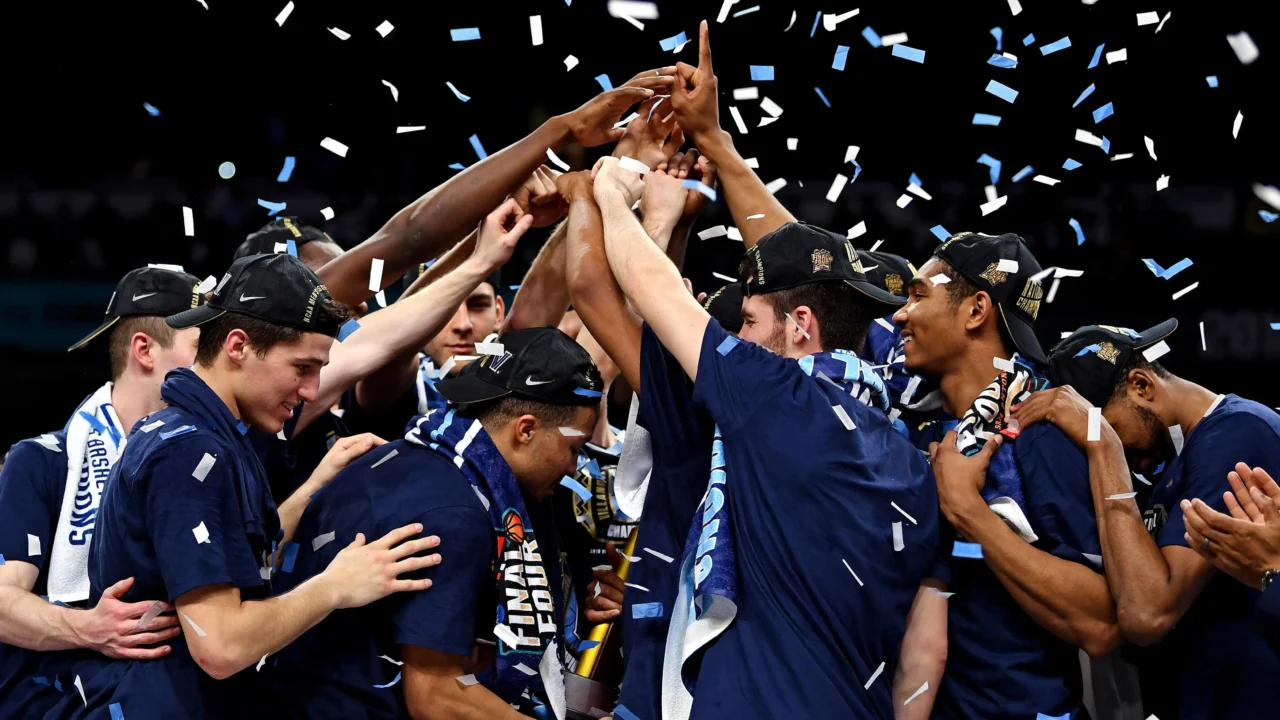
For decades, being an Anteater athlete meant playing solely for the love of the game and a hard-earned scholarship. Today, UC Irvine students are adding “Business Owner” to their resumes before they even graduate. This shift is driven by a nationwide change in sports rules allowing a college athlete’s NIL (Name, Image, and Likeness), also known as college athlete nil in many discussions, to be monetized. Student-athletes can now be paid for their local fame—like partnering with neighborhood brands or starring in social media campaigns—just like any other student can be paid for a part-time job.
For a university famous for its academics and lacking a massive college football program, this new landscape offers unique advantages. According to sports business experts, schools like UCI are perfectly positioned to thrive. Without football dominating the spotlight, UC Irvine NIL deals are breathing fresh energy into powerhouse programs like men’s basketball, baseball, and men’s volleyball. Our athletes are becoming visible community ambassadors, connecting the Bren Events Center directly to the bustling shops at the Irvine Spectrum and University Center.
Beyond just scoring points on the court, this emerging ecosystem creates a powerful win-win scenario for Orange County. Local businesses get to partner with popular, hardworking students to reach new customers, while the athletes gain crucial financial support and real-world marketing experience. This new era not only helps UCI compete at the highest levels of the Big West Conference but also strengthens the deep bond between the campus and the community.
Summary
UC Irvine’s NIL era empowers student-athletes to monetize their name, image, and likeness through hyper-local partnerships that benefit athletes, businesses, and the community. With no football program, visibility flows to basketball, baseball, and volleyball, supported by the Rip Tide collective and strict compliance with California law, NCAA rules, and Big West policies. This guide covers how to pursue, disclose, and evaluate deals; manage social media influence, contracts, financial aid, taxes, and international-student limits; and avoid common pitfalls. Fans and local brands fuel sustainable opportunities, helping Anteaters build marketable, career-ready skills.
Transforming Scholarships into Careers: How NIL Empowers the Modern Anteater
For decades, an athletic scholarship was the financial finish line. Today, it launches an exciting era of student-entrepreneurship in the college athlete nil marketplace. By competing at a high level, UC Irvine athletes create “brand equity”—a trusted, recognizable reputation that holds tangible value in the community. Through local sponsorships, building a personal brand as an Anteater gives these young adults a massive head start in the business world before graduation.
Balancing grueling practices with heavy course loads is tough, but adding marketing deals demands incredible maturity. Unlike traditional part-time campus jobs, this modern approach functions differently:
Flexible Hours: Promotional content is created on their own time, fitting seamlessly around away games and midterms.
Creative Control: Athletes actively choose local Irvine businesses that authentically match their personal values.
Official Oversight: Every partnership involves a formal student-athlete name, image, and likeness disclosure process to guarantee NCAA compliance.
Ultimately, this hands-on experience turns brief collegiate fame into lasting career skills, teaching financial literacy and contract negotiation. To safely connect with Orange County supporters, athletes rely on a dedicated community network to help manage the business landscape.
Navigating the ‘Rip Tide’: Why the UCI Collective is the Engine of Success
Navigating the business side of college sports can be overwhelming for a full-time student, which is where an NIL collective steps in to help. Think of a collective as a central community fund where fans, alumni, and local businesses pool their financial resources to create marketing deals for athletes. Instead of a busy basketball player hunting down individual sponsorships, this organization handles the heavy lifting of connecting them with willing community partners and streamlines uc irvine nil deals across sports.
For UC Irvine, this dedicated community engine is known as the Rip Tide. This specific organization works tirelessly to ensure that athletes across all sports—from the volleyball court to the baseball diamond—can easily access Anteater NIL collective benefits. By gathering contributions from Orange County supporters, the Rip Tide creates organized, paid opportunities like local charity appearances or youth sports clinic coaching, allowing athletes to focus on their midterms and practices.
Every dollar contributed directly fuels these tangible student opportunities, making a massive difference in how UCI attracts and supports local talent. However, this community pot isn’t distributed blindly; every transaction must carefully align with Big West Conference NIL rules to ensure absolute transparency. Protecting both the school and the student-athletes requires strict adherence to these established regulations.
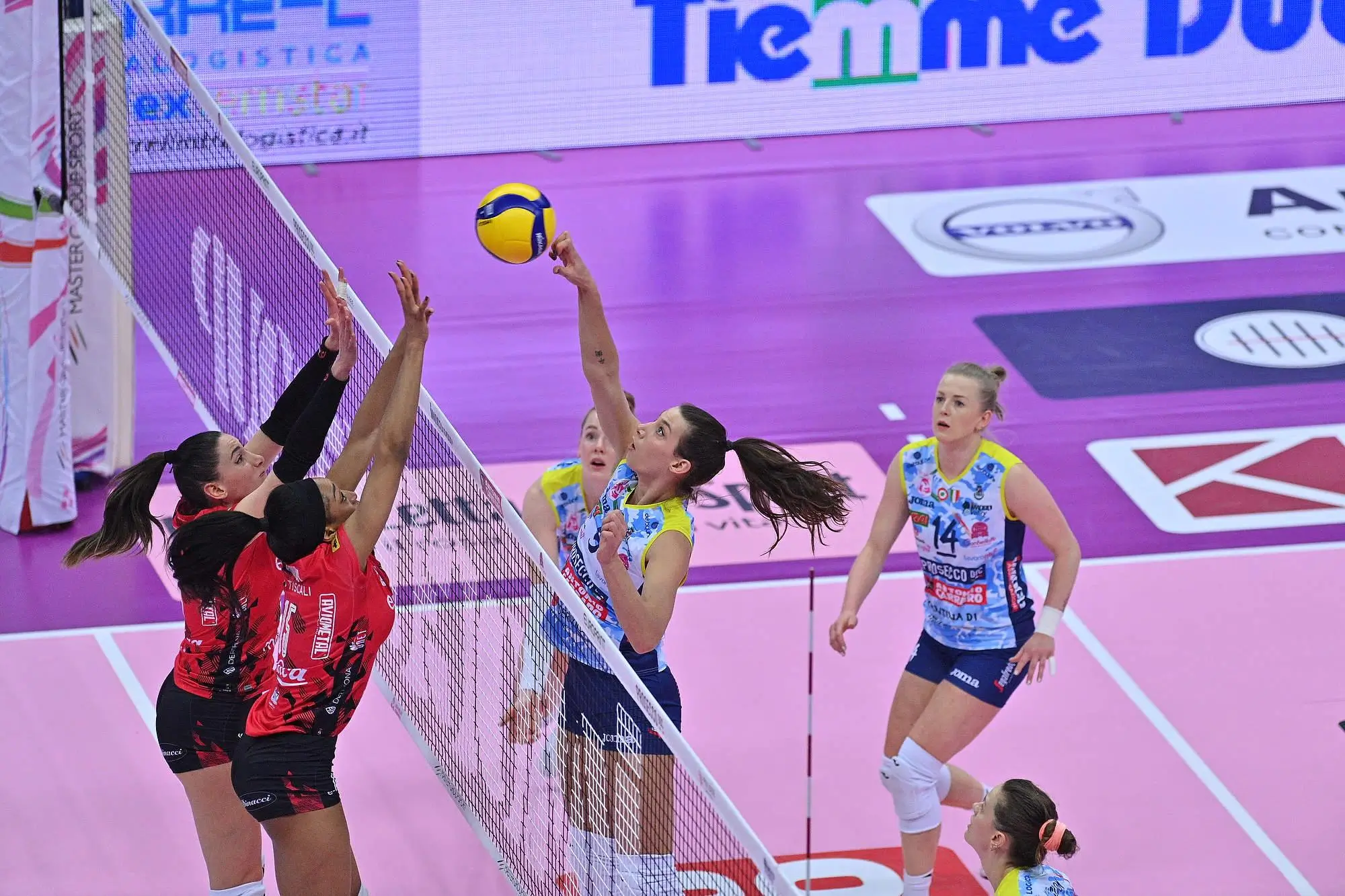
California’s Playbook: Understanding State Laws and NCAA Guardrails
The Golden State pioneered the current era of student compensation by passing the Fair Pay to Play Act. This groundbreaking California NIL law for college athletes fundamentally changed the landscape, granting four key protections:
- Students can legally hire professional sports agents for representation.
- Scholarships remain protected regardless of how much an athlete earns from brands.
- Universities are prohibited from directly paying the athletes themselves.
- Student deals cannot legally conflict with official university sponsorships.
Even with these new freedoms, strict NCAA guardrails remain in place to keep the system fair and focused on academics. The most important compliance rule for Anteater sponsorships is the strict “no pay-for-play” mandate. Athletes cannot receive money simply for enrolling at UC Irvine or hitting a game-winning home run. Every dollar they earn must be tied to actual work, like posting an advertisement on social media or coaching at a local youth summer camp.
To ensure every partnership aligns with these rules, UCI’s compliance office carefully reviews all agreements before they launch. This vital oversight protects students from losing their playing eligibility while keeping local businesses safe from unexpected violations.
Beyond the Court: Identifying Top NIL Opportunities for UCI’s Non-Football Stars
Without a football program, UC Irvine thrives on the success of its basketball, volleyball, and baseball teams. This landscape creates prime opportunities for local influencer marketing. Rather than competing for expensive gridiron stars, businesses around Orange County can partner with a diverse roster of athletes. A standout point guard or powerful volleyball spiker often boasts a highly dedicated community of local fans, instantly making them effective brand ambassadors.
Savvy partners understand that sheer follower size matters less than genuine connection when evaluating student-athlete social media engagement. While a national celebrity reaches distant strangers, a UCI baseball player’s audience heavily features local residents and fellow students. If a neighborhood cafe wants weekend foot traffic, an endorsement from an Anteater whose followers actually live near campus delivers far better results than a generic national advertisement.
Finding the perfect match requires aligning an athlete’s personal brand with a company’s values, much like a local gym partnering with a dedicated track runner. Once businesses identify their ideal campus partners, the next vital step is making the paperwork official.
From Likes to Leases: A Step-by-Step Guide to the UCI Disclosure Process
Securing a brand partnership feels like a massive win, but before an Anteater can post a sponsored photo, they must navigate existing compliance guardrails. Transparency ensures deals represent actual work rather than disguised bonuses for winning games. To protect their eligibility, players follow a strict timeline, submitting all partnership details before any money changes hands or campaigns launch.
Navigating this student-athlete disclosure process relies on a digital platform called ARMS. This software acts as the central hub among the UCI Athletic Department compliance resources, guiding athletes through three essential steps:
Log the Agreement: Enter the brand’s name, compensation amount, and the exact services required.
Attach Contracts: Upload the official paperwork so administrators can verify no university trademarks are misused.
Wait for Approval: Pause all promotional activity until the compliance team formally clears the submission.
Following this digital roadmap helps athletes easily sidestep common eligibility traps that could potentially bench them for a season. With administrative hurdles cleared, the player and brand can confidently launch their local collaborations.
The Local Business Advantage: Why Partnering with Anteaters Beats Traditional Ads
A local business sponsorship offers a highly personal alternative to generic advertising. Teaming up with a UCI athlete unlocks hyper-local ROI, meaning the return on investment relies on deep community trust rather than broad, expensive reach. When residents see a familiar athlete genuinely enjoying a local spot, it feels like a neighbor’s recommendation instead of a standard billboard. For many uc irvine nil deals, this neighbor-to-neighbor trust is the difference-maker.
Building on this immediate foot traffic, collaborations foster long-term loyalty through the “alumni effect.” Orange County houses thousands of proud UCI graduates who eagerly support shops investing in their alma mater. As owners discover how to partner with Anteater athletes, they realize they aren’t just buying marketing; they are actively backing a student’s success. This tangible goodwill naturally encourages fans and former students to choose that business over competitors.
Shifting from traditional commercials to student endorsements provides neighborhood storefronts with a relatable community voice. Maximizing this hometown connection requires evaluating an athlete’s true digital influence before drafting any contracts.
Smart Social Media: How to Evaluate an Anteater’s Digital Influence
Scrolling through a UCI volleyball player’s Instagram, it is tempting to focus solely on their total followers. However, businesses often find more success partnering with “micro-influencers”—athletes with smaller, but highly dedicated, local audiences. Successfully evaluating student-athlete social media engagement requires distinguishing broad “reach” (how many people passively scroll past) from true “influence” (how many locals actually trust the recommendation).
Before drafting a deal, sponsors can review an athlete’s Instagram Insights, a built-in dashboard showing behind-the-scenes audience data. As students focus on building a personal brand as an Anteater, they track specific engagement metrics to prove their community value. Focus on these three numbers instead of total followers:
Engagement Rate: The percentage of fans who actively like, share, or comment on a post.
Audience Location: Data proving the followers actually live in Orange County.
Action Taken: How often fans click a profile link or save a post to visit later.
Finding the right digital partner ensures community dollars create genuine hometown excitement.
Navigating the Global Game: NIL Rules for International Student-Athletes
Watching an Anteater basketball game reveals that UC Irvine recruits talent globally. However, these stars cannot simply sign the same local sponsorships as their American teammates. Most overseas students hold an F-1 visa, which strictly limits employment. Because federal law views these visas as permits for studying rather than working, international student-athlete NIL restrictions are incredibly tight—these college athlete nil limits require extra care. Performing “active” work—like filming a paid commercial—can actually cost a student their visa.
The key to keeping these athletes safe lies in understanding the difference between active and passive income. Active work involves providing a direct service, such as running a paid volleyball clinic or posting a sponsored advertisement from a dorm room. Passive earnings require no ongoing effort while on American soil. A foreign-born player could design a custom t-shirt and let a local company sell it, earning a hands-off royalty on each purchase without technically working.
Navigating these boundaries requires expert guidance so nobody accidentally jeopardizes their education. Athletes rely on UCI Athletic Department compliance resources to evaluate deals and identify safe paths, like signing endorsements only when visiting their home countries. Whether a player is from Sydney or Sacramento, generating new wealth introduces financial considerations for the entire roster.
Protecting the Purse: How NIL Income Affects Financial Aid and FAFSA
Scoring a sponsorship is exciting, but extra paychecks can create hurdles at the financial aid office. The FAFSA formula uses a student’s income to calculate the Expected Family Contribution (EFC)—the baseline amount a family is assumed able to pay for college. If an Anteater earns too much, their EFC rises, potentially decreasing their federal or state assistance.
To survive this balancing act, players must understand the difference between merit-based and need-based support. While a talent-based athletic scholarship rarely changes, managing financial aid with NIL income means watching need-based packages closely. Athletes should calculate their actual “net gain” by subtracting any lost grants from their new earnings before signing a contract. The funding most vulnerable to sudden income spikes includes:
- Federal Pell Grants
- Cal Grants and state tuition assistance
- University-specific need-based housing stipends
Future preparation prevents unexpected financial shocks during the following academic year. Independent wealth alters the FAFSA and introduces new tax responsibilities.
The Tax Man Cometh: Essential 1099 Advice for College Entrepreneurs
Traditional campus jobs provide a standard W-2 form, automatically removing taxes from each paycheck. However, the tax implications of college athlete sponsorships operate differently because these students act as independent contractors. When an Anteater partners with a Newport Beach restaurant, they receive a 1099-NEC form at the end of the year. This document signifies non-employee compensation, meaning no taxes are withheld upfront by the business.
Without an employer withholding funds, young entrepreneurs must prepare for the self-employment tax. Since independent workers lack a company to match their Medicare and Social Security contributions, they owe the full share themselves. A smart strategy for safely managing UC Irvine NIL deals involves placing at least thirty percent of all endorsement earnings into a dedicated tax reserve account, ensuring the money is ready in April.
Fortunately, this business-owner status allows athletes to deduct legitimate expenses to lower their total tax burden. Paying a photographer for promotional headshots or buying lighting for a sponsored post directly offsets their taxable income. Protecting this income from surprise penalties allows student entrepreneurs to confidently pitch local Irvine brands.
Crafting a Professional Pitch: How to Approach Local Irvine Brands
Stepping into the local business scene requires more than just athletic talent; it demands a solid understanding of the “value-exchange” mindset. When a UCI volleyball player approaches a cafe near the campus, the conversation shouldn’t start with what the athlete wants, but rather what they can give. Whether it means driving weekend foot traffic or increasing online engagement, building a personal brand as an Anteater is about proving your genuine worth to the community.
To successfully initiate these collaborations, athletes need a professional pitch deck—a simple, one-page business resume. Instead of writing a generic message, students should attach this document to show exactly what they bring to the table. Every effective pitch deck must include five essential elements:
- A brief biography highlighting your campus and athletic involvement.
- Clear social media analytics demonstrating your local follower reach.
- Your audience demographics, like fellow students or local alumni.
- Specific collaboration ideas, such as hosting an in-store event.
- Direct contact information for quick and seamless communication.
Sending that initial cold email to an Orange County business owner might feel intimidating, but local entrepreneurs are often eager to learn how to partner with Anteater athletes. Before agreeing to exciting local collaborations, students must ensure their deals align with conference regulations.
Big West Boundaries: Comparing UCI’s Rules to Other Conference Schools
Navigating college sports means understanding the playground. For Anteaters, the Big West operates as a regional “developer” league where athletes build their recognizable brands locally. When reviewing Big West Conference NIL rules, the guidelines ensure fair play among academic peers like UC Santa Barbara and Long Beach State. Because these schools share similar state laws and compliance guardrails, the true competitive separator isn’t a regulatory loophole, but genuine community engagement.
Without a massive football program, Irvine’s basketball, baseball, and volleyball stars enjoy the distinct advantage of being the big fish in a mid-major pond. Orange County brands investing in UC Irvine NIL deals don’t have their attention or budgets divided by a towering football roster. This focused spotlight allows Anteaters to capture meaningful local partnerships that easily rival opportunities at much larger, crowded institutions.
Once an athlete understands their favorable position against conference rivals, they can strategically structure these community collaborations.
From Endorsements to Equity: Comparing Different Deal Types for Students
Stepping into the business world requires Anteater athletes to balance demanding practices with commercial ventures. When comparing NIL and traditional endorsement contracts for students, the biggest difference is flexibility. Athletes must evaluate which opportunities fit their busy academic lives rather than signing rigid, full-time corporate obligations.
To make sense of these options, most UC Irvine NIL deals fall into three distinct categories:
One-Off Influencer Posts: A simple exchange where a player receives a flat fee for sharing a single Instagram photo enjoying a meal at a University Center restaurant.
Recurring Brand Ambassadors: A deeper, season-long relationship representing a local Newport Beach business, requiring regular community appearances and ongoing campaigns.
Affiliate Marketing: A performance-based setup where athletes share a custom discount code online and earn a percentage of every sale, offering ultimate schedule flexibility.
Choosing between a quick promotional shoutout or a long-term ambassador role ultimately depends on a student’s bandwidth between midterms and game days. Navigating these agreements safely requires understanding the complex legal paperwork.
Protecting Your Future: 3 Red Flags to Watch for in NIL Contracts
Signing a retail deal is thrilling, but athletes must avoid hidden “forever clauses” known as perpetual rights. Some sneaky contracts try claiming an athlete’s image for life. A healthy agreement only lasts for a specific timeframe, ensuring students still control their own personal brand after graduation.
Overly restrictive exclusivity clauses present another major hurdle that can quietly block future income. Imagine a UCI volleyball player promoting a local cafe, only to realize the fine print prevents them from working with any other food company in Orange County. The required campus disclosure process helps catch these overly broad restrictions before a small partnership ruins a major opportunity down the road.
Students must also evaluate “morals clauses,” which let brands cancel deals if an athlete’s behavior hurts their public image. Smart athletes ensure this protection goes both ways, allowing them to walk away if the sponsoring company acts unethically. Protecting an Anteater’s reputation matters just as much as securing a paycheck.
The Fan’s Role: How to Boost UCI Athletics Without Writing a Big Check
You don’t need a millionaire’s bank account to help an Anteater athlete succeed. Welcome to the “Engagement Economy,” a system where your attention is just as valuable as your wallet. When local businesses consider offering UC Irvine NIL deals, they look closely at who is actually cheering in the stands and scrolling on social media.
Every ticket scanned at the Bren Events Center directly boosts an athlete’s marketability because brands want partners with an active, passionate audience. Fans can organically increase Anteater NIL collective benefits and individual player value through four simple, free actions:
- Following and sharing student-athletes’ social media posts.
- Attending games to boost their local visibility.
- Liking and commenting on content created by their sponsors.
- Leaving positive reviews for the brands supporting the team.
Choosing to shop at local Irvine businesses that hire our students creates a rising tide for the whole community. When a neighborhood cafe sees weekend crowds surge after sponsoring a volleyball player, they keep investing in our athletes. These grassroots partnerships do more than just pay for textbooks; they prepare students for the corporate world.
Winning After the Buzzer: How NIL Experience Prepares You for the Corporate World
The changing landscape of college athletics offers an unprecedented opportunity for student-athletes to gain real-world business experience while wearing the blue and gold. When a basketball player promotes a favorite cafe near the campus, it highlights the community teamwork making that partnership possible.
The process of managing these partnerships is about much more than a simple endorsement. By navigating agreements, balancing academic responsibilities, and learning to market themselves, these students are effectively adding “Business Owner” to their resumes before they even graduate. The leadership and negotiation skills they develop today translate directly into powerful, practical abilities that employers actively seek.
This growth happens best when grounded in doing things the right way. Approaching these opportunities with a compliance-first mindset ensures that athletes protect their eligibility and their long-term futures. By valuing integrity and respecting the established guardrails, student-athletes demonstrate a high level of maturity, proving they are fully prepared for professional challenges in any future career.
Participating in this new era supports local businesses and champions a student’s entrepreneurial journey. Ultimately, building a personal brand as an Anteater is about forging lasting connections that elevate both the individual and the entire Orange County community.
Learn More About the NIL Landscape
Name, Image, and Likeness plays an increasing role in college sports, and understanding how it works often requires more than individual articles or news updates.
RallyFuel is a platform focused on NIL-related topics across college athletics. It brings together information about athletes, NIL activity, and the broader structure behind modern college sports, helping readers explore the topic in more depth.
Frequently Asked Questions
Question: Why is UC Irvine uniquely positioned to thrive in the NIL era without a football program?
Short answer: UCI’s lack of a football program shifts attention and resources to powerhouse sports like men’s basketball, baseball, and men’s volleyball, creating a focused, hyper-local marketplace for athlete partnerships. With visibility concentrated on these teams, Anteaters become community ambassadors who connect the Bren Events Center to nearby hubs like the Irvine Spectrum and University Center. This mid-major spotlight—paired with an engaged Orange County fan base—lets local brands tap into genuine, neighborhood-level trust and “alumni effect” loyalty, often delivering better ROI than broad, generic ads and helping UCI compete strongly within the Big West.
Question: What is the Rip Tide collective, and how does it support UCI athletes?
Short answer: Rip Tide is UC Irvine’s NIL collective—a community engine where fans, alumni, and local businesses pool funds to create paid, compliant opportunities for student-athletes. It streamlines UC Irvine NIL deals across sports by sourcing and organizing work like charity appearances and youth clinics so athletes can focus on school and training. Every opportunity is structured to align with Big West rules and the NCAA’s “no pay-for-play” standard, ensuring money is tied to actual services performed and not to enrollment or on-field outcomes.
Question: What rules and guardrails govern UC Irvine NIL deals, and what counts as “work”?
Short answer: California’s Fair Pay to Play Act allows student-athletes to hire agents, protects scholarships regardless of NIL earnings, bars universities from directly paying athletes, and prohibits deals that conflict with official university sponsors. The NCAA adds strict “no pay-for-play” guardrails: athletes can’t be paid to attend UCI or for performance stats; compensation must be for real deliverables (e.g., social posts, appearances, clinics). At UCI, athletes must disclose deals through the ARMS platform—logging the agreement (brand, compensation, services), attaching contracts (to check trademarks and conflicts), and waiting for approval—before launching any activity. This compliance-first process safeguards eligibility and protects businesses from violations.
Question: How do NIL rules differ for international student-athletes at UCI?
Short answer: Most international athletes are on F-1 visas, which tightly restrict employment. “Active” work done in the U.S.—like filming paid ads, posting sponsored content from campus, or running clinics—can jeopardize visa status. Safer paths focus on “passive” income (e.g., earning royalties from a design sold by a third party) or pursuing endorsements while abroad in their home countries. Because the boundaries are nuanced, international Anteaters should work closely with UCI compliance to evaluate each opportunity before acting.
Question: How can NIL income affect financial aid and taxes for Anteaters?
Short answer: NIL earnings can increase a student’s FAFSA-calculated Expected Family Contribution, potentially reducing need-based aid such as Federal Pell Grants, Cal Grants, or university need-based housing stipends. Athletic (merit) scholarships typically remain unchanged. Athletes should calculate the true “net gain” after any aid adjustments. For taxes, most NIL compensation is reported on a 1099-NEC as non-employee income, triggering self-employment tax. A prudent approach is to reserve at least 30% of earnings for taxes and keep receipts to deduct legitimate business expenses (e.g., photography, lighting for content), reducing the overall tax burden.




It’s exciting to see how UC Irvine athletes are leveraging NIL opportunities while still focusing on their academics and athletic performance. The shift toward monetizing Name, Image, and Likeness not only empowers student-athletes but also reflects a broader evolution in college sports. This kind of empowerment can help ease financial pressures and open doors to future career opportunities beyond athletics.