For decades, wearing the Crimson and Cream meant playing for glory alone, but today’s jersey acts as a business card for a personal empire. The rise of University of Oklahoma NIL deals has transformed student-athletes from amateurs into entrepreneurs focused on legitimate brand ownership. Now, a standout performance at Gaylord Family — Oklahoma Memorial Stadium acts as a marketing activation that drives real revenue rather than just applause.
With the move to the SEC, how Oklahoma Sooners athletes earn NIL money has become a critical factor for on-field success. Industry observation suggests that modern recruiting battles are often decided by the strength of third-party “collectives” rather than facilities alone. This ecosystem of college sports NIL determines how the Sooners stay competitive in this new era.
Summary
OU’s NIL era has turned student-athletes into independent contractors who monetize their brands through third-party deals, since the university cannot pay them directly. Two leading collectives—1Oklahoma (charitable, donor-driven) and Crimson and Cream (commercial, membership-based)—anchor funding, while local business partnerships and individual endorsements across sports expand opportunities. NIL now shapes recruiting, transfer-portal dynamics, and roster retention in the SEC, guided by compliance oversight, and it brings self-employment tax obligations addressed through OU’s financial literacy programs. Fans can help keep OU competitive by joining collectives, engaging athletes online, and supporting NIL-friendly local businesses.
The Professional Parallel: What NIL Actually Means for a Sooner Athlete
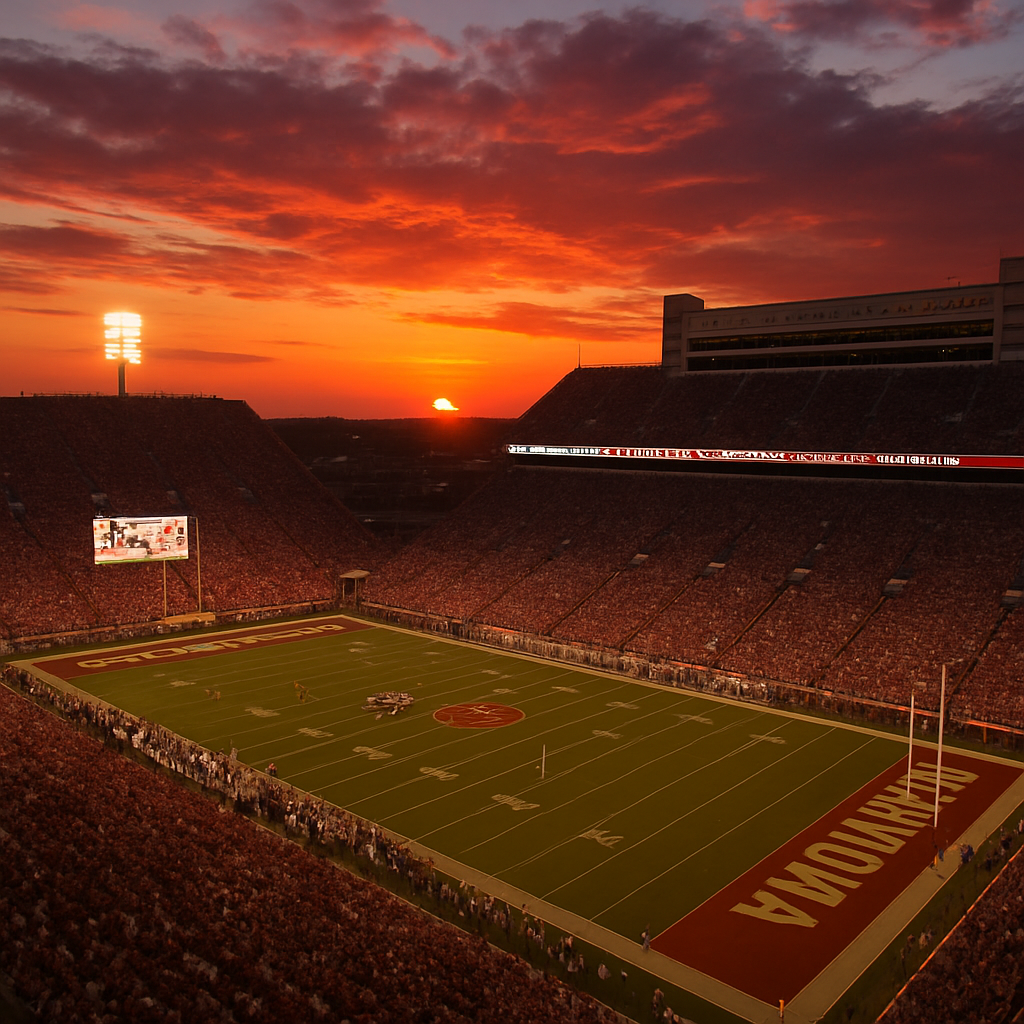
For decades, a Sooner quarterback’s compensation was limited to a scholarship and campus fame. That changed in 2021 when new NCAA name, image, and likeness rules for OU sports granted student-athletes the “Right to Profit.” Think of it like an NFL star filming a car commercial; the school provides the platform, but private businesses pay for the influence. Whether it’s a linebacker promoting a Norman steakhouse or a gymnast monetizing social media, athletes can finally cash in on their personal brands.
Consequently, the athlete operates as an independent contractor rather than a university employee. Under current Oklahoma state laws governing athlete compensation, OU cannot write a paycheck directly to a player for their performance. Instead, funds flow through third-party agreements, requiring players to manage their finances like small business owners. This decentralized model relies on external organizations to facilitate deals, paving the way for the specific donor groups that now dominate the recruiting landscape.
The Power Behind the Throne: Comparing 1Oklahoma and Crimson and Cream Collectives
Because the university cannot currently pay athletes directly, “Collectives” have emerged to bridge the financial gap. Think of these OU NIL collectives as fan-funded agencies: donors pool their money into a central organization, which then facilitates payments to athletes in exchange for legitimate work. While the goal is always to keep talent in Norman, the methods differ significantly between the two primary groups supporting Sooner athletics.
Distinguishing between 1Oklahoma Collective vs Crimson and Cream allows fans to contribute effectively. 1Oklahoma operates with a non-profit focus, coordinating charitable work where athletes serve the community for compensation. Conversely, Crimson and Cream functions closer to a subscription service, offering exclusive content and experiences to fans in exchange for monthly fees.
- 1Oklahoma: Focuses on tax-deductible donations used to pay athletes for partnering with local charities.
- Crimson and Cream: Operates on a commercial model, providing Crimson and Cream Collective membership benefits like autograph sessions and meet-and-greets.
- The Bottom Line: One appeals to philanthropic goals, while the other offers direct fan access to players.
Both models ensure OU remains competitive in the SEC by creating reliable income streams for the roster. However, these large organizations aren’t the only players in the game; individual endorsements allow for a different kind of connection between athletes and the community.
Norman’s New Economy: How Local Businesses and Stars Like Danny Stutsman Build Brands
Beyond large collective pools, analyzing how Oklahoma Sooners athletes earn NIL money reveals a vibrant ecosystem of direct partnerships. It isn’t just quarterbacks driving new trucks; we see robust brand partnerships for Oklahoma women’s gymnastics team members promoting local boutiques, and stars like Danny Stutsman marketing custom merchandise. These deals offer tangible ROI because Sooner fans are fiercely loyal to brands that support their team, viewing every purchase as a contribution to the program’s success.
For a Norman business wanting to get involved, the barrier to entry is surprisingly low. The steps for local businesses to sponsor Sooners typically follow a standard workflow to protect the athlete’s eligibility:
- Identify the fit: Choose an athlete whose image aligns with your specific customer base.
- Draft the terms: Clearly define the work, such as an autograph signing or social media post.
- Clear compliance: Submit the agreement through OU’s monitoring software (like Opendorse) for approval.
- Execute and pay: The athlete performs the service, and payment is processed upon completion.
Mastering these local connections is crucial, but on the national stage, high-dollar deals are weaponized to keep rosters intact against SEC rivals.
The SEC Arms Race: How NIL Influences the Transfer Portal and Roster Retention
As Oklahoma transitions into the SEC, the definition of a recruiting battle has fundamentally shifted. It is no longer enough to sign high school stars; programs must now re-recruit their current roster every year to prevent poaching by rivals. The impact of NIL on Oklahoma athletic recruiting is most visible here, where competitive compensation packages act as a shield, convincing key playmakers that their financial and athletic future is brightest in Norman rather than Austin or Tuscaloosa.
While the NCAA strictly forbids paying a recruit explicitly to sign, navigating the transfer portal with NIL incentives functions much like professional free agency. Collectives create opportunities that become available upon enrollment, effectively setting a market value for top talent. If a standout player enters the portal, rival schools can legally showcase the marketing potential of their specific market, creating a high-stakes environment that forces OU to maintain a robust, well-funded ecosystem to remain a destination for elite athletes.
Keeping these aggressive strategies legal falls to internal administrators acting as safeguards against future sanctions. The University of Oklahoma compliance office NIL guidelines ensure that every deal is vetted to protect both the player’s eligibility and the university’s reputation. However, once the ink dries and the deposits clear, these young athletes face a new, less glamorous opponent: the complexity of managing taxable income.
Beyond the Check: Financial Literacy and the Reality of Taxes for Student-Athletes
Many fans assume NIL money functions like a tax-free scholarship, but the IRS views it strictly as self-employment income. This reality introduces complex tax implications for college athlete endorsement deals , requiring young players to operate like small business CEOs who must set aside earnings for tax season. Even when supporters ask, do walk-on athletes at OU get NIL contracts, the answer is often yes, meaning everyone from the star quarterback to the scout team faces these same fiscal responsibilities.
To navigate this burden, the athletic department has prioritized practical education over simple compliance. Robust financial literacy programs for Oklahoma student-athletes now teach budgeting, credit scores, and investment strategies alongside traditional game film. These initiatives ensure that the windfall from NIL serves as a foundation for long-term wealth rather than a fleeting moment of income, preparing Sooners for success long after they hang up their cleats.
Winning the Future: Your Roadmap to Supporting the Crimson and Cream
Mastering the mechanics of University of Oklahoma NIL deals shifts your role from a passive spectator to an active participant in the program’s success. You now recognize that these partnerships are essential recruiting tools that keep the Sooners elite during the critical SEC transition. To turn this knowledge into impact, start here:
- Join a fan-tier membership at a reputable collective to directly help fund roster stability.
- Follow athletes on social media, since your engagement increases their digital market value.
- Support local businesses funding Oklahoma NIL deals to prove the investment yields results.
Does modern compensation change the spirit of the Crimson and Cream? It actually strengthens it by allowing top talent to build their lives in Norman. By embracing this new era, you ensure the Sooner legacy continues to dominate on the biggest stage.
Learn More About the NIL Landscape
Name, Image, and Likeness plays an increasing role in college sports, and understanding how it works often requires more than individual articles or news updates.
RallyFuel is a platform focused on NIL-related topics across college athletics. It brings together information about athletes, NIL activity, and the broader structure behind modern college sports, helping readers explore the topic in more depth.
👉 Explore the Athletes on RallyFuel – Discover top college athletes, compare NIL valuations, and dive deeper into the world of NIL.
Q&A
Question: Why can’t the University of Oklahoma pay athletes directly for their performance?
Short answer: Under current Oklahoma laws and NCAA rules, OU athletes are treated as independent contractors for NIL purposes, not university employees. That means OU cannot write paychecks tied to athletic performance. Instead, athletes earn money through third-party agreements—such as endorsements, appearances, or collective-facilitated activities—while the university focuses on compliance and education.
Question: What kinds of NIL activities count as “legitimate work” for OU athletes?
Short answer: Legitimate NIL work includes endorsements, social media promotions, autograph signings, appearances, custom merchandise, and community service projects arranged by collectives. For example, 1Oklahoma coordinates charitable engagements, while Crimson and Cream offers fan-facing experiences like exclusive content and meet-and-greets. Across sports, athletes—from football to women’s gymnastics—leverage these opportunities.
Question: How are NIL deals kept compliant at OU?
Short answer: Every agreement must be for real, documented services and go through OU’s compliance process, often via monitoring software like Opendorse. The compliance office reviews terms to protect eligibility and ensure there’s no pay-for-play or recruiting inducement; compensation is tied to actual deliverables and paid after the work is completed.
Question: How does moving to the SEC change the importance of NIL for OU?
Short answer: NIL now underpins recruiting and roster retention. In the SEC’s ultra-competitive environment, programs must re-recruit their own players annually while fending off transfer-portal interest. Although schools can’t pay recruits to sign, well-funded collectives can legally present opportunities available upon enrollment, effectively setting market value and helping OU keep elite talent in Norman.
Question: What can fans and local businesses do to strengthen OU’s NIL ecosystem?
Short answer: Fans can join a reputable collective, engage with athletes on social media to boost their market value, and support NIL-friendly local businesses. For businesses, the path is straightforward: pick an athlete who fits your brand, define the deliverables (e.g., a post or signing), submit the deal for OU compliance approval, then have the athlete perform and process payment upon completion.