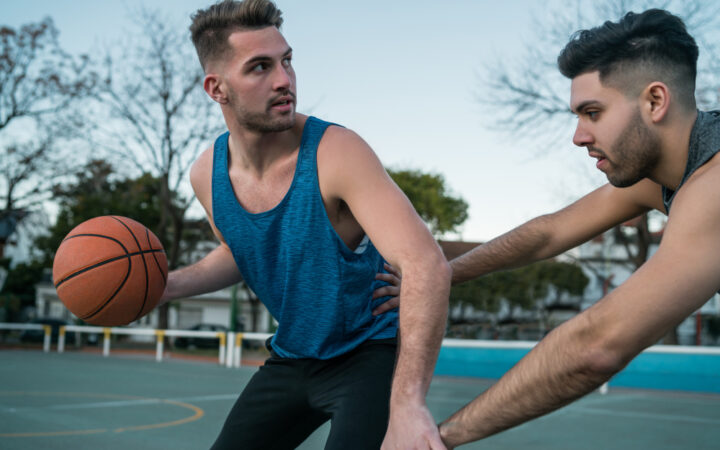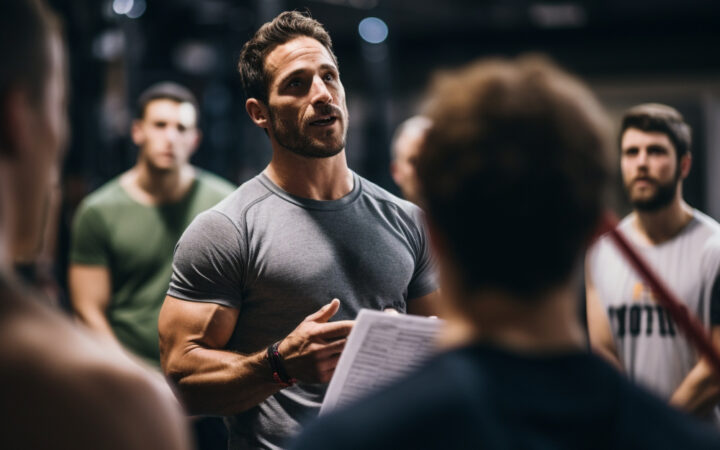
When the Friday night lights come on or the buzzer sounds in a packed gym, fans see the exciting part: the talent, the effort, the win or the loss. What they don’t see is everything that made the game possible in the first place. High school sport is administered by a whole network of people who handle far more than just what happens on game day.
Budgets, safety rules, coach training, paperwork, travel, fairness checks, every one of those things has someone behind it. So whether you want to become an athletic director, you already work in a school, or you’re just a curious parent, it helps to know who keeps this machine running and how they do it.
Who Runs the Show
At its heart, high school sports management is about giving student-athletes a place where they can stay safe, compete hard, and still keep up in the classroom. The person usually in charge is the Athletic Director (AD), backed up by the principal, the coaches, and district leaders.
There’s a phrase people in the field use for this: education-based athletics. The idea is that school sports aren’t just sports. They’re an extension of the classroom, where the field, court, pool, and track become places to learn teamwork, grit, and how to be a good teammate. That’s the big difference between high school athletics and club, college, or pro programs. Club and pro teams exist to build the best athletes. School programs exist to build the whole person, and keeping that focus front and center is a huge part of an administrator’s job.
People often mix up the athletic department and physical education, so let’s clear that up. They might share a gym, but they do different jobs. PE is a class every student takes, and it’s about fitness and healthy habits for life. The athletic department runs the after-school competitive teams, the ones that need real coaching, road trips, and league games.
So what makes a good AD? The best ones wear a lot of hats. One minute they’re crunching a budget, the next they’re checking a rule, hiring a coach, or talking a stressed parent off a ledge. They communicate well, they fix problems before those problems blow up, and they care about the whole kid, not just the scoreboard.
Quick answer: What does an athletic director actually do? A great AD is a jack-of-all-trades: part money manager, part rule-checker, part HR, part mentor. Day to day, they handle state and Title IX rules, track who’s eligible to play, build and protect the budget, raise money, hire and train coaches, keep facilities safe, run events, and stay on top of health and safety. Most also lean on digital tools to schedule games, pay refs, watch grades, talk to families, and sell tickets.
The Daily Grind of an AD
Running a school’s sports program is a big job with a lot of moving parts. Here’s where most of an AD’s time goes.
Following the Rules
Job one is making sure the school plays by the rules. Every state has an athletic association, and its rulebook covers things like when a transfer student can play and when each season starts. Break those rules and your team can forfeit games or worse.
Then there’s Title IX, which is the law and simply the right thing to do. Boys and girls have to get a fair shake: the same shot at playing, the same quality of fields and gear, and fair scheduling. Smart ADs check on this regularly instead of waiting for someone to file a complaint.
To keep track of who can actually suit up, ADs usually keep an eligibility checklist for each athlete. It tends to include:
- Proof of age and where the student lives
- A completed sports physical
- Signed permission and waiver forms from a parent
- Proof the athlete is still an amateur
- Up-to-date grades
That last one matters a lot, because grades and games are tied together. Coaches and ADs team up with teachers to keep athletes on track, setting up grade checks and tutoring so nobody loses their spot over a slipping report card.
Quick answer: How do schools stay fair and keep athletes eligible? Schools follow state rules (think transfer policies and season dates) and protect Title IX fairness across opportunities, facilities, gear, and scheduling, usually with regular check-ins. To keep athletes in good standing, ADs and coaches work with teachers, run grade checks, and offer tutoring so school always comes first.
Money: Budgets and Fundraising
Ask most ADs what stresses them out, and the budget is near the top of the list. Gear, buses, ref fees, new uniforms, it all adds up fast. A good AD knows how to make a dollar stretch without cutting corners on safety or the kids’ experience.
District money rarely covers it all, so fundraising fills the gap. Some ideas that actually work:
- Local sponsors: Sell banner space on the fence or a logo spot on the digital schedule to nearby businesses.
- Community events: Run a youth sports clinic where current players and coaches teach the little ones.
- Crowdfunding: Use an online campaign for one clear goal, like a new scoreboard or fresh safety gear.
- Alumni: Reach out to former players who’d love to give back.
Quick answer: How do schools pay for sports? Budgets have to cover gear, travel, officials, and uniforms, and that’s often more than the district chips in. So ADs spend carefully and raise the rest through local sponsors, community clinics, crowdfunding for specific needs, and alumni who want to help.
The Newest Job: Handling NIL
A few years ago, a high schooler making money off their own name would have lost their spot on the team. Not anymore. Name, Image, and Likeness (NIL) deals are now allowed in many states, and that’s added a whole new layer to the AD’s job. In Florida, for example, the state athletic association (the FHSAA) lays out exactly what’s allowed under its amateurism rules, and it’s on the school to keep everyone inside the lines.
The basic idea: athletes have to stay amateurs, meaning they play for the love of the game, not a paycheck. But they’re allowed to earn money from their own name and brand, like commercial endorsements, paid social media posts, appearances, or promoting a product, as long as they follow the rules. (New to the lingo? Our NIL glossary breaks down the terms in plain English.) Things that can still cost an athlete their amateur status include competing for prize money, signing a pro contract, or taking a deal that breaks the association’s NIL rules.
There are hard limits, though, and this is where ADs spend a lot of their attention. A few of the big ones in Florida:
- No school branding. Athletes can’t use the school’s uniform, logo, mascot, or name (or the FHSAA’s or NFHS’s) in a paid deal without written permission, and they can’t promote a sponsor during a school or association event.
- Banned product categories. Deals can’t involve adult content, alcohol, tobacco, vaping or nicotine, cannabis, controlled substances, prescription drugs, gambling and sports betting, weapons or ammunition, political or social activism, or “NIL collectives.”
- No recruiting bait. An NIL deal can’t be dangled to lure a player to a particular school, and it can’t run past graduation.
- Hands off for staff. Coaches, athletic department staff, and other people tied to the school’s athletic interests aren’t allowed to set up or broker these deals.
The penalties climb fast. A first slip usually brings a formal warning, and the athlete has to unwind the deal and return anything they got. A second offense means sitting out for a year. A third means losing the rest of their high school sports career. That’s a heavy price for a teenager, which is exactly why education is the real job here. Smart ADs make sure athletes and parents understand the rules before a deal ever gets signed, and many point families toward the free NIL courses the FHSAA and NFHS offer, along with plain-English explainers like RallyFuel’s NIL Education Hub.
One more thing worth telling families: NIL money counts as self-employment income and gets taxed. Florida has no state income tax, but federal and self-employment taxes still apply, so athletes earning real money should talk to a tax professional. (The exact thresholds shift year to year, so it’s not worth quoting numbers that go stale.)
Quick answer: Can high school athletes make money from NIL? In states that allow it, yes. Athletes can earn from endorsements, social posts, appearances, and product promotion while staying amateurs, but they have to follow their state association’s rules. In Florida, that means no school logos or banned products (alcohol, gambling, weapons, and more) in deals, no using NIL to recruit, and no school staff brokering agreements. Breaking the rules brings escalating penalties, up to losing eligibility for the rest of high school.
Keeping Kids Safe
Nothing matters more than the players’ health, full stop. Good safety planning means getting ahead of problems instead of reacting after someone gets hurt.
Concussions and Injuries
Head injuries are still a big worry in youth sports. A solid concussion plan includes baseline testing before the season, firm return-to-play rules, and ongoing training so coaches, parents, and athletes all know the warning signs of a brain injury.
ADs are also paying more attention to knees and joints. ACL prevention has become a real focus, especially in soccer, basketball, and volleyball, where girls tear their ACLs far more often than boys. Forward-thinking ADs work with athletic trainers to require warm-ups built around safe movement (like the FIFA 11+ routine) plus strength work designed to protect the knee.
Quick answer: What goes into a school’s safety plan? The basics are concussion rules (baseline testing, strict return-to-play, and steady education for coaches, parents, and athletes) and targeted injury prevention like ACL programs, with required warm-ups and strength training in high-risk sports. On top of that, coaches stay current on CPR/AED and heat-illness training, facilities follow safety best practices, and events run with clear emergency plans, on-site medical help, and marked exit routes, often alongside an athletic trainer.
Coaches, Facilities, and Game Day
A program is only as good as the people running it and the places it plays. A big chunk of an AD’s week goes to managing both.
Backing Up the Coaches
Coaching has changed. Knowing the X’s and O’s isn’t enough anymore. Coaches are also mentors, part-time counselors, and the first line of defense when something goes wrong.
To keep the bar high, ADs invest in coach training and certifications. That means making sure every coach is CPR/AED certified, knows how to spot heat illness, and understands how to coach in a positive way. Sending coaches to clinics and leadership workshops pays off later: kids stick around longer, the team culture gets better, and yes, you usually win more games too.
Facilities and Events
A clean, well-kept field or gym is something a whole town can be proud of. Good upkeep means checking the turf, refinishing the gym floor, inspecting the bleachers, and deep-cleaning the locker rooms so germs don’t spread.
When game day rolls around, the focus shifts to running the event itself. Hosting a track meet or a regional basketball tournament means juggling:
- Scheduling: Setting brackets, court assignments, and warm-up times.
- Staffing: Lining up certified refs, ticket takers, security, and the concession crew.
- Communication: Sending visiting teams clear schedules and parking maps.
- Emergency plans: Having medical staff on hand and exit routes clearly marked.
Going Digital
As high school sports keep growing, technology has become hard to do without. The days of paper forms and dry-erase boards are fading fast.
Now ADs use software to do the heavy lifting: auto-scheduling games, syncing calendars with other schools, paying refs online, and tracking eligibility data safely in one place. Apps for parent updates and phone-based ticket sales have transformed the fan experience and taken a load of paperwork off the school’s plate.
Turning This Into a Career
As youth and high school sports get more professional, there are more jobs for people who love this world.
Demand for high school sports administration jobs is climbing. These roles aren’t just a side gig handed to a retiring coach anymore. Districts are looking for people with real training, degrees in sports management, educational leadership, or business.
If you’re eyeing one of these jobs, the path usually starts with coaching or teaching, then moves into a role like assistant athletic director or event coordinator. From there, training sets serious candidates apart.
The main professional home for this work is the National Interscholastic Athletic Administrators Association (NIAAA), a network of more than 16,000 administrators. Membership runs about $100 a year and comes with discounted courses, ready-made resources, and even excess liability coverage. The NIAAA also runs a Leadership Training Institute and a certification program with up to six levels you can climb. Earning a credential like the Certified Athletic Administrator (CAA) shows you know your stuff and take the work seriously, and it’s quickly becoming something districts look for rather than a nice-to-have.
Why does all that training matter so much? Because athletics is often the single biggest department in a high school. It has the most students taking part, a large staff to manage, one of the biggest budgets, and the most eyes on it from the community, which also makes it the highest-risk department in the building. Ongoing training is how administrators stay ahead of that risk and protect their athletes, their staff, and their school.
Quick answer: How do you become a high school athletic director? Most ADs start out coaching or teaching, then step into roles like assistant AD or event coordinator. A bachelor’s degree (often a master’s) in sports management, education leadership, or business helps, and certification matters: the NIAAA offers up to six certification levels, with the Certified Athletic Administrator (CAA) being a widely recognized credential. Membership also brings courses, resources, and a large professional network for around $100 a year.
The Bottom Line
The character-building world of high school sports doesn’t run on autopilot. High school sport is administered by passionate, skilled people who put in the work behind the scenes. From safety rules and legal fairness to tight budgets and coach mentoring, these administrators are the quiet heroes of school athletics.
By using modern tools, putting student health first, and always pushing to get better, they keep the fields and courts a living, breathing part of the school. And for the kids who learn teamwork, grit, and leadership out there, great sports administration leaves a mark that lasts a lifetime.