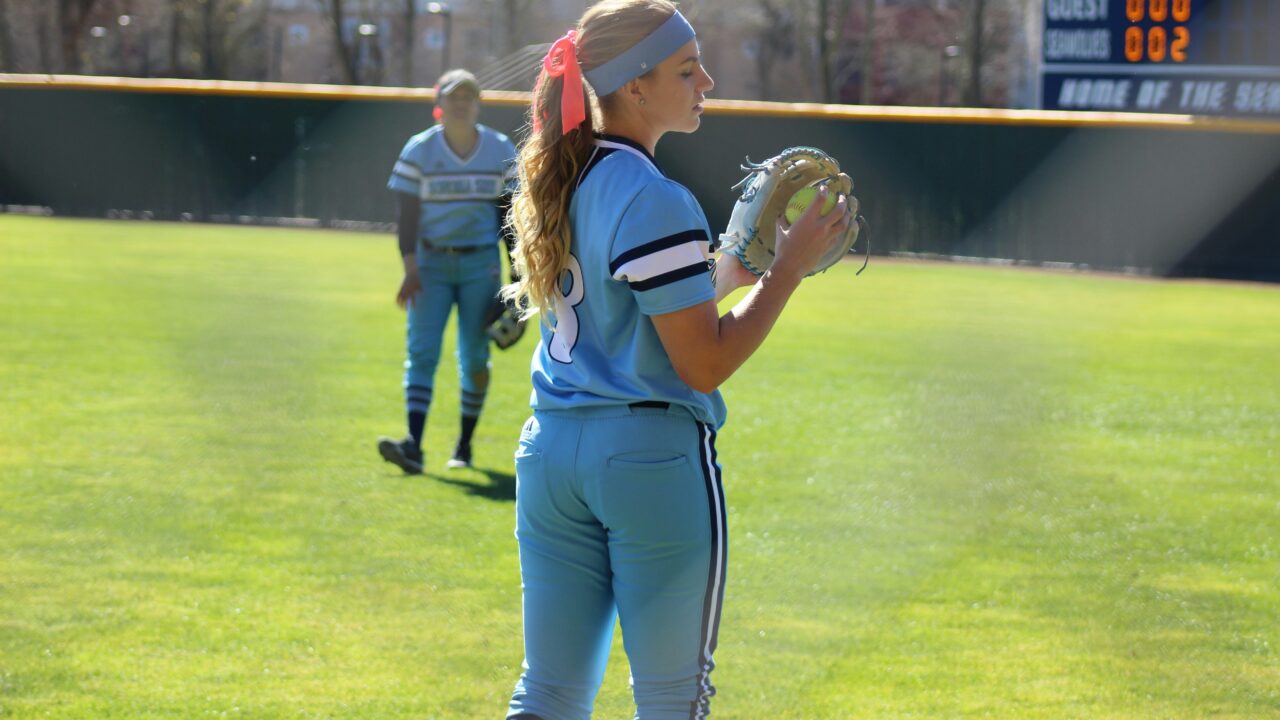
Three years ago, a college softball dogpile was a regional highlight. This spring, it was a feed-stopping clip with millions of views, a comment section full of brand-new fans, and — increasingly — a marketer in the replies doing math.
Softball has quietly become one of the most efficient attention engines in American sports. ESPN just logged its most-watched NCAA Softball Regionals on record, with multiple series peaking above a million viewers. And attention is the only currency brands actually compete for. Here’s how a viral moment becomes a signed deal.
Virality is the sport’s native language
Softball doesn’t go viral by accident. The game is built for it — short, dramatic, emotionally legible moments delivered by athletes who are fluent on the platforms where culture happens.
Consider the postseason that just wrapped. Mississippi State hung fresh broccoli from the dugout fence as a rally cry, and “Broccoli Guy” became a tournament-defining character. UCLA turned its dugout into a bubble-machine nightclub. Tennessee showered home-run hitters with prop money. NiJaree Canady‘s “NiJa Stomp” after a strikeout traveled further than the pitch did.
None of this is incidental to the product — it is the product now. Texas Tech literally built a TikTok room into its renovated facility and schedules “TikTok practice.” Players treat their feeds as a second stadium, posting day-in-the-life content for the 13-year-olds who used to just watch and wonder. The result is a sport people fall into through personality and stay for through the game.
Virality manufactures cheap, high-quality attention
For a brand, that combination is gold: a rising audience, a young and heavily female-skewing demographic, and engagement rates most channels can’t touch. A viral clip is essentially a free audience test — the discovery cost a brand would normally pay to find an engaged niche gets covered by the algorithm.
It’s not just that the audience is bigger; it’s who it is. Softball over-indexes on exactly the consumers that lifestyle, beauty, and consumer-goods marketers chase hardest. That’s why beauty and personal-care brands have been migrating toward the Women’s College World Series specifically. Softball is full of repeatable routines — warmups, travel, dugout rituals, postgame content — and when a brand plugs into a routine, the sponsorship becomes a habit instead of a one-off. It’s a live, visible environment where a product looks tested rather than advertised.
The receipts: attention is already converting
The clearest proof is what brands and investors are actually doing.
At the individual level, NiJaree Canady became the first college softball player to sign a $1 million-plus NIL deal — a package reported at $1,050,024, backed in part by Patrick Mahomes — then signed a second seven-figure deal a year later. Her coach called her a “folk hero.” That valuation doesn’t exist without the audience her virality built.
At the league level, the new Athletes Unlimited Softball League launched its first season in 2025 with investment from Major League Baseball, then opened 2026 with a national partner roster that reads like a brand-equity wish list: adidas, Sephora, Gatorade, DICK’S Sporting Goods, Mizuno, StubHub, and more — alongside fresh investment from the Milwaukee Brewers and Ryan Sanders Baseball, plus a multi-year ESPN distribution deal. The league has also been signing college stars like Canady, Karlyn Pickens, and Reese Atwood as NIL ambassadors — converting college virality directly into league marketing.
And the rails are being built underneath all of it. Fan-direct NIL platforms like RallyFuel now let supporters back individual athletes through verified, transparent deals — turning a viral following into real dollars for players well beyond the million-dollar headliners. The list of names fans can fund directly runs deep: Texas ace Teagan Kavan, who beat Canady’s Red Raiders in the 2025 championship final, and Florida State infielder Isa Torres among them. That matters, because most of softball’s virality doesn’t belong to the one $1 million ace; it belongs to the broccoli, the dugout characters, and the day-in-the-life creators. Infrastructure that lets the long tail of athletes monetize their own audiences is what turns a few viral moments into a durable economy.
When new brands, existing partners, investors, and media companies all move in the same direction at once, that’s not a fad. That’s a market pricing in attention.
What this means if you’re a brand
The softball playbook is simple, and the window is open:
- Move at the speed of the moment. Viral plays, celebrations, and personalities are real-time activation triggers, not quarterly campaigns. The brands that win react in days, not planning cycles.
- Match values to athletes, not just follower counts. The pull of softball is authenticity — players letting fans into their actual lives. Partnerships that respect that convert; ones that override it don’t.
- Build for repeatability. The strongest softball sponsorships ride the sport’s routines, so the brand shows up again and again instead of once.
- Get in while it’s cost-effective. This is still a value buy relative to the attention it delivers — a testing ground that won’t stay cheap as the audience compounds.
Softball spent decades with the talent, the participation, and the passion. What changed is that social media finally put all of it on display — and brands learned to read the scoreboard. As the saying goes around the sport: some people love softball, and the rest just don’t know they love it yet. A growing number of those people now run marketing budgets.