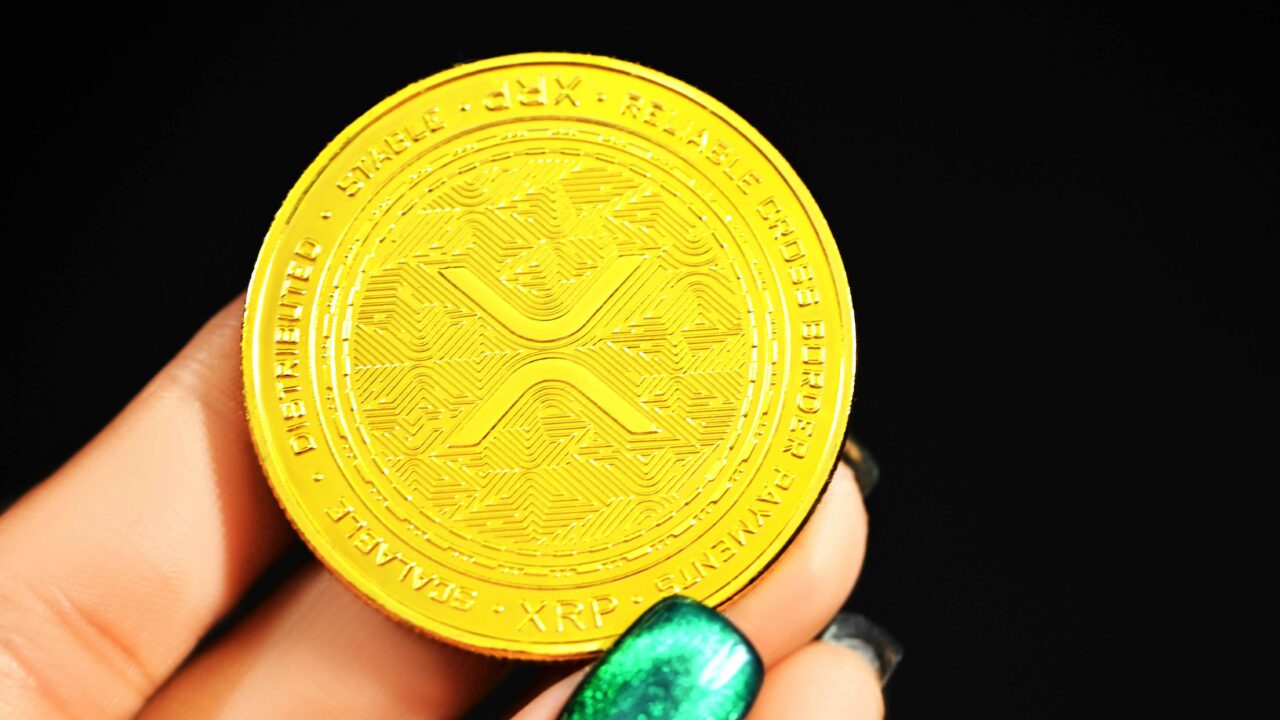
On July 8, Kansas Athletics announced that an XRP logo would appear on the uniforms of all its teams, the first time a cryptocurrency has been placed on the jersey of a major college athletics program. Nine days later, Texas Tech announced a 15 year naming rights agreement with Galaxy, a digital assets and infrastructure company. The football stadium becomes Galaxy Stadium starting this season.
Then on September 4, Florida Athletics announced a multi year partnership with Ripple that puts the XRP logo on the field at Ben Hill Griffin Stadium. Three deals in eight weeks, two of them from the same company.
All three are frequently described as crypto NIL deals. Here’s what each agreement includes, and what it means for the athletes at each school.
Three deals, three different doors
Kansas bought into the patch boom. Texas Tech and Florida bought things that were already for sale.
The patch market has moved fast since Division I leaders approved commercial uniform patches in January, with deals now signed across dozens of schools and the biggest of them reaching eight figures a year. We covered that whole landscape, including the Kansas agreement, in Jersey Patch NIL Deals Are Here.
What’s worth separating out is the category. Ripple and Galaxy are both digital asset companies, and they arrived by three different doors. Ripple took uniform space at Kansas, which is advertising the school sells and renews. Galaxy took the Texas Tech stadium name for 15 years, which is a far longer and more permanent commitment than a patch, and a much rarer thing to sell. Ripple then took the field at Florida, the painted logo that sits under the broadcast for three hours every home Saturday.
The timing is the tell. Jersey patches only became legal on August 1 of this year, so Kansas was buying inventory that had just opened. On field logos have been permitted in regular season games since 2024, capped at one advertisement at midfield and two smaller ones elsewhere. Florida had already run a GEICO logo on the field for its last two home games of 2025. Nothing changed at Florida except who wanted the space and what they were willing to pay for it.
That’s a category making a deliberate entrance rather than a coincidence. Ripple has now done it twice in two months, at two schools, through two different kinds of inventory.
What the athletes actually get
All three agreements name athlete benefits, and they are worth reading closely because they are not the same kind of thing.
Texas Tech says its naming rights agreement will include NIL opportunities for Texas Tech athletes. Terms were not disclosed and the structure has not been described publicly yet, so the details are still to come.
Kansas was more specific. Ripple agreed to fund financial and technology education programs for Kansas athletes and the wider campus community, covering both traditional finance and digital assets, and to expand a pipeline connecting Kansas graduates to careers in technology. The company’s chief executive is a Kansas alum, which is often how deals like this one begin.
Florida reads almost word for word like Kansas. Ripple will support financial and technology education for Florida student athletes and the wider campus community, covering both traditional finance and digital assets. What’s missing is the second half. There is no career pipeline in the Florida announcement, and no alum in the chief executive’s chair to explain one. Terms were not disclosed, though the Associated Press reported the deal at roughly $5 million a year, citing a person familiar with the negotiations. That would make it one of the richest field logo agreements in college football.
One thing worth saying plainly, because readers will assume otherwise. Florida is not agreeing to buy XRP, hold XRP, or accept it for tickets or donations. The school is selling paint.
Education and job placement are not cash, and they will not appear in anyone’s account this season. But for athletes across 16 teams at Kansas and 21 at Florida, most of whom will never sign an individual brand deal, career access may end up being worth more than a single payment would have been.
The part nobody is announcing
Here’s what all three deals have in common. The money enters through the top of the building, and the department decides where it goes from there.
That works well at schools with inventory to sell. Florida is the profile exactly: 21 teams, more than 500 athletes, and a reported $5 million a year for a logo at midfield. For scale, Ohio State’s jersey patch was reported at up to $17 million a year and Notre Dame’s between $18 and $20 million.
Most schools have less of that, or none. A sponsorship tracking firm reported that roughly 95 percent of college patch inventory nationwide is still unsold, and the great majority of athletic departments have no stadium naming rights and no field space anyone is bidding on.
That gap is the whole reason RallyFuel exists. Fans back a specific athlete by name, and the support goes to that athlete. Nobody has to sell a stadium first, and nothing has to trickle anywhere.
One company now has its logo on 16 teams’ worth of uniforms in Lawrence and the grass in Gainesville. Every one of those athletes has people who would back them by name if somebody asked.